

Hertfordshire Homes With Damp Smells: What Surveyors Look for First
A persistent damp smell is often one of the earliest signs that moisture is affecting a property. Unlike peeling paint or visible mould, an unusual odour can appear long before structural damage becomes obvious.

Why you can trust our content

At a glance
Many homeowners simply mask the smell with air fresheners or assume it is caused by poor ventilation, allowing the underlying issue to continue unnoticed.
Across Hertfordshire, properties range from historic cottages and Victorian terraces to modern family homes. While the construction methods vary, one thing remains consistent: a lingering musty smell should never be ignored. Understanding what surveyors look for during an inspection can help homeowners deal with problems before they become more expensive to resolve.
If you’ve noticed a persistent damp smell in your home, contact Anke Damp Proofing for a professional inspection and clear advice before the problem worsens.
Why does a house develop a damp smell?
A damp smell usually develops when excess moisture remains trapped within building materials or enclosed spaces.
Common causes include:
- Poor ventilation
- Condensation
- Leaking plumbing
- Water entering through damaged brickwork
- Roof leaks
- Damp beneath suspended timber floors
- Moisture inside basements or cellars
The smell itself is not the problem. It is often an indication that moisture has been present for long enough to affect the surrounding materials.
What does a surveyor check first?
An experienced surveyor begins by gathering information rather than making assumptions.
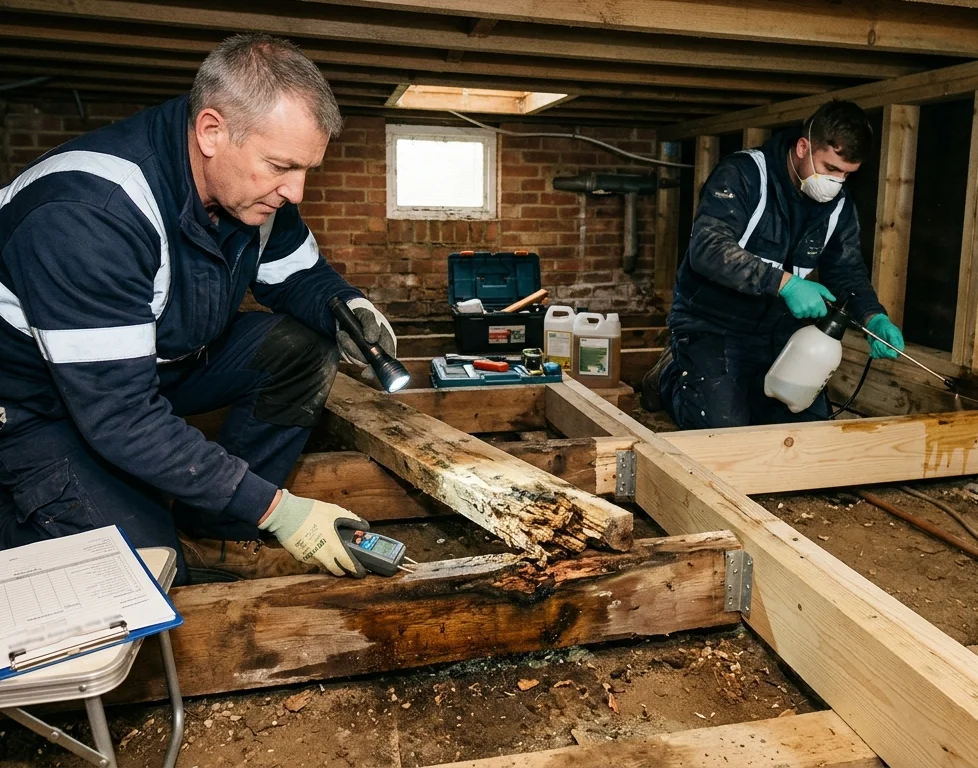
A professional inspection typically includes:
- Internal moisture patterns
- External brickwork and pointing
- Roof coverings and guttering
- Ventilation throughout the property
- Plumbing where appropriate
- Timber condition
- Flooring and skirting boards
- Humidity levels
A comprehensive damp survey hertfordshire considers how the entire building manages moisture instead of focusing solely on one room.
Could the smell come from somewhere you cannot see?
Yes.
One of the biggest misconceptions is that the source of a damp smell must always be visible.
In reality, moisture may be hidden:
- Beneath floorboards
- Behind fitted kitchens
- Inside wall cavities
- Under staircases
- Within loft spaces
- Around concealed plumbing
- Inside built-in cupboards
Because moisture often develops in enclosed spaces, the smell may become noticeable long before staining or mould appears.
What warning signs often accompany damp smells?
A damp odour is frequently accompanied by smaller clues that are easy to overlook.
| Warning Sign | Possible Cause |
| Peeling paint | Moisture beneath finishes |
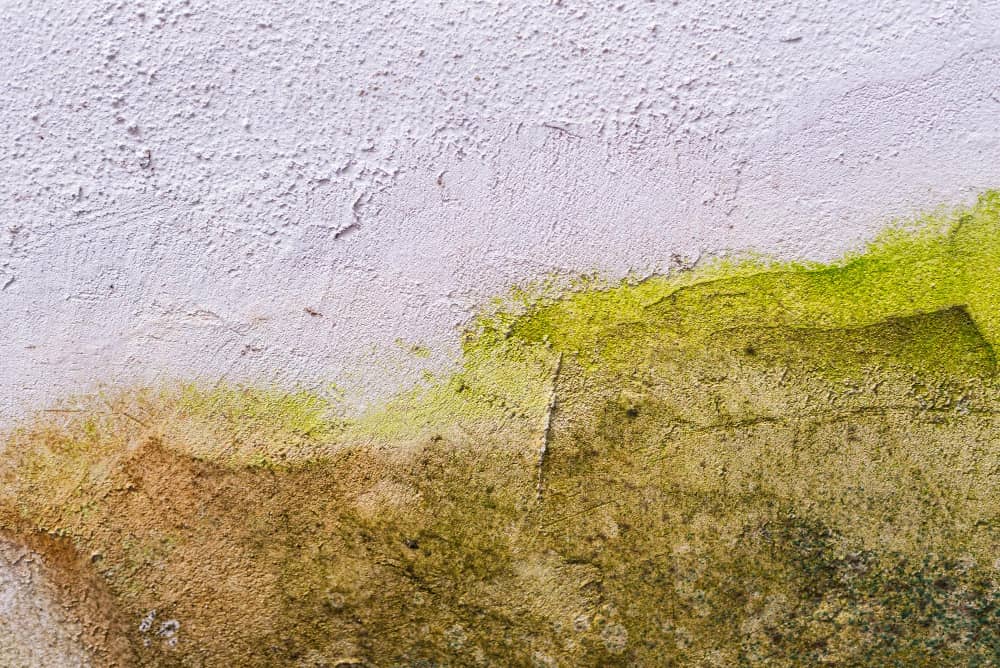
| Mould growth | Condensation or hidden damp |
| Soft skirting boards | Prolonged moisture |
| Bubbling plaster | Water penetration |
| Cold walls | Increased condensation risk |
| White salts | Moisture moving through masonry |
Recognising these signs early can help prevent more significant damage later.
Why is identifying the cause so important?
The smell itself cannot be treated effectively until the source of moisture has been identified.
For example:
- Improving ventilation may solve condensation.
- Repairing defective guttering may stop penetrating damp.
- Fixing leaking pipework may eliminate hidden moisture.
- Improving drainage may reduce external water penetration.
Professional damp proofing hertfordshire begins with understanding why moisture is present before recommending any remedial work.
A typical example
A homeowner notices a musty smell in the dining room every autumn but cannot find any visible signs of damp.
During an inspection, the survey identifies moisture beneath the suspended timber floor caused by restricted airflow through blocked air bricks. Once ventilation is restored and the affected area dries naturally, the smell gradually disappears without major structural repairs.
This type of situation demonstrates why investigation should always come before treatment.
If your home has a damp smell that won’t go away, Anke Damp Proofing can identify the source and explain the most appropriate solution.
What best describes you?

Homeowner

Tenant

Management/Lettings Agent

Potential Buyer

Other
It just takes 60 Second
And then you can book a free consultation
When should you arrange a professional inspection?
You should consider arranging a damp survey hertfordshire if you notice:
- A musty smell lasting several weeks
- Damp returning after decoration
- Repeated mould growth
- Bubbling plaster
- Damp patches after rainfall
- Condensation that does not improve
- Concerns before buying or renovating a property
Early investigation often prevents moisture problems from developing into larger repairs.
If you are planning maintenance work, obtaining a damp proofing quote hertfordshire after a detailed inspection helps ensure recommendations reflect the property’s actual condition.
How does a survey-led approach benefit homeowners?
Every property behaves differently depending on its age, construction and maintenance history.
Professional damp proofing hertfordshire focuses on gathering evidence before recommending treatment. This helps homeowners:
- Understand the source of moisture
- Avoid unnecessary repairs
- Protect original building materials
- Make informed decisions
- Reduce the risk of recurring damp
A tailored assessment provides greater confidence that any recommended work is genuinely required.
Conclusion
A persistent damp smell is often your home’s way of indicating that moisture is present somewhere it should not be. Investigating the cause early helps protect the building, reduce repair costs and prevent more extensive damage in the future.
At Anke Damp Proofing, we believe every property deserves a careful, evidence-based inspection before treatment is considered. Our experienced team provides practical advice and tailored recommendations to help homeowners across Hertfordshire protect their homes with confidence.
Related articles

What best describes you?
Homeowner
Tenant
Management/Lettings Agent
Potential Buyer
Other
At a glance
Many homeowners simply mask the smell with air fresheners or assume it is caused by poor ventilation, allowing the underlying issue to continue unnoticed.
Across Hertfordshire, properties range from historic cottages and Victorian terraces to modern family homes. While the construction methods vary, one thing remains consistent: a lingering musty smell should never be ignored. Understanding what surveyors look for during an inspection can help homeowners deal with problems before they become more expensive to resolve.
If you’ve noticed a persistent damp smell in your home, contact Anke Damp Proofing for a professional inspection and clear advice before the problem worsens.
Why does a house develop a damp smell?
A damp smell usually develops when excess moisture remains trapped within building materials or enclosed spaces.
Common causes include:
- Poor ventilation
- Condensation
- Leaking plumbing
- Water entering through damaged brickwork
- Roof leaks
- Damp beneath suspended timber floors
- Moisture inside basements or cellars
The smell itself is not the problem. It is often an indication that moisture has been present for long enough to affect the surrounding materials.
What does a surveyor check first?
An experienced surveyor begins by gathering information rather than making assumptions.
A professional inspection typically includes:
- Internal moisture patterns
- External brickwork and pointing
- Roof coverings and guttering
- Ventilation throughout the property
- Plumbing where appropriate
- Timber condition
- Flooring and skirting boards
- Humidity levels
A comprehensive damp survey hertfordshire considers how the entire building manages moisture instead of focusing solely on one room.
Could the smell come from somewhere you cannot see?
Yes.
One of the biggest misconceptions is that the source of a damp smell must always be visible.
In reality, moisture may be hidden:
- Beneath floorboards
- Behind fitted kitchens
- Inside wall cavities
- Under staircases
- Within loft spaces
- Around concealed plumbing
- Inside built-in cupboards
Because moisture often develops in enclosed spaces, the smell may become noticeable long before staining or mould appears.
What warning signs often accompany damp smells?
A damp odour is frequently accompanied by smaller clues that are easy to overlook.
| Warning Sign | Possible Cause |
| Peeling paint | Moisture beneath finishes |
| Mould growth | Condensation or hidden damp |
| Soft skirting boards | Prolonged moisture |
| Bubbling plaster | Water penetration |
| Cold walls | Increased condensation risk |
| White salts | Moisture moving through masonry |
Recognising these signs early can help prevent more significant damage later.
Why is identifying the cause so important?
The smell itself cannot be treated effectively until the source of moisture has been identified.
For example:
- Improving ventilation may solve condensation.
- Repairing defective guttering may stop penetrating damp.
- Fixing leaking pipework may eliminate hidden moisture.
- Improving drainage may reduce external water penetration.
Professional damp proofing hertfordshire begins with understanding why moisture is present before recommending any remedial work.
A typical example
A homeowner notices a musty smell in the dining room every autumn but cannot find any visible signs of damp.
During an inspection, the survey identifies moisture beneath the suspended timber floor caused by restricted airflow through blocked air bricks. Once ventilation is restored and the affected area dries naturally, the smell gradually disappears without major structural repairs.
This type of situation demonstrates why investigation should always come before treatment.
If your home has a damp smell that won’t go away, Anke Damp Proofing can identify the source and explain the most appropriate solution.
What best describes you?
Homeowner
Tenant
Management/Lettings Agent
Potential Buyer
Other
It just takes 60 Second
And then you can book a free consultation
When should you arrange a professional inspection?
You should consider arranging a damp survey hertfordshire if you notice:
- A musty smell lasting several weeks
- Damp returning after decoration
- Repeated mould growth
- Bubbling plaster
- Damp patches after rainfall
- Condensation that does not improve
- Concerns before buying or renovating a property
Early investigation often prevents moisture problems from developing into larger repairs.
If you are planning maintenance work, obtaining a damp proofing quote hertfordshire after a detailed inspection helps ensure recommendations reflect the property’s actual condition.
How does a survey-led approach benefit homeowners?
Every property behaves differently depending on its age, construction and maintenance history.
Professional damp proofing hertfordshire focuses on gathering evidence before recommending treatment. This helps homeowners:
- Understand the source of moisture
- Avoid unnecessary repairs
- Protect original building materials
- Make informed decisions
- Reduce the risk of recurring damp
A tailored assessment provides greater confidence that any recommended work is genuinely required.
Conclusion
A persistent damp smell is often your home’s way of indicating that moisture is present somewhere it should not be. Investigating the cause early helps protect the building, reduce repair costs and prevent more extensive damage in the future.
At Anke Damp Proofing, we believe every property deserves a careful, evidence-based inspection before treatment is considered. Our experienced team provides practical advice and tailored recommendations to help homeowners across Hertfordshire protect their homes with confidence.
Related articles
What best describes you?
Homeowner
Tenant
Management/Lettings Agent
Potential Buyer