Frequently Asked Questions
What does a damp specialist do?
A damp specialist assesses and resolves moisture-related issues in properties, including damp proofing, woodworm treatment, and dry rot solutions, ensuring structural integrity and preventing further damage while prioritising customer satisfaction.
Can damp proofing be done from outside?
Damp proofing can indeed be performed from outside a property. This approach typically involves applying a waterproof barrier or membrane to the external walls to prevent moisture ingress, ensuring effective damp control.
What is the average cost of damp proofing?
The average cost of damp proofing typically ranges from £1,000 to £3,000, depending on factors such as the size of the area, the severity of the issue, and the chosen treatment method.
Damp proofing, does it work?
Damp proofing is effective in preventing moisture intrusion in both residential and commercial properties. When properly installed, it effectively protects structures from damp-related issues, enhancing longevity and maintaining a healthy living environment.
How much does a damp specialist cost?
The cost of a damp specialist typically varies based on the extent of the problem and the services required; on average, you can expect to pay between £200 and £1,500 for professional assessment and treatment.
Can damp proofing be done from inside?
Damp proofing can indeed be done from inside a property. This approach involves applying damp-proof membranes, coatings, or injecting chemicals to create a barrier that prevents moisture intrusion from the interior.
How much should a damp survey cost?
The cost of a damp survey can vary significantly, typically ranging from £200 to £600, depending on factors such as the property's size and the complexity of the damp issues being assessed.
Does damp proofing work?
Damp proofing is an effective solution for preventing moisture intrusion in buildings. When properly installed and maintained, it successfully protects structures from damp-related issues, ensuring a dry and healthy environment.
How long does damp proofing last?
The longevity of damp proofing can vary, but with proper installation and maintenance, it can last between 20 to 50 years. Regular checks ensure continued effectiveness in moisture control.
Can damp proofing fail?
Damp proofing can fail under certain conditions. Factors such as poor installation, pre-existing structural damage, or inadequate maintenance may contribute to its ineffectiveness over time. Regular assessments can help ensure continued protection against damp issues.
Can you treat damp?
The treatment of damp is vital for maintaining property integrity. Yes, we can effectively treat damp through our specialized services, ensuring lasting solutions tailored to your specific needs.
Does house insurance cover damp proofing?
House insurance may cover damp proofing if it results from a covered peril, such as flooding or a burst pipe. However, routine damp proofing and maintenance are generally not included. Always check your policy details for specific coverage.
How expensive is it to get rid of damp?
The cost of getting rid of damp varies based on the severity and type of the issue. Generally, homeowners can expect to pay between £500 and £3,000, depending on the necessary treatments and repairs involved.
How many years does damp proofing last?
The longevity of damp proofing typically lasts between 20 to 30 years, depending on the methods used and the property's specific conditions. Regular maintenance can help extend its effectiveness.
Is it worth paying for a damp survey?
Paying for a damp survey is worthwhile as it provides a detailed assessment of potential damp issues, enabling you to address problems early and avoid costly repairs. This proactive approach ensures the long-term health of your property.
Does damp proofing really work?
Damp proofing is an effective solution for preventing moisture issues in properties. When properly installed, it successfully protects against dampness, ensuring a healthier environment and preserving structural integrity.
What signs indicate the need for damp proofing?
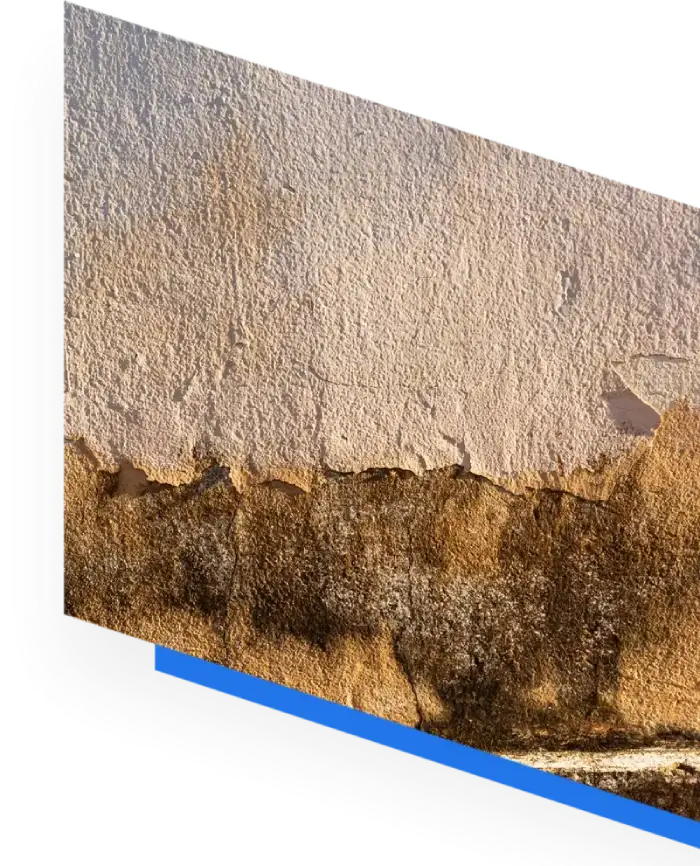
The signs that indicate the need for damp proofing include visible mould growth, peeling paint, musty odours, damp patches on walls, and structural issues, such as crumbling plaster or wood decay. Addressing these signs promptly can prevent further damage.
How can I prevent damp in my property?
Preventing damp in your property involves ensuring proper ventilation, addressing leaks promptly, maintaining gutter and drainage systems, and using damp-proofing treatments. Regular inspections can help identify issues before they escalate.
What methods are used in damp proofing?
The methods used in damp proofing include chemical damp proof courses, physical barriers, and injection systems, all designed to prevent moisture penetration and protect buildings effectively.
Is damp proofing suitable for all buildings?
Damp proofing is suitable for most buildings, including residential and commercial properties. However, specific conditions and structural factors must be assessed to determine the best damp proofing solution for each unique situation.
How does damp proofing affect property value?
Damp proofing positively affects property value by preventing moisture-related damage, enhancing structural integrity, and improving indoor air quality. Properties with effective damp proofing are more attractive to buyers, as they offer a safer and healthier living environment.
Can I do damp proofing myself?
Damp proofing is a complex task that requires specific knowledge and skills. While some minor repairs may be manageable, it's advisable to consult professionals like Anke Damp Proofing to ensure effective and lasting solutions.
What products are best for damp proofing?
The best products for damp proofing include liquid damp-proof membranes, injection creams for rising damp, and tanking systems for below-ground areas. Selecting the right solution depends on the specific damp issue and property requirements.
How does a damp survey process work?
The damp survey process involves a thorough inspection of a property to identify signs of dampness, followed by a detailed assessment of potential causes. Our expert surveyors then provide clear recommendations for effective damp proofing solutions tailored to your needs.
What follow-up is needed after damp proofing?
Follow-up after damp proofing is essential to ensure effectiveness. Regularly inspect the treated areas, monitor for signs of dampness or moisture, and maintain proper ventilation to prevent future issues.
When is the best time for damp proofing?
The best time for damp proofing is typically during dry weather, as this allows for optimal installation conditions and ensures that the moisture levels in walls are lower, leading to more effective treatment and prevention of further damp issues.
How can I find a qualified damp specialist?
Finding a qualified damp specialist involves researching local companies, checking their credentials, reading customer reviews, and verifying their experience in damp proofing and treatment solutions. Consider asking for quotes and recommendations to ensure you choose a reputable expert.
What are the risks of untreated damp?
The risks of untreated damp include structural damage, mould growth, and adverse health effects. Ignoring damp issues can lead to costly repairs and compromise the safety and comfort of both residential and commercial properties.
Are there eco-friendly damp proofing options?
Eco-friendly damp proofing options are available, focusing on natural materials and methods that minimise environmental impact while effectively preventing damp issues. At Anke Damp Proofing, we offer solutions that prioritize sustainability without compromising on efficacy.
What warranty should I expect with damp proofing?
The warranty you can expect with damp proofing typically ranges from 10 to 30 years, often covering workmanship and materials. Always confirm specific terms with your contractor for clarity and peace of mind.