
North London Damp Firms: Signs They Can Diagnose More Than Surface Staining
When damp appears in a property, it’s tempting to focus on the visible damage. Peeling paint, stained plaster or patches…

Why you can trust our content
At a glance
When damp appears in a property, it’s tempting to focus on the visible damage. Peeling paint, stained plaster or patches of mould can be frustrating, and many homeowners simply want the problem resolved as quickly as possible. However, successful damp treatment starts with understanding why the issue has developed in the first place.
Choosing the right specialist is just as important as choosing the right repair. A company that investigates the root cause rather than recommending immediate treatment is far more likely to provide a lasting solution. Knowing what separates experienced professionals from those offering one-size-fits-all recommendations can help you make an informed decision.
If you’re concerned about damp in your property, speak with the team at Anke Damp Proofing for honest advice and a thorough assessment before any work is recommended.
Why is proper diagnosis more important than visible damage?
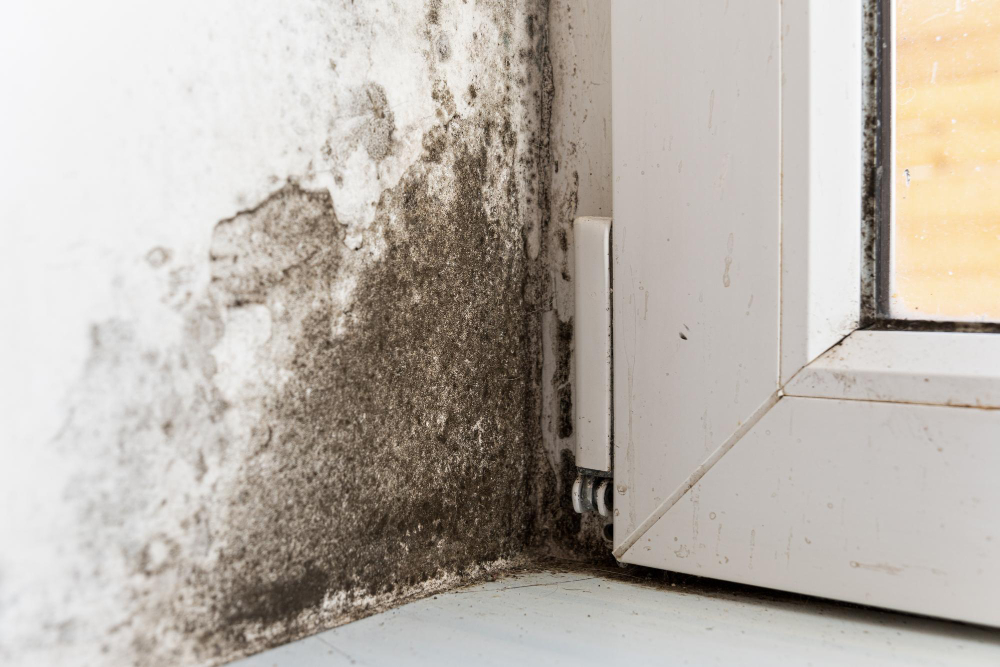
A damp stain only shows where moisture has become noticeable. It does not necessarily reveal where the problem started.
Water can travel through walls, ceilings and floors before becoming visible, meaning the underlying cause could be some distance away. Without investigating the whole building, there is a risk of treating symptoms rather than solving the problem.
Experienced local damp proofing experts north london understand that every property behaves differently. Victorian terraces, converted flats and newer developments all have unique construction methods, ventilation patterns and maintenance histories that influence how moisture moves through the building.
What should a professional damp inspection include?
A thorough assessment looks beyond the obvious signs of damp.
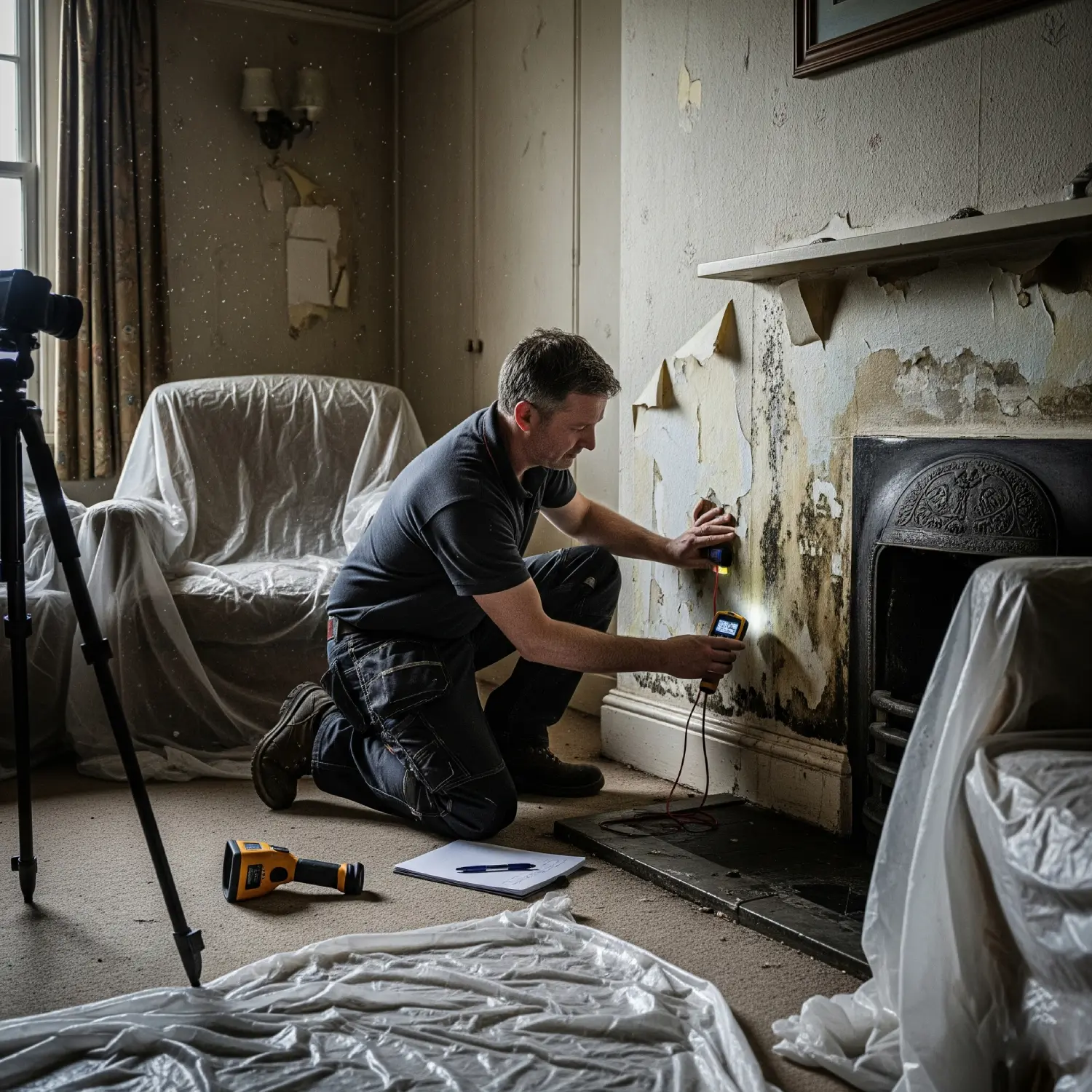
Rather than relying on a quick visual inspection, a specialist should evaluate several areas of the property to build a complete picture of what is happening.
A comprehensive inspection may include:
- External walls and pointing
- Roof coverings and guttering
- Internal humidity levels
- Ventilation throughout the home
- Plumbing and drainage where relevant
- Timber condition
- Floor and wall moisture readings
- Signs of condensation, penetrating damp or rising damp
This systematic approach allows recommendations to be based on evidence rather than assumptions.
Questions worth asking before choosing a specialist
Not every company approaches damp investigations in the same way.
Before arranging an inspection, consider asking:
- Will the survey identify the cause as well as the symptoms?
- Will different types of damp be considered?
- Will external defects be inspected?
- Will ventilation be assessed?
- Will I receive clear explanations of the findings?
- Are recommendations tailored to my property?
These questions often reveal whether a company focuses on diagnosis or simply selling treatments.
What are the signs of a survey-led approach?
One of the clearest indicators of quality is the amount of time spent understanding the building before discussing repairs.
Reliable specialists generally avoid making immediate recommendations before carrying out a detailed inspection.
| Good Practice | Why It Matters |
| Full property assessment | Identifies the true moisture source |
| External inspection | Finds defects allowing water ingress |
| Ventilation review | Helps distinguish condensation issues |
| Moisture testing | Supports accurate diagnosis |
| Clear written findings | Helps homeowners understand recommendations |
| Tailored solutions | Avoids unnecessary treatments |
A survey-led process provides confidence that any work recommended is genuinely appropriate for the property.
Can surface staining be misleading?
Absolutely.
Surface staining often develops long after moisture first enters the building. By the time paint begins peeling or wallpaper starts lifting, water may already have affected hidden materials behind the finished surfaces.
For example:
- A leaking gutter can create internal damp months before staining appears.
- Condensation may encourage mould growth in one room while excess humidity originates elsewhere.
- Small plumbing leaks can slowly damage surrounding materials before becoming visible.
Understanding these possibilities is why experienced local damp proofing experts north london investigate the wider property rather than concentrating only on the damaged area.
If you’ve noticed recurring damp or mould, Anke Damp Proofing can carry out a detailed assessment to help identify the cause before unnecessary repairs are undertaken.
What best describes you?

Homeowner

Tenant

Management/Lettings Agent

Potential Buyer

Other
It just takes 60 Second
And then you can book a free consultation
Why should recommendations be tailored to the building?
No two homes experience damp in exactly the same way. A converted Victorian flat, a 1930s semi-detached property and a modern apartment all have different construction methods, insulation levels and ventilation characteristics.
This means the most effective solution should always reflect the individual building rather than following a standard checklist.
Professional damp proofing services north london begin by understanding how moisture behaves within the property before recommending any remedial work. This approach helps homeowners avoid paying for treatments that may not address the real cause of the problem.
A typical example
A homeowner notices peeling paint on the chimney breast in a first-floor flat and assumes rising damp is to blame. After a detailed inspection, the survey finds defective flashing around the chimney stack allowing rainwater to enter the wall.
Instead of unnecessary internal treatment, repairing the external defect resolves the moisture issue. This highlights why identifying the source is always more important than treating the visible symptoms.
How do reliable specialists explain their findings?
Good communication is just as important as technical knowledge.
After an inspection, you should expect a clear explanation of:
- The likely source of the damp
- Evidence supporting the diagnosis
- Whether immediate repairs are required
- Any maintenance issues contributing to the problem
- Recommended remedial work, if appropriate
- Steps that may help prevent future moisture problems
A detailed explanation allows homeowners to make informed decisions without feeling pressured into unnecessary work.
When is it worth arranging a professional inspection?
You should consider an assessment if you notice:
- Damp patches returning after decoration
- Persistent mould despite regular cleaning
- Bubbling paint or crumbling plaster
- A musty smell that does not disappear
- Damp following heavy rainfall
- Concerns before purchasing or renovating a property
Professional damp proofing services north london can help establish whether the issue is caused by condensation, penetrating damp, rising damp or another source of moisture.
If you are comparing damp proof companies north london, it is worth choosing one that places diagnosis before treatment and provides recommendations based on evidence gathered during the inspection.
If you would like practical advice about damp affecting your property, contact Anke Damp Proofing. Our experienced team takes a survey-led approach, helping homeowners understand the cause of moisture before recommending the most appropriate solution.
Conclusion
Surface staining only tells part of the story. Understanding why moisture has appeared is the key to protecting your property and avoiding unnecessary repairs. A survey-led approach provides the evidence needed to identify the real cause and recommend solutions that suit the individual building.
At Anke Damp Proofing, we believe every property deserves careful investigation before treatment is considered. Our experienced team provides clear, practical advice to help homeowners across North London make confident decisions based on accurate diagnosis rather than guesswork.
Related articles
What best describes you?
Homeowner
Tenant
Management/Lettings Agent
Potential Buyer
Other
At a glance
When damp appears in a property, it’s tempting to focus on the visible damage. Peeling paint, stained plaster or patches of mould can be frustrating, and many homeowners simply want the problem resolved as quickly as possible. However, successful damp treatment starts with understanding why the issue has developed in the first place.
Choosing the right specialist is just as important as choosing the right repair. A company that investigates the root cause rather than recommending immediate treatment is far more likely to provide a lasting solution. Knowing what separates experienced professionals from those offering one-size-fits-all recommendations can help you make an informed decision.
If you’re concerned about damp in your property, speak with the team at Anke Damp Proofing for honest advice and a thorough assessment before any work is recommended.
Why is proper diagnosis more important than visible damage?
A damp stain only shows where moisture has become noticeable. It does not necessarily reveal where the problem started.
Water can travel through walls, ceilings and floors before becoming visible, meaning the underlying cause could be some distance away. Without investigating the whole building, there is a risk of treating symptoms rather than solving the problem.
Experienced local damp proofing experts north london understand that every property behaves differently. Victorian terraces, converted flats and newer developments all have unique construction methods, ventilation patterns and maintenance histories that influence how moisture moves through the building.
What should a professional damp inspection include?
A thorough assessment looks beyond the obvious signs of damp.
Rather than relying on a quick visual inspection, a specialist should evaluate several areas of the property to build a complete picture of what is happening.
A comprehensive inspection may include:
- External walls and pointing
- Roof coverings and guttering
- Internal humidity levels
- Ventilation throughout the home
- Plumbing and drainage where relevant
- Timber condition
- Floor and wall moisture readings
- Signs of condensation, penetrating damp or rising damp
This systematic approach allows recommendations to be based on evidence rather than assumptions.
Questions worth asking before choosing a specialist
Not every company approaches damp investigations in the same way.
Before arranging an inspection, consider asking:
- Will the survey identify the cause as well as the symptoms?
- Will different types of damp be considered?
- Will external defects be inspected?
- Will ventilation be assessed?
- Will I receive clear explanations of the findings?
- Are recommendations tailored to my property?
These questions often reveal whether a company focuses on diagnosis or simply selling treatments.
What are the signs of a survey-led approach?
One of the clearest indicators of quality is the amount of time spent understanding the building before discussing repairs.
Reliable specialists generally avoid making immediate recommendations before carrying out a detailed inspection.
| Good Practice | Why It Matters |
| Full property assessment | Identifies the true moisture source |
| External inspection | Finds defects allowing water ingress |
| Ventilation review | Helps distinguish condensation issues |
| Moisture testing | Supports accurate diagnosis |
| Clear written findings | Helps homeowners understand recommendations |
| Tailored solutions | Avoids unnecessary treatments |
A survey-led process provides confidence that any work recommended is genuinely appropriate for the property.
Can surface staining be misleading?
Absolutely.
Surface staining often develops long after moisture first enters the building. By the time paint begins peeling or wallpaper starts lifting, water may already have affected hidden materials behind the finished surfaces.
For example:
- A leaking gutter can create internal damp months before staining appears.
- Condensation may encourage mould growth in one room while excess humidity originates elsewhere.
- Small plumbing leaks can slowly damage surrounding materials before becoming visible.
Understanding these possibilities is why experienced local damp proofing experts north london investigate the wider property rather than concentrating only on the damaged area.
If you’ve noticed recurring damp or mould, Anke Damp Proofing can carry out a detailed assessment to help identify the cause before unnecessary repairs are undertaken.
What best describes you?
Homeowner
Tenant
Management/Lettings Agent
Potential Buyer
Other
It just takes 60 Second
And then you can book a free consultation
Why should recommendations be tailored to the building?
No two homes experience damp in exactly the same way. A converted Victorian flat, a 1930s semi-detached property and a modern apartment all have different construction methods, insulation levels and ventilation characteristics.
This means the most effective solution should always reflect the individual building rather than following a standard checklist.
Professional damp proofing services north london begin by understanding how moisture behaves within the property before recommending any remedial work. This approach helps homeowners avoid paying for treatments that may not address the real cause of the problem.
A typical example
A homeowner notices peeling paint on the chimney breast in a first-floor flat and assumes rising damp is to blame. After a detailed inspection, the survey finds defective flashing around the chimney stack allowing rainwater to enter the wall.
Instead of unnecessary internal treatment, repairing the external defect resolves the moisture issue. This highlights why identifying the source is always more important than treating the visible symptoms.
How do reliable specialists explain their findings?
Good communication is just as important as technical knowledge.
After an inspection, you should expect a clear explanation of:
- The likely source of the damp
- Evidence supporting the diagnosis
- Whether immediate repairs are required
- Any maintenance issues contributing to the problem
- Recommended remedial work, if appropriate
- Steps that may help prevent future moisture problems
A detailed explanation allows homeowners to make informed decisions without feeling pressured into unnecessary work.
When is it worth arranging a professional inspection?
You should consider an assessment if you notice:
- Damp patches returning after decoration
- Persistent mould despite regular cleaning
- Bubbling paint or crumbling plaster
- A musty smell that does not disappear
- Damp following heavy rainfall
- Concerns before purchasing or renovating a property
Professional damp proofing services north london can help establish whether the issue is caused by condensation, penetrating damp, rising damp or another source of moisture.
If you are comparing damp proof companies north london, it is worth choosing one that places diagnosis before treatment and provides recommendations based on evidence gathered during the inspection.
If you would like practical advice about damp affecting your property, contact Anke Damp Proofing. Our experienced team takes a survey-led approach, helping homeowners understand the cause of moisture before recommending the most appropriate solution.
Conclusion
Surface staining only tells part of the story. Understanding why moisture has appeared is the key to protecting your property and avoiding unnecessary repairs. A survey-led approach provides the evidence needed to identify the real cause and recommend solutions that suit the individual building.
At Anke Damp Proofing, we believe every property deserves careful investigation before treatment is considered. Our experienced team provides clear, practical advice to help homeowners across North London make confident decisions based on accurate diagnosis rather than guesswork.
Related articles
What best describes you?
Homeowner
Tenant
Management/Lettings Agent
Potential Buyer