
Average Damp Proofing Costs Explained for UK Homeowners
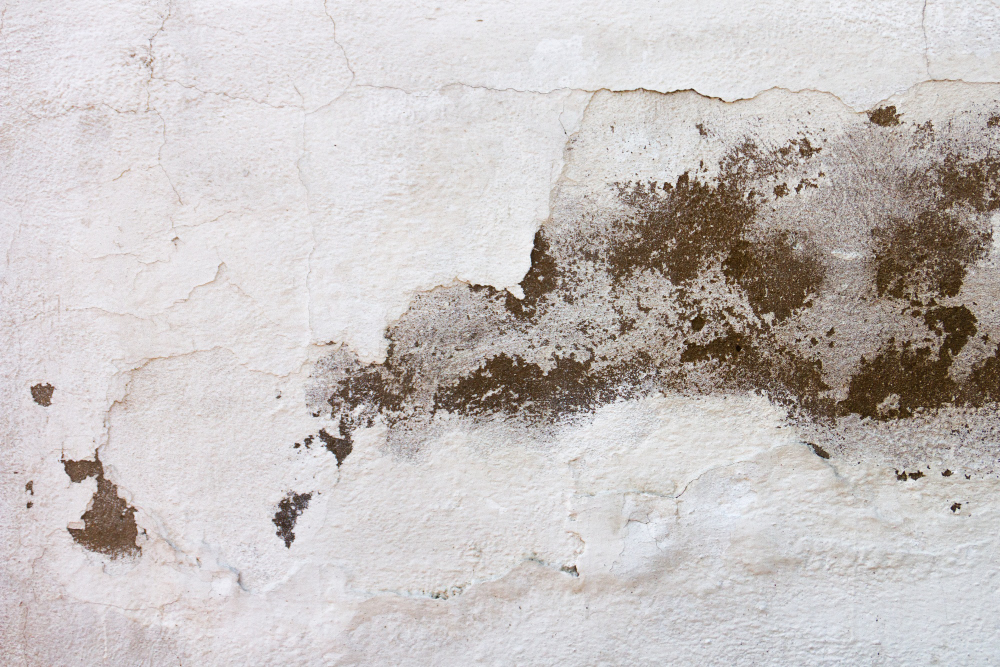
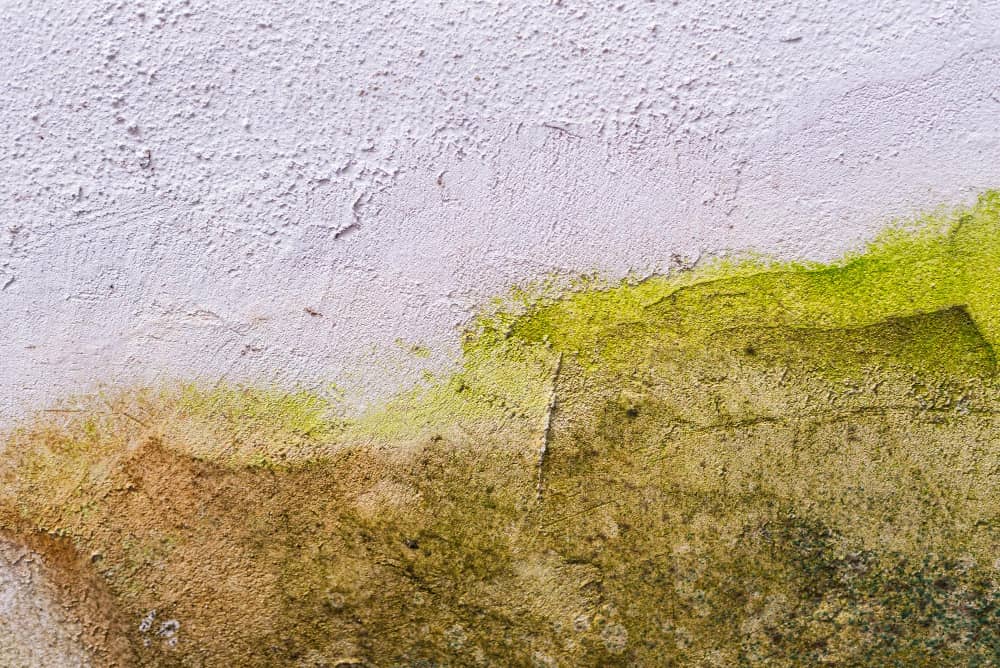
Damp is one of the most common property issues faced by homeowners across the UK. From unsightly patches on walls to musty smells and damaged plaster, it can affect both comfort and property value.

Why you can trust our content
At a glance
One of the first questions people ask is how much professional treatment actually costs.
This guide explains the average cost of damp proofing, what influences pricing, and how to avoid paying for unnecessary work while still achieving a lasting result.
What determines the damp proof cost?
There is no single fixed price for damp proofing. Costs vary depending on the cause, severity, and size of the affected area.
The main factors include:
- Type of damp present
- Extent of damage to walls or timber
- Property age and construction
- Accessibility of affected areas
- Required making good after treatment
Understanding these factors helps homeowners interpret quotes more confidently.
What types of damp affect pricing?
Different damp issues require different solutions, which directly impacts the damp proof cost.
Rising damp
Often treated with a chemical damp proof course and associated plastering.
Penetrating damp
Usually linked to external defects such as brickwork, gutters, or render.
Condensation
Often resolved through ventilation improvements rather than chemical treatments.
Correct diagnosis ensures pricing is proportionate and effective.
What is the average cost of damp proofing in the UK?
The table below provides typical price ranges based on common damp treatments in 2026.
| Damp Issue | Typical Cost Range | What’s Included |
| Rising damp | £1,000 – £2,500 | DPC injection and replastering |
| Penetrating damp | £500 – £2,000 | Repairs to walls or external defects |
| Condensation control | £300 – £1,500 | Ventilation or airflow improvements |
| Damp survey | £150 – £350 | Inspection and written report |
These figures reflect the average cost of damp proofing for residential properties.
Why surveys are essential before pricing
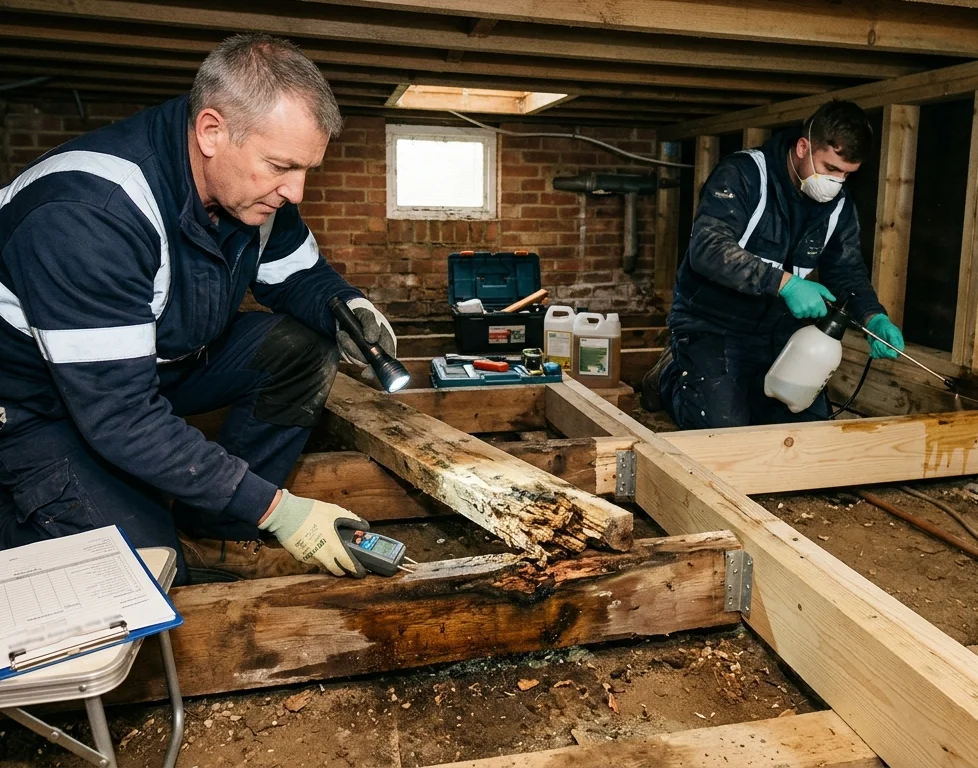
A professional survey prevents misdiagnosis and unnecessary work. Visual inspections alone can be misleading, especially where symptoms overlap.
A proper survey typically includes:
- Moisture readings at multiple points
- Inspection of external walls and drainage
- Assessment of ventilation and humidity
- Clear explanation of findings
What best describes you?

Homeowner

Tenant

Management/Lettings Agent

Potential Buyer

Other
It just takes 60 Second
And then you can book a free consultation
Without this process, any quoted damp proof cost should be treated with caution.
Are cheaper damp proofing quotes risky?
Low prices can sometimes indicate:
- Limited inspections
- Surface treatments only
- Moisture sources left unresolved
- Short or unclear guarantees
Comparing quotes should focus on scope and long-term effectiveness rather than cost alone.
Can damp proofing save money long term?
Yes. Proper treatment reduces ongoing maintenance costs and protects structural materials.
Benefits include:
- Preventing plaster and decoration damage
- Reducing timber decay risks
- Improving indoor air quality
- Supporting property resale value
Spending appropriately at the outset often reduces overall lifetime costs.
How long does damp proofing work usually take?
Timeframes vary depending on treatment type:
- Surveys: 1–2 hours
- Localised repairs: 1–2 days
- Full damp proof course installation: 3–5 days
Most disruption occurs during preparation and replastering stages.
Example homeowner scenario
A typical UK semi-detached home developed damp staining along internal ground floor walls. Initial assumptions pointed to condensation, but a survey confirmed rising damp.
Targeted treatment resolved the issue permanently. By addressing the correct cause early, the homeowner avoided repeat repairs and unnecessary expense linked to an incorrect diagnosis.
Related articles

What best describes you?
Homeowner
Tenant
Management/Lettings Agent
Potential Buyer
Other
At a glance
One of the first questions people ask is how much professional treatment actually costs.
This guide explains the average cost of damp proofing, what influences pricing, and how to avoid paying for unnecessary work while still achieving a lasting result.
What determines the damp proof cost?
There is no single fixed price for damp proofing. Costs vary depending on the cause, severity, and size of the affected area.
The main factors include:
- Type of damp present
- Extent of damage to walls or timber
- Property age and construction
- Accessibility of affected areas
- Required making good after treatment
Understanding these factors helps homeowners interpret quotes more confidently.
What types of damp affect pricing?
Different damp issues require different solutions, which directly impacts the damp proof cost.
Rising damp
Often treated with a chemical damp proof course and associated plastering.
Penetrating damp
Usually linked to external defects such as brickwork, gutters, or render.
Condensation
Often resolved through ventilation improvements rather than chemical treatments.
Correct diagnosis ensures pricing is proportionate and effective.
What is the average cost of damp proofing in the UK?
The table below provides typical price ranges based on common damp treatments in 2026.
| Damp Issue | Typical Cost Range | What’s Included |
| Rising damp | £1,000 – £2,500 | DPC injection and replastering |
| Penetrating damp | £500 – £2,000 | Repairs to walls or external defects |
| Condensation control | £300 – £1,500 | Ventilation or airflow improvements |
| Damp survey | £150 – £350 | Inspection and written report |
These figures reflect the average cost of damp proofing for residential properties.
Why surveys are essential before pricing
A professional survey prevents misdiagnosis and unnecessary work. Visual inspections alone can be misleading, especially where symptoms overlap.
A proper survey typically includes:
- Moisture readings at multiple points
- Inspection of external walls and drainage
- Assessment of ventilation and humidity
- Clear explanation of findings
What best describes you?
Homeowner
Tenant
Management/Lettings Agent
Potential Buyer
Other
It just takes 60 Second
And then you can book a free consultation
Without this process, any quoted damp proof cost should be treated with caution.
Are cheaper damp proofing quotes risky?
Low prices can sometimes indicate:
- Limited inspections
- Surface treatments only
- Moisture sources left unresolved
- Short or unclear guarantees
Comparing quotes should focus on scope and long-term effectiveness rather than cost alone.
Can damp proofing save money long term?
Yes. Proper treatment reduces ongoing maintenance costs and protects structural materials.
Benefits include:
- Preventing plaster and decoration damage
- Reducing timber decay risks
- Improving indoor air quality
- Supporting property resale value
Spending appropriately at the outset often reduces overall lifetime costs.
How long does damp proofing work usually take?
Timeframes vary depending on treatment type:
- Surveys: 1–2 hours
- Localised repairs: 1–2 days
- Full damp proof course installation: 3–5 days
Most disruption occurs during preparation and replastering stages.
Example homeowner scenario
A typical UK semi-detached home developed damp staining along internal ground floor walls. Initial assumptions pointed to condensation, but a survey confirmed rising damp.
Targeted treatment resolved the issue permanently. By addressing the correct cause early, the homeowner avoided repeat repairs and unnecessary expense linked to an incorrect diagnosis.
Related articles
What best describes you?
Homeowner
Tenant
Management/Lettings Agent
Potential Buyer