
Hiring a Damp Proofing Specialist in St Albans: What to Ask
If you are ready to speak to a trusted damp proofing specialist and want clear, practical answers to your questions,…

Why you can trust our content
Damp Proofing at a Glance: Quick FAQs and Insights
If you are ready to speak to a trusted damp proofing specialist and want clear, practical answers to your questions, you can contact Anke Damp Proofing to arrange a survey and tailored recommendations for your St Albans home.
Hiring a Damp Proofing Specialist in St Albans: What Should You Ask?
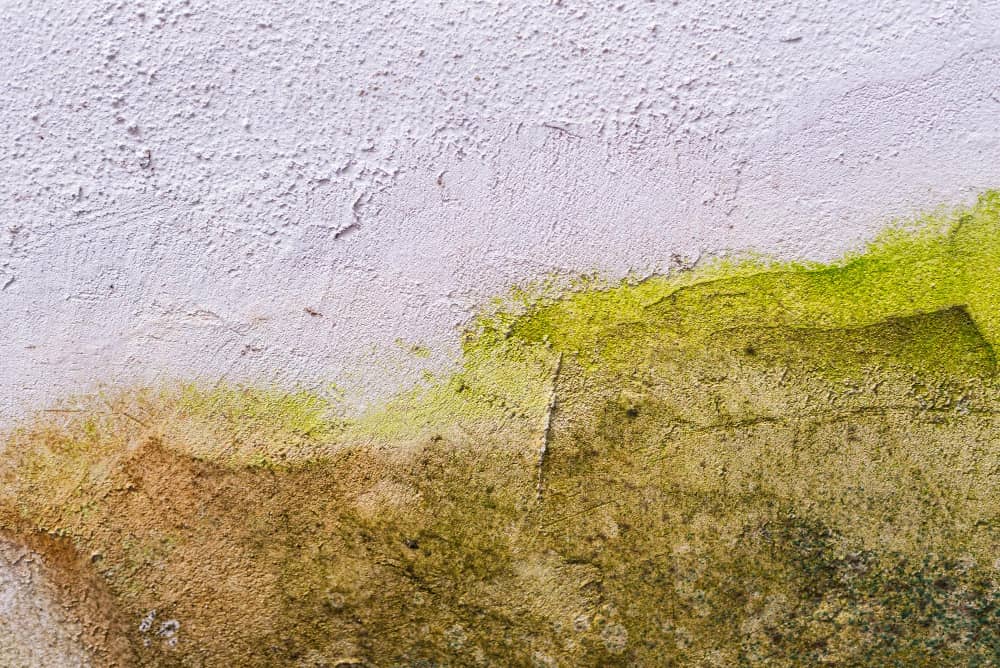
Noticing damp patches, flaking paint or a musty smell in your home can feel worrying, especially if you are unsure how serious the problem might be. The natural next step is to look for professional help, but once you start searching you will quickly find a long list of options and conflicting opinions.
Choosing the right damp proofing specialist is not just about who can start first or who offers the lowest price. You need someone who will find the real cause of the problem, explain it clearly and recommend a sensible, long term solution for your St Albans property.
This guide walks you through the key questions to ask, what to expect from a proper survey, how to compare proposals and the signs that a company is focused on quality rather than quick fixes.
If you have already spotted signs of damp and want clear, expert advice, you can contact Anke Damp Proofing to arrange a structured survey of your St Albans home.
What should you ask before booking a damp survey?
Before anyone visits your home, a short conversation can tell you a lot about how they work. Useful questions include:
- Do you provide a written report or just a verbal summary
- What will you be looking at during the survey
- How long will the inspection take for a property like mine
- Is there a charge for the survey and what does it cover
You are trying to understand whether you will receive a thoughtful assessment or a quick visit that jumps straight to quoting. A thorough approach at this stage is often the sign of a reliable damp proofing specialist who values diagnosis as much as treatment.
What should a proper damp survey in St Albans include?
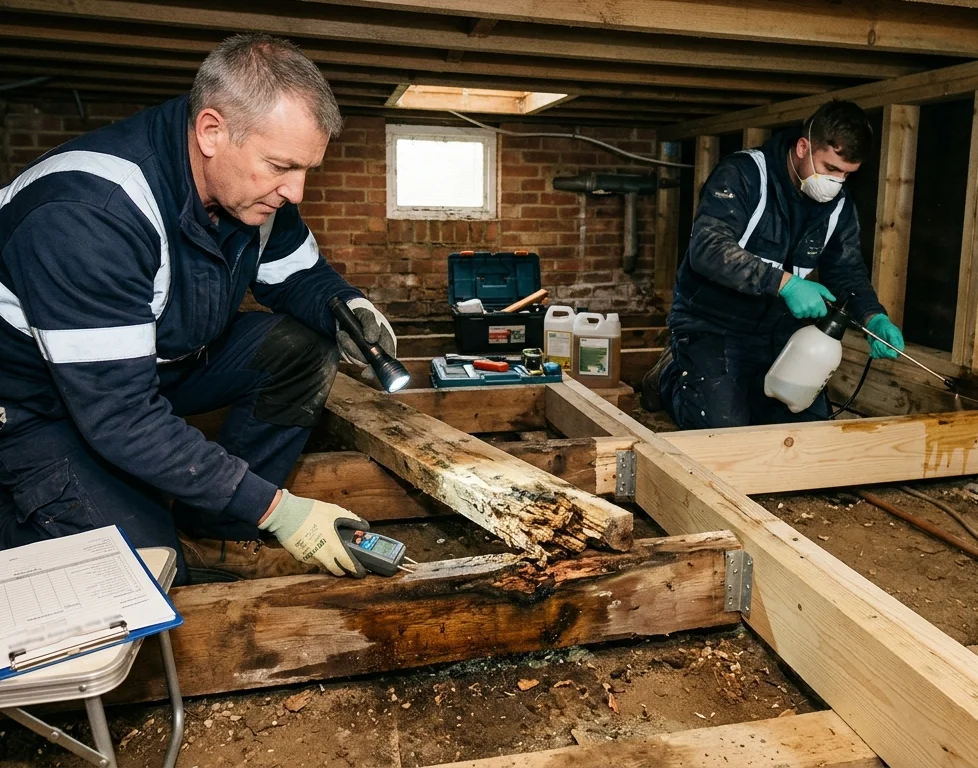
A good survey is structured and evidence based rather than a quick look at one wall. For a typical home, you should expect:
- Walkthrough of affected and nearby rooms
The inspector should look beyond the obvious damp patch to see how the rest of the property behaves. - Moisture readings at different heights and locations
This helps distinguish between surface condensation, rising damp and penetrating damp. - Checks to skirtings and accessible timbers
Soft or decayed timber can indicate a longer term problem that needs more than cosmetic treatment. - External inspection
Gutters, downpipes, brickwork, ground levels and air bricks should all be checked for defects. - Clear explanation in plain language
You should come away knowing what is happening and why, not just with a list of products.
When comparing damp proof companies st albans, look for those that describe this kind of process rather than focusing purely on selling a particular system.
How can you tell if recommendations are tailored or generic?
After the survey, you should receive advice that clearly links causes to solutions. Signs that recommendations are genuinely tailored include:
- Specific references to your property type and layout
- Clear explanation of which rooms or walls are affected
- Distinction between different damp mechanisms in different areas
- Options that take account of your budget and future plans
By contrast, be cautious if you see the same treatment recommended for every wall regardless of what was found, or if the explanation seems vague. A careful damp proofing specialist will always explain why a particular method has been chosen and what it aims to achieve.
What best describes you?

Homeowner

Tenant

Management/Lettings Agent

Potential Buyer

Other
It just takes 60 Second
And then you can book a free consultation
What should be in a damp proofing quote?
Once the survey is complete, you will often receive one or more written proposals. To compare them fairly, you need a level of detail that goes beyond a single lump sum.
A helpful quotation usually sets out:
| Section | What It Should Cover |
| Areas included | Rooms, walls and floors to be treated |
| Type of work | Rising damp treatment, tanking, waterproofing, ventilation |
| Preparation and making good | Plaster removal, replastering, skirting replacement |
| Dealing with causes | Ground level changes, gutter repairs, ventilation upgrades |
| Timescales and access | Duration, room by room plan, access requirements |
| Guarantees and documentation | What is covered, for how long and any conditions |
If you are comparing several damp proof companies st albans, this structure makes it much easier to see who is addressing the real issues and who may be skipping important steps.
If you would like help understanding a damp report or quote you have already received, you can speak to Anke Damp Proofing for clear, independent guidance on the options available.
How do you judge experience and reliability?
Technical details are important, but so are the people you will be working with. When you are choosing a damp proofing specialist, it can help to consider:
- Local knowledge
Experience with similar homes and ground conditions in and around St Albans. - Clarity of communication
Willingness to answer questions and explain things without jargon. - Professionalism on site
Turning up on time, respecting your home, and keeping disruption under control. - Aftercare and support
Openness about guarantees, drying times and what to do if you have concerns later.
Reviews and recommendations are useful, but your own impression of how well a company listens and explains things is just as important.
What questions should you ask about disruption and timescales?
Damp proofing and associated works can be dusty, noisy and intrusive, so it is important to know what to expect.
Practical questions include:
- How long will the work take from start to finish
- Will I need to move furniture or floor coverings in advance
- Which rooms will be affected and in what order
- What protection do you use for floors and routes through the home
- How long before I can redecorate treated areas
A good contractor will answer these clearly and may provide a short written schedule so you can plan around the work with minimal stress.
Example: choosing a specialist for a St Albans semi
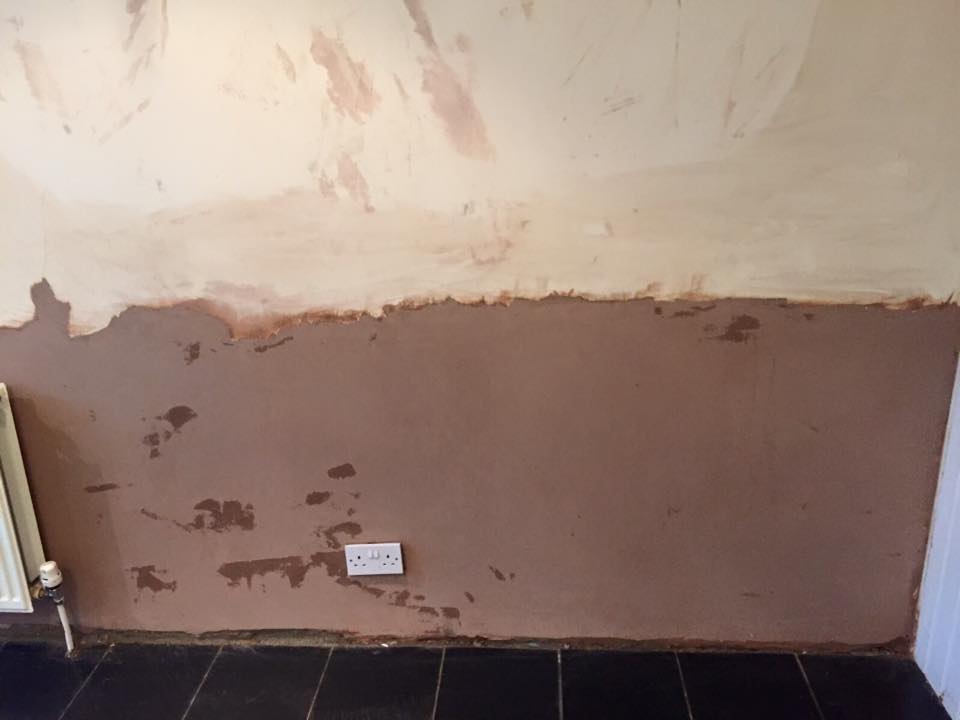
A couple in St Albans noticed damp patches and peeling paint along the bottom of their front room wall. Unsure who to trust, they contacted several firms.
They eventually chose a company that:
- Spent time explaining the difference between condensation, rising and penetrating damp
- Carried out moisture readings and external checks before making recommendations
- Provided a written report with photos and a breakdown of proposed works
- Explained the sequence of plaster removal, treatment and replastering, including drying times
Because they had clear information at every stage, the couple felt confident in their decision and understood how the chosen work would protect their home for the future.
Related articles

What best describes you?
Homeowner
Tenant
Management/Lettings Agent
Potential Buyer
Other
Damp Proofing at a Glance: Quick FAQs and Insights
If you are ready to speak to a trusted damp proofing specialist and want clear, practical answers to your questions, you can contact Anke Damp Proofing to arrange a survey and tailored recommendations for your St Albans home.
Hiring a Damp Proofing Specialist in St Albans: What Should You Ask?
Noticing damp patches, flaking paint or a musty smell in your home can feel worrying, especially if you are unsure how serious the problem might be. The natural next step is to look for professional help, but once you start searching you will quickly find a long list of options and conflicting opinions.
Choosing the right damp proofing specialist is not just about who can start first or who offers the lowest price. You need someone who will find the real cause of the problem, explain it clearly and recommend a sensible, long term solution for your St Albans property.
This guide walks you through the key questions to ask, what to expect from a proper survey, how to compare proposals and the signs that a company is focused on quality rather than quick fixes.
If you have already spotted signs of damp and want clear, expert advice, you can contact Anke Damp Proofing to arrange a structured survey of your St Albans home.
What should you ask before booking a damp survey?
Before anyone visits your home, a short conversation can tell you a lot about how they work. Useful questions include:
- Do you provide a written report or just a verbal summary
- What will you be looking at during the survey
- How long will the inspection take for a property like mine
- Is there a charge for the survey and what does it cover
You are trying to understand whether you will receive a thoughtful assessment or a quick visit that jumps straight to quoting. A thorough approach at this stage is often the sign of a reliable damp proofing specialist who values diagnosis as much as treatment.
What should a proper damp survey in St Albans include?
A good survey is structured and evidence based rather than a quick look at one wall. For a typical home, you should expect:
- Walkthrough of affected and nearby rooms
The inspector should look beyond the obvious damp patch to see how the rest of the property behaves. - Moisture readings at different heights and locations
This helps distinguish between surface condensation, rising damp and penetrating damp. - Checks to skirtings and accessible timbers
Soft or decayed timber can indicate a longer term problem that needs more than cosmetic treatment. - External inspection
Gutters, downpipes, brickwork, ground levels and air bricks should all be checked for defects. - Clear explanation in plain language
You should come away knowing what is happening and why, not just with a list of products.
When comparing damp proof companies st albans, look for those that describe this kind of process rather than focusing purely on selling a particular system.
How can you tell if recommendations are tailored or generic?
After the survey, you should receive advice that clearly links causes to solutions. Signs that recommendations are genuinely tailored include:
- Specific references to your property type and layout
- Clear explanation of which rooms or walls are affected
- Distinction between different damp mechanisms in different areas
- Options that take account of your budget and future plans
By contrast, be cautious if you see the same treatment recommended for every wall regardless of what was found, or if the explanation seems vague. A careful damp proofing specialist will always explain why a particular method has been chosen and what it aims to achieve.
What best describes you?
Homeowner
Tenant
Management/Lettings Agent
Potential Buyer
Other
It just takes 60 Second
And then you can book a free consultation
What should be in a damp proofing quote?
Once the survey is complete, you will often receive one or more written proposals. To compare them fairly, you need a level of detail that goes beyond a single lump sum.
A helpful quotation usually sets out:
| Section | What It Should Cover |
| Areas included | Rooms, walls and floors to be treated |
| Type of work | Rising damp treatment, tanking, waterproofing, ventilation |
| Preparation and making good | Plaster removal, replastering, skirting replacement |
| Dealing with causes | Ground level changes, gutter repairs, ventilation upgrades |
| Timescales and access | Duration, room by room plan, access requirements |
| Guarantees and documentation | What is covered, for how long and any conditions |
If you are comparing several damp proof companies st albans, this structure makes it much easier to see who is addressing the real issues and who may be skipping important steps.
If you would like help understanding a damp report or quote you have already received, you can speak to Anke Damp Proofing for clear, independent guidance on the options available.
How do you judge experience and reliability?
Technical details are important, but so are the people you will be working with. When you are choosing a damp proofing specialist, it can help to consider:
- Local knowledge
Experience with similar homes and ground conditions in and around St Albans. - Clarity of communication
Willingness to answer questions and explain things without jargon. - Professionalism on site
Turning up on time, respecting your home, and keeping disruption under control. - Aftercare and support
Openness about guarantees, drying times and what to do if you have concerns later.
Reviews and recommendations are useful, but your own impression of how well a company listens and explains things is just as important.
What questions should you ask about disruption and timescales?
Damp proofing and associated works can be dusty, noisy and intrusive, so it is important to know what to expect.
Practical questions include:
- How long will the work take from start to finish
- Will I need to move furniture or floor coverings in advance
- Which rooms will be affected and in what order
- What protection do you use for floors and routes through the home
- How long before I can redecorate treated areas
A good contractor will answer these clearly and may provide a short written schedule so you can plan around the work with minimal stress.
Example: choosing a specialist for a St Albans semi
A couple in St Albans noticed damp patches and peeling paint along the bottom of their front room wall. Unsure who to trust, they contacted several firms.
They eventually chose a company that:
- Spent time explaining the difference between condensation, rising and penetrating damp
- Carried out moisture readings and external checks before making recommendations
- Provided a written report with photos and a breakdown of proposed works
- Explained the sequence of plaster removal, treatment and replastering, including drying times
Because they had clear information at every stage, the couple felt confident in their decision and understood how the chosen work would protect their home for the future.
Related articles
What best describes you?
Homeowner
Tenant
Management/Lettings Agent
Potential Buyer