
Comparing Damp Proofing and Structural Waterproofing Services in Watford & St Albans
Comparing Damp Proofing and Structural Waterproofing Services in Watford & St Albans Water damage can compromise your property’s structure, cause…

Why you can trust our content

Watford & St Albans: Damp Proofing vs Structural Waterproofing
Comparing Damp Proofing and Structural Waterproofing Services in Watford & St Albans
Water damage can compromise your property’s structure, cause timber rot, and lead to costly repairs. For homeowners and businesses in Watford and St Albans, choosing the right solution is essential. Understanding the differences between damp proofing services near me and structural waterproofing helps you make informed decisions for long-term property protection.
This guide compares damp proofing and structural waterproofing, highlights the services provided by local experts, and provides tips on selecting the right professional for your property.
What Is Damp Proofing?
Damp proofing is the process of preventing and treating moisture issues in walls, floors, and ceilings. It primarily targets problems like rising damp, penetrating damp, and condensation, which can cause structural damage and poor indoor air quality.
Common Damp Proofing Solutions:
- Chemical Damp Proof Courses (DPC): Injection of chemicals into walls to stop moisture rising from the ground
- Waterproof Membranes: Surface or wall applications to prevent water ingress
- Condensation Control: Improving ventilation and airflow to reduce moisture build-up
- Timber Treatment: Addressing wet rot or dry rot in affected wood
Damp proofing is ideal for minor to moderate moisture problems and properties where structural integrity is not yet compromised.
What Is Structural Waterproofing?
Structural waterproofing goes beyond surface treatments and protects the entire building structure. It is designed to prevent water ingress from the ground, rainfall, or surrounding soil and is often applied to basements, foundations, or properties prone to flooding.
Structural Waterproofing Solutions Include:
- Tanking Systems: Waterproof membranes applied to walls and floors
- Cavity Drain Systems: Diverts water away from the property
- Integral Waterproofing: Incorporating waterproof additives into concrete or masonry
- Chemical Barriers: Injected into foundations or walls to stop rising damp
Structural waterproofing is a long-term solution for severe moisture issues or properties with recurring water problems.
Key Differences Between Damp Proofing and Structural Waterproofing
Understanding the distinctions ensures you select the right approach:
| Feature | Damp Proofing | Structural Waterproofing |
| Purpose | Treats surface moisture issues | Prevents water from affecting the structure |
| Application | Walls, ceilings, floors | Foundations, basements, entire building structure |
| Complexity | Generally simpler and less invasive | Requires skilled professionals and specialist materials |
| Cost | Lower cost for minor damp | Higher cost due to materials, labour, and scope |
| Longevity | Medium-term protection | Long-term, comprehensive solution |
Why You May Need Damp Proofing Services
Damp proofing is suitable when you notice:
- Rising damp affecting lower walls
- Peeling paint or plaster
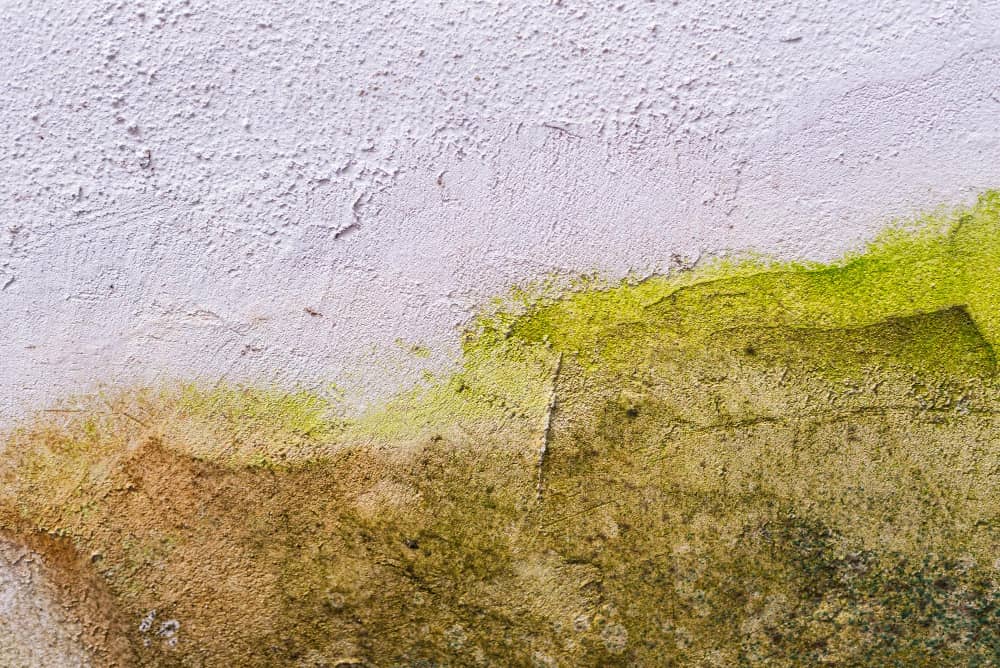
- Mould or mildew growth
- Musty odours in certain rooms
- Localised water ingress
Professional treatment ensures the cause is addressed, preventing repeated damp issues.
When to Consider Structural Waterproofing
Structural waterproofing is recommended if:
- Your property has a basement or cellar prone to flooding
- Water ingress is severe or persistent
- You notice structural damage or timber rot
- Damp problems have recurred despite previous treatments
Hiring local wet rot experts Watford ensures that timber affected by moisture is treated properly, preventing structural compromise.
What best describes you?

Homeowner

Tenant

Management/Lettings Agent

Potential Buyer

Other
It just takes 60 Second
And then you can book a free consultation
Benefits of Hiring Local Damp Proofing and Waterproofing Experts
Working with local specialists offers advantages:
- Knowledge of Local Properties: Understanding common construction types and moisture issues in Watford and St Albans
- Rapid Response: Quick inspections and treatments for urgent damp problems
- Tailored Solutions: Treatments customised to property type and severity of water ingress
- Follow-Up Support: Long-term maintenance advice and inspection services
- Trusted Reputation: Local reviews and references provide confidence in service quality
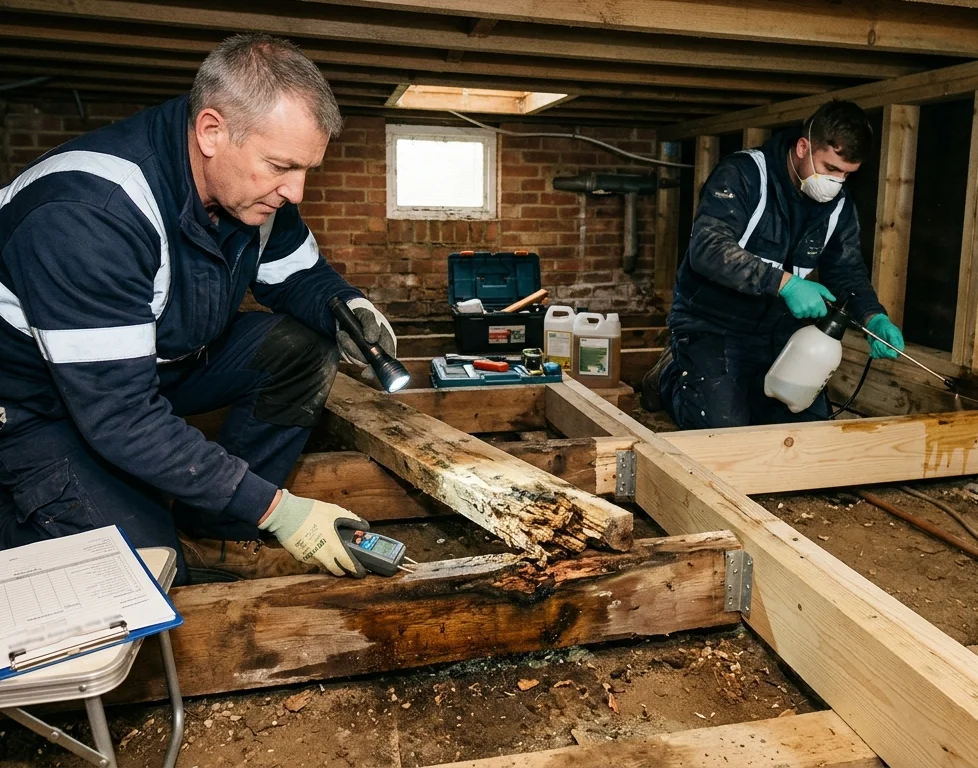
What to Expect During a Damp Proofing or Waterproofing Survey
A thorough survey ensures accurate diagnosis and effective treatment. Typical steps include:
- Initial Assessment
- Visual inspection of walls, floors, ceilings, and timber
- Identifying sources of moisture or water ingress
- Visual inspection of walls, floors, ceilings, and timber
- Moisture Testing
- Using moisture meters to measure levels in affected areas
- Identifying rising damp, penetrating damp, or condensation
- Using moisture meters to measure levels in affected areas
- Timber Inspection
- Checking for wet rot or dry rot
- Assessing the extent of structural damage
- Checking for wet rot or dry rot
- Report and Recommendations
- Detailed report of findings
- Recommended treatment options
- Transparent cost estimate
- Detailed report of findings
Typical Costs for Damp Proofing and Structural Waterproofing
Costs vary depending on property size, severity of damp, and treatment method:
| Service | Average Cost (UK) | Notes |
| Minor Damp Proofing | £400 – £1,000 | Single rooms or small walls |
| Full Damp Proofing | £1,000 – £3,500 | Multiple walls and floors |
| Structural Waterproofing | £3,000 – £15,000 | Basements, foundations, severe water ingress |
| Rot Treatment | £500 – £5,000 | Wet or dry rot timber repair |
Obtaining multiple quotes from damp proofing services near me ensures accurate budgeting and transparency.
Choosing Between Damp Proofing and Structural Waterproofing
Ask yourself the following questions:
- How severe is the water damage?
- Is the damp recurring despite previous treatments?
- Does the property have structural issues or timber rot?
- What is the long-term goal – temporary fix or permanent protection?
A qualified specialist will assess your property and recommend the most suitable solution.
DIY vs Professional Treatment
DIY solutions may temporarily address minor surface damp, but professional services are necessary for:
- Accurate diagnosis of water ingress
- Effective and safe application of chemical or membrane treatments
- Prevention of recurring damp
- Protection of structural integrity and timber
- Compliance with UK building regulations
Professional treatment offers peace of mind and long-term property protection.
Preventive Measures After Treatment
Even after professional damp proofing or waterproofing:
- Maintain gutters, downpipes, and roof drainage
- Ensure adequate ventilation in bathrooms, kitchens, and lofts
- Monitor walls and timber for signs of recurring damp
- Schedule routine inspections by a local expert
- Seal external cracks and maintain proper drainage around the property
Preventive maintenance maximises the longevity of your investment.
Why Choose Anke Damp Proofing
Anke Damp Proofing is a trusted provider of both damp proofing and structural waterproofing services in Watford and St Albans. Advantages include:
- Professional inspections and detailed surveys
- Expertise in rising damp, penetrating damp, condensation, and timber rot
- Tailored solutions for homes and commercial properties
- Transparent quotes with no hidden charges
- Long-term maintenance advice and follow-up inspections
Choosing local experts ensures timely, effective treatment and long-term property protection.
Related articles

What best describes you?
Homeowner
Tenant
Management/Lettings Agent
Potential Buyer
Other
Watford & St Albans: Damp Proofing vs Structural Waterproofing
Comparing Damp Proofing and Structural Waterproofing Services in Watford & St Albans
Water damage can compromise your property’s structure, cause timber rot, and lead to costly repairs. For homeowners and businesses in Watford and St Albans, choosing the right solution is essential. Understanding the differences between damp proofing services near me and structural waterproofing helps you make informed decisions for long-term property protection.
This guide compares damp proofing and structural waterproofing, highlights the services provided by local experts, and provides tips on selecting the right professional for your property.
What Is Damp Proofing?
Damp proofing is the process of preventing and treating moisture issues in walls, floors, and ceilings. It primarily targets problems like rising damp, penetrating damp, and condensation, which can cause structural damage and poor indoor air quality.
Common Damp Proofing Solutions:
- Chemical Damp Proof Courses (DPC): Injection of chemicals into walls to stop moisture rising from the ground
- Waterproof Membranes: Surface or wall applications to prevent water ingress
- Condensation Control: Improving ventilation and airflow to reduce moisture build-up
- Timber Treatment: Addressing wet rot or dry rot in affected wood
Damp proofing is ideal for minor to moderate moisture problems and properties where structural integrity is not yet compromised.
What Is Structural Waterproofing?
Structural waterproofing goes beyond surface treatments and protects the entire building structure. It is designed to prevent water ingress from the ground, rainfall, or surrounding soil and is often applied to basements, foundations, or properties prone to flooding.
Structural Waterproofing Solutions Include:
- Tanking Systems: Waterproof membranes applied to walls and floors
- Cavity Drain Systems: Diverts water away from the property
- Integral Waterproofing: Incorporating waterproof additives into concrete or masonry
- Chemical Barriers: Injected into foundations or walls to stop rising damp
Structural waterproofing is a long-term solution for severe moisture issues or properties with recurring water problems.
Key Differences Between Damp Proofing and Structural Waterproofing
Understanding the distinctions ensures you select the right approach:
| Feature | Damp Proofing | Structural Waterproofing |
| Purpose | Treats surface moisture issues | Prevents water from affecting the structure |
| Application | Walls, ceilings, floors | Foundations, basements, entire building structure |
| Complexity | Generally simpler and less invasive | Requires skilled professionals and specialist materials |
| Cost | Lower cost for minor damp | Higher cost due to materials, labour, and scope |
| Longevity | Medium-term protection | Long-term, comprehensive solution |
Why You May Need Damp Proofing Services
Damp proofing is suitable when you notice:
- Rising damp affecting lower walls
- Peeling paint or plaster
- Mould or mildew growth
- Musty odours in certain rooms
- Localised water ingress
Professional treatment ensures the cause is addressed, preventing repeated damp issues.
When to Consider Structural Waterproofing
Structural waterproofing is recommended if:
- Your property has a basement or cellar prone to flooding
- Water ingress is severe or persistent
- You notice structural damage or timber rot
- Damp problems have recurred despite previous treatments
Hiring local wet rot experts Watford ensures that timber affected by moisture is treated properly, preventing structural compromise.
What best describes you?
Homeowner
Tenant
Management/Lettings Agent
Potential Buyer
Other
It just takes 60 Second
And then you can book a free consultation
Benefits of Hiring Local Damp Proofing and Waterproofing Experts
- Knowledge of Local Properties: Understanding common construction types and moisture issues in Watford and St Albans
- Rapid Response: Quick inspections and treatments for urgent damp problems
- Tailored Solutions: Treatments customised to property type and severity of water ingress
- Follow-Up Support: Long-term maintenance advice and inspection services
- Trusted Reputation: Local reviews and references provide confidence in service quality
What to Expect During a Damp Proofing or Waterproofing Survey
A thorough survey ensures accurate diagnosis and effective treatment. Typical steps include:
- Initial Assessment
- Visual inspection of walls, floors, ceilings, and timber
- Identifying sources of moisture or water ingress
- Visual inspection of walls, floors, ceilings, and timber
- Moisture Testing
- Using moisture meters to measure levels in affected areas
- Identifying rising damp, penetrating damp, or condensation
- Using moisture meters to measure levels in affected areas
- Timber Inspection
- Checking for wet rot or dry rot
- Assessing the extent of structural damage
- Checking for wet rot or dry rot
- Report and Recommendations
- Detailed report of findings
- Recommended treatment options
- Transparent cost estimate
- Detailed report of findings
Typical Costs for Damp Proofing and Structural Waterproofing
Costs vary depending on property size, severity of damp, and treatment method:
| Service | Average Cost (UK) | Notes |
| Minor Damp Proofing | £400 – £1,000 | Single rooms or small walls |
| Full Damp Proofing | £1,000 – £3,500 | Multiple walls and floors |
| Structural Waterproofing | £3,000 – £15,000 | Basements, foundations, severe water ingress |
| Rot Treatment | £500 – £5,000 | Wet or dry rot timber repair |
Obtaining multiple quotes from damp proofing services near me ensures accurate budgeting and transparency.
Choosing Between Damp Proofing and Structural Waterproofing
Ask yourself the following questions:
- How severe is the water damage?
- Is the damp recurring despite previous treatments?
- Does the property have structural issues or timber rot?
- What is the long-term goal – temporary fix or permanent protection?
A qualified specialist will assess your property and recommend the most suitable solution.
DIY vs Professional Treatment
DIY solutions may temporarily address minor surface damp, but professional services are necessary for:
- Accurate diagnosis of water ingress
- Effective and safe application of chemical or membrane treatments
- Prevention of recurring damp
- Protection of structural integrity and timber
- Compliance with UK building regulations
Professional treatment offers peace of mind and long-term property protection.
Preventive Measures After Treatment
Even after professional damp proofing or waterproofing:
- Maintain gutters, downpipes, and roof drainage
- Ensure adequate ventilation in bathrooms, kitchens, and lofts
- Monitor walls and timber for signs of recurring damp
- Schedule routine inspections by a local expert
- Seal external cracks and maintain proper drainage around the property
Preventive maintenance maximises the longevity of your investment.
Why Choose Anke Damp Proofing
Anke Damp Proofing is a trusted provider of both damp proofing and structural waterproofing services in Watford and St Albans. Advantages include:
- Professional inspections and detailed surveys
- Expertise in rising damp, penetrating damp, condensation, and timber rot
- Tailored solutions for homes and commercial properties
- Transparent quotes with no hidden charges
- Long-term maintenance advice and follow-up inspections
Choosing local experts ensures timely, effective treatment and long-term property protection.
Related articles
What best describes you?
Homeowner
Tenant
Management/Lettings Agent
Potential Buyer