
Damp Proofing in London: A Complete Guide for 2025
Damp issues are a common problem in London properties, affecting both older homes and modern constructions. If left untreated, damp…

Why you can trust our content
At a glance
Damp issues are a common problem in London properties, affecting both older homes and modern constructions. If left untreated, damp can lead to structural damage, health risks, and reduced property value. Understanding the causes, signs, and treatment options is crucial for homeowners and landlords alike. In this complete 2025 guide, we explore everything you need to know about damp proofing in London, from identifying early warning signs to choosing professional installation services.
1. What is Damp Proofing?
Damp proofing is a process used to prevent moisture from penetrating walls, floors, and ceilings. In the UK, damp is typically classified into three categories:
- Rising Damp: Moisture rises from the ground through walls due to a failed or absent damp-proof course.
- Penetrating Damp: Water enters through the building exterior, usually due to poor brickwork, cracked render, or leaking gutters.
- Condensation Damp: Excess moisture in the air settles on cold surfaces, often seen in kitchens, bathrooms, or poorly ventilated rooms.
Effective damp proofing involves identifying the type of damp and applying the appropriate solution, which can include chemical injections, tanking, or ventilation improvements.
2. Common Causes of Damp in London Homes
Several factors contribute to damp problems in London properties:
- Old Building Materials: Many older London homes lack modern damp-proofing technology.
- High Rainfall and Humidity: London experiences frequent rainfall, and urban areas can trap moisture.
- Faulty Plumbing: Leaks in pipes, radiators, or roofs are a common source of penetrating damp.
- Poor Ventilation: Condensation builds up when homes lack sufficient airflow, particularly in bathrooms and kitchens.
- Structural Damage: Cracks, gaps, or deteriorated brickwork can allow moisture penetration.
Understanding the root cause is essential to choose the correct treatment method.
3. Signs Your Home Needs Damp Proofing
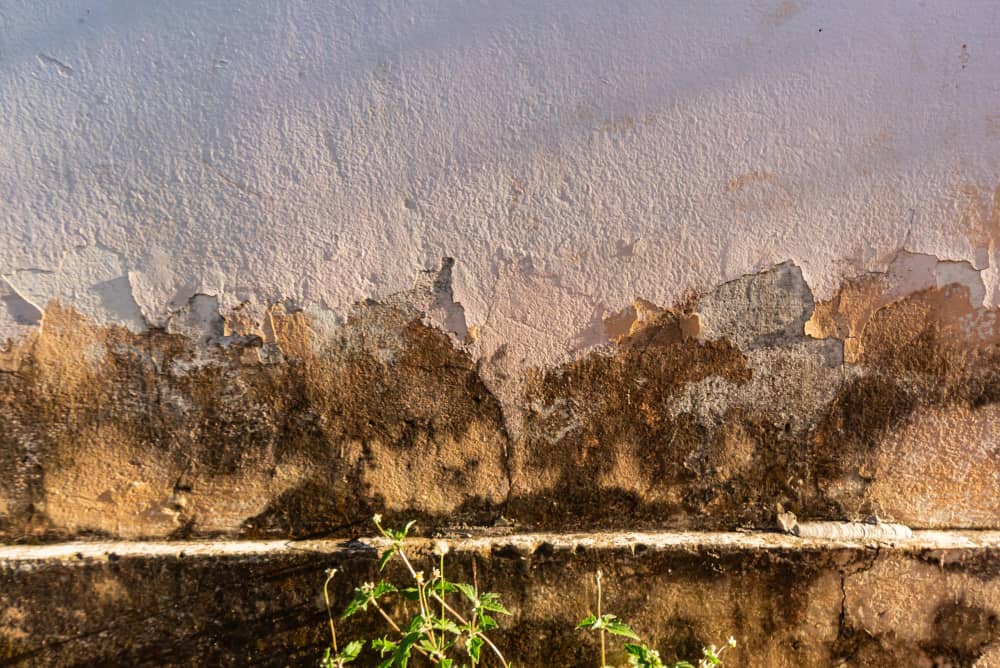
Early identification of damp can save significant repair costs. Common signs include:
- Peeling wallpaper or paint
- Musty odours
- Black mould growth
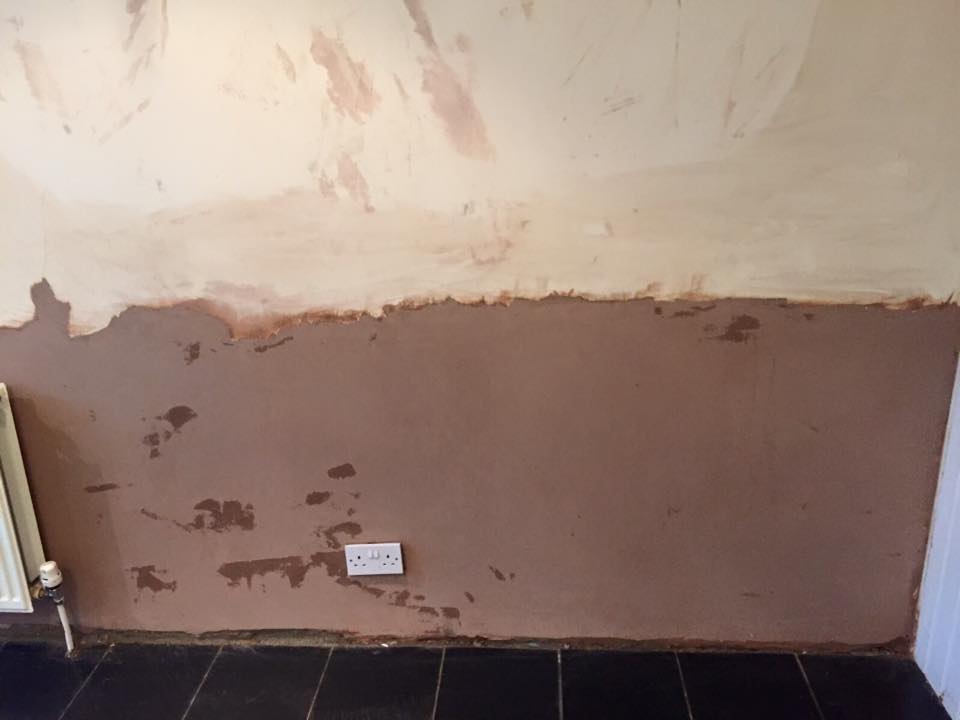
- Damp patches on walls or ceilings
- Crumbling plaster
- Rusted or corroded metal fittings
If you notice any of these symptoms, contacting a professional damp proofing service in London is recommended.
4. Damp Proofing Methods in London
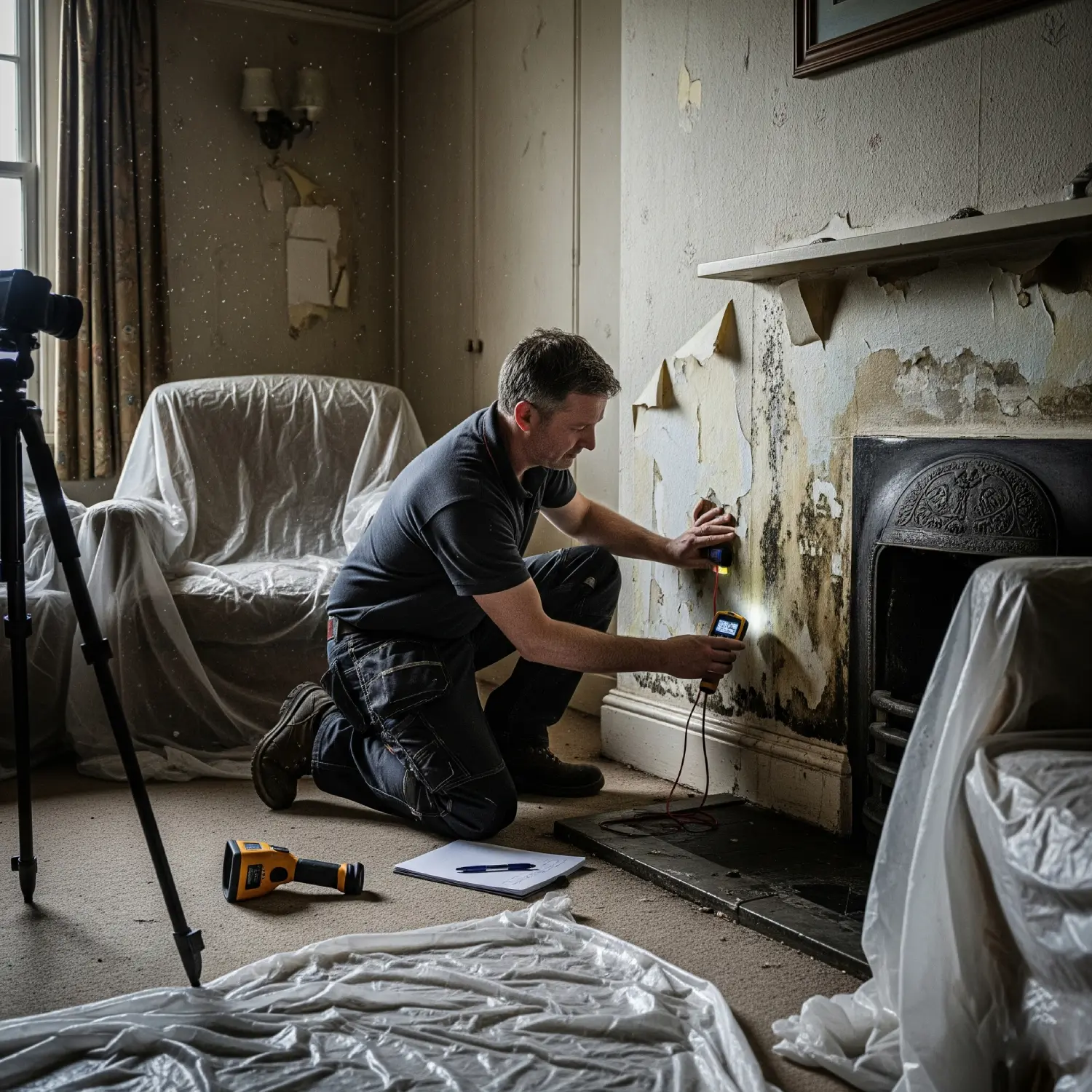
Professionals offer a variety of methods depending on the type and severity of damp:
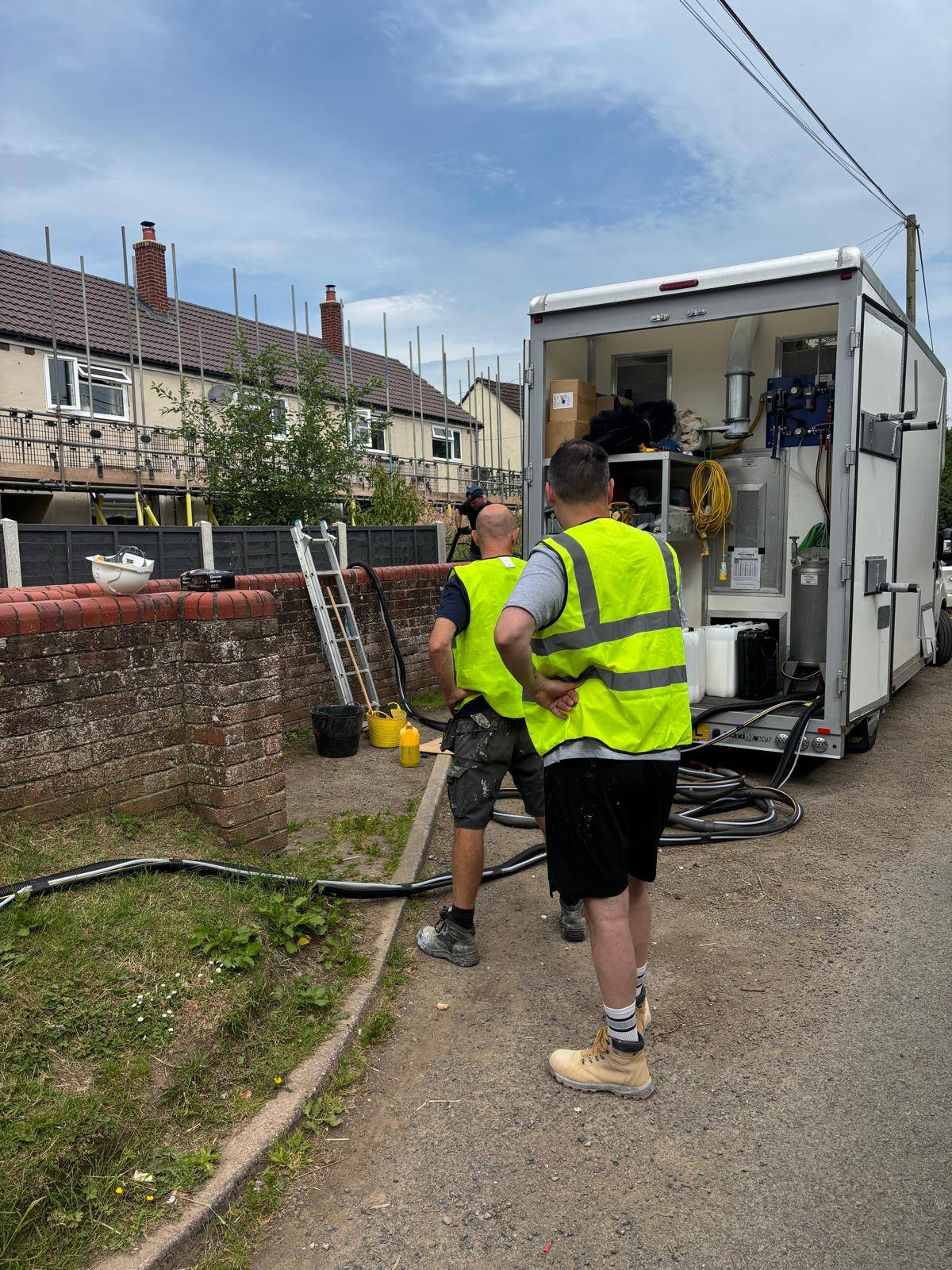
- Chemical Damp Proof Courses (DPC): Injected into walls to prevent rising damp.
- Tanking: Waterproof coating applied to walls or floors to block moisture.
- Cavity Wall Injection: Filling cavity walls with water-repellent solutions.
- Improved Ventilation: Installation of vents or extractor fans to reduce condensation.
- Damp-Proof Membranes: Barrier layers under floors to prevent rising moisture.
- External Repairs: Fixing leaking gutters, roofs, and cracks to prevent penetrating damp.
Choosing the right method requires a professional survey to ensure long-term effectiveness.
5. Costs of Damp Proofing in London
Costs vary depending on property size, type of damp, and treatment method:
- Chemical DPC Injection: £30–£50 per linear metre
- Tanking: £100–£200 per square metre
- Cavity Wall Injection: £15–£25 per square metre
- Ventilation Improvements: £200–£600 depending on system
- External Repairs: £150–£1,000+ depending on damage
Investing in professional damp proofing can prevent costly structural damage and health risks.
What best describes you?

Homeowner

Tenant

Management/Lettings Agent

Potential Buyer

Other
It just takes 60 Second
And then you can book a free consultation
6. Choosing a Damp Proofing Company in London
When selecting a service provider, consider the following:
- Experience and Expertise: Look for companies with a proven track record in London.
- Certifications: Ensure engineers are certified in damp proofing and follow UK building standards.
- Transparent Pricing: Avoid hidden costs and request detailed quotes.
- Warranty: Reputable companies offer warranties on materials and workmanship.
- Customer Reviews: Check reviews and testimonials to assess reliability and service quality.
Anke Damp Proofing has over 15 years of experience providing professional damp solutions across London, ensuring lasting results and customer satisfaction.
7. Health and Property Benefits of Damp Proofing
Proper damp treatment offers several benefits:
- Prevents Structural Damage: Stops walls, floors, and ceilings from decaying.
- Improves Indoor Air Quality: Reduces mould growth and associated respiratory issues.
- Increases Property Value: Homes with damp issues may lose market value.
- Energy Efficiency: Dry walls retain heat better, reducing heating costs.
- Peace of Mind: Professional damp proofing ensures long-term protection.
8. Maintenance Tips to Prevent Damp
Even after treatment, ongoing maintenance is vital:
- Regularly inspect gutters and downpipes
- Keep ventilation systems clean and operational
- Use dehumidifiers in high-humidity areas
- Repaint with anti-condensation or breathable paint
- Fix minor leaks promptly
Proactive maintenance extends the lifespan of damp proofing treatments and keeps your home safe.
9. Common Misconceptions About Damp Proofing
- “Only old homes get damp” – Modern homes can also experience damp due to poor construction or ventilation.
- “DIY is enough” – Professional surveys ensure accurate diagnosis and effective treatment.
- “Damp proofing is a one-time fix” – Some properties require periodic inspections and maintenance.
Choosing a certified London-based company like Anke Damp Proofing ensures reliable solutions.
10. How Anke Damp Proofing Can Help in London
Anke Damp Proofing provides:
- Comprehensive surveys to identify damp causes
- Tailored solutions using the latest UK-approved materials
- Certified engineers with years of local experience
- Transparent pricing and clear warranties
- Emergency call-outs for urgent issues
With our expertise, London homeowners can protect their property and improve indoor living conditions.
Related articles
What best describes you?
Homeowner
Tenant
Management/Lettings Agent
Potential Buyer
Other
At a glance
Damp issues are a common problem in London properties, affecting both older homes and modern constructions. If left untreated, damp can lead to structural damage, health risks, and reduced property value. Understanding the causes, signs, and treatment options is crucial for homeowners and landlords alike. In this complete 2025 guide, we explore everything you need to know about damp proofing in London, from identifying early warning signs to choosing professional installation services.
1. What is Damp Proofing?
Damp proofing is a process used to prevent moisture from penetrating walls, floors, and ceilings. In the UK, damp is typically classified into three categories:
- Rising Damp: Moisture rises from the ground through walls due to a failed or absent damp-proof course.
- Penetrating Damp: Water enters through the building exterior, usually due to poor brickwork, cracked render, or leaking gutters.
- Condensation Damp: Excess moisture in the air settles on cold surfaces, often seen in kitchens, bathrooms, or poorly ventilated rooms.
Effective damp proofing involves identifying the type of damp and applying the appropriate solution, which can include chemical injections, tanking, or ventilation improvements.
2. Common Causes of Damp in London Homes
Several factors contribute to damp problems in London properties:
- Old Building Materials: Many older London homes lack modern damp-proofing technology.
- High Rainfall and Humidity: London experiences frequent rainfall, and urban areas can trap moisture.
- Faulty Plumbing: Leaks in pipes, radiators, or roofs are a common source of penetrating damp.
- Poor Ventilation: Condensation builds up when homes lack sufficient airflow, particularly in bathrooms and kitchens.
- Structural Damage: Cracks, gaps, or deteriorated brickwork can allow moisture penetration.
Understanding the root cause is essential to choose the correct treatment method.
3. Signs Your Home Needs Damp Proofing
Early identification of damp can save significant repair costs. Common signs include:
- Peeling wallpaper or paint
- Musty odours
- Black mould growth
- Damp patches on walls or ceilings
- Crumbling plaster
- Rusted or corroded metal fittings
If you notice any of these symptoms, contacting a professional damp proofing service in London is recommended.
4. Damp Proofing Methods in London
Professionals offer a variety of methods depending on the type and severity of damp:
- Chemical Damp Proof Courses (DPC): Injected into walls to prevent rising damp.
- Tanking: Waterproof coating applied to walls or floors to block moisture.
- Cavity Wall Injection: Filling cavity walls with water-repellent solutions.
- Improved Ventilation: Installation of vents or extractor fans to reduce condensation.
- Damp-Proof Membranes: Barrier layers under floors to prevent rising moisture.
- External Repairs: Fixing leaking gutters, roofs, and cracks to prevent penetrating damp.
Choosing the right method requires a professional survey to ensure long-term effectiveness.
5. Costs of Damp Proofing in London
Costs vary depending on property size, type of damp, and treatment method:
- Chemical DPC Injection: £30–£50 per linear metre
- Tanking: £100–£200 per square metre
- Cavity Wall Injection: £15–£25 per square metre
- Ventilation Improvements: £200–£600 depending on system
- External Repairs: £150–£1,000+ depending on damage
Investing in professional damp proofing can prevent costly structural damage and health risks.
What best describes you?
Homeowner
Tenant
Management/Lettings Agent
Potential Buyer
Other
It just takes 60 Second
And then you can book a free consultation
6. Choosing a Damp Proofing Company in London
When selecting a service provider, consider the following:
- Experience and Expertise: Look for companies with a proven track record in London.
- Certifications: Ensure engineers are certified in damp proofing and follow UK building standards.
- Transparent Pricing: Avoid hidden costs and request detailed quotes.
- Warranty: Reputable companies offer warranties on materials and workmanship.
- Customer Reviews: Check reviews and testimonials to assess reliability and service quality.
Anke Damp Proofing has over 15 years of experience providing professional damp solutions across London, ensuring lasting results and customer satisfaction.
7. Health and Property Benefits of Damp Proofing
Proper damp treatment offers several benefits:
- Prevents Structural Damage: Stops walls, floors, and ceilings from decaying.
- Improves Indoor Air Quality: Reduces mould growth and associated respiratory issues.
- Increases Property Value: Homes with damp issues may lose market value.
- Energy Efficiency: Dry walls retain heat better, reducing heating costs.
- Peace of Mind: Professional damp proofing ensures long-term protection.
8. Maintenance Tips to Prevent Damp
Even after treatment, ongoing maintenance is vital:
- Regularly inspect gutters and downpipes
- Keep ventilation systems clean and operational
- Use dehumidifiers in high-humidity areas
- Repaint with anti-condensation or breathable paint
- Fix minor leaks promptly
Proactive maintenance extends the lifespan of damp proofing treatments and keeps your home safe.
9. Common Misconceptions About Damp Proofing
- “Only old homes get damp” – Modern homes can also experience damp due to poor construction or ventilation.
- “DIY is enough” – Professional surveys ensure accurate diagnosis and effective treatment.
- “Damp proofing is a one-time fix” – Some properties require periodic inspections and maintenance.
Choosing a certified London-based company like Anke Damp Proofing ensures reliable solutions.
10. How Anke Damp Proofing Can Help in London
Anke Damp Proofing provides:
- Comprehensive surveys to identify damp causes
- Tailored solutions using the latest UK-approved materials
- Certified engineers with years of local experience
- Transparent pricing and clear warranties
- Emergency call-outs for urgent issues
With our expertise, London homeowners can protect their property and improve indoor living conditions.
Related articles
What best describes you?
Homeowner
Tenant
Management/Lettings Agent
Potential Buyer