The Role of Damp Proofing in Property Value Preservation
If you’ve noticed that your home is difficult to keep warm, or your energy bills seem unusually high, cavity wall…

Why you can trust our content
At a glance
If you’ve noticed that your home is difficult to keep warm, or your energy bills seem unusually high, cavity wall insulation could be the solution you’ve been missing. Homes with uninsulated cavity walls are prone to losing a significant amount of heat—sometimes up to 35%—which means you’re paying more just to stay comfortable.
When it comes to maintaining or increasing the value of a property, homeowners often think about kitchen renovations, loft conversions, or cosmetic upgrades. While these improvements certainly help, one of the most overlooked yet fundamentally important factors is damp proofing.
Damp issues are more than just unpleasant—they can be detrimental to a building’s structure, health of the occupants, and the property’s market value. In this blog, we’ll explore how effective damp proofing protects property investments, why it matters in the housing market, and how ANKE Damp Proofing helps homeowners across the UK maintain the long-term value of their homes.
Understanding Damp and Its Impact
Damp occurs when unwanted moisture makes its way into a property’s structure, typically through rising ground water, penetrating rain, or condensation. The three most common types are:
- Rising damp: Moisture travels upwards from the ground via capillary action through bricks or mortar.
- Penetrating damp: Water enters through external defects like cracked render, faulty gutters, or porous walls.
- Condensation: Caused by excess indoor moisture and poor ventilation, often seen on windows and cold walls.
If left untreated, damp can lead to:
- Structural decay
- Timber rot
- Black mould growth
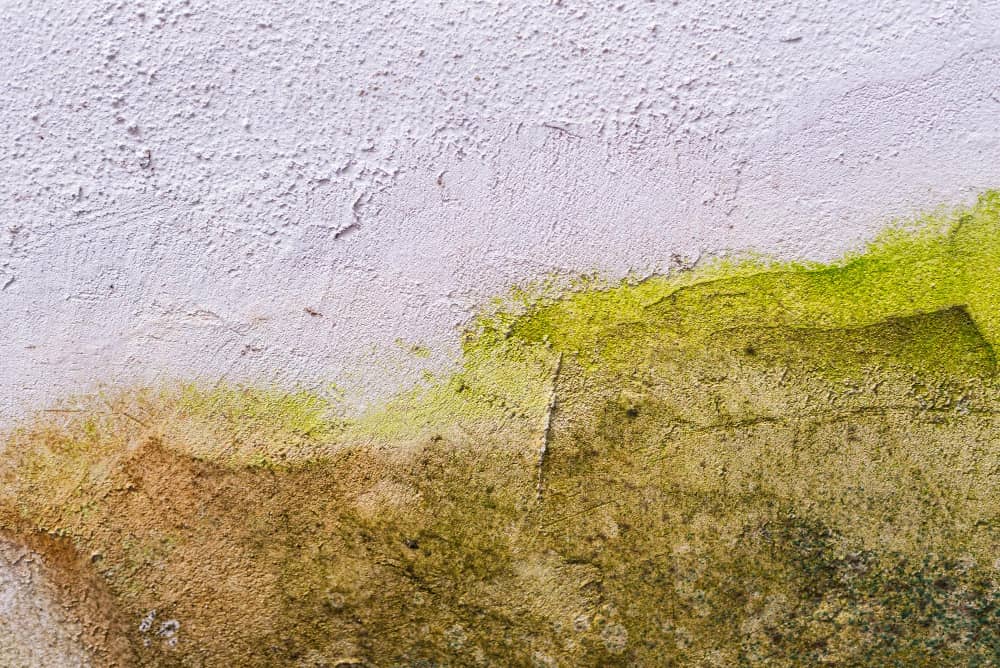
- Peeling paint and plaster damage
- Health problems like respiratory issues and allergies
These problems are not only costly to fix, but they can also dramatically reduce a home’s appeal and market value.
How Damp Affects Property Value
1. Visual Damage and First Impressions
When potential buyers or surveyors visit a property, the first thing they notice is appearance. Staining on walls, peeling wallpaper, or musty smells instantly raise red flags. These signs suggest deeper problems, leading buyers to either walk away or significantly reduce their offer.
2. Surveyor Reports and Mortgage Valuations
During the buying process, a home survey can reveal damp issues. If flagged, mortgage lenders may withhold funding until damp proofing is carried out. This can stall sales or force price negotiations, particularly in competitive markets.
3. Structural Integrity
Long-term damp can compromise wall ties, timber floors, and masonry. Buyers often avoid homes that need structural repair—or expect a substantial price drop to compensate.
4. Health and Legal Risks
If a landlord or seller fails to address serious damp or mould issues, they could face legal action from tenants or potential buyers under UK housing health and safety regulations.
Damp Proofing as a Value-Adding Strategy
Investing in professional damp proofing isn’t just about fixing a problem—it’s about protecting and enhancing your property’s value. Here’s how:
Preserves Building Fabric
Damp proofing treatments like chemical injections, membranes, and external wall coatings stop moisture from degrading structural components, ensuring the building remains solid for decades.
What type of service do you need?
Cavity Wall Insulation

External Wall Insulation System
(Includes Silicone Render)

Silicone Render Only
It just takes 60 Second
And then you can book a free consultation
Prepares Property for Sale
A home that’s recently damp-proofed (with paperwork and guarantees in place) becomes far more appealing to buyers. It offers peace of mind and removes a potential reason to negotiate.
Improves Energy Efficiency
Damp walls conduct heat more quickly than dry ones, increasing energy bills. Damp proofing improves insulation performance, which can in turn raise the property’s EPC (Energy Performance Certificate) rating.
Protects Internal Finishes
Once damp is under control, you can decorate confidently knowing your paint, plaster, and flooring won’t suffer from bubbling, lifting, or staining. This adds to the home’s visual appeal and resale value.
Case Example: A Property Sale Saved by Damp Proofing
A recent ANKE Damp Proofing client in the Midlands was in the final stages of selling their 1930s semi-detached home. However, the buyer’s survey flagged rising damp in the front bay window and hallway. The buyer threatened to pull out unless a solution was found.
Our team responded with:
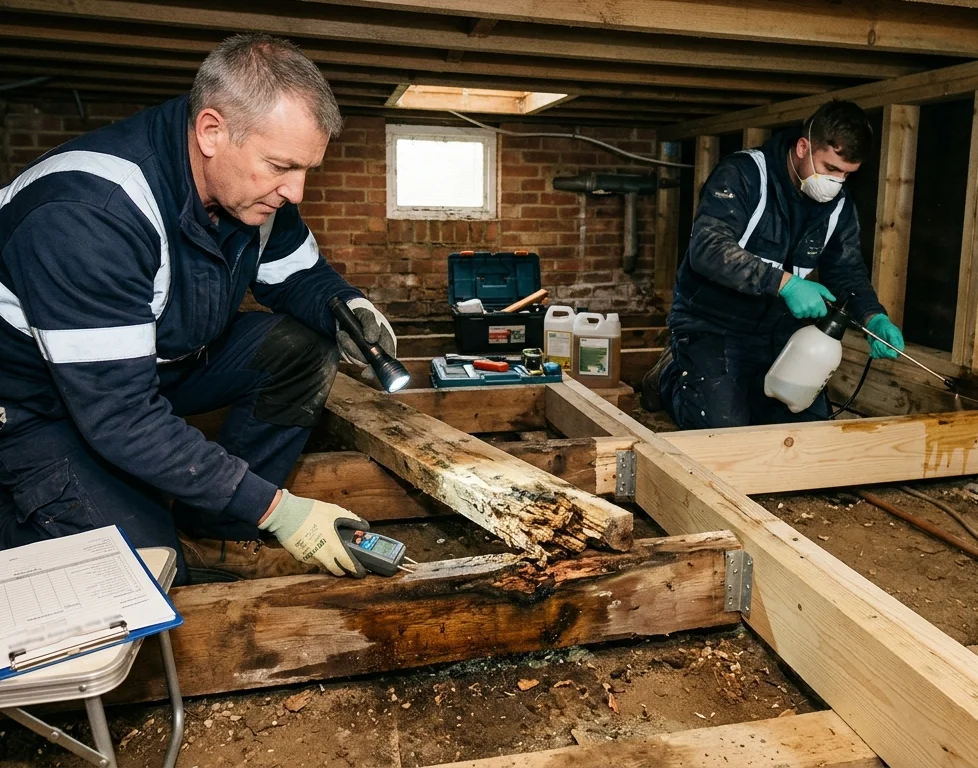
- A thorough damp survey
- Targeted chemical DPC installation
- Internal plastering restoration
- A 20-year guarantee
The result? The sale went ahead, the buyer was reassured, and the property’s value was preserved—saving the seller thousands in potential price reductions.
How ANKE Damp Proofing Helps Protect Property Investments
At ANKE, we offer:
- Comprehensive damp surveys with moisture readings, root cause diagnosis, and detailed reports
- Rising damp treatments using BBA-approved DPC injection systems
- Penetrating damp repairs including external wall coatings, re-rendering, and pointing
- Condensation and ventilation solutions from extractor fan installation to passive vents
- Long-term guarantees giving peace of mind to homeowners and buyers alike
We work with both homeowners and landlords, tailoring our solutions to suit each property and its long-term maintenance goals.
When Should You Get a Damp Survey?
- You’re planning to sell and want to resolve potential issues beforehand
- You’ve noticed signs like peeling wallpaper, tide marks, or mould
- A tenant has reported damp-related health concerns
- You’re buying a home and want a second opinion on flagged issues
- Your energy bills seem unusually high without explanation
ANKE offers professional damp assessments across the UK with fast turnaround and no-obligation quotes.
Conclusion: Damp Proofing Is a Smart Investment
Whether you’re staying put or preparing to sell, damp proofing is one of the smartest investments you can make in your property. It safeguards against costly repairs, boosts buyer confidence, and protects the market value of your biggest asset.
Don’t let hidden moisture eat away at your home’s worth. Contact ANKE Damp Proofing today for expert advice, certified solutions, and lasting protection.
Related articles

What type of service do you need?
Cavity Wall Insulation
External Wall Insulation System
(Includes Silicone Render)
Silicone Render Only
At a glance
If you’ve noticed that your home is difficult to keep warm, or your energy bills seem unusually high, cavity wall insulation could be the solution you’ve been missing. Homes with uninsulated cavity walls are prone to losing a significant amount of heat—sometimes up to 35%—which means you’re paying more just to stay comfortable.
When it comes to maintaining or increasing the value of a property, homeowners often think about kitchen renovations, loft conversions, or cosmetic upgrades. While these improvements certainly help, one of the most overlooked yet fundamentally important factors is damp proofing.
Damp issues are more than just unpleasant—they can be detrimental to a building’s structure, health of the occupants, and the property’s market value. In this blog, we’ll explore how effective damp proofing protects property investments, why it matters in the housing market, and how ANKE Damp Proofing helps homeowners across the UK maintain the long-term value of their homes.
Understanding Damp and Its Impact
Damp occurs when unwanted moisture makes its way into a property’s structure, typically through rising ground water, penetrating rain, or condensation. The three most common types are:
- Rising damp: Moisture travels upwards from the ground via capillary action through bricks or mortar.
- Penetrating damp: Water enters through external defects like cracked render, faulty gutters, or porous walls.
- Condensation: Caused by excess indoor moisture and poor ventilation, often seen on windows and cold walls.
If left untreated, damp can lead to:
- Structural decay
- Timber rot
- Black mould growth
- Peeling paint and plaster damage
- Health problems like respiratory issues and allergies
These problems are not only costly to fix, but they can also dramatically reduce a home’s appeal and market value.
How Damp Affects Property Value
1. Visual Damage and First Impressions
When potential buyers or surveyors visit a property, the first thing they notice is appearance. Staining on walls, peeling wallpaper, or musty smells instantly raise red flags. These signs suggest deeper problems, leading buyers to either walk away or significantly reduce their offer.
2. Surveyor Reports and Mortgage Valuations
During the buying process, a home survey can reveal damp issues. If flagged, mortgage lenders may withhold funding until damp proofing is carried out. This can stall sales or force price negotiations, particularly in competitive markets.
3. Structural Integrity
Long-term damp can compromise wall ties, timber floors, and masonry. Buyers often avoid homes that need structural repair—or expect a substantial price drop to compensate.
4. Health and Legal Risks
If a landlord or seller fails to address serious damp or mould issues, they could face legal action from tenants or potential buyers under UK housing health and safety regulations.
Damp Proofing as a Value-Adding Strategy
Investing in professional damp proofing isn’t just about fixing a problem—it’s about protecting and enhancing your property’s value. Here’s how:
Preserves Building Fabric
Damp proofing treatments like chemical injections, membranes, and external wall coatings stop moisture from degrading structural components, ensuring the building remains solid for decades.
What type of service do you need?
Cavity Wall Insulation
External Wall Insulation System
(Includes Silicone Render)
Silicone Render Only
It just takes 60 Second
And then you can book a free consultation
Prepares Property for Sale
A home that’s recently damp-proofed (with paperwork and guarantees in place) becomes far more appealing to buyers. It offers peace of mind and removes a potential reason to negotiate.
Improves Energy Efficiency
Damp walls conduct heat more quickly than dry ones, increasing energy bills. Damp proofing improves insulation performance, which can in turn raise the property’s EPC (Energy Performance Certificate) rating.
Protects Internal Finishes
Once damp is under control, you can decorate confidently knowing your paint, plaster, and flooring won’t suffer from bubbling, lifting, or staining. This adds to the home’s visual appeal and resale value.
Case Example: A Property Sale Saved by Damp Proofing
A recent ANKE Damp Proofing client in the Midlands was in the final stages of selling their 1930s semi-detached home. However, the buyer’s survey flagged rising damp in the front bay window and hallway. The buyer threatened to pull out unless a solution was found.
Our team responded with:
- A thorough damp survey
- Targeted chemical DPC installation
- Internal plastering restoration
- A 20-year guarantee
The result? The sale went ahead, the buyer was reassured, and the property’s value was preserved—saving the seller thousands in potential price reductions.
How ANKE Damp Proofing Helps Protect Property Investments
At ANKE, we offer:
- Comprehensive damp surveys with moisture readings, root cause diagnosis, and detailed reports
- Rising damp treatments using BBA-approved DPC injection systems
- Penetrating damp repairs including external wall coatings, re-rendering, and pointing
- Condensation and ventilation solutions from extractor fan installation to passive vents
- Long-term guarantees giving peace of mind to homeowners and buyers alike
We work with both homeowners and landlords, tailoring our solutions to suit each property and its long-term maintenance goals.
When Should You Get a Damp Survey?
- You’re planning to sell and want to resolve potential issues beforehand
- You’ve noticed signs like peeling wallpaper, tide marks, or mould
- A tenant has reported damp-related health concerns
- You’re buying a home and want a second opinion on flagged issues
- Your energy bills seem unusually high without explanation
ANKE offers professional damp assessments across the UK with fast turnaround and no-obligation quotes.
Conclusion: Damp Proofing Is a Smart Investment
Whether you’re staying put or preparing to sell, damp proofing is one of the smartest investments you can make in your property. It safeguards against costly repairs, boosts buyer confidence, and protects the market value of your biggest asset.
Don’t let hidden moisture eat away at your home’s worth. Contact ANKE Damp Proofing today for expert advice, certified solutions, and lasting protection.
Related articles
What type of service do you need?
Cavity Wall Insulation
External Wall Insulation System
(Includes Silicone Render)
Silicone Render Only