
Why Choosing Cavity Wall Insulation is a Smart Way to Cut Energy Costs
If you’re looking for a practical and long-lasting way to save on your energy bills, cavity wall insulation should be…

Why you can trust our content

Cavity Wall Insulation Overview: Cut Heat Loss & Heating Costs
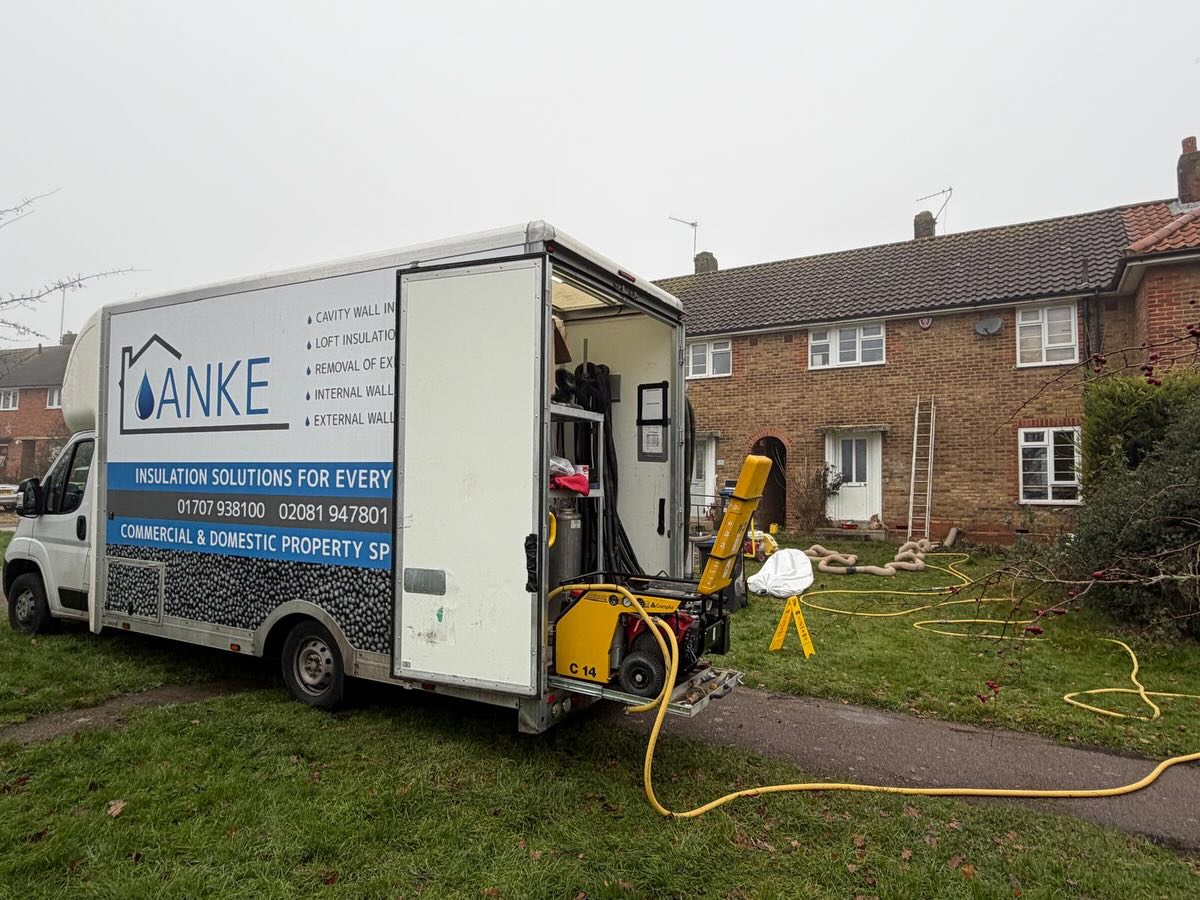
If you’re looking for a practical and long-lasting way to save on your energy bills, cavity wall insulation should be near the top of your list. For homeowners in the UK, heating costs have steadily risen over the past decade, making energy efficiency a major concern. What many people don’t realise is just how much heat is lost through poorly insulated walls—up to 33% in an uninsulated home. That’s a huge amount of warmth (and money) literally escaping through the walls every winter.
Cavity wall insulation works by filling the space between the external and internal walls of your home with insulating material, such as mineral wool or polystyrene beads. This material traps heat inside, reducing the amount of energy needed to maintain a comfortable indoor temperature. It’s especially effective in homes built after the 1920s, which typically have cavity walls. If your home was built before the 1990s and hasn’t been updated, there’s a good chance the walls are still empty—making insulation a wise investment.
The installation process is straightforward and minimally invasive. A qualified installer drills small holes into the external brickwork, injects the insulation, and then seals the holes. The entire process usually takes less than a day and requires no major disruption to your home. Yet the impact on your energy bills can be significant. Households that install cavity wall insulation report annual savings of up to £300, depending on home size and energy use.
What type of service do you need?
Cavity Wall Insulation
External Wall Insulation System
(Includes Silicone Render)
Silicone Render Only
It just takes 60 Second
And then you can book a free consultation
Beyond direct savings, cavity wall insulation makes your heating system work less hard. Whether you rely on gas, oil, or electricity, using less energy reduces wear and tear on your boiler or heat pump, potentially extending its lifespan and cutting maintenance costs. Many local authorities and energy schemes also offer grants or subsidies for insulation, making the financial case even stronger.
In today’s cost-of-living climate, where every pound counts, choosing cavity wall insulation is one of the most effective and affordable ways to reduce long-term heating expenses. You pay once for installation, and benefit from the savings every year after. It’s a smart, future-focused choice for anyone who owns or manages a property
Related articles
What type of service do you need?
Cavity Wall Insulation
External Wall Insulation System
(Includes Silicone Render)
Silicone Render Only
Cavity Wall Insulation Overview: Cut Heat Loss & Heating Costs
If you’re looking for a practical and long-lasting way to save on your energy bills, cavity wall insulation should be near the top of your list. For homeowners in the UK, heating costs have steadily risen over the past decade, making energy efficiency a major concern. What many people don’t realise is just how much heat is lost through poorly insulated walls—up to 33% in an uninsulated home. That’s a huge amount of warmth (and money) literally escaping through the walls every winter.
Cavity wall insulation works by filling the space between the external and internal walls of your home with insulating material, such as mineral wool or polystyrene beads. This material traps heat inside, reducing the amount of energy needed to maintain a comfortable indoor temperature. It’s especially effective in homes built after the 1920s, which typically have cavity walls. If your home was built before the 1990s and hasn’t been updated, there’s a good chance the walls are still empty—making insulation a wise investment.
The installation process is straightforward and minimally invasive. A qualified installer drills small holes into the external brickwork, injects the insulation, and then seals the holes. The entire process usually takes less than a day and requires no major disruption to your home. Yet the impact on your energy bills can be significant. Households that install cavity wall insulation report annual savings of up to £300, depending on home size and energy use.
What type of service do you need?
Cavity Wall Insulation
External Wall Insulation System
(Includes Silicone Render)
Silicone Render Only
It just takes 60 Second
And then you can book a free consultation
Beyond direct savings, cavity wall insulation makes your heating system work less hard. Whether you rely on gas, oil, or electricity, using less energy reduces wear and tear on your boiler or heat pump, potentially extending its lifespan and cutting maintenance costs. Many local authorities and energy schemes also offer grants or subsidies for insulation, making the financial case even stronger.
In today’s cost-of-living climate, where every pound counts, choosing cavity wall insulation is one of the most effective and affordable ways to reduce long-term heating expenses. You pay once for installation, and benefit from the savings every year after. It’s a smart, future-focused choice for anyone who owns or manages a property
Related articles
What type of service do you need?
Cavity Wall Insulation
External Wall Insulation System
(Includes Silicone Render)
Silicone Render Only