
Wet Rot Companies in St Albans: Treatment and Repair Costs
Wet Rot Companies in St Albans: Treatment and Repair Costs Wet rot is a common problem affecting timber in UK…

Why you can trust our content
At a glance
Wet Rot Companies in St Albans: Treatment and Repair Costs
Wet rot is a common problem affecting timber in UK homes, especially in areas with high humidity or water leaks. Unlike dry rot, wet rot thrives in timber that is constantly damp, often caused by leaking roofs, plumbing issues, or poor ventilation. If untreated, wet rot weakens structural timber, damages floors, skirting boards, and joists, and can result in costly repairs.
For homeowners and property managers in St Albans, hiring a reputable wet rot company ensures timely diagnosis, professional treatment, and long-term protection. Understanding the cost to fix wet rot helps plan your budget and prevents surprises during repair.
Understanding Wet Rot
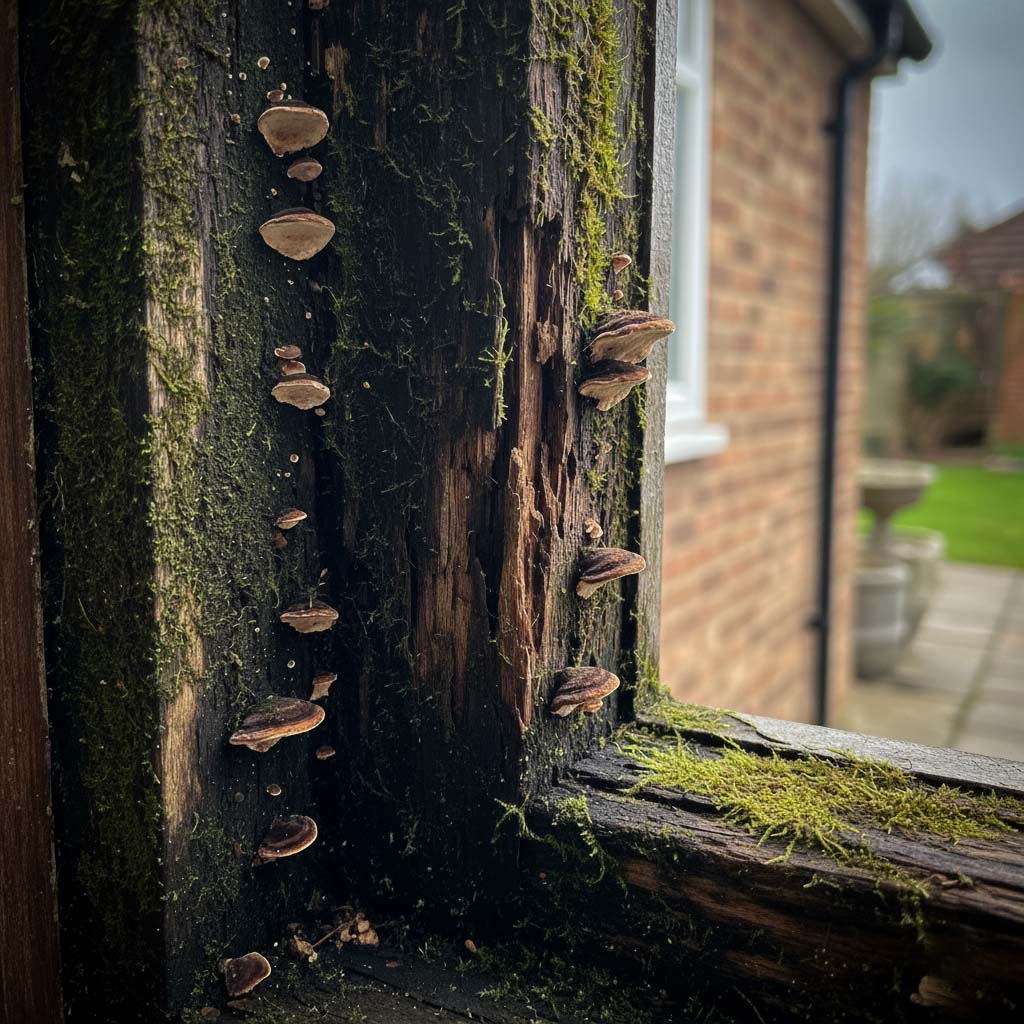
Wet rot is caused by several species of fungi, commonly Coniophora puteana. It develops in timber that has been exposed to moisture for prolonged periods. Unlike dry rot, wet rot does not usually spread through dry materials but can severely compromise affected timber if left untreated.
Signs of Wet Rot
Property owners should watch for these indicators:
- Soft, spongy timber that appears darkened or damp
- Crumbling or shrinking wood
- Musty, damp odours in affected areas
- Warped floors or doors that stick due to swelling
- Growth of fungal mycelium or mould near damp timber
Identifying wet rot early is essential to minimise damage and control costs.
Why Hiring a Professional Wet Rot Company Matters
While minor timber damage can sometimes be treated by DIY methods, professional intervention is strongly recommended because:
- Accurate identification of wet rot versus other timber decay
- Comprehensive treatment that addresses both fungus and moisture sources
- Restoration of structural integrity for safety and compliance
- Prevention of recurring issues through moisture control
A local wet rot company brings knowledge of common property types in St Albans, building materials, and effective treatment methods.
Factors Affecting the Cost to Fix Wet Rot
Several elements influence the price of wet rot repair:
1. Severity of Infestation
- Minor infestations: Skirting boards, floorboards, or small joists
- Moderate infestations: Multiple structural timbers affected
- Severe infestations: Major beams, floors, or entire sections of property
2. Property Size and Layout
- Larger homes require more inspection and treatment
- Hard-to-access areas like lofts or basements increase labour costs
3. Timber Type and Condition
- Softwood repairs are generally cheaper than hardwood
- Severely damaged or load-bearing timbers require specialist replacement
4. Moisture Source Identification
- Leaking roofs, plumbing, or poor drainage must be addressed
- Treating wet rot without controlling moisture can result in recurrence
5. Additional Work Required
- Re-plastering or redecorating affected walls
- Replacement of flooring or skirting boards
- Damp proofing and ventilation improvements
6. Labour and Expertise
- Experienced local experts may charge more but provide guaranteed, long-lasting results
- Choosing a reputable wet rot company ensures compliance with UK building standards
Typical Cost to Fix Wet Rot in St Albans
Costs vary depending on property size, extent of damage, and treatment required. Typical estimates are:
| Repair Type | Average Cost (UK) | Notes |
| Minor Wet Rot Treatment | £250 – £700 | Skirting boards, small timber, and floorboards |
| Moderate Wet Rot Repair | £700 – £1,800 | Multiple structural timbers or joists |
| Major Structural Wet Rot | £1,800 – £5,000+ | Extensive timber replacement, including beams and floors |
| Full Property Wet Rot Eradication | £5,000 – £10,000 | Large infestations, multiple floors, includes moisture control measures |
Getting an accurate quote from a local wet rot company ensures transparency and helps you budget appropriately.
What best describes you?

Homeowner

Tenant

Management/Lettings Agent

Potential Buyer

Other
It just takes 60 Second
And then you can book a free consultation
Steps Involved in Wet Rot Repair
Professional repair involves a systematic approach to remove the fungus, repair timber, and prevent recurrence:
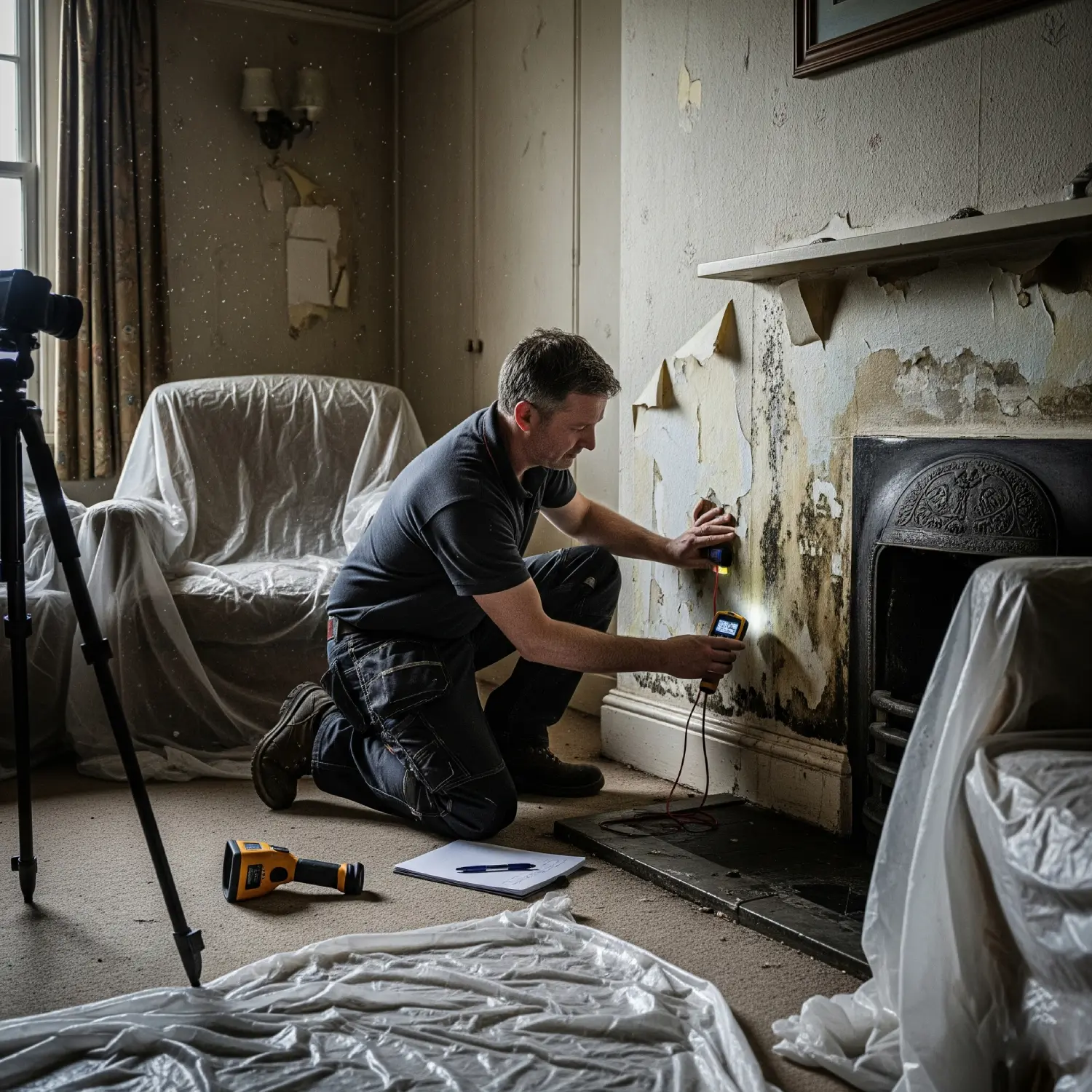
- Inspection and Survey
- Identification of affected areas
- Moisture readings using specialist equipment
- Distinguishing wet rot from dry rot or mould
- Identification of affected areas
- Preparation of the Area
- Clearing furniture and debris
- Containing affected timber to prevent spore spread
- Clearing furniture and debris
- Treatment of Fungus
- Application of fungicidal solutions to affected timber
- Removal and replacement of severely damaged wood
- Application of fungicidal solutions to affected timber
- Addressing Moisture Sources
- Repairing leaking roofs, gutters, and pipes
- Improving ventilation and airflow
- Installing damp proofing measures if required
- Repairing leaking roofs, gutters, and pipes
- Restoration and Finishing
- Re-plastering and redecorating affected areas
- Ensuring structural stability and long-term durability
- Final inspection to confirm eradication
- Re-plastering and redecorating affected areas
Choosing a Reliable Wet Rot Company in St Albans
Selecting a trusted provider is key to effective repair and lasting results. Consider the following when choosing a wet rot company:
- Experience: Proven track record repairing wet rot in St Albans homes
- Survey and Reporting: Comprehensive inspection with documented findings and recommendations
- Guarantees and Warranties: Coverage for both materials and labour
- Local Reputation: Positive reviews and referrals from previous clients
- Compliance: Knowledge of UK building standards for timber treatment
A reputable company provides both treatment and preventative advice to ensure timber remains protected in the future.
DIY vs Professional Wet Rot Treatment
While DIY approaches may appear cheaper, they often fail to address the root cause. Professional services provide:
- Accurate assessment of infestation and moisture sources
- Complete removal of affected timber
- Fungicidal treatment and structural repairs
- Preventive measures to avoid recurrence
- Compliance with health and safety regulations
Professional treatment is an investment that safeguards your property and reduces long-term repair costs.
Preventive Measures to Avoid Wet Rot
Once treated, preventive care helps protect timber from future infestations:
- Maintain roofing, gutters, and downpipes to prevent leaks
- Ensure proper ventilation in lofts, basements, and roof voids
- Monitor timber regularly for early signs of decay
- Use preservative-treated timber in high-risk areas
- Address damp issues immediately through professional damp proofing
Regular inspections and maintenance reduce the likelihood of costly repairs later.
Tips for Budgeting for Wet Rot Repairs
Understanding repair costs helps homeowners plan effectively:
- Obtain multiple quotes from local wet rot companies
- Prioritise urgent repairs for structural timber
- Consider phased treatment for large infestations
- Check insurance coverage for structural damage
- Allocate funds for preventive measures to protect your investment
Why Choose Anke Damp Proofing for Wet Rot Repairs
Anke Damp Proofing is a trusted provider of wet rot treatment and repair in St Albans. Our services include:
- Professional inspection and wet rot survey
- Detailed reporting with recommendations and cost estimates
- Expert treatment and timber replacement
- Moisture control solutions to prevent recurrence
- Transparent quotes and guaranteed workmanship
By choosing a local wet rot company, property owners gain peace of mind and long-term protection against timber decay.
Related articles
What best describes you?
Homeowner
Tenant
Management/Lettings Agent
Potential Buyer
Other
At a glance
Wet Rot Companies in St Albans: Treatment and Repair Costs
Wet rot is a common problem affecting timber in UK homes, especially in areas with high humidity or water leaks. Unlike dry rot, wet rot thrives in timber that is constantly damp, often caused by leaking roofs, plumbing issues, or poor ventilation. If untreated, wet rot weakens structural timber, damages floors, skirting boards, and joists, and can result in costly repairs.
For homeowners and property managers in St Albans, hiring a reputable wet rot company ensures timely diagnosis, professional treatment, and long-term protection. Understanding the cost to fix wet rot helps plan your budget and prevents surprises during repair.
Understanding Wet Rot
Wet rot is caused by several species of fungi, commonly Coniophora puteana. It develops in timber that has been exposed to moisture for prolonged periods. Unlike dry rot, wet rot does not usually spread through dry materials but can severely compromise affected timber if left untreated.
Signs of Wet Rot
Property owners should watch for these indicators:
- Soft, spongy timber that appears darkened or damp
- Crumbling or shrinking wood
- Musty, damp odours in affected areas
- Warped floors or doors that stick due to swelling
- Growth of fungal mycelium or mould near damp timber
Identifying wet rot early is essential to minimise damage and control costs.
Why Hiring a Professional Wet Rot Company Matters
While minor timber damage can sometimes be treated by DIY methods, professional intervention is strongly recommended because:
- Accurate identification of wet rot versus other timber decay
- Comprehensive treatment that addresses both fungus and moisture sources
- Restoration of structural integrity for safety and compliance
- Prevention of recurring issues through moisture control
A local wet rot company brings knowledge of common property types in St Albans, building materials, and effective treatment methods.
Factors Affecting the Cost to Fix Wet Rot
Several elements influence the price of wet rot repair:
1. Severity of Infestation
- Minor infestations: Skirting boards, floorboards, or small joists
- Moderate infestations: Multiple structural timbers affected
- Severe infestations: Major beams, floors, or entire sections of property
2. Property Size and Layout
- Larger homes require more inspection and treatment
- Hard-to-access areas like lofts or basements increase labour costs
3. Timber Type and Condition
- Softwood repairs are generally cheaper than hardwood
- Severely damaged or load-bearing timbers require specialist replacement
4. Moisture Source Identification
- Leaking roofs, plumbing, or poor drainage must be addressed
- Treating wet rot without controlling moisture can result in recurrence
5. Additional Work Required
- Re-plastering or redecorating affected walls
- Replacement of flooring or skirting boards
- Damp proofing and ventilation improvements
6. Labour and Expertise
- Experienced local experts may charge more but provide guaranteed, long-lasting results
- Choosing a reputable wet rot company ensures compliance with UK building standards
Typical Cost to Fix Wet Rot in St Albans
Costs vary depending on property size, extent of damage, and treatment required. Typical estimates are:
| Repair Type | Average Cost (UK) | Notes |
| Minor Wet Rot Treatment | £250 – £700 | Skirting boards, small timber, and floorboards |
| Moderate Wet Rot Repair | £700 – £1,800 | Multiple structural timbers or joists |
| Major Structural Wet Rot | £1,800 – £5,000+ | Extensive timber replacement, including beams and floors |
| Full Property Wet Rot Eradication | £5,000 – £10,000 | Large infestations, multiple floors, includes moisture control measures |
Getting an accurate quote from a local wet rot company ensures transparency and helps you budget appropriately.
What best describes you?
Homeowner
Tenant
Management/Lettings Agent
Potential Buyer
Other
It just takes 60 Second
And then you can book a free consultation
Steps Involved in Wet Rot Repair
Professional repair involves a systematic approach to remove the fungus, repair timber, and prevent recurrence:
- Inspection and Survey
- Identification of affected areas
- Moisture readings using specialist equipment
- Distinguishing wet rot from dry rot or mould
- Identification of affected areas
- Preparation of the Area
- Clearing furniture and debris
- Containing affected timber to prevent spore spread
- Clearing furniture and debris
- Treatment of Fungus
- Application of fungicidal solutions to affected timber
- Removal and replacement of severely damaged wood
- Application of fungicidal solutions to affected timber
- Addressing Moisture Sources
- Repairing leaking roofs, gutters, and pipes
- Improving ventilation and airflow
- Installing damp proofing measures if required
- Repairing leaking roofs, gutters, and pipes
- Restoration and Finishing
- Re-plastering and redecorating affected areas
- Ensuring structural stability and long-term durability
- Final inspection to confirm eradication
- Re-plastering and redecorating affected areas
Choosing a Reliable Wet Rot Company in St Albans
Selecting a trusted provider is key to effective repair and lasting results. Consider the following when choosing a wet rot company:
- Experience: Proven track record repairing wet rot in St Albans homes
- Survey and Reporting: Comprehensive inspection with documented findings and recommendations
- Guarantees and Warranties: Coverage for both materials and labour
- Local Reputation: Positive reviews and referrals from previous clients
- Compliance: Knowledge of UK building standards for timber treatment
A reputable company provides both treatment and preventative advice to ensure timber remains protected in the future.
DIY vs Professional Wet Rot Treatment
While DIY approaches may appear cheaper, they often fail to address the root cause. Professional services provide:
- Accurate assessment of infestation and moisture sources
- Complete removal of affected timber
- Fungicidal treatment and structural repairs
- Preventive measures to avoid recurrence
- Compliance with health and safety regulations
Professional treatment is an investment that safeguards your property and reduces long-term repair costs.
Preventive Measures to Avoid Wet Rot
Once treated, preventive care helps protect timber from future infestations:
- Maintain roofing, gutters, and downpipes to prevent leaks
- Ensure proper ventilation in lofts, basements, and roof voids
- Monitor timber regularly for early signs of decay
- Use preservative-treated timber in high-risk areas
- Address damp issues immediately through professional damp proofing
Regular inspections and maintenance reduce the likelihood of costly repairs later.
Tips for Budgeting for Wet Rot Repairs
Understanding repair costs helps homeowners plan effectively:
- Obtain multiple quotes from local wet rot companies
- Prioritise urgent repairs for structural timber
- Consider phased treatment for large infestations
- Check insurance coverage for structural damage
- Allocate funds for preventive measures to protect your investment
Why Choose Anke Damp Proofing for Wet Rot Repairs
Anke Damp Proofing is a trusted provider of wet rot treatment and repair in St Albans. Our services include:
- Professional inspection and wet rot survey
- Detailed reporting with recommendations and cost estimates
- Expert treatment and timber replacement
- Moisture control solutions to prevent recurrence
- Transparent quotes and guaranteed workmanship
By choosing a local wet rot company, property owners gain peace of mind and long-term protection against timber decay.
Related articles
What best describes you?
Homeowner
Tenant
Management/Lettings Agent
Potential Buyer