

West London Period Homes With Damp Walls: What the First Inspection Should Check
Period homes are full of character, but they can also present unique maintenance challenges.

Why you can trust our content
At a glance
Decorative cornicing, solid brick walls, original timber features and traditional construction methods all contribute to their appeal, yet they also influence how moisture moves through the building.
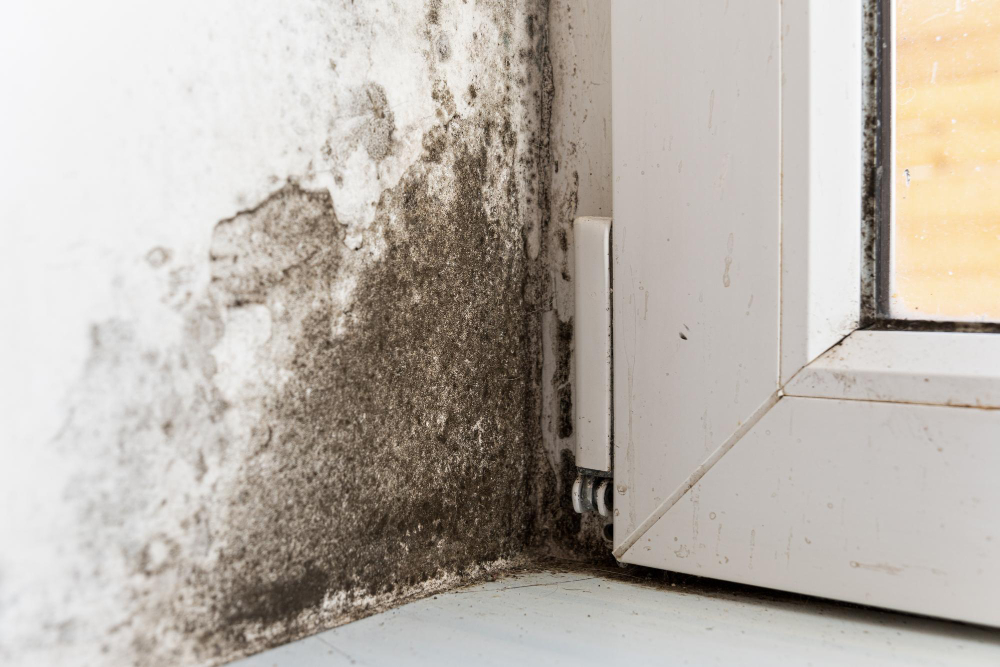
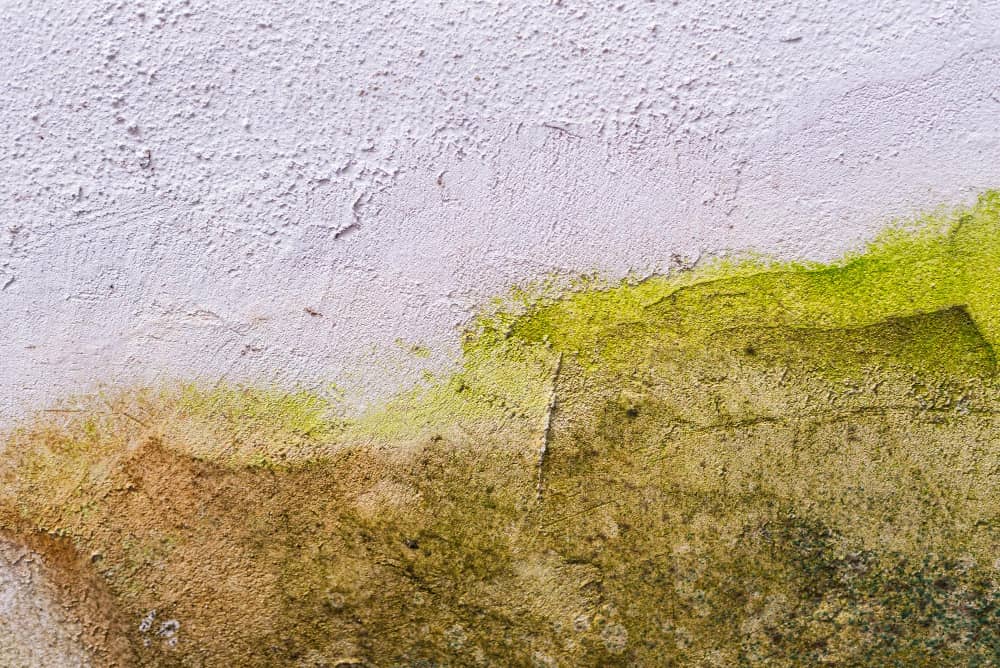
When damp begins to appear, it is easy to focus on the visible signs such as peeling wallpaper, stained plaster or mould growth. However, these symptoms rarely reveal the full story. A careful inspection should identify where the moisture is coming from before any repairs are considered, helping homeowners avoid unnecessary work and protect the long-term condition of their property.
If you’ve noticed damp walls or recurring moisture in your period home, contact Anke Damp Proofing for a professional inspection and practical advice before starting repairs.
Why are period homes more susceptible to damp?
Older properties were built using materials and construction methods that differ significantly from modern homes.
Rather than relying on cavity walls and modern damp protection systems, many period homes allow moisture to move naturally through breathable materials. Problems often arise when defects develop or modern alterations interfere with this process.
Common causes include:
- Ageing mortar joints
- Damaged pointing
- Defective guttering
- Blocked ventilation
- Leaking pipework
- Inappropriate modern finishes trapping moisture
- Poor external drainage
These issues do not necessarily mean extensive repairs are required, but they should be investigated carefully.
What should the first inspection include?
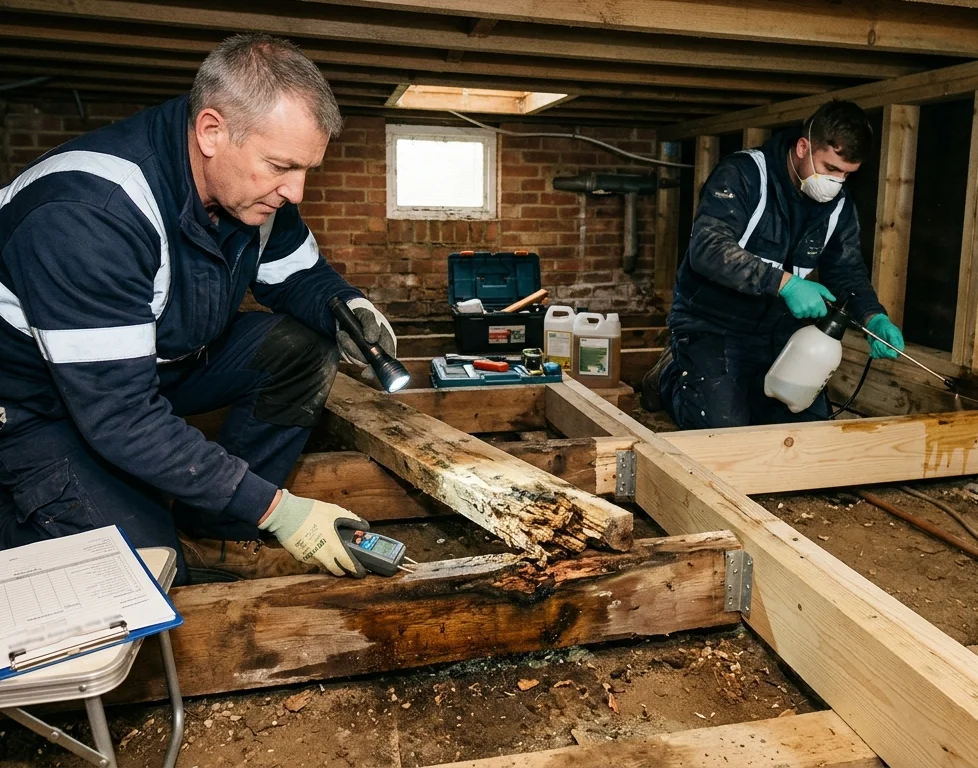
A professional inspection should consider the property as a whole rather than focusing solely on the affected wall.
An experienced surveyor will typically assess:
- External brickwork and pointing
- Roof coverings and flashing
- Gutters and downpipes
- Internal humidity levels
- Ventilation throughout the home
- Floor and wall moisture readings
- Plumbing where appropriate
- Signs of condensation, penetrating damp or rising damp
A detailed damp survey west london provides a much clearer understanding of how moisture is affecting the property before recommendations are made.
Can damp appear far from its source?
Yes.
One of the most misunderstood aspects of damp is that visible damage does not always occur where the moisture first enters the building.
For example:
- Water entering through defective roof flashing may become visible on an internal wall several rooms away.
- Overflowing gutters can saturate external masonry before damp appears indoors.
- Condensation may develop in colder rooms despite the moisture being generated elsewhere in the property.
This is why experienced specialists carrying out damp proofing west london investigate the entire building rather than concentrating on a single damp patch.
What signs do homeowners often overlook?
Many early warning signs are easy to dismiss because they develop gradually.
Look out for:
| Warning Sign | Why It Matters |
| Peeling paint | Moisture beneath decorative finishes |
| Wallpaper lifting | Possible damp behind plaster |
| Musty odours | Indicates persistent moisture |
| Cold walls | May encourage condensation |
| White powder deposits | Mineral salts left by moisture |
| Cracked plaster | Can accompany prolonged damp |
Recognising these signs early often allows smaller problems to be addressed before more significant damage develops.
Should you redecorate before investigating damp?
Although redecorating may improve appearance temporarily, it rarely resolves the underlying issue.
Fresh paint or wallpaper can conceal stains for a short period, but if moisture remains within the wall, the damage usually returns.
Professional damp proofing west london begins with understanding why moisture is present before recommending any treatment or repair.
If damp keeps returning after decorating, Anke Damp Proofing can carry out a thorough inspection to identify the cause and recommend the most appropriate solution.
What best describes you?

Homeowner

Tenant

Management/Lettings Agent

Potential Buyer

Other
It just takes 60 Second
And then you can book a free consultation
How does a survey help protect a period property?
Older homes require a careful and considered approach. Because many period properties were built with breathable materials, inappropriate repairs can sometimes make damp problems worse rather than better.
A professional damp survey west london helps identify:
- The source of moisture
- Whether the damp is caused by condensation, penetrating damp or another issue
- The condition of external walls and roof coverings
- Any maintenance defects contributing to the problem
- Areas where ventilation could be improved
- The most suitable remedial approach for the property’s construction
By understanding how the building performs as a whole, recommendations can be tailored to protect both the property and its original features.
A typical example
A homeowner notices bubbling paint on an internal wall in a Victorian terrace and assumes the problem is rising damp.
During the inspection, the survey reveals cracked pointing and a damaged gutter allowing rainwater to soak the external wall. Once the external defects are repaired and the wall has dried naturally, the internal finishes can be restored without unnecessary damp proofing work.
This demonstrates why investigation should always come before treatment.
When should you arrange a professional inspection?
Some signs of damp should never be ignored, particularly in older buildings where prolonged moisture can damage plaster, timber and decorative features.
Consider arranging an inspection if you notice:
- Damp patches becoming larger
- Repeated mould growth
- Flaking paint or wallpaper
- Persistent musty odours
- Crumbling plaster
- Moisture appearing after rainfall
- Signs of damp before purchasing or renovating a property
Early diagnosis often reduces both disruption and repair costs by identifying issues before they become more extensive.
If you are planning refurbishment work, obtaining a damp proofing quote west london after a detailed inspection helps ensure any recommended work reflects the actual condition of the building rather than assumptions.
Why is a tailored approach so important?
Every period home has its own history, construction methods and maintenance needs.
Applying the same solution to every damp problem can result in unnecessary work or recurring moisture issues. Instead, a thorough assessment considers:
- The age of the property
- Original building materials
- Previous alterations
- Ventilation and heating
- External maintenance
- Current moisture patterns
This evidence-based approach helps ensure repairs are proportionate and appropriate to the property.
If you’re concerned about damp walls in your West London period home, contact Anke Damp Proofing. Our experienced team provides detailed inspections, straightforward advice and recommendations based on the individual needs of your property.
Conclusion
Damp in a period home should never be viewed as just a cosmetic issue. Peeling paint, stained plaster and musty odours are often signs that moisture is affecting the building in ways that are not immediately obvious. A detailed inspection provides the information needed to identify the true cause before repairs begin.
At Anke Damp Proofing, we understand the unique challenges presented by West London’s period properties. Our survey-led approach ensures every recommendation is based on careful investigation, helping homeowners protect both the character and condition of their homes with confidence.
Related articles

What best describes you?
Homeowner
Tenant
Management/Lettings Agent
Potential Buyer
Other
At a glance
Decorative cornicing, solid brick walls, original timber features and traditional construction methods all contribute to their appeal, yet they also influence how moisture moves through the building.
When damp begins to appear, it is easy to focus on the visible signs such as peeling wallpaper, stained plaster or mould growth. However, these symptoms rarely reveal the full story. A careful inspection should identify where the moisture is coming from before any repairs are considered, helping homeowners avoid unnecessary work and protect the long-term condition of their property.
If you’ve noticed damp walls or recurring moisture in your period home, contact Anke Damp Proofing for a professional inspection and practical advice before starting repairs.
Why are period homes more susceptible to damp?
Older properties were built using materials and construction methods that differ significantly from modern homes.
Rather than relying on cavity walls and modern damp protection systems, many period homes allow moisture to move naturally through breathable materials. Problems often arise when defects develop or modern alterations interfere with this process.
Common causes include:
- Ageing mortar joints
- Damaged pointing
- Defective guttering
- Blocked ventilation
- Leaking pipework
- Inappropriate modern finishes trapping moisture
- Poor external drainage
These issues do not necessarily mean extensive repairs are required, but they should be investigated carefully.
What should the first inspection include?
A professional inspection should consider the property as a whole rather than focusing solely on the affected wall.
An experienced surveyor will typically assess:
- External brickwork and pointing
- Roof coverings and flashing
- Gutters and downpipes
- Internal humidity levels
- Ventilation throughout the home
- Floor and wall moisture readings
- Plumbing where appropriate
- Signs of condensation, penetrating damp or rising damp
A detailed damp survey west london provides a much clearer understanding of how moisture is affecting the property before recommendations are made.
Can damp appear far from its source?
Yes.
One of the most misunderstood aspects of damp is that visible damage does not always occur where the moisture first enters the building.
For example:
- Water entering through defective roof flashing may become visible on an internal wall several rooms away.
- Overflowing gutters can saturate external masonry before damp appears indoors.
- Condensation may develop in colder rooms despite the moisture being generated elsewhere in the property.
This is why experienced specialists carrying out damp proofing west london investigate the entire building rather than concentrating on a single damp patch.
What signs do homeowners often overlook?
Many early warning signs are easy to dismiss because they develop gradually.
Look out for:
| Warning Sign | Why It Matters |
| Peeling paint | Moisture beneath decorative finishes |
| Wallpaper lifting | Possible damp behind plaster |
| Musty odours | Indicates persistent moisture |
| Cold walls | May encourage condensation |
| White powder deposits | Mineral salts left by moisture |
| Cracked plaster | Can accompany prolonged damp |
Recognising these signs early often allows smaller problems to be addressed before more significant damage develops.
Should you redecorate before investigating damp?
Although redecorating may improve appearance temporarily, it rarely resolves the underlying issue.
Fresh paint or wallpaper can conceal stains for a short period, but if moisture remains within the wall, the damage usually returns.
Professional damp proofing west london begins with understanding why moisture is present before recommending any treatment or repair.
If damp keeps returning after decorating, Anke Damp Proofing can carry out a thorough inspection to identify the cause and recommend the most appropriate solution.
What best describes you?
Homeowner
Tenant
Management/Lettings Agent
Potential Buyer
Other
It just takes 60 Second
And then you can book a free consultation
How does a survey help protect a period property?
Older homes require a careful and considered approach. Because many period properties were built with breathable materials, inappropriate repairs can sometimes make damp problems worse rather than better.
A professional damp survey west london helps identify:
- The source of moisture
- Whether the damp is caused by condensation, penetrating damp or another issue
- The condition of external walls and roof coverings
- Any maintenance defects contributing to the problem
- Areas where ventilation could be improved
- The most suitable remedial approach for the property’s construction
By understanding how the building performs as a whole, recommendations can be tailored to protect both the property and its original features.
A typical example
A homeowner notices bubbling paint on an internal wall in a Victorian terrace and assumes the problem is rising damp.
During the inspection, the survey reveals cracked pointing and a damaged gutter allowing rainwater to soak the external wall. Once the external defects are repaired and the wall has dried naturally, the internal finishes can be restored without unnecessary damp proofing work.
This demonstrates why investigation should always come before treatment.
When should you arrange a professional inspection?
Some signs of damp should never be ignored, particularly in older buildings where prolonged moisture can damage plaster, timber and decorative features.
Consider arranging an inspection if you notice:
- Damp patches becoming larger
- Repeated mould growth
- Flaking paint or wallpaper
- Persistent musty odours
- Crumbling plaster
- Moisture appearing after rainfall
- Signs of damp before purchasing or renovating a property
Early diagnosis often reduces both disruption and repair costs by identifying issues before they become more extensive.
If you are planning refurbishment work, obtaining a damp proofing quote west london after a detailed inspection helps ensure any recommended work reflects the actual condition of the building rather than assumptions.
Why is a tailored approach so important?
Every period home has its own history, construction methods and maintenance needs.
Applying the same solution to every damp problem can result in unnecessary work or recurring moisture issues. Instead, a thorough assessment considers:
- The age of the property
- Original building materials
- Previous alterations
- Ventilation and heating
- External maintenance
- Current moisture patterns
This evidence-based approach helps ensure repairs are proportionate and appropriate to the property.
If you’re concerned about damp walls in your West London period home, contact Anke Damp Proofing. Our experienced team provides detailed inspections, straightforward advice and recommendations based on the individual needs of your property.
Conclusion
Damp in a period home should never be viewed as just a cosmetic issue. Peeling paint, stained plaster and musty odours are often signs that moisture is affecting the building in ways that are not immediately obvious. A detailed inspection provides the information needed to identify the true cause before repairs begin.
At Anke Damp Proofing, we understand the unique challenges presented by West London’s period properties. Our survey-led approach ensures every recommendation is based on careful investigation, helping homeowners protect both the character and condition of their homes with confidence.
Related articles
What best describes you?
Homeowner
Tenant
Management/Lettings Agent
Potential Buyer