
Timber Floors and Basement Walls in East London: Separating Rot From Water Ingress
Many East London homes, particularly older terraces, warehouse conversions and Victorian properties, have timber floors and below-ground spaces that require ongoing protection from moisture.

Why you can trust our content

At a glance
When floorboards begin to feel soft or a basement wall develops damp patches, it can be difficult to know whether the issue is caused by timber decay, water ingress or a combination of both.
Although these problems often appear together, they require different solutions. Understanding the signs of each issue helps homeowners arrange the right inspection before unnecessary work is carried out.
If you’ve noticed damp walls, timber deterioration or musty smells, contact Anke Damp Proofing for a professional assessment before planning repairs.
Why do timber floors begin to deteriorate?
Timber remains structurally strong when it stays dry. Problems usually begin when moisture is allowed to remain within the wood for long periods.
Common causes include:
- Leaking plumbing beneath suspended floors
- Poor subfloor ventilation
- Overflowing gutters soaking external walls
- Penetrating damp
- Basement humidity
- Long-term condensation
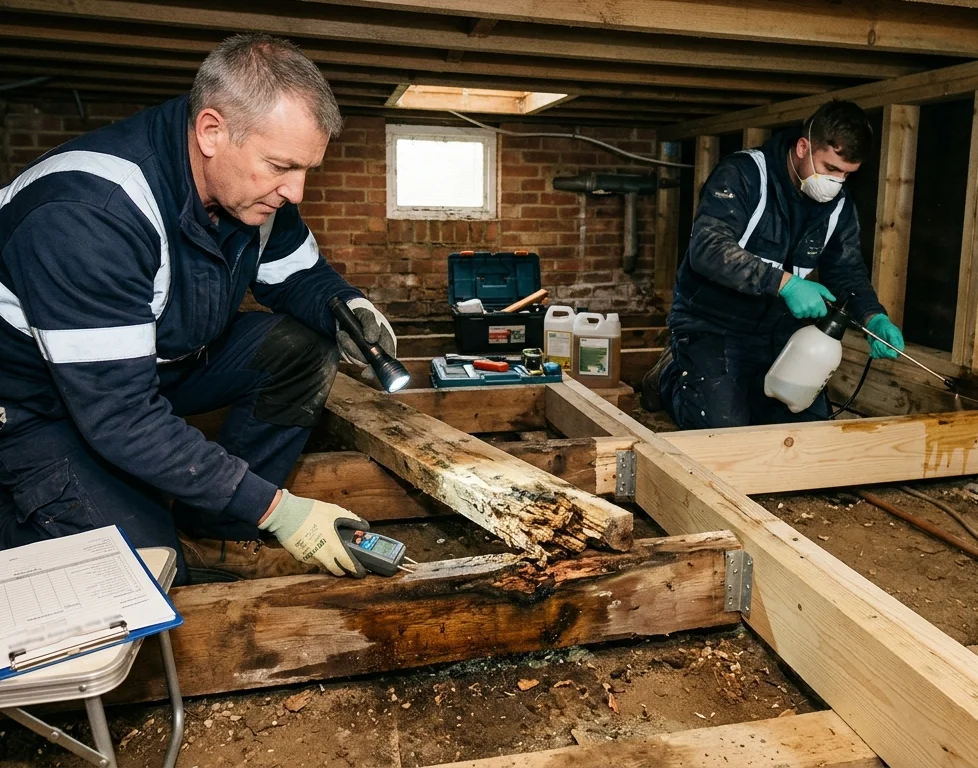
If these moisture sources are left unresolved, fungal decay can gradually weaken the timber and affect surrounding structural elements.
Professional wet rot treatment east london always starts with identifying and eliminating the source of moisture before damaged timber is repaired or replaced.
How can you recognise wet rot?
Wet rot usually develops in timber that remains consistently damp. Unlike some other forms of fungal decay, it is generally confined to the area affected by moisture.
Typical warning signs include:
- Timber that feels soft under pressure
- Darkened or discoloured wood
- Localised cracking
- A damp, musty smell
- Uneven or springy floorboards
- Decaying skirting boards
Early investigation helps prevent more extensive structural repairs later.
What best describes you?

Homeowner

Tenant

Management/Lettings Agent

Potential Buyer

Other
It just takes 60 Second
And then you can book a free consultation
What is the difference between timber decay and water ingress?
Although they are closely linked, they are not the same problem.
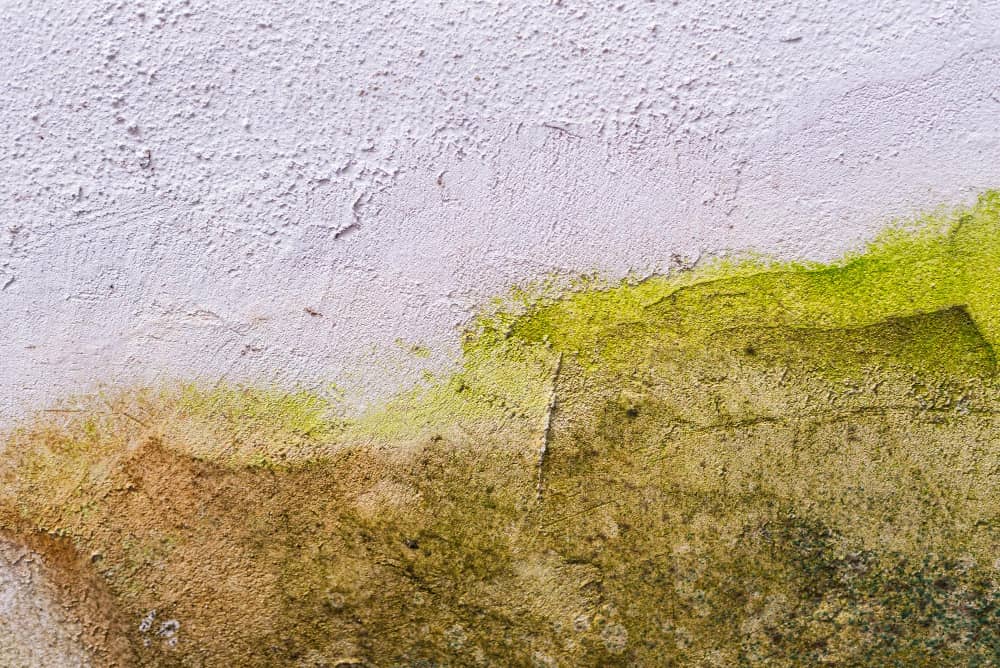
Water ingress describes moisture entering the building through defects such as damaged brickwork, failed pointing, leaking roofs or basement walls.
Timber decay develops when that moisture remains present long enough for fungal growth to affect the wood.
This distinction is important because repairing damaged timber without stopping the water entering the property is unlikely to provide a lasting solution.
Which areas should be inspected?
A professional survey should examine more than just the visibly damaged area.
| Area | Why It Matters |
| Floorboards | Check for movement and decay |
| Structural joists | Assess hidden timber condition |
| Basement walls | Identify water penetration |
| External brickwork | Locate potential entry points for moisture |
| Ventilation | Reduce condensation and timber dampness |
| Plumbing | Detect concealed leaks |
| Drainage | Assess water movement around the property |
A detailed inspection helps determine whether moisture is causing isolated damage or affecting several parts of the building.
Can basement damp affect timber floors?
Yes.
Moisture within a basement or cellar increases humidity throughout the lower part of the property. Over time, this can affect suspended timber floors above, especially where ventilation is restricted.
Likewise, water entering through external walls may travel into adjoining timber elements, creating ideal conditions for fungal decay.
Experienced specialists carrying out wet rot treatment east london assess how moisture moves throughout the building rather than concentrating on one affected area.
When should dry rot be considered?
Although less common than wet rot, dry rot can develop where timber has remained damp for an extended period.
Warning signs include:
- Deep cracking in timber
- Grey or white fungal growth
- Rust-coloured spores
- Significant timber weakness
- A mushroom-like smell
Professional dry rot treatment east london begins with identifying the moisture source before any affected timber is repaired or replaced.
If you are unsure whether your property is affected by wet rot, dry rot or water ingress, Anke Damp Proofing can provide a detailed survey and explain the findings clearly.
How is basement water ingress assessed?
Not every damp basement requires the same solution.
A survey should consider:
- Whether water enters after rainfall
- Groundwater pressure
- Existing drainage
- Ventilation levels
- Construction type
- Previous repair work
Where moisture is entering below ground level, structural waterproofing services east london may be recommended following a full assessment to protect the building over the long term.
Why does early diagnosis matter?
Small moisture problems rarely remain small.
Ignoring damp beneath floors or within basement walls can lead to:
- Greater timber deterioration
- Costlier structural repairs
- Reduced indoor air quality
- Damage to decorative finishes
- More disruptive remedial work
Professional wet rot treatment east london is far more effective when problems are identified early, before widespread damage has developed.
If you’re concerned about damp basement walls, decaying timber or unexplained moisture in your East London property, contact Anke Damp Proofing. Our experienced team will assess the condition of your home and recommend the most appropriate solution based on a thorough inspection.
Conclusion
Timber decay and basement damp are often connected, but they are not always caused by the same issue. Understanding whether moisture is entering the property or affecting the timber directly is essential before any remedial work begins.
At Anke Damp Proofing, we take a thorough, survey-led approach to every property. Whether you’re concerned about wet rot, dry rot or damp basement walls, our experienced team can identify the cause and recommend practical solutions that help protect your East London home for years to come.
Related articles

What best describes you?
Homeowner
Tenant
Management/Lettings Agent
Potential Buyer
Other
At a glance
When floorboards begin to feel soft or a basement wall develops damp patches, it can be difficult to know whether the issue is caused by timber decay, water ingress or a combination of both.
Although these problems often appear together, they require different solutions. Understanding the signs of each issue helps homeowners arrange the right inspection before unnecessary work is carried out.
If you’ve noticed damp walls, timber deterioration or musty smells, contact Anke Damp Proofing for a professional assessment before planning repairs.
Why do timber floors begin to deteriorate?
Timber remains structurally strong when it stays dry. Problems usually begin when moisture is allowed to remain within the wood for long periods.
Common causes include:
- Leaking plumbing beneath suspended floors
- Poor subfloor ventilation
- Overflowing gutters soaking external walls
- Penetrating damp
- Basement humidity
- Long-term condensation
If these moisture sources are left unresolved, fungal decay can gradually weaken the timber and affect surrounding structural elements.
Professional wet rot treatment east london always starts with identifying and eliminating the source of moisture before damaged timber is repaired or replaced.
How can you recognise wet rot?
Wet rot usually develops in timber that remains consistently damp. Unlike some other forms of fungal decay, it is generally confined to the area affected by moisture.
Typical warning signs include:
- Timber that feels soft under pressure
- Darkened or discoloured wood
- Localised cracking
- A damp, musty smell
- Uneven or springy floorboards
- Decaying skirting boards
Early investigation helps prevent more extensive structural repairs later.
What best describes you?
Homeowner
Tenant
Management/Lettings Agent
Potential Buyer
Other
It just takes 60 Second
And then you can book a free consultation
What is the difference between timber decay and water ingress?
Although they are closely linked, they are not the same problem.
Water ingress describes moisture entering the building through defects such as damaged brickwork, failed pointing, leaking roofs or basement walls.
Timber decay develops when that moisture remains present long enough for fungal growth to affect the wood.
This distinction is important because repairing damaged timber without stopping the water entering the property is unlikely to provide a lasting solution.
Which areas should be inspected?
A professional survey should examine more than just the visibly damaged area.
| Area | Why It Matters |
| Floorboards | Check for movement and decay |
| Structural joists | Assess hidden timber condition |
| Basement walls | Identify water penetration |
| External brickwork | Locate potential entry points for moisture |
| Ventilation | Reduce condensation and timber dampness |
| Plumbing | Detect concealed leaks |
| Drainage | Assess water movement around the property |
A detailed inspection helps determine whether moisture is causing isolated damage or affecting several parts of the building.
Can basement damp affect timber floors?
Yes.
Moisture within a basement or cellar increases humidity throughout the lower part of the property. Over time, this can affect suspended timber floors above, especially where ventilation is restricted.
Likewise, water entering through external walls may travel into adjoining timber elements, creating ideal conditions for fungal decay.
Experienced specialists carrying out wet rot treatment east london assess how moisture moves throughout the building rather than concentrating on one affected area.
When should dry rot be considered?
Although less common than wet rot, dry rot can develop where timber has remained damp for an extended period.
Warning signs include:
- Deep cracking in timber
- Grey or white fungal growth
- Rust-coloured spores
- Significant timber weakness
- A mushroom-like smell
Professional dry rot treatment east london begins with identifying the moisture source before any affected timber is repaired or replaced.
If you are unsure whether your property is affected by wet rot, dry rot or water ingress, Anke Damp Proofing can provide a detailed survey and explain the findings clearly.
How is basement water ingress assessed?
Not every damp basement requires the same solution.
A survey should consider:
- Whether water enters after rainfall
- Groundwater pressure
- Existing drainage
- Ventilation levels
- Construction type
- Previous repair work
Where moisture is entering below ground level, structural waterproofing services east london may be recommended following a full assessment to protect the building over the long term.
Why does early diagnosis matter?
Small moisture problems rarely remain small.
Ignoring damp beneath floors or within basement walls can lead to:
- Greater timber deterioration
- Costlier structural repairs
- Reduced indoor air quality
- Damage to decorative finishes
- More disruptive remedial work
Professional wet rot treatment east london is far more effective when problems are identified early, before widespread damage has developed.
If you’re concerned about damp basement walls, decaying timber or unexplained moisture in your East London property, contact Anke Damp Proofing. Our experienced team will assess the condition of your home and recommend the most appropriate solution based on a thorough inspection.
Conclusion
Timber decay and basement damp are often connected, but they are not always caused by the same issue. Understanding whether moisture is entering the property or affecting the timber directly is essential before any remedial work begins.
At Anke Damp Proofing, we take a thorough, survey-led approach to every property. Whether you’re concerned about wet rot, dry rot or damp basement walls, our experienced team can identify the cause and recommend practical solutions that help protect your East London home for years to come.
Related articles
What best describes you?
Homeowner
Tenant
Management/Lettings Agent
Potential Buyer