
Structural Waterproofing Services West London: Protecting Basements & Foundations
Lower-ground damp is not just inconvenient. It can affect internal finishes, weaken masonry and create ongoing maintenance issues if not addressed correctly.

Why you can trust our content
At a glance
Across West London, many properties include basements, semi-basements or lower-ground extensions. These areas are particularly vulnerable to groundwater pressure and seasonal moisture changes. Professionally designed structural waterproofing services west london protect these spaces from long-term water ingress.
Whether you are planning a basement conversion or managing recurring damp, understanding how waterproofing works is essential before committing to any work.
If you are concerned about persistent lower-ground damp, contact Anke Damp Proofing to discuss your property and arrange professional guidance.
What is structural waterproofing?
Structural waterproofing refers to systems designed to prevent or manage water entering through foundations, retaining walls and below-ground structures.
Unlike surface damp treatments, structural systems are engineered to cope with hydrostatic pressure and soil moisture.
These systems are commonly installed in:
- Basements and cellars
- Lower-ground flats
- Retaining walls
- Extended foundations
Professional structural waterproofing services west london focus on protecting the building fabric rather than simply masking visible damp.
Why is waterproofing important in West London?
West London includes a mix of Victorian terraces, mansion flats and modern developments. Many older properties were not originally built with today’s waterproofing standards.
Common contributing factors include:
- Raised external ground levels
- Clay-heavy soil retaining moisture
- Ageing brickwork and mortar
- Basement conversions added after original construction
Without appropriate systems in place, moisture can gradually affect foundations and internal finishes.
What systems are typically used?
There is no one-size-fits-all solution. Appropriate system selection depends on soil conditions, water pressure and intended use of the space.
Tanking systems
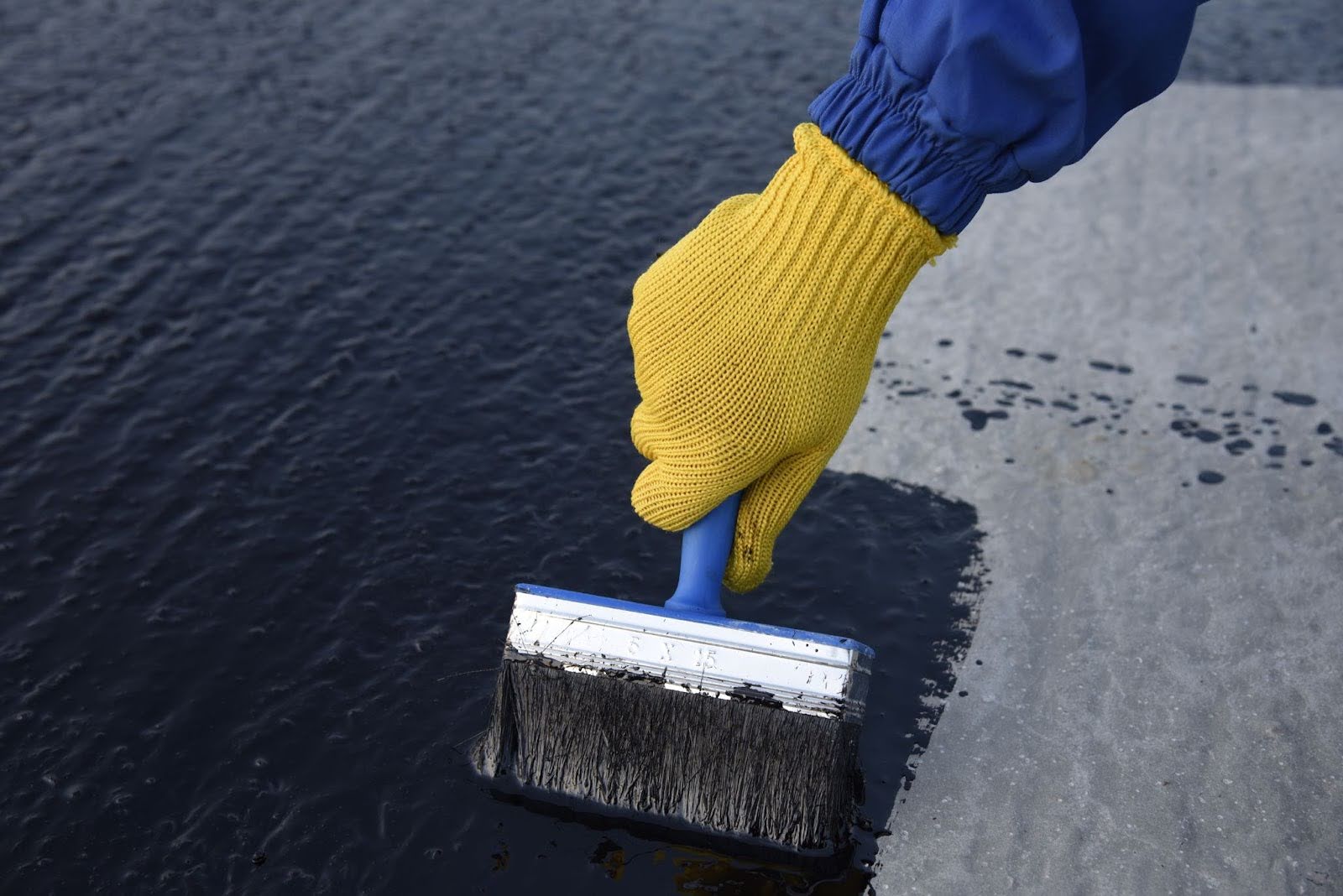
These involve applying a bonded waterproof barrier to masonry surfaces. They resist water pressure directly and are often used in storage areas.
Cavity drain membrane systems
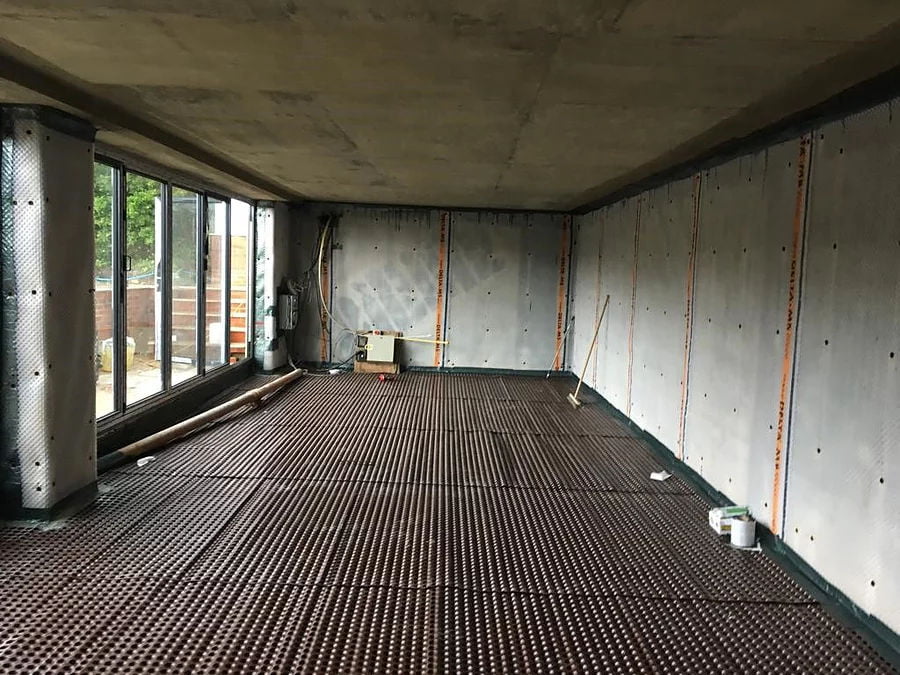
Rather than resisting water, these systems manage it by allowing moisture to pass behind a membrane and into drainage channels.
Correct detailing during structural waterproof membrane installation ensures that water is safely redirected without compromising internal finishes.
External waterproofing
In some situations, preventing water from reaching the structure is the most effective strategy.
Choosing the right system requires professional assessment.
How much does structural waterproofing cost in West London?
One of the most common questions concerns structural waterproofing cost west london. Costs vary widely depending on technical and structural factors.
Key variables include:
- Size of affected area
- Type of waterproofing system
- Groundwater pressure levels
- Drainage or sump pump requirements
- Preparation and reinstatement works
Below is a general guide for 2026.
| Project Scope | Typical System | Approximate Cost Range |
| Small cellar tanking | Bonded tanking system | £3,000 – £6,000 |
| Medium basement membrane | Membrane with drainage channels | £6,000 – £12,000 |
| Full habitable basement | Membrane and pump system | £12,000 – £25,000+ |
These figures explain why structural waterproofing cost west london differs significantly between properties.
Is waterproofing worth the investment?
Does it protect long-term structural integrity?
Yes. Persistent moisture can weaken mortar joints, encourage timber decay and reduce insulation performance.
Does it improve usability of space?
Waterproofed basements can become functional living or storage areas rather than damp liabilities.
Engaging structural waterproofing services west london ensures that solutions are proportionate and correctly designed for the building.
What best describes you?

Homeowner

Tenant

Management/Lettings Agent

Potential Buyer

Other
It just takes 60 Second
And then you can book a free consultation
What happens during installation?
A structured waterproofing project typically includes:
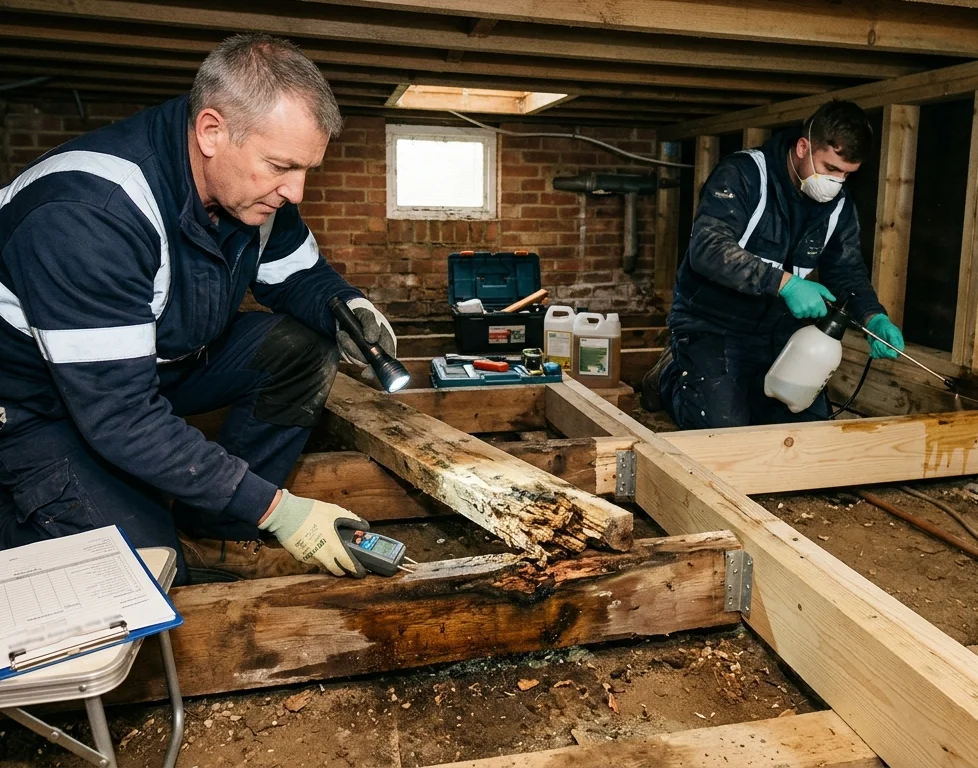
- Detailed inspection and moisture assessment
- Evaluation of soil and groundwater conditions
- System specification
- Surface preparation
- Installation of the selected system
- Detailing at joints and service penetrations
- Final inspection and testing
Attention to detail is critical. Most failures occur at poorly sealed junctions or insufficient drainage planning.
If you are planning a basement renovation or addressing recurring damp, speak to Anke Damp Proofing for tailored structural advice.
Example: West London basement flat
A homeowner notices persistent damp staining along lower basement walls.
Inspection identifies:
- Seasonal groundwater pressure
- Minor cracks in original masonry
- Limited existing drainage
A cavity drain membrane system is specified, including perimeter drainage.
The result is a dry, usable space protected against future ingress.
Without professional design, surface treatments alone may have failed under pressure.
What influences long-term performance?
Successful structural waterproofing services west london depend on:
- Accurate diagnosis
- Correct system choice
- Professional installation
- Ongoing maintenance where required
Pump systems, for example, should be inspected periodically to ensure reliability.
Understanding structural waterproofing cost west london should include consideration of durability rather than short-term savings.
When should you consider structural waterproofing?
You should seek professional advice if:
- Damp persists in below-ground rooms
- Water appears after heavy rainfall
- You are planning a basement conversion
- External ground levels are high
- Previous damp treatments have not resolved the issue
Early intervention is typically less disruptive than reactive structural repair.
Final thoughts
Lower-ground damp requires a strategic approach. Surface fixes rarely address groundwater pressure or long-term moisture risk.
Professionally specified structural waterproofing services west london protect foundations, basements and internal finishes from ongoing damage.
For expert structural waterproofing advice in West London, contact Anke Damp Proofing today and request a detailed consultation.
Careful design and installation provide lasting protection and peace of mind.
Related articles
What best describes you?
Homeowner
Tenant
Management/Lettings Agent
Potential Buyer
Other
At a glance
Across West London, many properties include basements, semi-basements or lower-ground extensions. These areas are particularly vulnerable to groundwater pressure and seasonal moisture changes. Professionally designed structural waterproofing services west london protect these spaces from long-term water ingress.
Whether you are planning a basement conversion or managing recurring damp, understanding how waterproofing works is essential before committing to any work.
If you are concerned about persistent lower-ground damp, contact Anke Damp Proofing to discuss your property and arrange professional guidance.
What is structural waterproofing?
Structural waterproofing refers to systems designed to prevent or manage water entering through foundations, retaining walls and below-ground structures.
Unlike surface damp treatments, structural systems are engineered to cope with hydrostatic pressure and soil moisture.
These systems are commonly installed in:
- Basements and cellars
- Lower-ground flats
- Retaining walls
- Extended foundations
Professional structural waterproofing services west london focus on protecting the building fabric rather than simply masking visible damp.
Why is waterproofing important in West London?
West London includes a mix of Victorian terraces, mansion flats and modern developments. Many older properties were not originally built with today’s waterproofing standards.
Common contributing factors include:
- Raised external ground levels
- Clay-heavy soil retaining moisture
- Ageing brickwork and mortar
- Basement conversions added after original construction
Without appropriate systems in place, moisture can gradually affect foundations and internal finishes.
What systems are typically used?
There is no one-size-fits-all solution. Appropriate system selection depends on soil conditions, water pressure and intended use of the space.
Tanking systems
These involve applying a bonded waterproof barrier to masonry surfaces. They resist water pressure directly and are often used in storage areas.
Cavity drain membrane systems
Rather than resisting water, these systems manage it by allowing moisture to pass behind a membrane and into drainage channels.
Correct detailing during structural waterproof membrane installation ensures that water is safely redirected without compromising internal finishes.
External waterproofing
In some situations, preventing water from reaching the structure is the most effective strategy.
Choosing the right system requires professional assessment.
How much does structural waterproofing cost in West London?
One of the most common questions concerns structural waterproofing cost west london. Costs vary widely depending on technical and structural factors.
Key variables include:
- Size of affected area
- Type of waterproofing system
- Groundwater pressure levels
- Drainage or sump pump requirements
- Preparation and reinstatement works
Below is a general guide for 2026.
| Project Scope | Typical System | Approximate Cost Range |
| Small cellar tanking | Bonded tanking system | £3,000 – £6,000 |
| Medium basement membrane | Membrane with drainage channels | £6,000 – £12,000 |
| Full habitable basement | Membrane and pump system | £12,000 – £25,000+ |
These figures explain why structural waterproofing cost west london differs significantly between properties.
Is waterproofing worth the investment?
Does it protect long-term structural integrity?
Yes. Persistent moisture can weaken mortar joints, encourage timber decay and reduce insulation performance.
Does it improve usability of space?
Waterproofed basements can become functional living or storage areas rather than damp liabilities.
Engaging structural waterproofing services west london ensures that solutions are proportionate and correctly designed for the building.
What best describes you?
Homeowner
Tenant
Management/Lettings Agent
Potential Buyer
Other
It just takes 60 Second
And then you can book a free consultation
What happens during installation?
A structured waterproofing project typically includes:
- Detailed inspection and moisture assessment
- Evaluation of soil and groundwater conditions
- System specification
- Surface preparation
- Installation of the selected system
- Detailing at joints and service penetrations
- Final inspection and testing
Attention to detail is critical. Most failures occur at poorly sealed junctions or insufficient drainage planning.
If you are planning a basement renovation or addressing recurring damp, speak to Anke Damp Proofing for tailored structural advice.
Example: West London basement flat
A homeowner notices persistent damp staining along lower basement walls.
Inspection identifies:
- Seasonal groundwater pressure
- Minor cracks in original masonry
- Limited existing drainage
A cavity drain membrane system is specified, including perimeter drainage.
The result is a dry, usable space protected against future ingress.
Without professional design, surface treatments alone may have failed under pressure.
What influences long-term performance?
Successful structural waterproofing services west london depend on:
- Accurate diagnosis
- Correct system choice
- Professional installation
- Ongoing maintenance where required
Pump systems, for example, should be inspected periodically to ensure reliability.
Understanding structural waterproofing cost west london should include consideration of durability rather than short-term savings.
When should you consider structural waterproofing?
You should seek professional advice if:
- Damp persists in below-ground rooms
- Water appears after heavy rainfall
- You are planning a basement conversion
- External ground levels are high
- Previous damp treatments have not resolved the issue
Early intervention is typically less disruptive than reactive structural repair.
Final thoughts
Lower-ground damp requires a strategic approach. Surface fixes rarely address groundwater pressure or long-term moisture risk.
Professionally specified structural waterproofing services west london protect foundations, basements and internal finishes from ongoing damage.
For expert structural waterproofing advice in West London, contact Anke Damp Proofing today and request a detailed consultation.
Careful design and installation provide lasting protection and peace of mind.
Related articles
What best describes you?
Homeowner
Tenant
Management/Lettings Agent
Potential Buyer