
Structural Waterproof Membrane Installation: How It Protects Buildings Long-Term
Water ingress is one of the most damaging issues a property can face. From damp walls to compromised foundations, untreated moisture can lead to structural problems, mould growth, and expensive repairs.

Why you can trust our content
At a glance
Modern structural waterproof membrane installation offers a reliable solution, creating a barrier that keeps water out and protects the integrity of a building.
In this guide, we’ll explore how these membranes work, why professional installation matters, and what makes modern systems more effective than traditional methods. Understanding the process helps homeowners make informed decisions and safeguards their properties for decades to come.
If you’re considering protection for your property, speak to a structural waterproofing specialist for tailored advice.
What Is a Structural Waterproof Membrane?
A structural waterproof membrane is a high-performance barrier applied to foundations, basements, and other vulnerable areas of a building. Unlike surface coatings, these membranes integrate with the structure itself, preventing water from penetrating critical components.
Key features include:
- Durability: Designed to withstand high water pressure and last decades.
- Flexibility: Accommodates minor movement or settling in the building without cracking.
- Comprehensive protection: Guards walls, floors, and joints simultaneously.
Modern systems often use advanced polymers or bituminous materials, combined with protective boards, to ensure complete coverage and long-term effectiveness.
Why Is Professional Installation Important?
While DIY solutions exist, the effectiveness of a waterproof membrane depends heavily on proper installation. A structural waterproofing specialist ensures:
- Accurate assessment of the property’s moisture risks.
- Correct selection of membrane type for soil conditions and building use.
- Seamless application, including overlap, joints, and sealing around penetrations.
Incorrect installation can lead to leaks, structural damage, or voided warranties. Professional guidance guarantees that the membrane functions as intended and provides peace of mind.
How Does Structural Waterproof Membrane Installation Work?
The installation process typically follows these steps:
- Site Survey: The specialist examines foundations, basements, and external drainage to identify vulnerabilities.
- Preparation: Surfaces are cleaned, levelled, and, if necessary, repairs made to existing concrete or brickwork.
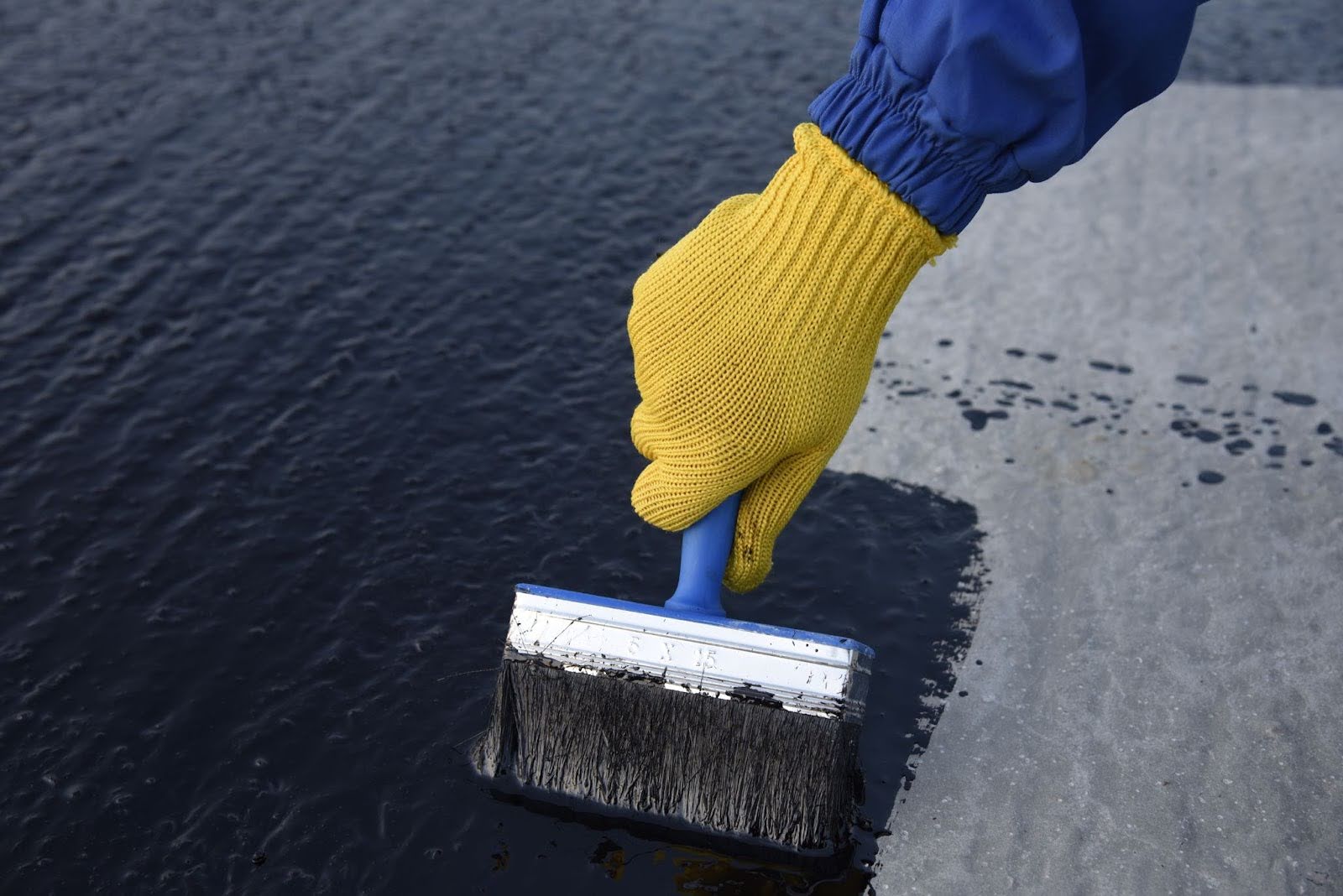
- Membrane Application: Sheets or liquid-applied membranes are positioned to cover walls, floors, and junctions.
- Sealing and Protection: Joints, corners, and pipe penetrations are carefully sealed, and protective boards may be added to prevent damage during backfilling or finishing.
- Final Inspection: The installation is checked for continuity, ensuring there are no gaps or weaknesses.
This method creates a continuous barrier that prevents water ingress and addresses both current and potential moisture threats.
What best describes you?

Homeowner

Tenant

Management/Lettings Agent

Potential Buyer

Other
It just takes 60 Second
And then you can book a free consultation
What Are the Benefits of Structural Waterproof Membranes?
Investing in professional installation offers multiple advantages:
- Long-term property protection: Prevents damp, mould, and structural damage.
- Preservation of finishes: Interior walls, flooring, and plaster remain dry.
- Increased property value: A well-protected building is more appealing to buyers and insurers.
- Cost-effective: Avoids repeated patch repairs and mitigates major structural issues.
Even older properties with previous water problems can benefit, as modern membranes integrate with existing structures to provide robust protection.
What Factors Influence the Choice of Membrane?
Selecting the right membrane depends on property type, soil conditions, and intended use:
- Material type: Polymer, bitumen, or composite membranes are chosen based on durability and site conditions.
- Building location: Urban properties may require additional protection against high groundwater.
- Structural condition: Cracks, settlement, or previous repairs may influence membrane type and installation method.
A specialist assessment ensures the chosen solution is optimised for both short-term performance and long-term reliability.
How Structural Waterproofing Enhances Property Stability
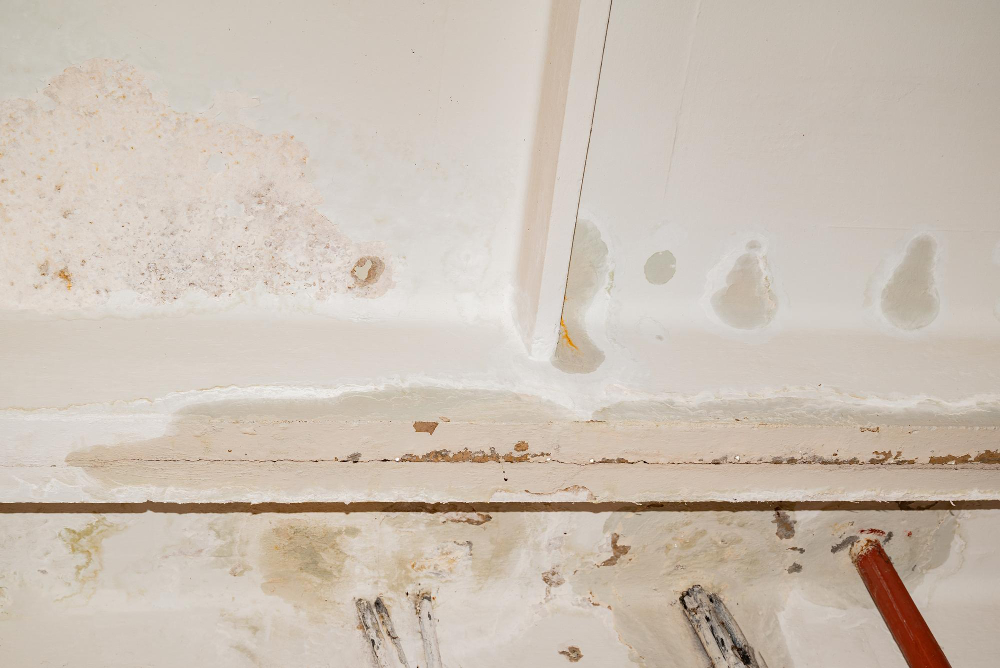
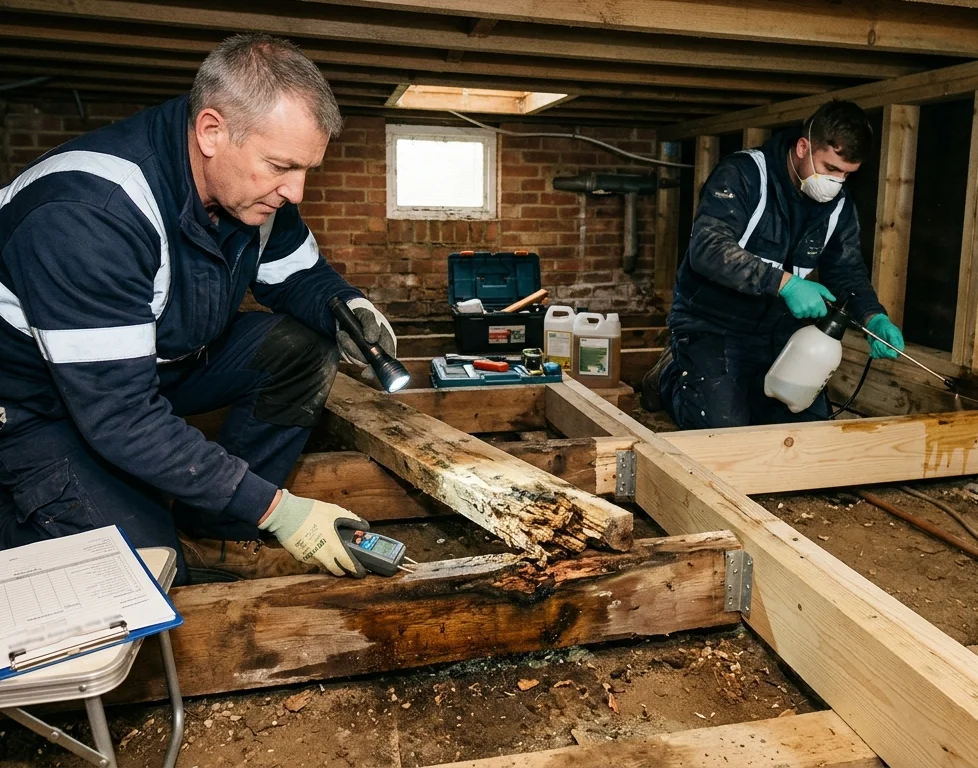
Water can weaken structural components over time, causing concrete spalling, brick erosion, or timber decay. By installing a structural membrane, you:
- Protect foundations from hydrostatic pressure.
- Prevent damp penetration into walls and floors.
- Reduce risks of secondary issues, like dry rot or wet rot, which thrive in damp conditions.
In essence, proper structural damp proofing and waterproofing safeguards the building’s skeleton and helps maintain the integrity of interior finishes.
Case Study: North London Basement
A North London property with a partially converted basement experienced recurring water ingress after heavy rainfall. The survey revealed that the original damp proofing had failed and groundwater was seeping through floor and wall joints.
The solution involved:
- Installing a high-performance structural waterproof membrane across all walls and floors.
- Sealing all pipe penetrations and joints with specialist tapes.
- Adding protective boards and ensuring correct drainage outside the property.
After installation, the basement remained dry through the wet season, with no further signs of damp or water damage. The homeowner was confident in the long-term protection provided by the membrane.
How to Maintain a Waterproof Membrane
While membranes are designed for long-term durability, basic maintenance ensures optimal performance:
- Inspect exposed areas for damage or punctures.
- Ensure external drainage channels remain clear.
- Address any structural cracks promptly.
Routine checks every few years by a structural waterproofing specialist help catch issues early and extend the life of the membrane.
Related articles
What best describes you?
Homeowner
Tenant
Management/Lettings Agent
Potential Buyer
Other
At a glance
Modern structural waterproof membrane installation offers a reliable solution, creating a barrier that keeps water out and protects the integrity of a building.
In this guide, we’ll explore how these membranes work, why professional installation matters, and what makes modern systems more effective than traditional methods. Understanding the process helps homeowners make informed decisions and safeguards their properties for decades to come.
If you’re considering protection for your property, speak to a structural waterproofing specialist for tailored advice.
What Is a Structural Waterproof Membrane?
A structural waterproof membrane is a high-performance barrier applied to foundations, basements, and other vulnerable areas of a building. Unlike surface coatings, these membranes integrate with the structure itself, preventing water from penetrating critical components.
Key features include:
- Durability: Designed to withstand high water pressure and last decades.
- Flexibility: Accommodates minor movement or settling in the building without cracking.
- Comprehensive protection: Guards walls, floors, and joints simultaneously.
Modern systems often use advanced polymers or bituminous materials, combined with protective boards, to ensure complete coverage and long-term effectiveness.
Why Is Professional Installation Important?
While DIY solutions exist, the effectiveness of a waterproof membrane depends heavily on proper installation. A structural waterproofing specialist ensures:
- Accurate assessment of the property’s moisture risks.
- Correct selection of membrane type for soil conditions and building use.
- Seamless application, including overlap, joints, and sealing around penetrations.
Incorrect installation can lead to leaks, structural damage, or voided warranties. Professional guidance guarantees that the membrane functions as intended and provides peace of mind.
How Does Structural Waterproof Membrane Installation Work?
The installation process typically follows these steps:
- Site Survey: The specialist examines foundations, basements, and external drainage to identify vulnerabilities.
- Preparation: Surfaces are cleaned, levelled, and, if necessary, repairs made to existing concrete or brickwork.
- Membrane Application: Sheets or liquid-applied membranes are positioned to cover walls, floors, and junctions.
- Sealing and Protection: Joints, corners, and pipe penetrations are carefully sealed, and protective boards may be added to prevent damage during backfilling or finishing.
- Final Inspection: The installation is checked for continuity, ensuring there are no gaps or weaknesses.
This method creates a continuous barrier that prevents water ingress and addresses both current and potential moisture threats.
What best describes you?
Homeowner
Tenant
Management/Lettings Agent
Potential Buyer
Other
It just takes 60 Second
And then you can book a free consultation
What Are the Benefits of Structural Waterproof Membranes?
Investing in professional installation offers multiple advantages:
- Long-term property protection: Prevents damp, mould, and structural damage.
- Preservation of finishes: Interior walls, flooring, and plaster remain dry.
- Increased property value: A well-protected building is more appealing to buyers and insurers.
- Cost-effective: Avoids repeated patch repairs and mitigates major structural issues.
Even older properties with previous water problems can benefit, as modern membranes integrate with existing structures to provide robust protection.
What Factors Influence the Choice of Membrane?
Selecting the right membrane depends on property type, soil conditions, and intended use:
- Material type: Polymer, bitumen, or composite membranes are chosen based on durability and site conditions.
- Building location: Urban properties may require additional protection against high groundwater.
- Structural condition: Cracks, settlement, or previous repairs may influence membrane type and installation method.
A specialist assessment ensures the chosen solution is optimised for both short-term performance and long-term reliability.
How Structural Waterproofing Enhances Property Stability
Water can weaken structural components over time, causing concrete spalling, brick erosion, or timber decay. By installing a structural membrane, you:
- Protect foundations from hydrostatic pressure.
- Prevent damp penetration into walls and floors.
- Reduce risks of secondary issues, like dry rot or wet rot, which thrive in damp conditions.
In essence, proper structural damp proofing and waterproofing safeguards the building’s skeleton and helps maintain the integrity of interior finishes.
Case Study: North London Basement
A North London property with a partially converted basement experienced recurring water ingress after heavy rainfall. The survey revealed that the original damp proofing had failed and groundwater was seeping through floor and wall joints.
The solution involved:
- Installing a high-performance structural waterproof membrane across all walls and floors.
- Sealing all pipe penetrations and joints with specialist tapes.
- Adding protective boards and ensuring correct drainage outside the property.
After installation, the basement remained dry through the wet season, with no further signs of damp or water damage. The homeowner was confident in the long-term protection provided by the membrane.
How to Maintain a Waterproof Membrane
While membranes are designed for long-term durability, basic maintenance ensures optimal performance:
- Inspect exposed areas for damage or punctures.
- Ensure external drainage channels remain clear.
- Address any structural cracks promptly.
Routine checks every few years by a structural waterproofing specialist help catch issues early and extend the life of the membrane.
Related articles
What best describes you?
Homeowner
Tenant
Management/Lettings Agent
Potential Buyer