

Rot Risk Behind Finished Rooms in West London: What Homeowners Should Not Ignore
Modern decorating can make a home look immaculate, but attractive finishes do not always reflect the condition of the structure beneath.

Why you can trust our content
At a glance
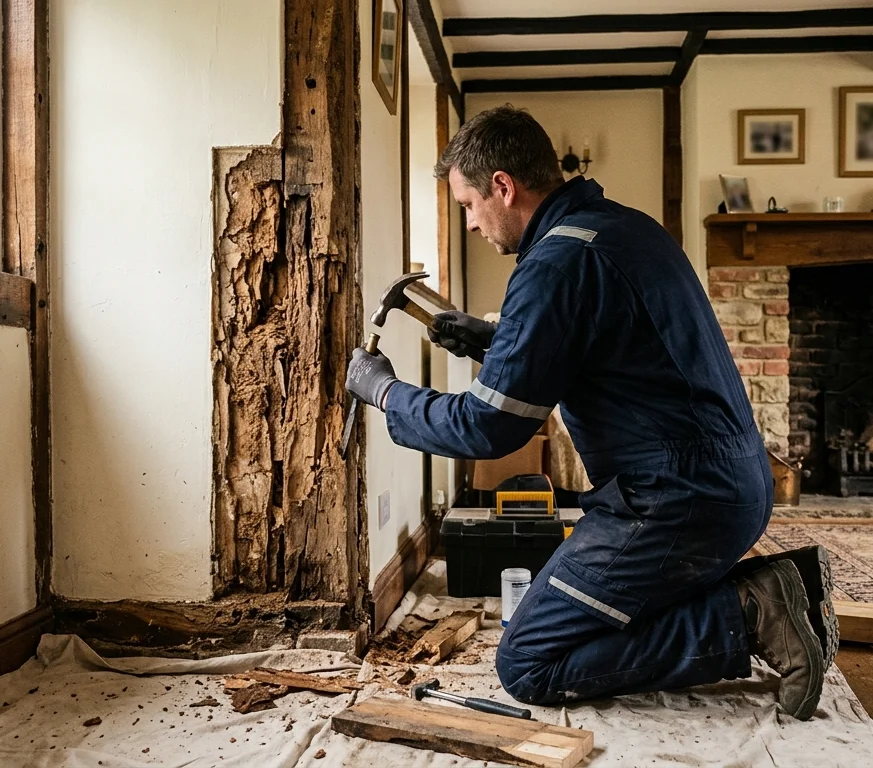
Behind freshly plastered walls, fitted cupboards and suspended floors, moisture can remain hidden for months or even years before obvious signs begin to appear.
In many West London homes, particularly older period properties, concealed damp can eventually affect structural timber. Recognising the early warning signs helps homeowners act before relatively small problems develop into costly repairs.
If you’ve noticed unexplained musty smells, uneven flooring or signs of damp, contact Anke Damp Proofing for a professional assessment before carrying out further repairs.
Why does timber decay remain hidden for so long?
Unlike visible damp patches, timber decay often develops in areas that homeowners rarely inspect.
Common hidden locations include:
- Beneath suspended timber floors
- Behind fitted wardrobes
- Inside roof spaces
- Under staircases
- Behind plasterboard
- Within cellar ceilings
- Around concealed pipework
Because these areas receive little attention during everyday maintenance, moisture can remain undetected until structural symptoms begin to appear.
What are the first warning signs?
Timber decay rarely develops without producing clues.
Look out for:
- Floors becoming springy or uneven
- Skirting boards softening
- Doors sticking unexpectedly
- Persistent musty smells
- Cracked or lifting flooring
- Damp patches that repeatedly return
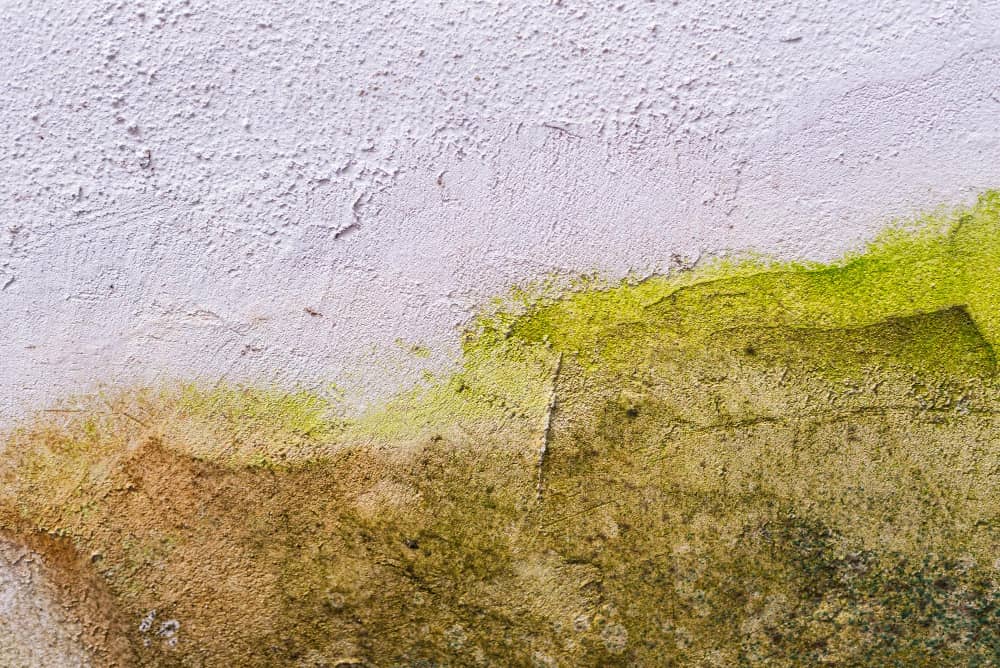
- Localised mould growth
These symptoms do not automatically indicate serious structural decay, but they should never be ignored.
Professional dry rot treatment west london begins with identifying why timber has become damp before repairs are recommended.
Could finished walls be hiding a larger problem?
Yes.
Fresh decoration often conceals moisture rather than preventing it.
For example:
- Wallpaper may hide deteriorating plaster.
- Decorative panelling can conceal penetrating damp.
- Fitted furniture may reduce airflow against external walls.
- New flooring can cover moisture beneath suspended timber structures.
This is why experienced surveyors investigate beyond visible finishes instead of relying solely on surface appearances.
What should a professional inspection include?
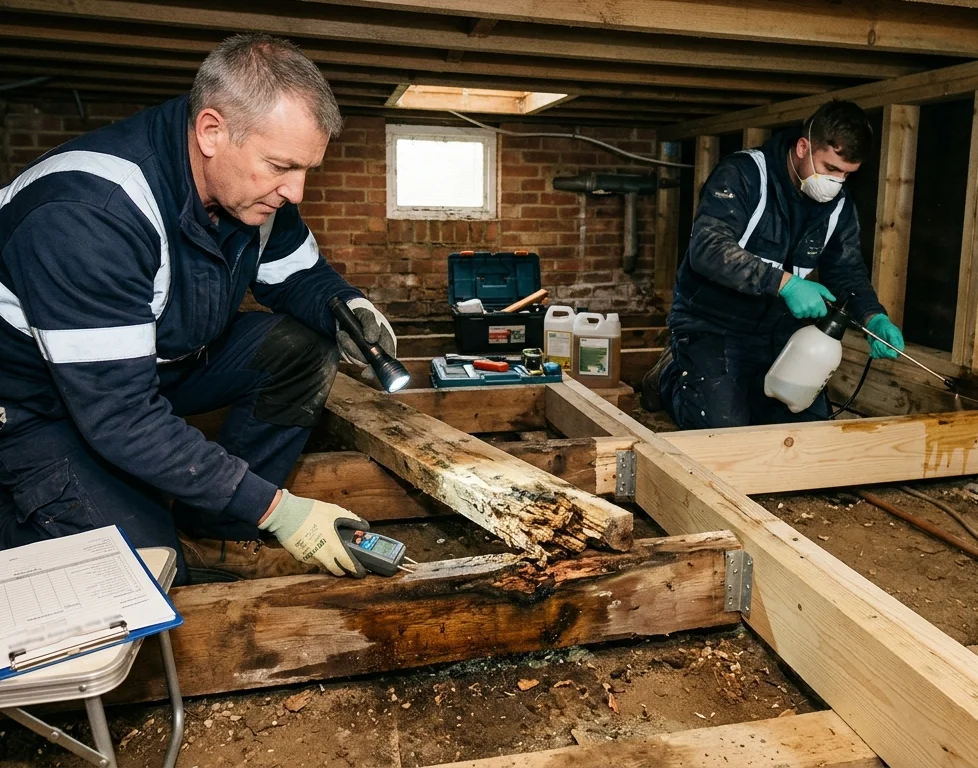
A detailed inspection considers how moisture may be affecting different parts of the property.
| Area Checked | Purpose |
| Floorboards | Assess movement and hidden decay |
| Structural joists | Check for fungal damage |
| External walls | Identify water penetration |
| Roof and guttering | Find moisture entry points |
| Ventilation | Assess condensation risk |
| Plumbing | Detect concealed leaks |
| Cellars and basements | Check humidity and dampness |
Looking at the property as a whole provides a much clearer understanding of the source of moisture.
Can dry rot and wet rot be confused?
Sometimes they can.
Both develop because timber has been exposed to moisture, but they behave differently and require accurate diagnosis.
Wet rot usually remains close to the source of moisture, while dry rot has the potential to spread through connected timber if favourable conditions continue.
Because treatment differs, professional inspection is essential before repairs begin.
Experienced specialists providing dry rot treatment west london will identify the type of fungal decay present before recommending remedial work.
What best describes you?

Homeowner

Tenant

Management/Lettings Agent

Potential Buyer

Other
It just takes 60 Second
And then you can book a free consultation
A typical example
A homeowner notices slight movement in a timber floor beneath newly fitted laminate flooring. There are no visible damp patches on nearby walls, so the issue is initially thought to be normal movement.
During a survey, concealed moisture is discovered beneath the suspended floor where poor ventilation has allowed humidity to build up over several years. Several joists have developed fungal decay, while surrounding timber remains structurally sound.
Because the problem is identified early, repairs are limited to the affected area, avoiding much more extensive structural work.
If you suspect hidden moisture behind walls or beneath floors, Anke Damp Proofing can carry out a detailed survey to identify the cause before unnecessary repairs are undertaken.
When should homeowners arrange an inspection?
Professional advice is recommended if you notice:
- Uneven timber flooring
- Persistent damp smells
- Soft skirting boards
- Repeated damp after decoration
- Visible fungal growth
- Damp in cellars or beneath ground floors
- Concerns before major renovation work
Professional dry rot repair services west london begin with a detailed assessment to determine whether timber has been affected and what has caused the moisture.
Where timber remains damp but fungal spread is limited, wet rot treatment west london may be the appropriate solution following inspection.
Why is early diagnosis so important?
Hidden timber decay becomes more expensive to repair the longer it remains unnoticed.
Early investigation helps:
- Prevent structural deterioration
- Protect original timber where possible
- Reduce repair costs
- Identify moisture sources
- Avoid unnecessary replacement of sound materials
- Improve long-term property maintenance
If structural timber has already been affected, professional dry rot repair services west london should always include measures to eliminate the moisture source as well as repairing the damaged timber.
If you’re concerned about hidden damp or timber decay in your West London property, contact Anke Damp Proofing. Our experienced team provides thorough inspections, clear explanations and practical recommendations tailored to your home.
Conclusion
Hidden timber decay is one of the easiest property problems to overlook because it often develops behind finished surfaces long before obvious damage appears. Taking action when the first warning signs emerge can prevent more extensive repairs and help preserve the structure of your home.
At Anke Damp Proofing, we take a survey-led approach to every property. By identifying the source of moisture before recommending treatment, our experienced team helps West London homeowners make informed decisions and protect their homes for the future.
Related articles

What best describes you?
Homeowner
Tenant
Management/Lettings Agent
Potential Buyer
Other
At a glance
Behind freshly plastered walls, fitted cupboards and suspended floors, moisture can remain hidden for months or even years before obvious signs begin to appear.
In many West London homes, particularly older period properties, concealed damp can eventually affect structural timber. Recognising the early warning signs helps homeowners act before relatively small problems develop into costly repairs.
If you’ve noticed unexplained musty smells, uneven flooring or signs of damp, contact Anke Damp Proofing for a professional assessment before carrying out further repairs.
Why does timber decay remain hidden for so long?
Unlike visible damp patches, timber decay often develops in areas that homeowners rarely inspect.
Common hidden locations include:
- Beneath suspended timber floors
- Behind fitted wardrobes
- Inside roof spaces
- Under staircases
- Behind plasterboard
- Within cellar ceilings
- Around concealed pipework
Because these areas receive little attention during everyday maintenance, moisture can remain undetected until structural symptoms begin to appear.
What are the first warning signs?
Timber decay rarely develops without producing clues.
Look out for:
- Floors becoming springy or uneven
- Skirting boards softening
- Doors sticking unexpectedly
- Persistent musty smells
- Cracked or lifting flooring
- Damp patches that repeatedly return
- Localised mould growth
These symptoms do not automatically indicate serious structural decay, but they should never be ignored.
Professional dry rot treatment west london begins with identifying why timber has become damp before repairs are recommended.
Could finished walls be hiding a larger problem?
Yes.
Fresh decoration often conceals moisture rather than preventing it.
For example:
- Wallpaper may hide deteriorating plaster.
- Decorative panelling can conceal penetrating damp.
- Fitted furniture may reduce airflow against external walls.
- New flooring can cover moisture beneath suspended timber structures.
This is why experienced surveyors investigate beyond visible finishes instead of relying solely on surface appearances.
What should a professional inspection include?
A detailed inspection considers how moisture may be affecting different parts of the property.
| Area Checked | Purpose |
| Floorboards | Assess movement and hidden decay |
| Structural joists | Check for fungal damage |
| External walls | Identify water penetration |
| Roof and guttering | Find moisture entry points |
| Ventilation | Assess condensation risk |
| Plumbing | Detect concealed leaks |
| Cellars and basements | Check humidity and dampness |
Looking at the property as a whole provides a much clearer understanding of the source of moisture.
Can dry rot and wet rot be confused?
Sometimes they can.
Both develop because timber has been exposed to moisture, but they behave differently and require accurate diagnosis.
Wet rot usually remains close to the source of moisture, while dry rot has the potential to spread through connected timber if favourable conditions continue.
Because treatment differs, professional inspection is essential before repairs begin.
Experienced specialists providing dry rot treatment west london will identify the type of fungal decay present before recommending remedial work.
What best describes you?
Homeowner
Tenant
Management/Lettings Agent
Potential Buyer
Other
It just takes 60 Second
And then you can book a free consultation
A typical example
A homeowner notices slight movement in a timber floor beneath newly fitted laminate flooring. There are no visible damp patches on nearby walls, so the issue is initially thought to be normal movement.
During a survey, concealed moisture is discovered beneath the suspended floor where poor ventilation has allowed humidity to build up over several years. Several joists have developed fungal decay, while surrounding timber remains structurally sound.
Because the problem is identified early, repairs are limited to the affected area, avoiding much more extensive structural work.
If you suspect hidden moisture behind walls or beneath floors, Anke Damp Proofing can carry out a detailed survey to identify the cause before unnecessary repairs are undertaken.
When should homeowners arrange an inspection?
Professional advice is recommended if you notice:
- Uneven timber flooring
- Persistent damp smells
- Soft skirting boards
- Repeated damp after decoration
- Visible fungal growth
- Damp in cellars or beneath ground floors
- Concerns before major renovation work
Professional dry rot repair services west london begin with a detailed assessment to determine whether timber has been affected and what has caused the moisture.
Where timber remains damp but fungal spread is limited, wet rot treatment west london may be the appropriate solution following inspection.
Why is early diagnosis so important?
Hidden timber decay becomes more expensive to repair the longer it remains unnoticed.
Early investigation helps:
- Prevent structural deterioration
- Protect original timber where possible
- Reduce repair costs
- Identify moisture sources
- Avoid unnecessary replacement of sound materials
- Improve long-term property maintenance
If structural timber has already been affected, professional dry rot repair services west london should always include measures to eliminate the moisture source as well as repairing the damaged timber.
If you’re concerned about hidden damp or timber decay in your West London property, contact Anke Damp Proofing. Our experienced team provides thorough inspections, clear explanations and practical recommendations tailored to your home.
Conclusion
Hidden timber decay is one of the easiest property problems to overlook because it often develops behind finished surfaces long before obvious damage appears. Taking action when the first warning signs emerge can prevent more extensive repairs and help preserve the structure of your home.
At Anke Damp Proofing, we take a survey-led approach to every property. By identifying the source of moisture before recommending treatment, our experienced team helps West London homeowners make informed decisions and protect their homes for the future.
Related articles
What best describes you?
Homeowner
Tenant
Management/Lettings Agent
Potential Buyer