
Preventative Damp Proofing Strategies for Long-Term Property Health
Damp is one of the most common yet overlooked issues in UK homes. Left untreated, it can lead to structural damage, poor indoor air quality, and costly repairs.

Why you can trust our content
At a glance
The good news is that many damp problems can be prevented with the right approach.
Taking a proactive stance not only protects your property but also helps maintain a healthier living environment. Whether you own a period property or a newer build, understanding preventative damp proofing strategies can make a significant difference over time.
If you’re unsure about your property’s current condition, you can speak to a damp proofing specialist for tailored advice before issues develop further.
What Is Preventative Damp Proofing?
Preventative damp proofing focuses on stopping moisture from entering your property before it causes damage. Rather than reacting to visible damp, it involves identifying risk factors and implementing protective measures early.
This can include improving ventilation, installing barriers, and maintaining external elements such as gutters and drainage systems.
Working with a damp proofing specialist ensures these measures are correctly applied and suited to your property type.
Why Is Damp Prevention Important for Long-Term Property Health?
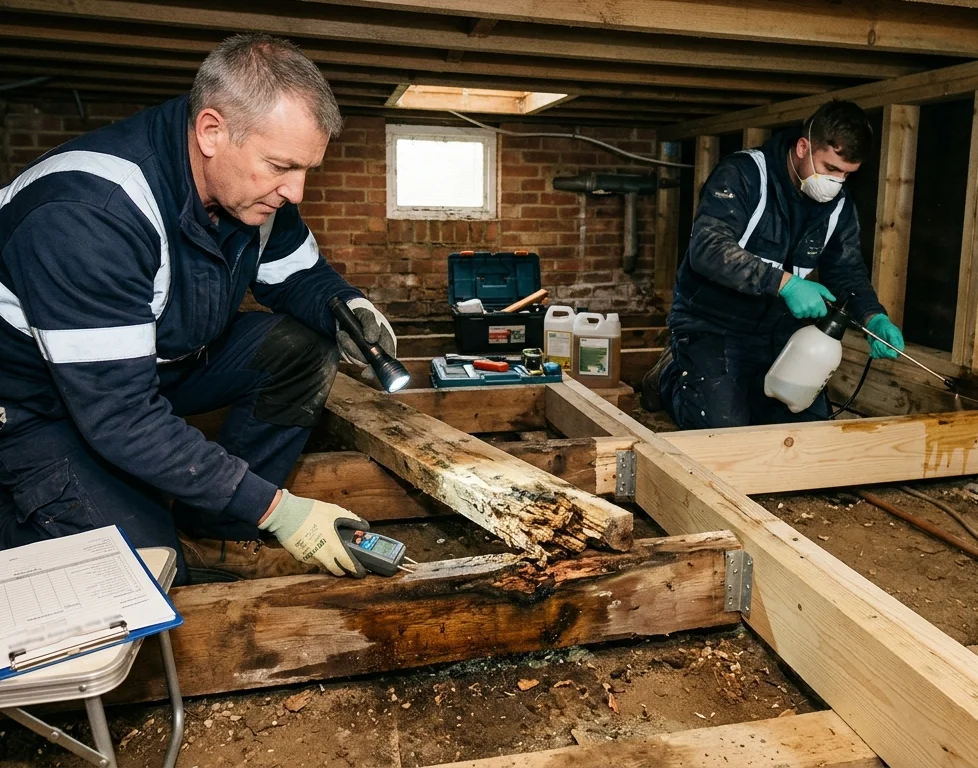
Preventing damp is not just about avoiding cosmetic issues like peeling paint or musty smells. It plays a key role in preserving the structural integrity of your home.
Long-term benefits include:
- Reduced risk of timber decay and rot
- Improved indoor air quality
- Lower maintenance and repair costs
- Increased property value
Moisture can quietly damage walls, floors, and foundations over time. Investing in structural damp proofing and waterproofing early can prevent far more serious problems later.
Common Causes of Damp in UK Homes
Understanding what leads to damp is essential for effective prevention. Some of the most common causes include:
- Poor ventilation in kitchens and bathrooms
- Faulty or blocked guttering
- Rising damp from ground moisture
- Penetrating damp due to external defects
- Condensation caused by temperature differences
Each type of damp requires a slightly different preventative approach, which is why professional assessment is often recommended.
How Can You Prevent Damp Before It Starts?
There are several practical steps homeowners can take to reduce the risk of damp.
Improve Ventilation
Proper airflow helps reduce condensation. Consider:
- Installing extractor fans
- Opening windows regularly
- Using trickle vents
What best describes you?

Homeowner

Tenant

Management/Lettings Agent

Potential Buyer

Other
It just takes 60 Second
And then you can book a free consultation
Maintain External Features
Your home’s exterior is the first line of defence:
- Keep gutters and downpipes clear
- Repair cracked brickwork or render
- Check roof tiles and flashing
Manage Ground Levels
Ensure that external ground levels are below the damp proof course to prevent moisture from rising into walls.
Install Protective Systems
In some cases, structural damp proofing and waterproofing systems may be recommended, particularly in basements or older properties.
What Role Does a Damp Proofing Specialist Play?
A professional assessment is often the most effective way to identify potential risks before they become visible problems.
A damp proofing specialist can:
- Conduct a thorough damp survey
- Identify hidden moisture sources
- Recommend tailored prevention strategies
- Install appropriate systems
They also ensure that any work complies with current building standards, giving you peace of mind.
If you’re planning improvements or renovations, it’s worth contacting our team at Anke Damp Proofing to assess your property before work begins.
Preventative Measures vs Reactive Repairs
It’s helpful to understand the difference between prevention and repair when considering your options.
| Aspect | Preventative Damp Proofing | Reactive Damp Repairs |
| Timing | Before issues occur | After damage is visible |
| Cost | Lower long-term investment | Potentially higher overall cost |
| Disruption | Minimal | Can involve major works |
| Property Protection | Proactive and ongoing | Reactive and often temporary |
While some homeowners hesitate due to the perceived damp proof cost, prevention is typically far more cost-effective than dealing with advanced damage.
Are Older Properties More at Risk?
Older homes, particularly those built before modern damp proof courses were standard, are more vulnerable to moisture issues.
Common challenges include:
- Solid walls without cavity insulation
- Worn or ineffective damp proof courses
- Ageing materials that absorb moisture more easily
However, with the right preventative measures, even period properties can be well protected. Tailored solutions are essential to ensure compatibility with traditional construction methods.
Case Study: Preventing Damp in a Period Property
A homeowner in Hertfordshire noticed occasional condensation and minor staining on internal walls. While not severe, these were early warning signs.
After consulting a damp proofing specialist, a preventative plan was put in place. This included improving ventilation, repairing external brickwork, and applying a protective waterproofing system in vulnerable areas.
Over time, the property remained dry and stable, avoiding the need for more extensive repairs. This highlights how early intervention can protect both the structure and overall comfort of a home.
When Should You Consider Preventative Damp Proofing?
You don’t need to wait for visible signs of damp to take action. In fact, prevention is most effective before problems arise.
Consider preventative measures if:
- You’re buying or renovating a property
- Your home is older or has a history of damp
- You notice minor condensation or musty odours
- External elements such as gutters or render need repair
Regular checks and maintenance can go a long way in preventing future issues.
How Often Should Damp Prevention Be Reviewed?
A periodic review of your property’s condition is recommended, especially in areas prone to moisture.
As a general guide:
- Annual visual inspections are beneficial
- Professional surveys every few years provide deeper insight
- Immediate checks should be carried out after severe weather
Keeping on top of maintenance ensures small issues don’t develop into major concerns.
Conclusion
Preventative damp proofing is one of the most effective ways to safeguard your property for the long term. By addressing potential risks early, you can avoid costly repairs and maintain a healthier living environment.
Whether it’s improving ventilation, maintaining external features, or investing in structural protection, a proactive approach makes all the difference. Working with experienced professionals ensures that the right solutions are applied correctly and efficiently.
For expert guidance and tailored recommendations, you can contact Anke Damp Proofing or request a bespoke assessment to protect your home for years to come.
Related articles
What best describes you?
Homeowner
Tenant
Management/Lettings Agent
Potential Buyer
Other
At a glance
The good news is that many damp problems can be prevented with the right approach.
Taking a proactive stance not only protects your property but also helps maintain a healthier living environment. Whether you own a period property or a newer build, understanding preventative damp proofing strategies can make a significant difference over time.
If you’re unsure about your property’s current condition, you can speak to a damp proofing specialist for tailored advice before issues develop further.
What Is Preventative Damp Proofing?
Preventative damp proofing focuses on stopping moisture from entering your property before it causes damage. Rather than reacting to visible damp, it involves identifying risk factors and implementing protective measures early.
This can include improving ventilation, installing barriers, and maintaining external elements such as gutters and drainage systems.
Working with a damp proofing specialist ensures these measures are correctly applied and suited to your property type.
Why Is Damp Prevention Important for Long-Term Property Health?
Preventing damp is not just about avoiding cosmetic issues like peeling paint or musty smells. It plays a key role in preserving the structural integrity of your home.
Long-term benefits include:
- Reduced risk of timber decay and rot
- Improved indoor air quality
- Lower maintenance and repair costs
- Increased property value
Moisture can quietly damage walls, floors, and foundations over time. Investing in structural damp proofing and waterproofing early can prevent far more serious problems later.
Common Causes of Damp in UK Homes
Understanding what leads to damp is essential for effective prevention. Some of the most common causes include:
- Poor ventilation in kitchens and bathrooms
- Faulty or blocked guttering
- Rising damp from ground moisture
- Penetrating damp due to external defects
- Condensation caused by temperature differences
Each type of damp requires a slightly different preventative approach, which is why professional assessment is often recommended.
How Can You Prevent Damp Before It Starts?
There are several practical steps homeowners can take to reduce the risk of damp.
Improve Ventilation
Proper airflow helps reduce condensation. Consider:
- Installing extractor fans
- Opening windows regularly
- Using trickle vents
What best describes you?
Homeowner
Tenant
Management/Lettings Agent
Potential Buyer
Other
It just takes 60 Second
And then you can book a free consultation
Maintain External Features
Your home’s exterior is the first line of defence:
- Keep gutters and downpipes clear
- Repair cracked brickwork or render
- Check roof tiles and flashing
Manage Ground Levels
Ensure that external ground levels are below the damp proof course to prevent moisture from rising into walls.
Install Protective Systems
In some cases, structural damp proofing and waterproofing systems may be recommended, particularly in basements or older properties.
What Role Does a Damp Proofing Specialist Play?
A professional assessment is often the most effective way to identify potential risks before they become visible problems.
A damp proofing specialist can:
- Conduct a thorough damp survey
- Identify hidden moisture sources
- Recommend tailored prevention strategies
- Install appropriate systems
They also ensure that any work complies with current building standards, giving you peace of mind.
If you’re planning improvements or renovations, it’s worth contacting our team at Anke Damp Proofing to assess your property before work begins.
Preventative Measures vs Reactive Repairs
It’s helpful to understand the difference between prevention and repair when considering your options.
| Aspect | Preventative Damp Proofing | Reactive Damp Repairs |
| Timing | Before issues occur | After damage is visible |
| Cost | Lower long-term investment | Potentially higher overall cost |
| Disruption | Minimal | Can involve major works |
| Property Protection | Proactive and ongoing | Reactive and often temporary |
While some homeowners hesitate due to the perceived damp proof cost, prevention is typically far more cost-effective than dealing with advanced damage.
Are Older Properties More at Risk?
Older homes, particularly those built before modern damp proof courses were standard, are more vulnerable to moisture issues.
Common challenges include:
- Solid walls without cavity insulation
- Worn or ineffective damp proof courses
- Ageing materials that absorb moisture more easily
However, with the right preventative measures, even period properties can be well protected. Tailored solutions are essential to ensure compatibility with traditional construction methods.
Case Study: Preventing Damp in a Period Property
A homeowner in Hertfordshire noticed occasional condensation and minor staining on internal walls. While not severe, these were early warning signs.
After consulting a damp proofing specialist, a preventative plan was put in place. This included improving ventilation, repairing external brickwork, and applying a protective waterproofing system in vulnerable areas.
Over time, the property remained dry and stable, avoiding the need for more extensive repairs. This highlights how early intervention can protect both the structure and overall comfort of a home.
When Should You Consider Preventative Damp Proofing?
You don’t need to wait for visible signs of damp to take action. In fact, prevention is most effective before problems arise.
Consider preventative measures if:
- You’re buying or renovating a property
- Your home is older or has a history of damp
- You notice minor condensation or musty odours
- External elements such as gutters or render need repair
Regular checks and maintenance can go a long way in preventing future issues.
How Often Should Damp Prevention Be Reviewed?
A periodic review of your property’s condition is recommended, especially in areas prone to moisture.
As a general guide:
- Annual visual inspections are beneficial
- Professional surveys every few years provide deeper insight
- Immediate checks should be carried out after severe weather
Keeping on top of maintenance ensures small issues don’t develop into major concerns.
Conclusion
Preventative damp proofing is one of the most effective ways to safeguard your property for the long term. By addressing potential risks early, you can avoid costly repairs and maintain a healthier living environment.
Whether it’s improving ventilation, maintaining external features, or investing in structural protection, a proactive approach makes all the difference. Working with experienced professionals ensures that the right solutions are applied correctly and efficiently.
For expert guidance and tailored recommendations, you can contact Anke Damp Proofing or request a bespoke assessment to protect your home for years to come.
Related articles
What best describes you?
Homeowner
Tenant
Management/Lettings Agent
Potential Buyer