

Local Damp Proofing Experts in St Albans: Preventing Moisture Damage
Local Damp Proofing Experts in St Albans: Preventing Moisture Damage St Albans has a real mix of homes, from characterful…

Why you can trust our content

At a glance
Local Damp Proofing Experts in St Albans: Preventing Moisture Damage
St Albans has a real mix of homes, from characterful Victorian terraces and post war semis through to modern townhouses and flats. What many of these properties share is one quiet problem that can easily be overlooked: moisture slowly working its way into walls, floors and timbers.
Left alone, minor patches of damp can turn into peeling paint, damaged plaster, mould and even structural decay. That is why working with local damp proofing experts St Albans homeowners can trust makes such a difference. You get advice that fits the local housing stock, the local climate and the way you actually use your home.
In this guide, we will look at the issues that specialists see most often, the types of solutions they use, what a good survey involves and how to choose the right team to look after your property.
If you have started to notice damp staining, flaking paint or musty smells, you can contact Anke Damp Proofing to speak with local damp proofing experts St Albans homeowners rely on for clear, practical advice.
What problems do local damp experts see most often in St Albans?
Certain issues crop up again and again in local homes. Understanding these patterns helps you spot trouble before it grows.
Common problems include:
- Rising damp in ground floor walls
Often visible as tide marks, blistered paint or crumbling skirtings at low level. This can be linked to an ageing damp proof course or external ground levels that have been raised over time. - Penetrating damp from outside walls
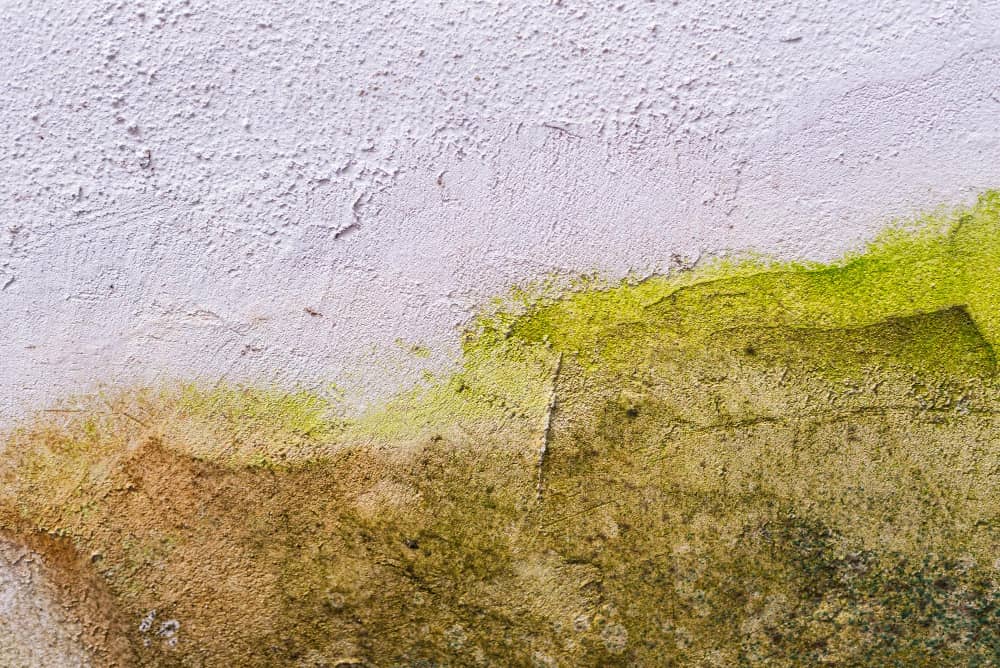
Defective pointing, cracked render, blocked gutters or leaking downpipes allow rainwater to soak into masonry, leading to damp patches and salt deposits on internal walls. - Condensation and mould in colder rooms
Bathrooms, bedrooms and north facing rooms often suffer where ventilation and heating levels are not quite right, especially in well insulated modernised homes. - Timber decay around floors and roofs
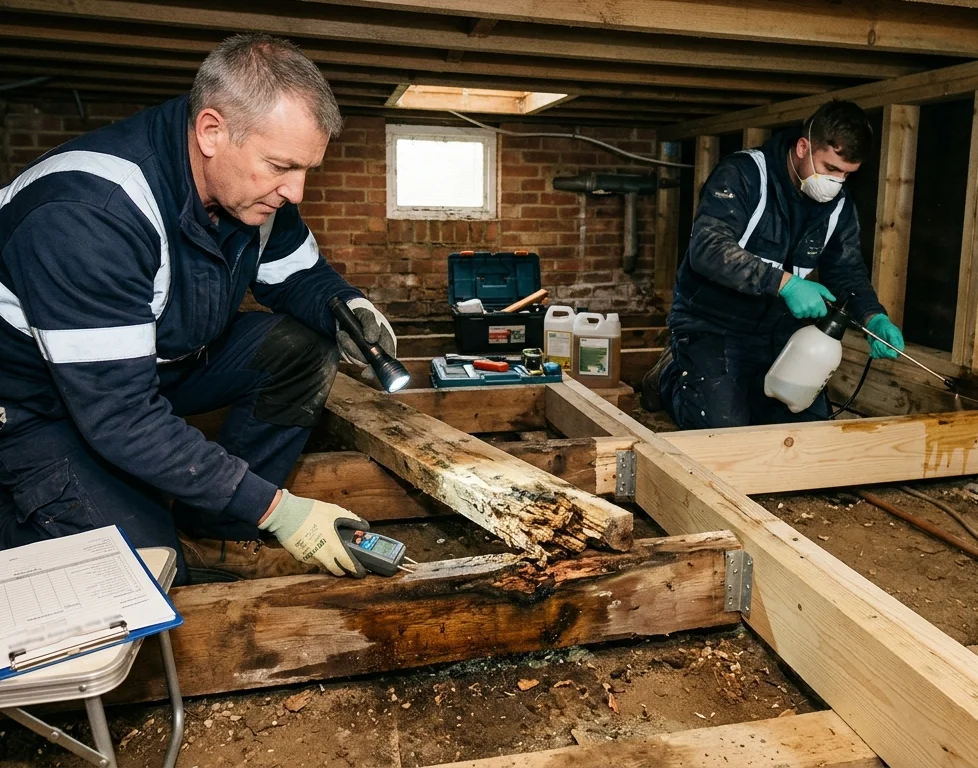
Long term moisture can lead to wet rot or dry rot in joists, floorboards and roof timbers, sometimes hidden until more serious damage appears.
Local specialists understand how these issues combine with the specific building styles found in St Albans, from solid brick walls in older homes to cavity walls and concrete floors in newer properties.
How do surveys help prevent long term moisture damage?
A proper survey is the starting point for any sensible plan. Rather than guessing from a single damp patch, a specialist will look at how your whole property behaves.
During a typical survey, you can expect:
- A walkthrough of all affected and surrounding rooms
- Moisture readings taken at different heights and locations
- Checks to skirtings, floorboards and accessible timbers
- External inspection of gutters, downpipes, brickwork and ground levels
- Clear explanations of what is being found and why it matters
The survey is your chance to ask questions about causes, risks and options. It also forms the basis for a tailored proposal so that any work recommended is proportionate to the actual problem, not a one size fits all solution.
If you would like this kind of structured inspection, you can speak to our team at Anke Damp Proofing to arrange a detailed survey of your St Albans property.
Which damp proofing solutions are typically used in St Albans?
There is a wide toolkit available, and the right approach depends on the type of damp, the age of the property and your future plans. Many damp proof companies st albans offer a blend of solutions to get the best long term results.
Here are some of the main options and when they are used:
| Issue Identified | Typical Solutions Used | Notes |
| Rising damp in ground floor walls | New damp proof course, specialist replastering, improved detailing | Often combined with repair to external ground levels |
| Penetrating damp through brickwork | Masonry repairs, repointing, water repellent treatments | External defects must be fixed first |
| Condensation and surface mould | Improved ventilation, extractor fans, advice on heating and airflow | Sometimes combined with insulation upgrades |
| Damp in basements or lower levels | Structural waterproofing systems, membranes, drainage | Needs careful design and ongoing maintenance |
| Localised timber decay | Timber treatments, repairs or replacement of affected sections | Important where structural elements are affected |
The key is that local damp proofing experts st albans will match the remedy to the cause. Treating symptoms alone, such as just repainting, nearly always leads to the problem returning.
What best describes you?

Homeowner

Tenant

Management/Lettings Agent

Potential Buyer

Other
It just takes 60 Second
And then you can book a free consultation
What should you expect from local specialists?
When you invite a company into your home, you need more than a quick sales visit. Professional support from local damp proofing experts St Albans residents can depend on usually includes:
- Clear communication
Findings should be explained in straightforward language, with diagrams or photos where helpful, so you understand exactly what is happening. - Tailored recommendations
Proposals should reflect your property, budget and plans, not just a standard list of treatments. - Thoughtful planning of disruption
You should be told how long work will take, which rooms will be affected and how dust and noise will be managed. - Written reports and guarantees
Good specialists provide documentation you can keep for your records, which can also help during future sales or mortgage processes.
Taking the time to compare damp proof companies st albans on this basis can give you confidence that you are choosing a team focused on long term results rather than quick fixes.
Case study: stopping recurring damp in a St Albans semi
A family in St Albans had repainted their front room several times, but damp patches kept reappearing along the bottom of the external wall. They finally called in specialists for help.
The survey found:
- High moisture readings at skirting level along most of the wall
- Old plaster contaminated with salts from long term damp
- External flower beds built up above the original damp proof course
The agreed solution involved:
- Lowering external ground levels and improving drainage
- Installing a new damp proof course in the affected wall
- Removing salt contaminated plaster to a recommended height
- Replastering with a suitable damp resistant system
Once the work was completed and allowing for proper drying time, the family redecorated. The damp patches did not return, and they had a written record of the work for future reference.
Related articles

What best describes you?
Homeowner
Tenant
Management/Lettings Agent
Potential Buyer
Other
At a glance
Local Damp Proofing Experts in St Albans: Preventing Moisture Damage
St Albans has a real mix of homes, from characterful Victorian terraces and post war semis through to modern townhouses and flats. What many of these properties share is one quiet problem that can easily be overlooked: moisture slowly working its way into walls, floors and timbers.
Left alone, minor patches of damp can turn into peeling paint, damaged plaster, mould and even structural decay. That is why working with local damp proofing experts St Albans homeowners can trust makes such a difference. You get advice that fits the local housing stock, the local climate and the way you actually use your home.
In this guide, we will look at the issues that specialists see most often, the types of solutions they use, what a good survey involves and how to choose the right team to look after your property.
If you have started to notice damp staining, flaking paint or musty smells, you can contact Anke Damp Proofing to speak with local damp proofing experts St Albans homeowners rely on for clear, practical advice.
What problems do local damp experts see most often in St Albans?
Certain issues crop up again and again in local homes. Understanding these patterns helps you spot trouble before it grows.
Common problems include:
- Rising damp in ground floor walls
Often visible as tide marks, blistered paint or crumbling skirtings at low level. This can be linked to an ageing damp proof course or external ground levels that have been raised over time. - Penetrating damp from outside walls
Defective pointing, cracked render, blocked gutters or leaking downpipes allow rainwater to soak into masonry, leading to damp patches and salt deposits on internal walls. - Condensation and mould in colder rooms
Bathrooms, bedrooms and north facing rooms often suffer where ventilation and heating levels are not quite right, especially in well insulated modernised homes. - Timber decay around floors and roofs
Long term moisture can lead to wet rot or dry rot in joists, floorboards and roof timbers, sometimes hidden until more serious damage appears.
Local specialists understand how these issues combine with the specific building styles found in St Albans, from solid brick walls in older homes to cavity walls and concrete floors in newer properties.
How do surveys help prevent long term moisture damage?
A proper survey is the starting point for any sensible plan. Rather than guessing from a single damp patch, a specialist will look at how your whole property behaves.
During a typical survey, you can expect:
- A walkthrough of all affected and surrounding rooms
- Moisture readings taken at different heights and locations
- Checks to skirtings, floorboards and accessible timbers
- External inspection of gutters, downpipes, brickwork and ground levels
- Clear explanations of what is being found and why it matters
The survey is your chance to ask questions about causes, risks and options. It also forms the basis for a tailored proposal so that any work recommended is proportionate to the actual problem, not a one size fits all solution.
If you would like this kind of structured inspection, you can speak to our team at Anke Damp Proofing to arrange a detailed survey of your St Albans property.
Which damp proofing solutions are typically used in St Albans?
There is a wide toolkit available, and the right approach depends on the type of damp, the age of the property and your future plans. Many damp proof companies st albans offer a blend of solutions to get the best long term results.
Here are some of the main options and when they are used:
| Issue Identified | Typical Solutions Used | Notes |
| Rising damp in ground floor walls | New damp proof course, specialist replastering, improved detailing | Often combined with repair to external ground levels |
| Penetrating damp through brickwork | Masonry repairs, repointing, water repellent treatments | External defects must be fixed first |
| Condensation and surface mould | Improved ventilation, extractor fans, advice on heating and airflow | Sometimes combined with insulation upgrades |
| Damp in basements or lower levels | Structural waterproofing systems, membranes, drainage | Needs careful design and ongoing maintenance |
| Localised timber decay | Timber treatments, repairs or replacement of affected sections | Important where structural elements are affected |
The key is that local damp proofing experts st albans will match the remedy to the cause. Treating symptoms alone, such as just repainting, nearly always leads to the problem returning.
What best describes you?
Homeowner
Tenant
Management/Lettings Agent
Potential Buyer
Other
It just takes 60 Second
And then you can book a free consultation
What should you expect from local specialists?
When you invite a company into your home, you need more than a quick sales visit. Professional support from local damp proofing experts St Albans residents can depend on usually includes:
- Clear communication
Findings should be explained in straightforward language, with diagrams or photos where helpful, so you understand exactly what is happening. - Tailored recommendations
Proposals should reflect your property, budget and plans, not just a standard list of treatments. - Thoughtful planning of disruption
You should be told how long work will take, which rooms will be affected and how dust and noise will be managed. - Written reports and guarantees
Good specialists provide documentation you can keep for your records, which can also help during future sales or mortgage processes.
Taking the time to compare damp proof companies st albans on this basis can give you confidence that you are choosing a team focused on long term results rather than quick fixes.
Case study: stopping recurring damp in a St Albans semi
A family in St Albans had repainted their front room several times, but damp patches kept reappearing along the bottom of the external wall. They finally called in specialists for help.
The survey found:
- High moisture readings at skirting level along most of the wall
- Old plaster contaminated with salts from long term damp
- External flower beds built up above the original damp proof course
The agreed solution involved:
- Lowering external ground levels and improving drainage
- Installing a new damp proof course in the affected wall
- Removing salt contaminated plaster to a recommended height
- Replastering with a suitable damp resistant system
Once the work was completed and allowing for proper drying time, the family redecorated. The damp patches did not return, and they had a written record of the work for future reference.
Related articles
What best describes you?
Homeowner
Tenant
Management/Lettings Agent
Potential Buyer