
External Wall Damp Proofing in London: Protecting Homes
Damp in external walls is a common problem in London homes, particularly in older buildings or properties exposed to heavy…

Why you can trust our content
At a glance
Damp in external walls is a common problem in London homes, particularly in older buildings or properties exposed to heavy rainfall. Left untreated, it can cause structural damage, reduce energy efficiency, and create unhealthy living conditions. External wall damp proofing in London is a reliable solution to prevent water penetration, preserve your property, and maintain indoor comfort. This guide explains the process, benefits, and considerations for homeowners seeking effective external wall protection.
1. Understanding External Wall Damp
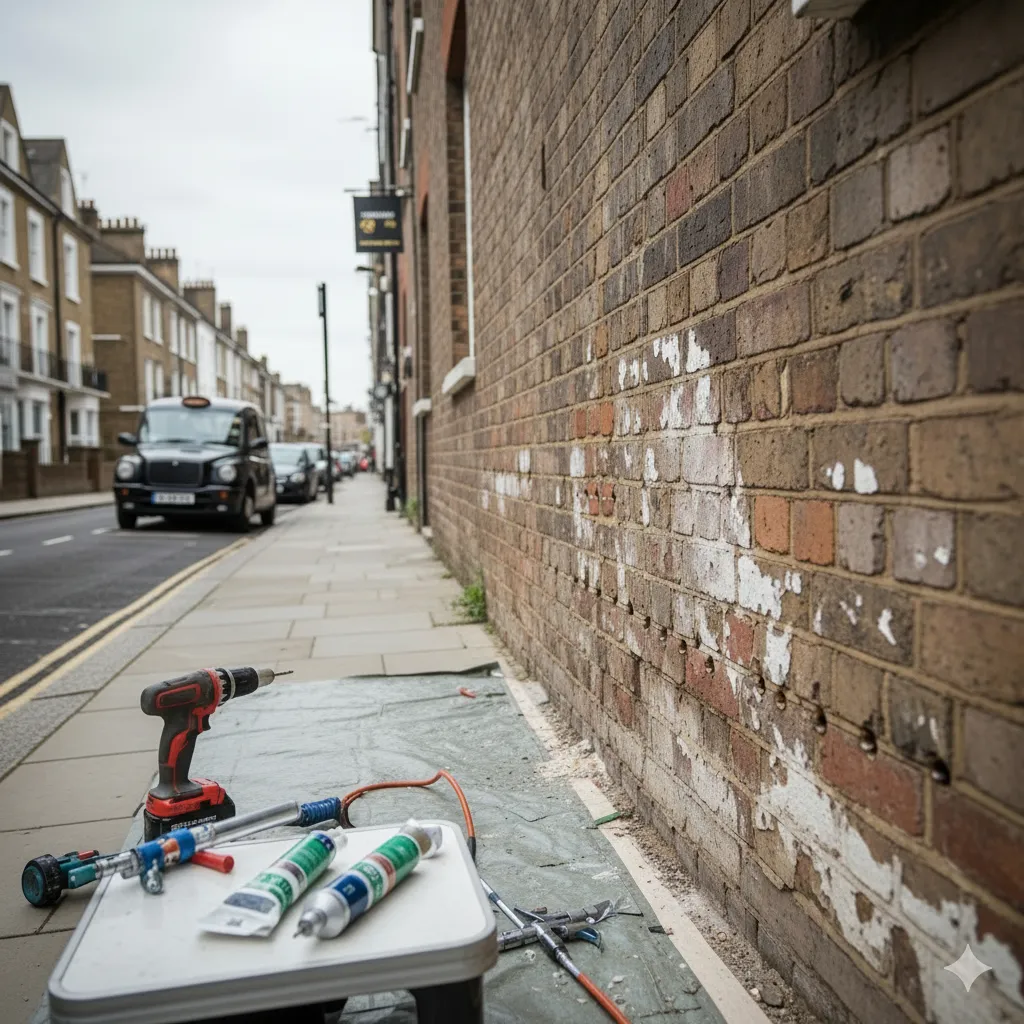
External wall damp occurs when moisture penetrates the walls from the outside. Factors contributing to damp include:
- Heavy rainfall or prolonged wet weather
- Cracked brickwork or damaged render
- Faulty gutters, downpipes, or roof leaks
- Poor maintenance of external walls and surfaces
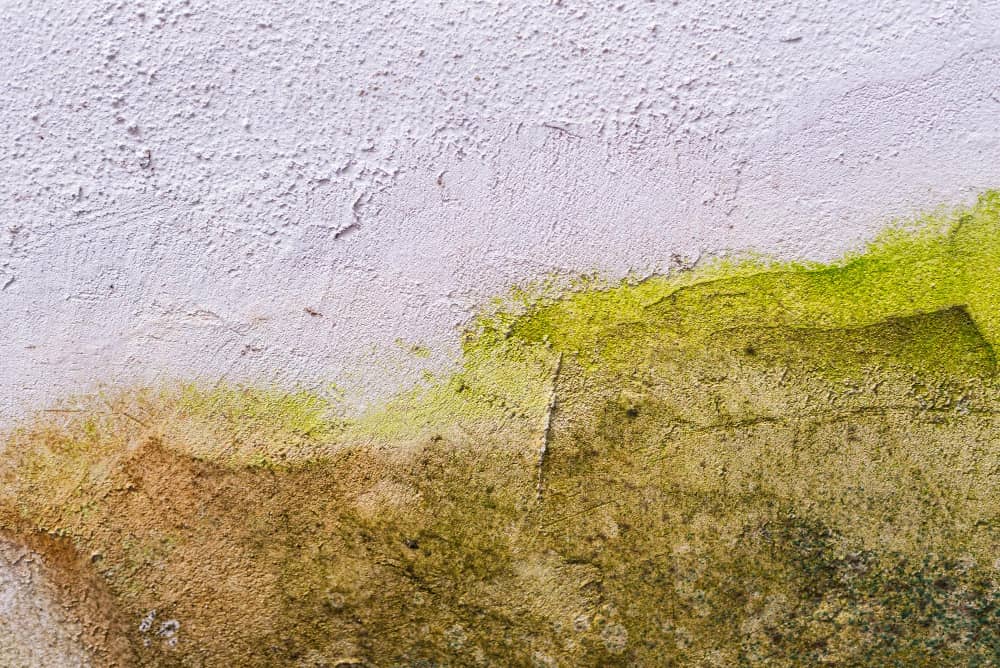
Signs of external wall damp include peeling paint, damp patches, mould growth, and musty odours. Addressing these issues promptly protects the structural integrity of your home.
2. What Is External Wall Damp Proofing?
External wall damp proofing is a method of applying protective treatments to walls to prevent moisture from entering the property. Unlike internal treatments, this approach tackles the source of damp from the exterior, providing long-lasting protection.
Common methods include:
- Waterproof Coatings: Special membranes or paints applied to walls to prevent water penetration.
- Repointing and Rendering: Repairing or replacing damaged mortar and render to seal gaps.
- Cavity Wall Injection: Filling cavity walls with water-repellent solutions for moisture control.
- Protective Barriers: Installing damp-proof courses or membranes during construction or renovation.
Professional installation ensures these methods are applied correctly and comply with UK building standards.
3. The Importance of Professional External Wall Damp Proofing in London
London’s climate, with frequent rainfall and high humidity, increases the risk of damp in external walls. Professional damp proofing provides several key benefits:
- Structural Protection: Prevents brickwork, mortar, and plaster from deteriorating.
- Health Benefits: Reduces mould growth and improves indoor air quality.
- Energy Efficiency: Dry walls retain heat better, reducing heating costs.
- Property Value: A well-maintained property free of damp commands a higher market price.
- Peace of Mind: Certified installation ensures reliable and lasting results.
4. External Wall Damp Proofing Methods Explained
- Waterproof Coatings:
Applied directly to external walls, waterproof coatings prevent rainwater from penetrating while allowing walls to breathe. Breathable coatings are essential for older properties to prevent trapped moisture. - Repointing:
Deteriorated mortar can allow water to seep through walls. Repointing replaces damaged mortar with fresh material, sealing gaps and restoring structural integrity. - Rendering:
Adding a fresh layer of render over brickwork or blockwork creates a continuous barrier against water. High-quality render protects walls and enhances property appearance. - Cavity Wall Injection:
For cavity walls, water-repellent solutions are injected to fill gaps and prevent rising or penetrating damp. - Damp-Proof Courses and Membranes:
Installing or renewing damp-proof courses during construction or renovation provides a long-term barrier against moisture.
5. Benefits of External Wall Damp Proofing
- Long-Term Protection: Reduces the risk of recurring damp and water damage.
- Improved Indoor Comfort: Prevents mould and damp odours.
- Cost Savings: Avoids expensive structural repairs by addressing damp early.
- Compliance: Professional methods meet UK building regulations.
- Enhanced Aesthetics: Repointing and rendering improve the visual appeal of properties.
Professional external wall damp proofing is an investment that safeguards both your home and your health.
What best describes you?

Homeowner

Tenant

Management/Lettings Agent

Potential Buyer

Other
It just takes 60 Second
And then you can book a free consultation
6. Cost Considerations for External Wall Damp Proofing in London
Costs vary depending on property size, wall type, and treatment method:
- Waterproof Coatings: £25–£50 per square metre
- Repointing: £35–£60 per square metre
- Rendering: £50–£120 per square metre
- Cavity Wall Injection: £15–£25 per square metre
- External Damp-Proof Courses: £30–£50 per linear metre
While DIY solutions may seem cheaper, professional installation ensures lasting protection and compliance with UK standards.
7. Why Choose Anke Damp Proofing for External Wall Treatment in London
Anke Damp Proofing provides:
- Certified engineers specialising in external wall damp
- Comprehensive surveys and tailored treatment plans
- Use of UK-approved materials for durability and compliance
- Transparent pricing and warranties on all work
- Emergency services for urgent damp issues
Our expertise ensures that London homeowners receive high-quality solutions that protect their property long-term.
8. Maintenance Tips After External Wall Damp Proofing
Even after professional treatment, regular maintenance helps prevent recurrence:
- Inspect external walls, gutters, and downpipes regularly
- Clean moss, algae, or debris that may trap moisture
- Check for cracks in render or mortar and repair promptly
- Monitor basement or lower-level walls for rising damp signs
- Maintain adequate ventilation indoors to reduce condensation
Proper maintenance prolongs the effectiveness of damp proofing and protects your property investment.
9. Common Misconceptions About External Wall Damp Proofing
- “Internal treatment is enough” – Treating the inside only addresses symptoms, not the source.
- “DIY waterproofing is sufficient” – Incorrect application may fail or cause trapped moisture.
- “External walls never need maintenance” – Regular inspection prevents small issues from becoming major problems.
Professional external wall damp proofing ensures proper diagnosis, method, and lasting results.
10. Summary
External wall damp proofing in London:
- Protects against rising, penetrating, and weather-related moisture
- Preserves structural integrity and appearance
- Improves indoor air quality and energy efficiency
- Provides long-lasting protection with professional installation
Choosing a trusted company like Anke Damp Proofing guarantees high-quality solutions and peace of mind for homeowners.
Related articles

What best describes you?
Homeowner
Tenant
Management/Lettings Agent
Potential Buyer
Other
At a glance
Damp in external walls is a common problem in London homes, particularly in older buildings or properties exposed to heavy rainfall. Left untreated, it can cause structural damage, reduce energy efficiency, and create unhealthy living conditions. External wall damp proofing in London is a reliable solution to prevent water penetration, preserve your property, and maintain indoor comfort. This guide explains the process, benefits, and considerations for homeowners seeking effective external wall protection.
1. Understanding External Wall Damp
External wall damp occurs when moisture penetrates the walls from the outside. Factors contributing to damp include:
- Heavy rainfall or prolonged wet weather
- Cracked brickwork or damaged render
- Faulty gutters, downpipes, or roof leaks
- Poor maintenance of external walls and surfaces
Signs of external wall damp include peeling paint, damp patches, mould growth, and musty odours. Addressing these issues promptly protects the structural integrity of your home.
2. What Is External Wall Damp Proofing?
External wall damp proofing is a method of applying protective treatments to walls to prevent moisture from entering the property. Unlike internal treatments, this approach tackles the source of damp from the exterior, providing long-lasting protection.
Common methods include:
- Waterproof Coatings: Special membranes or paints applied to walls to prevent water penetration.
- Repointing and Rendering: Repairing or replacing damaged mortar and render to seal gaps.
- Cavity Wall Injection: Filling cavity walls with water-repellent solutions for moisture control.
- Protective Barriers: Installing damp-proof courses or membranes during construction or renovation.
Professional installation ensures these methods are applied correctly and comply with UK building standards.
3. The Importance of Professional External Wall Damp Proofing in London
London’s climate, with frequent rainfall and high humidity, increases the risk of damp in external walls. Professional damp proofing provides several key benefits:
- Structural Protection: Prevents brickwork, mortar, and plaster from deteriorating.
- Health Benefits: Reduces mould growth and improves indoor air quality.
- Energy Efficiency: Dry walls retain heat better, reducing heating costs.
- Property Value: A well-maintained property free of damp commands a higher market price.
- Peace of Mind: Certified installation ensures reliable and lasting results.
4. External Wall Damp Proofing Methods Explained
- Waterproof Coatings:
Applied directly to external walls, waterproof coatings prevent rainwater from penetrating while allowing walls to breathe. Breathable coatings are essential for older properties to prevent trapped moisture. - Repointing:
Deteriorated mortar can allow water to seep through walls. Repointing replaces damaged mortar with fresh material, sealing gaps and restoring structural integrity. - Rendering:
Adding a fresh layer of render over brickwork or blockwork creates a continuous barrier against water. High-quality render protects walls and enhances property appearance. - Cavity Wall Injection:
For cavity walls, water-repellent solutions are injected to fill gaps and prevent rising or penetrating damp. - Damp-Proof Courses and Membranes:
Installing or renewing damp-proof courses during construction or renovation provides a long-term barrier against moisture.
5. Benefits of External Wall Damp Proofing
- Long-Term Protection: Reduces the risk of recurring damp and water damage.
- Improved Indoor Comfort: Prevents mould and damp odours.
- Cost Savings: Avoids expensive structural repairs by addressing damp early.
- Compliance: Professional methods meet UK building regulations.
- Enhanced Aesthetics: Repointing and rendering improve the visual appeal of properties.
Professional external wall damp proofing is an investment that safeguards both your home and your health.
What best describes you?
Homeowner
Tenant
Management/Lettings Agent
Potential Buyer
Other
It just takes 60 Second
And then you can book a free consultation
6. Cost Considerations for External Wall Damp Proofing in London
Costs vary depending on property size, wall type, and treatment method:
- Waterproof Coatings: £25–£50 per square metre
- Repointing: £35–£60 per square metre
- Rendering: £50–£120 per square metre
- Cavity Wall Injection: £15–£25 per square metre
- External Damp-Proof Courses: £30–£50 per linear metre
While DIY solutions may seem cheaper, professional installation ensures lasting protection and compliance with UK standards.
7. Why Choose Anke Damp Proofing for External Wall Treatment in London
Anke Damp Proofing provides:
- Certified engineers specialising in external wall damp
- Comprehensive surveys and tailored treatment plans
- Use of UK-approved materials for durability and compliance
- Transparent pricing and warranties on all work
- Emergency services for urgent damp issues
Our expertise ensures that London homeowners receive high-quality solutions that protect their property long-term.
8. Maintenance Tips After External Wall Damp Proofing
Even after professional treatment, regular maintenance helps prevent recurrence:
- Inspect external walls, gutters, and downpipes regularly
- Clean moss, algae, or debris that may trap moisture
- Check for cracks in render or mortar and repair promptly
- Monitor basement or lower-level walls for rising damp signs
- Maintain adequate ventilation indoors to reduce condensation
Proper maintenance prolongs the effectiveness of damp proofing and protects your property investment.
9. Common Misconceptions About External Wall Damp Proofing
- “Internal treatment is enough” – Treating the inside only addresses symptoms, not the source.
- “DIY waterproofing is sufficient” – Incorrect application may fail or cause trapped moisture.
- “External walls never need maintenance” – Regular inspection prevents small issues from becoming major problems.
Professional external wall damp proofing ensures proper diagnosis, method, and lasting results.
10. Summary
External wall damp proofing in London:
- Protects against rising, penetrating, and weather-related moisture
- Preserves structural integrity and appearance
- Improves indoor air quality and energy efficiency
- Provides long-lasting protection with professional installation
Choosing a trusted company like Anke Damp Proofing guarantees high-quality solutions and peace of mind for homeowners.
Related articles
What best describes you?
Homeowner
Tenant
Management/Lettings Agent
Potential Buyer