
Damp Proofing Installation in London: Process and Benefits
Damp can be a serious issue for London homes, causing structural damage, mould growth, and poor indoor air quality. Proper…

Why you can trust our content
At a glance
Damp can be a serious issue for London homes, causing structural damage, mould growth, and poor indoor air quality. Proper damp proofing installation prevents these problems and protects your property in the long term. Understanding the process and benefits of professional damp proofing in London helps homeowners make informed decisions. In this guide, we explain the installation process, methods, and advantages of having expert damp proofing for your property.
1. Understanding Damp Proofing Installation
Damp proofing installation is the professional process of preventing moisture from entering walls, floors, and ceilings. In London, homes often face three types of damp:
- Rising Damp: Moisture from the ground rises through walls.
- Penetrating Damp: Water enters through exterior walls or roofs.
- Condensation Damp: Moisture builds up due to poor ventilation.
Professional installation targets the specific type of damp, ensuring a long-term solution.
2. The Importance of Damp Proofing Installation in London
London’s climate and older housing stock make damp a common concern. Benefits include:
- Structural Protection: Prevents brickwork decay and plaster damage.
- Health Safety: Reduces mould and mildew that can affect respiratory health.
- Energy Efficiency: Dry walls improve insulation and reduce heating costs.
- Property Value: Homes free from damp maintain market value.
Ignoring damp issues can lead to costly repairs and uncomfortable living conditions.
3. The Damp Proofing Installation Process
A professional damp proofing installation in London typically involves the following steps:
- Initial Survey and Inspection:
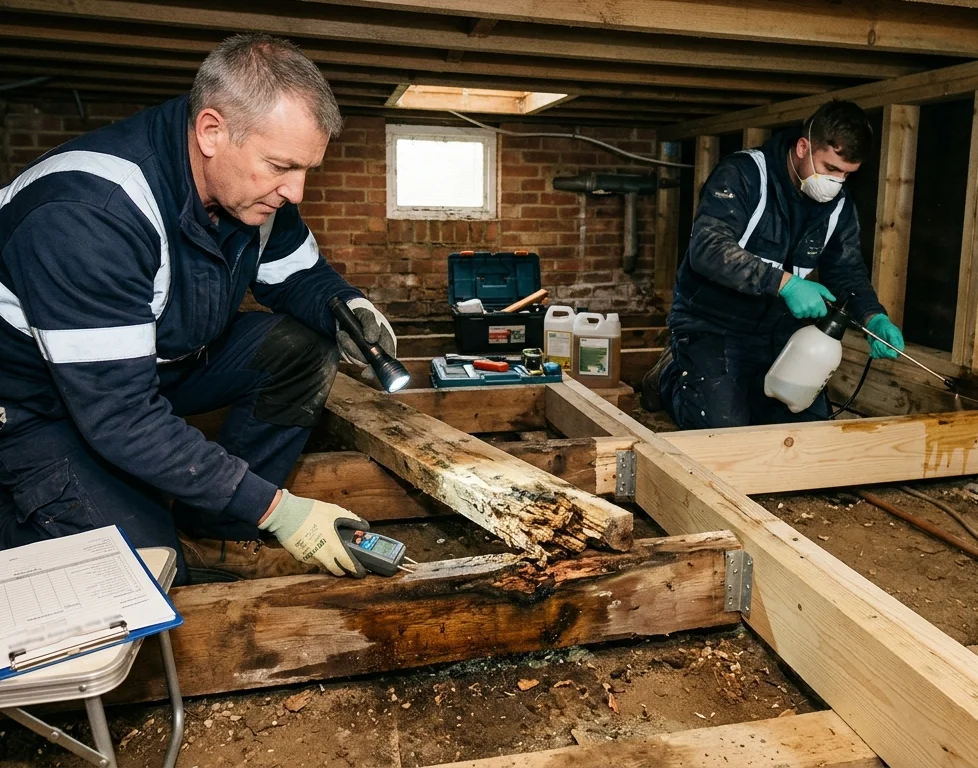
Engineers identify the type and extent of damp using moisture meters and visual inspection. - Diagnosis and Recommendation:
A tailored plan is created specifying the treatment method, materials, and costs. - Preparation of Affected Areas:
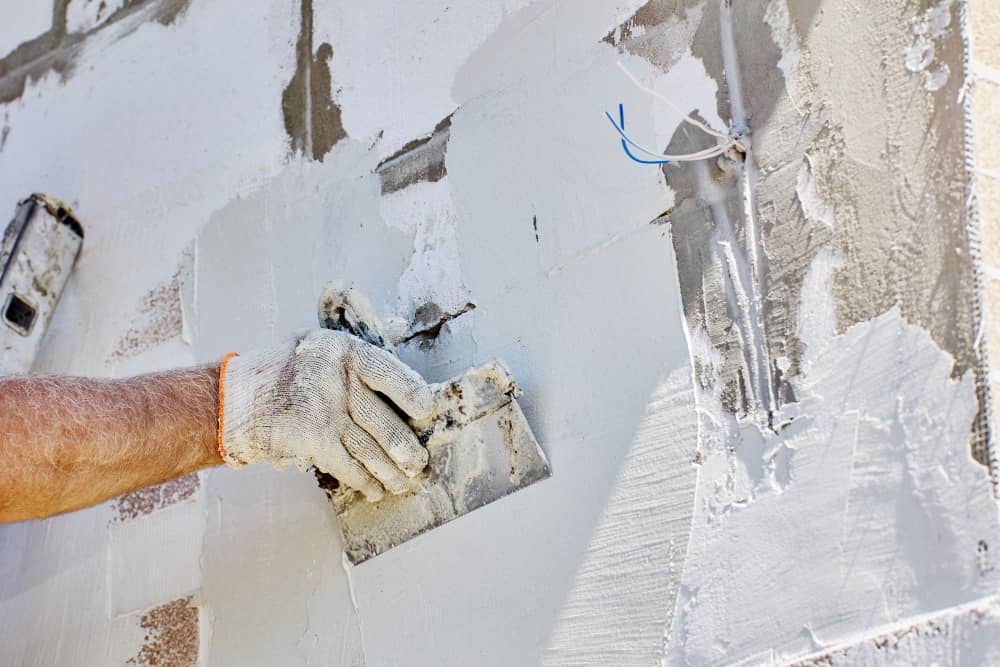
Walls may be stripped of wallpaper or plaster, and areas cleared for access. - Damp Proofing Application:
Depending on the damp type, methods include:
- Chemical Damp Proof Course: Injection into walls to prevent rising damp.
- Tanking: Waterproof coating for walls or floors.
- Cavity Wall Injection: Filling cavity walls with water-repellent solutions.
- Ventilation Improvements: Installation of vents or fans to reduce condensation.
- External Repairs: Fixing gutters, roofs, or brickwork to prevent penetration.
- Chemical Damp Proof Course: Injection into walls to prevent rising damp.
- Finishing and Restoration:
Walls are re-plastered, painted, or treated with moisture-resistant coatings. - Follow-Up and Maintenance:
Engineers provide guidance on ongoing care and inspection schedules.
4. Damp Proofing Installation Methods
The method used depends on the type of damp:
- Rising Damp: Typically treated with chemical injections or a physical damp-proof course.
- Penetrating Damp: Treated via exterior repairs, tanking, or cavity wall injections.
- Condensation Damp: Improved ventilation, dehumidifiers, and moisture-resistant paints.
Professional installation ensures the correct method is applied for lasting results.
5. Benefits of Professional Damp Proofing Installation
Investing in expert damp proofing provides several advantages:
- Long-Term Protection: Prevents recurring damp problems.
- Enhanced Indoor Air Quality: Reduces mould spores and damp odours.
- Cost Savings: Avoids expensive structural repairs in the future.
- Peace of Mind: Certified engineers provide warranties and quality assurance.
Improved Comfort: Dry, healthy living spaces throughout the year.
What best describes you?

Homeowner

Tenant

Management/Lettings Agent

Potential Buyer

Other
It just takes 60 Second
And then you can book a free consultation
6. Common Misconceptions About Damp Proofing
- DIY Solutions Are Sufficient: Incorrect methods can worsen damp.
- Only Older Homes Are Affected: Modern homes can develop damp due to design flaws or leaks.
- One-Time Fix: Some properties require periodic checks and maintenance.
Professional installation from a London-based company like Anke Damp Proofing ensures effective and reliable results.
7. Cost of Damp Proofing Installation in London
Costs vary depending on property size, damp severity, and method used:
- Chemical DPC Injection: £30–£50 per linear metre
- Tanking: £100–£200 per square metre
- Cavity Wall Injection: £15–£25 per square metre
- Ventilation Improvements: £200–£600 depending on system
- External Repairs: £150–£1,000+ depending on damage
Investing in professional damp proofing prevents escalating repair costs and safeguards your property’s value.
8. Why Choose Anke Damp Proofing in London
Anke Damp Proofing offers:
- Comprehensive surveys to accurately diagnose damp
- Tailored solutions using UK-approved materials
- Certified engineers with local expertise
- Transparent pricing with clear warranties
- Emergency call-outs for urgent cases
With our experience, London homeowners can trust their property is protected from damp and moisture-related issues.
9. Maintaining Damp-Proofed Properties
Even after installation, ongoing maintenance is crucial:
- Inspect gutters and downpipes regularly
- Maintain adequate ventilation in bathrooms and kitchens
- Use dehumidifiers in high-humidity areas
- Apply moisture-resistant paints where necessary
- Repair minor leaks promptly
Routine maintenance prolongs the effectiveness of damp proofing installation and prevents recurrence.
10. Summary of Damp Proofing Installation in London
Professional damp proofing installation:
- Addresses rising, penetrating, and condensation damp
- Protects structural integrity and indoor health
- Increases property value and energy efficiency
- Offers long-lasting results with certified installation and warranty
Choosing a trusted company ensures effective protection and peace of mind for London homeowners.
Related articles

What best describes you?
Homeowner
Tenant
Management/Lettings Agent
Potential Buyer
Other
At a glance
Damp can be a serious issue for London homes, causing structural damage, mould growth, and poor indoor air quality. Proper damp proofing installation prevents these problems and protects your property in the long term. Understanding the process and benefits of professional damp proofing in London helps homeowners make informed decisions. In this guide, we explain the installation process, methods, and advantages of having expert damp proofing for your property.
1. Understanding Damp Proofing Installation
Damp proofing installation is the professional process of preventing moisture from entering walls, floors, and ceilings. In London, homes often face three types of damp:
- Rising Damp: Moisture from the ground rises through walls.
- Penetrating Damp: Water enters through exterior walls or roofs.
- Condensation Damp: Moisture builds up due to poor ventilation.
Professional installation targets the specific type of damp, ensuring a long-term solution.
2. The Importance of Damp Proofing Installation in London
London’s climate and older housing stock make damp a common concern. Benefits include:
- Structural Protection: Prevents brickwork decay and plaster damage.
- Health Safety: Reduces mould and mildew that can affect respiratory health.
- Energy Efficiency: Dry walls improve insulation and reduce heating costs.
- Property Value: Homes free from damp maintain market value.
Ignoring damp issues can lead to costly repairs and uncomfortable living conditions.
3. The Damp Proofing Installation Process
A professional damp proofing installation in London typically involves the following steps:
- Initial Survey and Inspection:
Engineers identify the type and extent of damp using moisture meters and visual inspection. - Diagnosis and Recommendation:
A tailored plan is created specifying the treatment method, materials, and costs. - Preparation of Affected Areas:
Walls may be stripped of wallpaper or plaster, and areas cleared for access. - Damp Proofing Application:
Depending on the damp type, methods include:
- Chemical Damp Proof Course: Injection into walls to prevent rising damp.
- Tanking: Waterproof coating for walls or floors.
- Cavity Wall Injection: Filling cavity walls with water-repellent solutions.
- Ventilation Improvements: Installation of vents or fans to reduce condensation.
- External Repairs: Fixing gutters, roofs, or brickwork to prevent penetration.
- Chemical Damp Proof Course: Injection into walls to prevent rising damp.
- Finishing and Restoration:
Walls are re-plastered, painted, or treated with moisture-resistant coatings. - Follow-Up and Maintenance:
Engineers provide guidance on ongoing care and inspection schedules.
4. Damp Proofing Installation Methods
The method used depends on the type of damp:
- Rising Damp: Typically treated with chemical injections or a physical damp-proof course.
- Penetrating Damp: Treated via exterior repairs, tanking, or cavity wall injections.
- Condensation Damp: Improved ventilation, dehumidifiers, and moisture-resistant paints.
Professional installation ensures the correct method is applied for lasting results.
5. Benefits of Professional Damp Proofing Installation
Investing in expert damp proofing provides several advantages:
- Long-Term Protection: Prevents recurring damp problems.
- Enhanced Indoor Air Quality: Reduces mould spores and damp odours.
- Cost Savings: Avoids expensive structural repairs in the future.
- Peace of Mind: Certified engineers provide warranties and quality assurance.
Improved Comfort: Dry, healthy living spaces throughout the year.
What best describes you?
Homeowner
Tenant
Management/Lettings Agent
Potential Buyer
Other
It just takes 60 Second
And then you can book a free consultation
6. Common Misconceptions About Damp Proofing
- DIY Solutions Are Sufficient: Incorrect methods can worsen damp.
- Only Older Homes Are Affected: Modern homes can develop damp due to design flaws or leaks.
- One-Time Fix: Some properties require periodic checks and maintenance.
Professional installation from a London-based company like Anke Damp Proofing ensures effective and reliable results.
7. Cost of Damp Proofing Installation in London
Costs vary depending on property size, damp severity, and method used:
- Chemical DPC Injection: £30–£50 per linear metre
- Tanking: £100–£200 per square metre
- Cavity Wall Injection: £15–£25 per square metre
- Ventilation Improvements: £200–£600 depending on system
- External Repairs: £150–£1,000+ depending on damage
Investing in professional damp proofing prevents escalating repair costs and safeguards your property’s value.
8. Why Choose Anke Damp Proofing in London
Anke Damp Proofing offers:
- Comprehensive surveys to accurately diagnose damp
- Tailored solutions using UK-approved materials
- Certified engineers with local expertise
- Transparent pricing with clear warranties
- Emergency call-outs for urgent cases
With our experience, London homeowners can trust their property is protected from damp and moisture-related issues.
9. Maintaining Damp-Proofed Properties
Even after installation, ongoing maintenance is crucial:
- Inspect gutters and downpipes regularly
- Maintain adequate ventilation in bathrooms and kitchens
- Use dehumidifiers in high-humidity areas
- Apply moisture-resistant paints where necessary
- Repair minor leaks promptly
Routine maintenance prolongs the effectiveness of damp proofing installation and prevents recurrence.
10. Summary of Damp Proofing Installation in London
Professional damp proofing installation:
- Addresses rising, penetrating, and condensation damp
- Protects structural integrity and indoor health
- Increases property value and energy efficiency
- Offers long-lasting results with certified installation and warranty
Choosing a trusted company ensures effective protection and peace of mind for London homeowners.
Related articles
What best describes you?
Homeowner
Tenant
Management/Lettings Agent
Potential Buyer