
Damp Proofing in Barnet: A Complete Guide for 2025
If you’d like expert guidance, you can request a bespoke quote or speak to our team today. Damp Proofing in…

Why you can trust our content
Barnet Damp Proofing: Quick Overview & FAQs
If you’d like expert guidance, you can request a bespoke quote or speak to our team today.
Damp Proofing in Barnet: A Complete Guide for 2025
Damp issues can be a homeowner’s nightmare. Not only do they damage walls, floors, and timber, but they can also affect health and property value. If you live in Barnet, understanding how to prevent, identify, and treat damp is essential for maintaining a safe and comfortable home.
In this guide, we’ll explore what damp proofing entails, common types of damp, and the practical solutions available. By the end, you’ll know when to take action and how to engage a qualified professional.
What Is Damp Proofing and Why Does It Matter?
Damp proofing is a set of techniques designed to prevent moisture from penetrating your home’s structure. Without proper damp proofing, water can seep into walls, floors, and timber, causing:
- Rot and decay in timber structures
- Damage to plaster, paint, and finishes
- Mould growth, which can affect health
- Increased energy costs due to cold, damp walls
A damp proofing specialist can assess your property and recommend solutions tailored to your needs, ensuring long-term protection.
How Can You Identify Damp in Your Barnet Home?
Recognising damp early is key to preventing costly repairs. Some common signs include:
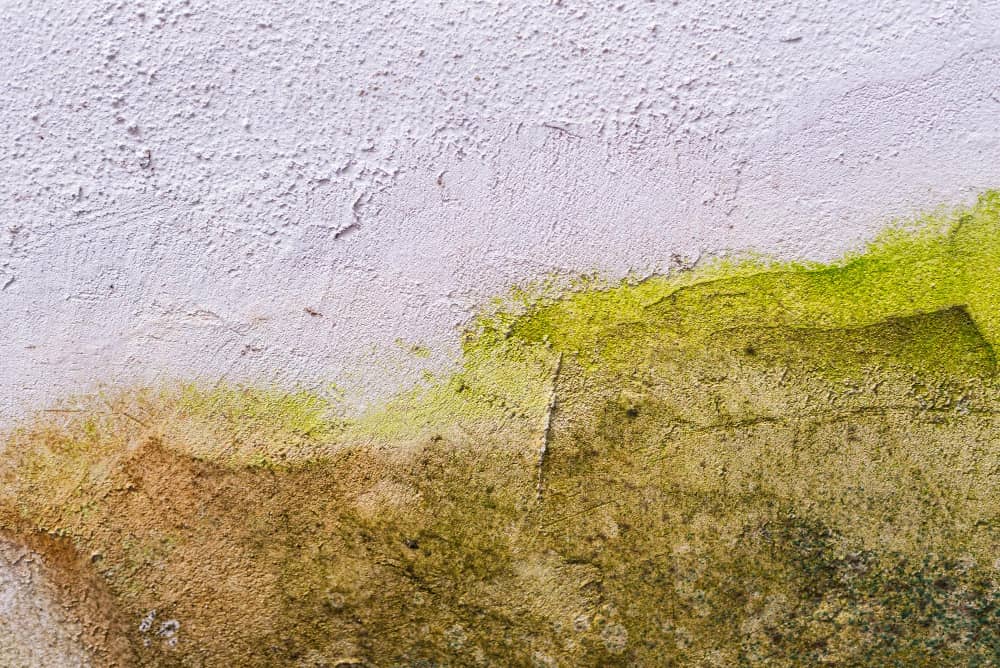
- Dark or discoloured patches on walls
- Peeling wallpaper or paint
- Musty or damp smells
- Condensation build-up on windows
- Warping or soft spots in wooden floors
If you notice these signs, it’s wise to schedule a professional survey rather than attempting a DIY solution. [CTA 2]
What Types of Damp Affect Barnet Homes?
There are three main types of damp homeowners encounter:
- Rising Damp – Moisture from the ground travels up walls via capillary action. Often found in older properties without adequate damp proof courses.
- Penetrating Damp – Water enters from external sources like leaky roofs, blocked gutters, or damaged brickwork.
- Condensation Damp – Caused by excess humidity inside the home, often due to poor ventilation, especially in kitchens and bathrooms.
| Damp Type | Common Causes | Typical Symptoms | Recommended Action |
| Rising Damp | No or failed damp proof course | Tide marks, peeling paint | Install or repair damp proof course |
| Penetrating Damp | Faulty roof, leaks, brickwork cracks | Wet patches, mould | External wall treatment, repair leaks |
| Condensation | Poor ventilation | Black mould, musty smell | Increase airflow, dehumidifiers |
Understanding the type of damp is crucial for selecting the correct damp proofing Barnet solution.
What best describes you?

Homeowner

Tenant

Management/Lettings Agent

Potential Buyer

Other
It just takes 60 Second
And then you can book a free consultation
How Do Damp Proofing Specialists Protect Your Home?
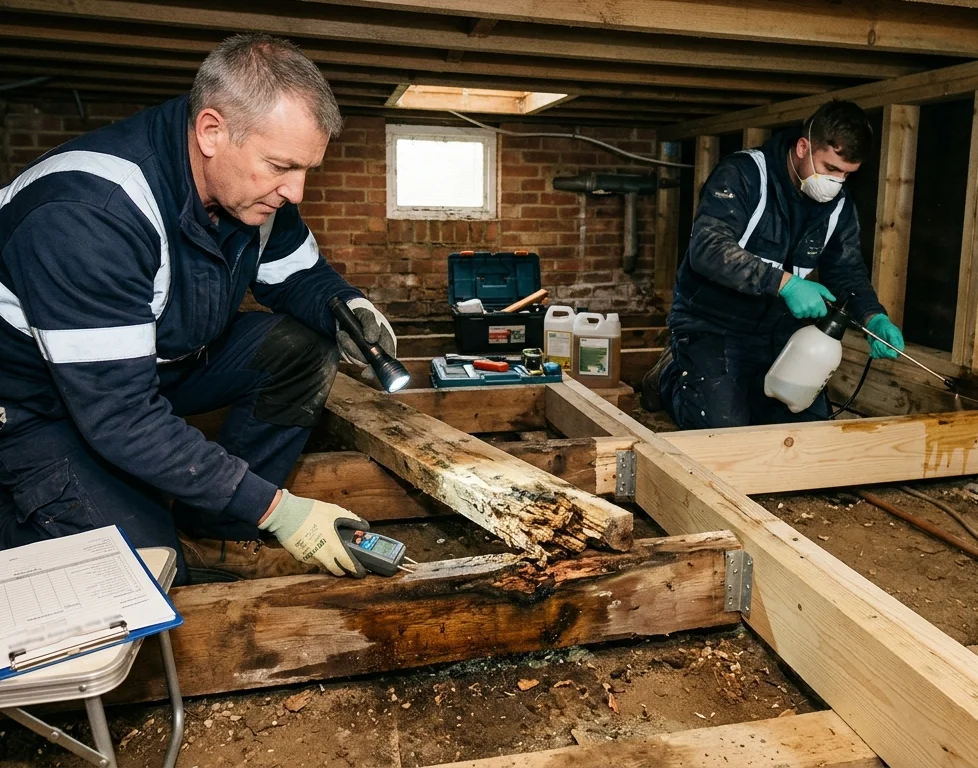
A trained damp proofing specialist will:
- Conduct a thorough survey to identify the type and source of damp
- Recommend targeted treatment, from chemical damp proof courses to tanking walls
- Repair any structural issues contributing to moisture ingress
- Offer guidance on ongoing maintenance to prevent recurrence
Professional intervention not only fixes the problem but also protects the home’s value.
What Are the Common Damp Proofing Solutions in Barnet?
Several effective methods are used to treat and prevent damp:
- Chemical Damp Proof Courses (DPCs) – Injected into walls to prevent rising damp
- Tankings and Membranes – Protective barriers applied to walls or floors
- Waterproof Coatings – External or internal wall treatments to repel moisture
- Improved Ventilation – For condensation, including extractor fans and vents
- Gutter and Roof Repairs – Preventing penetrating damp from leaks
Choosing the right solution depends on the damp type, property age, and condition.
How Much Does Damp Proofing in Barnet Cost?
Costs vary based on property size, damp type, and treatment method. Here’s a general guide:
| Treatment Type | Typical Cost (Barnet) | Notes |
| Chemical DPC | £500–£1,500 | For single walls or small areas |
| Tanking / Membrane | £1,000–£3,000 | For basements or extensive damp |
| External Waterproofing | £1,200–£3,500 | Includes brickwork and rendering |
| Ventilation / Condensation Solutions | £200–£600 | Fans, vents, and dehumidifiers |
Consulting a damp proofing specialist ensures an accurate quote and tailored plan.
Can Damp Be Prevented?
Yes. Preventative measures are often more cost-effective than reactive treatments. Consider:
- Regular maintenance of gutters, downpipes, and roofs
- Ensuring adequate ventilation, especially in kitchens and bathrooms
- Inspecting and maintaining damp proof courses in older properties
- Installing dehumidifiers in rooms prone to condensation
By taking these steps, Barnet homeowners can reduce the likelihood of damp-related damage.
Case Study: Typical Barnet Property
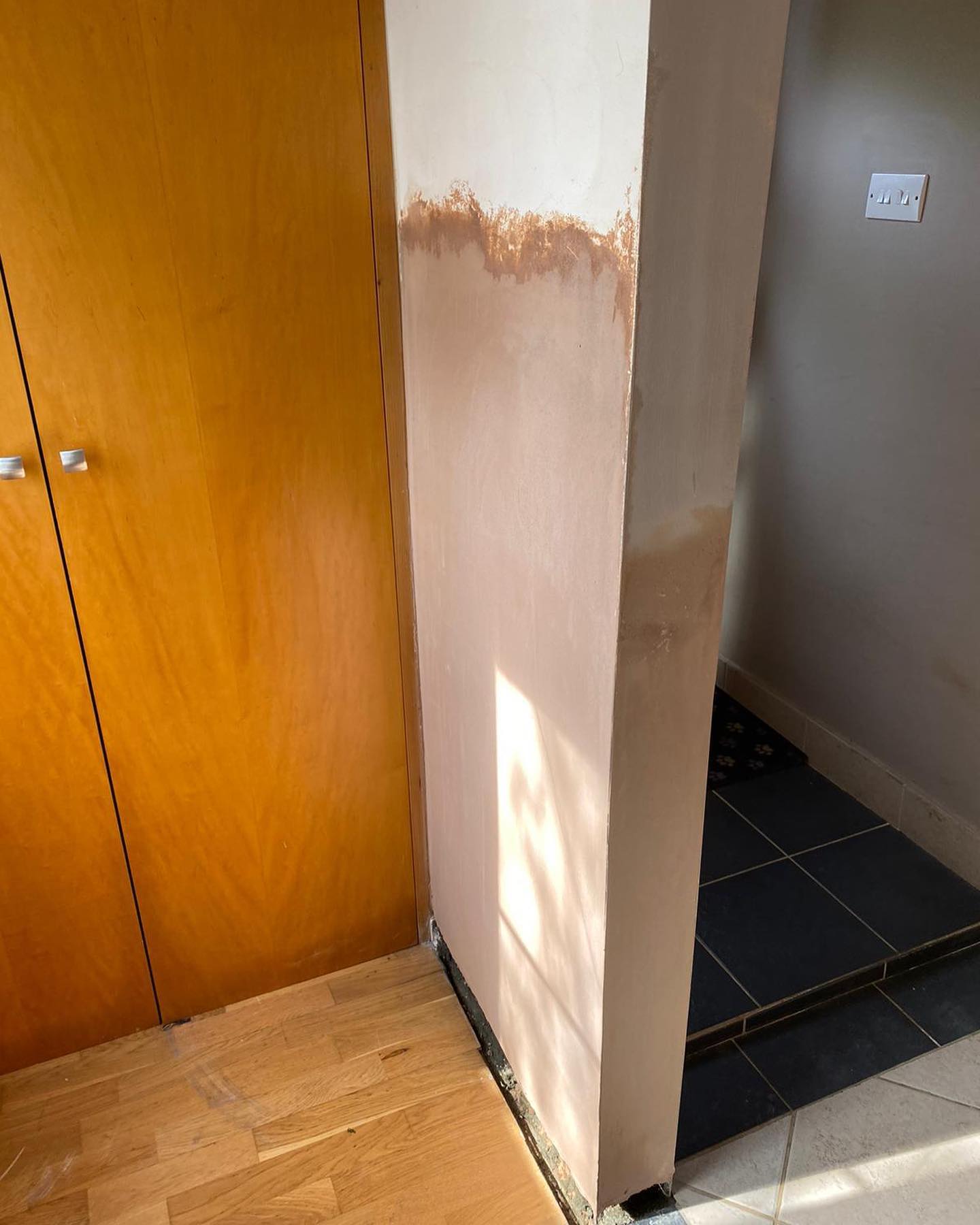
A 1930s semi-detached home in Barnet exhibited rising damp in the ground floor walls. The damp proofing Barnet solution included:
- Survey to confirm moisture levels and affected areas
- Installation of a chemical damp proof course along affected walls
- Internal plaster replacement where needed
- Guidance on ventilation to prevent condensation
The result was a dry, safe, and healthier living environment, with long-term protection against damp.
Related articles

What best describes you?
Homeowner
Tenant
Management/Lettings Agent
Potential Buyer
Other
Barnet Damp Proofing: Quick Overview & FAQs
If you’d like expert guidance, you can request a bespoke quote or speak to our team today.
Damp Proofing in Barnet: A Complete Guide for 2025
Damp issues can be a homeowner’s nightmare. Not only do they damage walls, floors, and timber, but they can also affect health and property value. If you live in Barnet, understanding how to prevent, identify, and treat damp is essential for maintaining a safe and comfortable home.
In this guide, we’ll explore what damp proofing entails, common types of damp, and the practical solutions available. By the end, you’ll know when to take action and how to engage a qualified professional.
What Is Damp Proofing and Why Does It Matter?
Damp proofing is a set of techniques designed to prevent moisture from penetrating your home’s structure. Without proper damp proofing, water can seep into walls, floors, and timber, causing:
- Rot and decay in timber structures
- Damage to plaster, paint, and finishes
- Mould growth, which can affect health
- Increased energy costs due to cold, damp walls
A damp proofing specialist can assess your property and recommend solutions tailored to your needs, ensuring long-term protection.
How Can You Identify Damp in Your Barnet Home?
Recognising damp early is key to preventing costly repairs. Some common signs include:
- Dark or discoloured patches on walls
- Peeling wallpaper or paint
- Musty or damp smells
- Condensation build-up on windows
- Warping or soft spots in wooden floors
If you notice these signs, it’s wise to schedule a professional survey rather than attempting a DIY solution. [CTA 2]
What Types of Damp Affect Barnet Homes?
There are three main types of damp homeowners encounter:
- Rising Damp – Moisture from the ground travels up walls via capillary action. Often found in older properties without adequate damp proof courses.
- Penetrating Damp – Water enters from external sources like leaky roofs, blocked gutters, or damaged brickwork.
- Condensation Damp – Caused by excess humidity inside the home, often due to poor ventilation, especially in kitchens and bathrooms.
| Damp Type | Common Causes | Typical Symptoms | Recommended Action |
| Rising Damp | No or failed damp proof course | Tide marks, peeling paint | Install or repair damp proof course |
| Penetrating Damp | Faulty roof, leaks, brickwork cracks | Wet patches, mould | External wall treatment, repair leaks |
| Condensation | Poor ventilation | Black mould, musty smell | Increase airflow, dehumidifiers |
Understanding the type of damp is crucial for selecting the correct damp proofing Barnet solution.
What best describes you?
Homeowner
Tenant
Management/Lettings Agent
Potential Buyer
Other
It just takes 60 Second
And then you can book a free consultation
How Do Damp Proofing Specialists Protect Your Home?
A trained damp proofing specialist will:
- Conduct a thorough survey to identify the type and source of damp
- Recommend targeted treatment, from chemical damp proof courses to tanking walls
- Repair any structural issues contributing to moisture ingress
- Offer guidance on ongoing maintenance to prevent recurrence
Professional intervention not only fixes the problem but also protects the home’s value.
What Are the Common Damp Proofing Solutions in Barnet?
Several effective methods are used to treat and prevent damp:
- Chemical Damp Proof Courses (DPCs) – Injected into walls to prevent rising damp
- Tankings and Membranes – Protective barriers applied to walls or floors
- Waterproof Coatings – External or internal wall treatments to repel moisture
- Improved Ventilation – For condensation, including extractor fans and vents
- Gutter and Roof Repairs – Preventing penetrating damp from leaks
Choosing the right solution depends on the damp type, property age, and condition.
How Much Does Damp Proofing in Barnet Cost?
Costs vary based on property size, damp type, and treatment method. Here’s a general guide:
| Treatment Type | Typical Cost (Barnet) | Notes |
| Chemical DPC | £500–£1,500 | For single walls or small areas |
| Tanking / Membrane | £1,000–£3,000 | For basements or extensive damp |
| External Waterproofing | £1,200–£3,500 | Includes brickwork and rendering |
| Ventilation / Condensation Solutions | £200–£600 | Fans, vents, and dehumidifiers |
Consulting a damp proofing specialist ensures an accurate quote and tailored plan.
Can Damp Be Prevented?
Yes. Preventative measures are often more cost-effective than reactive treatments. Consider:
- Regular maintenance of gutters, downpipes, and roofs
- Ensuring adequate ventilation, especially in kitchens and bathrooms
- Inspecting and maintaining damp proof courses in older properties
- Installing dehumidifiers in rooms prone to condensation
By taking these steps, Barnet homeowners can reduce the likelihood of damp-related damage.
Case Study: Typical Barnet Property
A 1930s semi-detached home in Barnet exhibited rising damp in the ground floor walls. The damp proofing Barnet solution included:
- Survey to confirm moisture levels and affected areas
- Installation of a chemical damp proof course along affected walls
- Internal plaster replacement where needed
- Guidance on ventilation to prevent condensation
The result was a dry, safe, and healthier living environment, with long-term protection against damp.
Related articles
What best describes you?
Homeowner
Tenant
Management/Lettings Agent
Potential Buyer