
Choose Cavity Wall Insulation for a Greener, More Sustainable Home
As the world shifts toward more sustainable living, homeowners are increasingly looking for ways to reduce their carbon footprint—and cavity…

Why you can trust our content
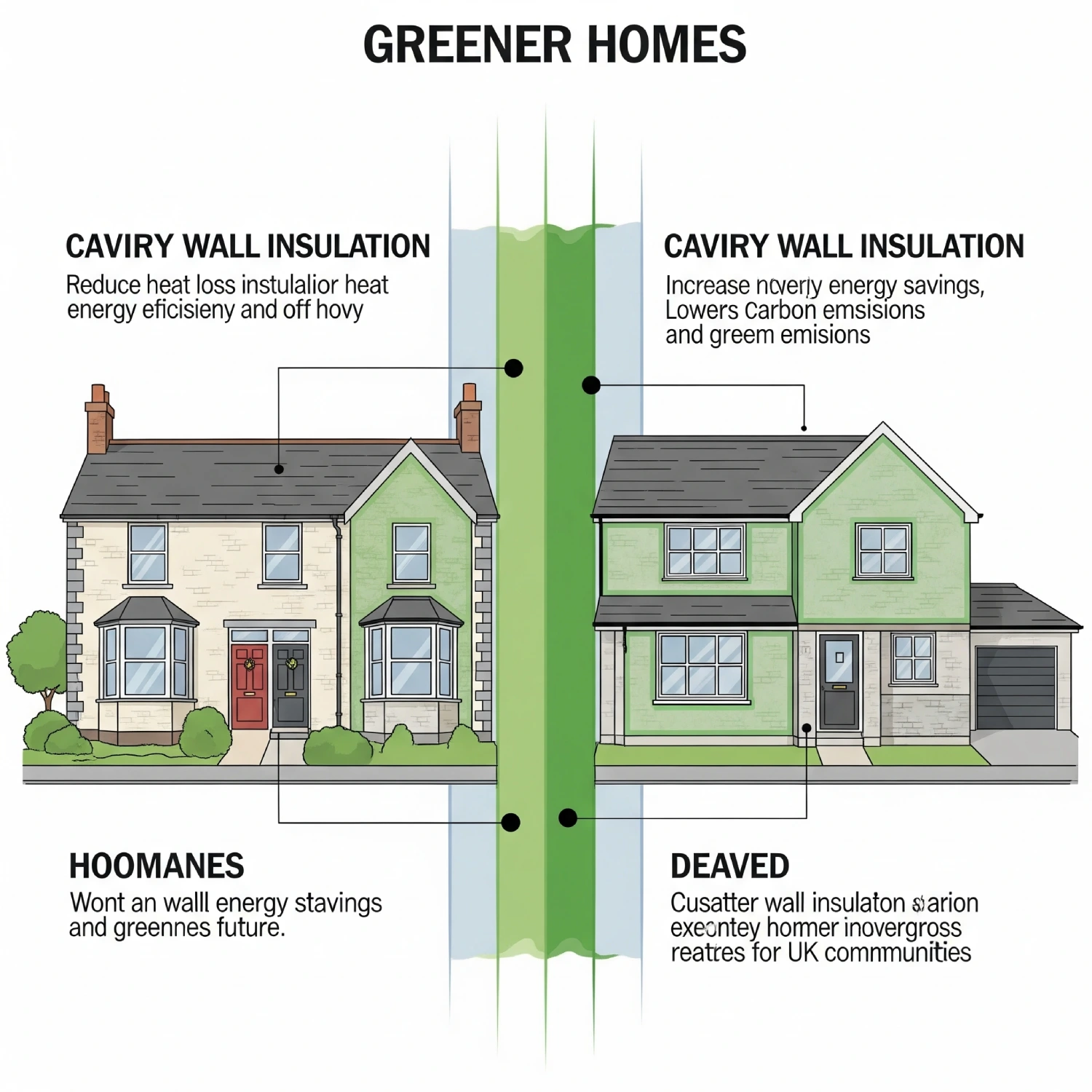
Cavity Wall Insulation at a Glance: Environmental & Financial Benefits
As the world shifts toward more sustainable living, homeowners are increasingly looking for ways to reduce their carbon footprint—and cavity wall insulation is one of the most impactful steps you can take. While most people associate insulation with saving money, the environmental benefits are just as significant. If you’re serious about creating an eco-friendlier home, choosing cavity wall insulation is a responsible and effective move.
Every time you turn on your heating system, it consumes energy—much of which is produced from fossil fuels. When your home is poorly insulated, that energy quickly escapes through the walls, windows, and roof, meaning more fuel is needed to maintain a comfortable indoor temperature. Cavity wall insulation combats this by retaining more heat inside your home, significantly reducing your energy usage.
Studies show that insulating cavity walls can cut your home’s CO₂ emissions by as much as 1 tonne per year. That’s the equivalent of taking a small petrol car off the road. If millions of homes across the UK implemented cavity wall insulation, the collective environmental impact would be enormous—helping the country meet its carbon reduction targets and shift toward a greener energy future.
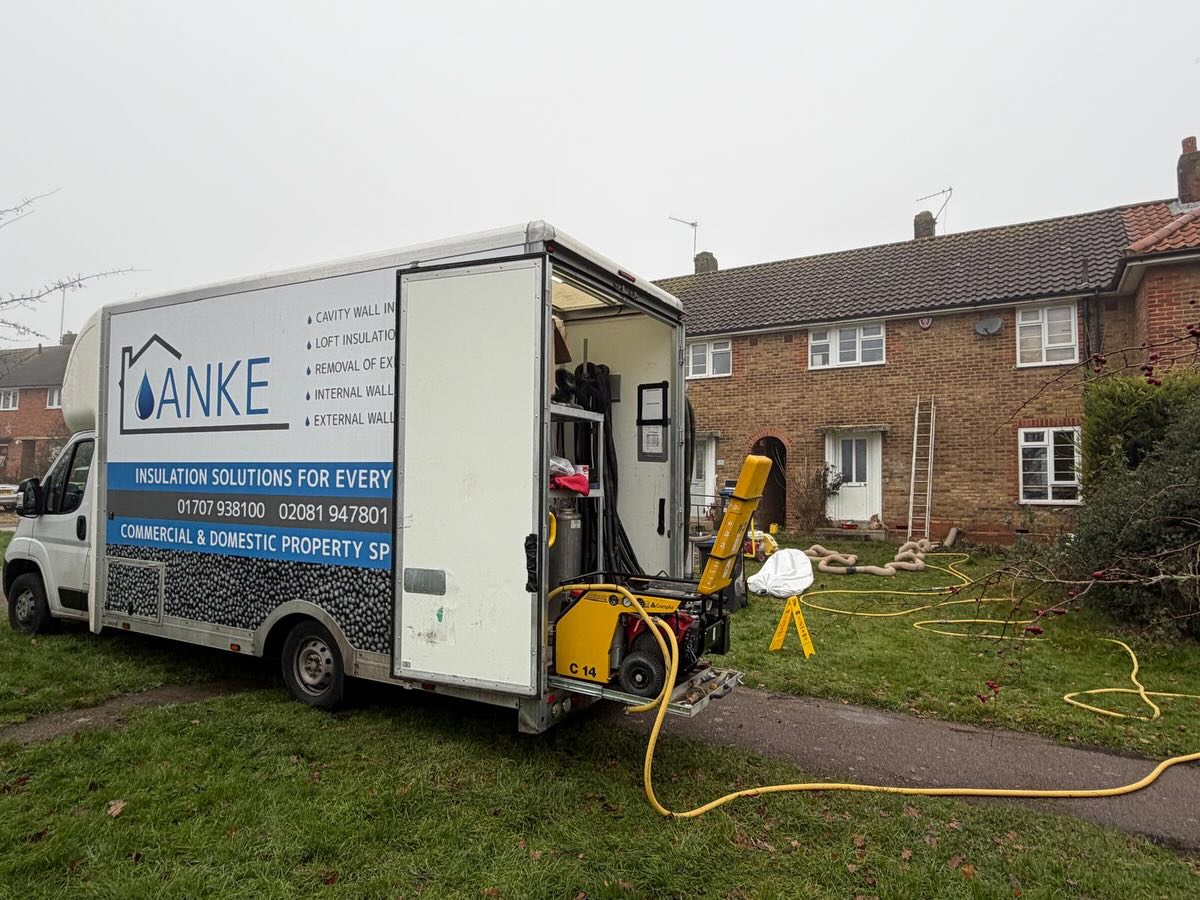
The materials used in modern insulation are designed to be long-lasting, safe, and environmentally friendly. Options like mineral wool and polystyrene beads are recyclable and non-toxic, and the installation process requires no major building work or waste. Once installed, the insulation lasts for decades, continuously contributing to a more efficient and sustainable household.
Choosing to insulate your cavity walls also supports the growing movement toward low-carbon housing. Whether you’re thinking of selling your home or just future-proofing it, energy-efficient upgrades like this can increase property value and improve your EPC (Energy Performance Certificate) rating—a key metric that buyers and renters are increasingly prioritising.
What type of service do you need?
Cavity Wall Insulation
External Wall Insulation System
(Includes Silicone Render)
Silicone Render Only
It just takes 60 Second
And then you can book a free consultation
Additionally, several government-backed schemes and local energy-saving initiatives offer funding or rebates for insulation projects, making the decision even easier. These programs are part of a nationwide push to reduce domestic energy use and promote green technologies.
Ultimately, cavity wall insulation is more than just a home improvement—it’s a step toward living more sustainably. By using less energy, reducing emissions, and making your home more efficient, you’re not only protecting your wallet but also doing your part to protect the planet.
Related articles
What type of service do you need?
Cavity Wall Insulation
External Wall Insulation System
(Includes Silicone Render)
Silicone Render Only
Cavity Wall Insulation at a Glance: Environmental & Financial Benefits
As the world shifts toward more sustainable living, homeowners are increasingly looking for ways to reduce their carbon footprint—and cavity wall insulation is one of the most impactful steps you can take. While most people associate insulation with saving money, the environmental benefits are just as significant. If you’re serious about creating an eco-friendlier home, choosing cavity wall insulation is a responsible and effective move.
Every time you turn on your heating system, it consumes energy—much of which is produced from fossil fuels. When your home is poorly insulated, that energy quickly escapes through the walls, windows, and roof, meaning more fuel is needed to maintain a comfortable indoor temperature. Cavity wall insulation combats this by retaining more heat inside your home, significantly reducing your energy usage.
Studies show that insulating cavity walls can cut your home’s CO₂ emissions by as much as 1 tonne per year. That’s the equivalent of taking a small petrol car off the road. If millions of homes across the UK implemented cavity wall insulation, the collective environmental impact would be enormous—helping the country meet its carbon reduction targets and shift toward a greener energy future.
The materials used in modern insulation are designed to be long-lasting, safe, and environmentally friendly. Options like mineral wool and polystyrene beads are recyclable and non-toxic, and the installation process requires no major building work or waste. Once installed, the insulation lasts for decades, continuously contributing to a more efficient and sustainable household.
Choosing to insulate your cavity walls also supports the growing movement toward low-carbon housing. Whether you’re thinking of selling your home or just future-proofing it, energy-efficient upgrades like this can increase property value and improve your EPC (Energy Performance Certificate) rating—a key metric that buyers and renters are increasingly prioritising.
What type of service do you need?
Cavity Wall Insulation
External Wall Insulation System
(Includes Silicone Render)
Silicone Render Only
It just takes 60 Second
And then you can book a free consultation
Additionally, several government-backed schemes and local energy-saving initiatives offer funding or rebates for insulation projects, making the decision even easier. These programs are part of a nationwide push to reduce domestic energy use and promote green technologies.
Ultimately, cavity wall insulation is more than just a home improvement—it’s a step toward living more sustainably. By using less energy, reducing emissions, and making your home more efficient, you’re not only protecting your wallet but also doing your part to protect the planet.
Related articles
What type of service do you need?
Cavity Wall Insulation
External Wall Insulation System
(Includes Silicone Render)
Silicone Render Only