
Certified Damp Proof Installers in London: Why It Matters
Damp can cause serious issues in London homes, from structural damage to mould growth and poor indoor air quality. While…

Why you can trust our content
At a glance
Damp can cause serious issues in London homes, from structural damage to mould growth and poor indoor air quality. While many companies offer damp proofing services, choosing certified damp proof installers in London ensures reliable, high-quality work. Certification demonstrates expertise, compliance with UK building standards, and access to approved methods and materials. In this guide, we explore why certification matters, the installation process, and the benefits for homeowners.
1. What Are Certified Damp Proof Installers?
Certified damp proof installers are professionals who have completed recognised training in the identification, prevention, and treatment of damp. Certification confirms that engineers understand the science of moisture, the latest UK regulations, and safe installation practices.
Certification schemes, such as those offered by the Property Care Association (PCA) in the UK, set standards for:
- Accurate damp diagnosis
- Safe and effective treatment methods
- Use of approved materials and products
- Compliance with British and EU building regulations
By choosing certified installers, homeowners can have confidence that their property is treated correctly and efficiently.
2. Why Certification Matters for London Properties
London homes face unique challenges, including older brickwork, high humidity, and variable weather. Certified installers bring specialised knowledge to address these issues. Benefits include:
- Expert Assessment: Accurate identification of rising, penetrating, or condensation damp.
- Long-Term Solutions: Professional installation reduces recurrence of damp problems.
- Compliance with UK Standards: Ensures legal and safety requirements are met.
- Insurance Protection: Some insurance policies only cover work carried out by certified professionals.
- Peace of Mind: Homeowners can trust the work is done to a high standard.
3. Common Types of Damp in London Homes
- Rising Damp:
Moisture rises from the ground through porous walls, often due to missing or failed damp-proof courses. - Penetrating Damp:
Water enters through defective brickwork, roofing, or gutters, causing wet patches and staining. - Condensation Damp:
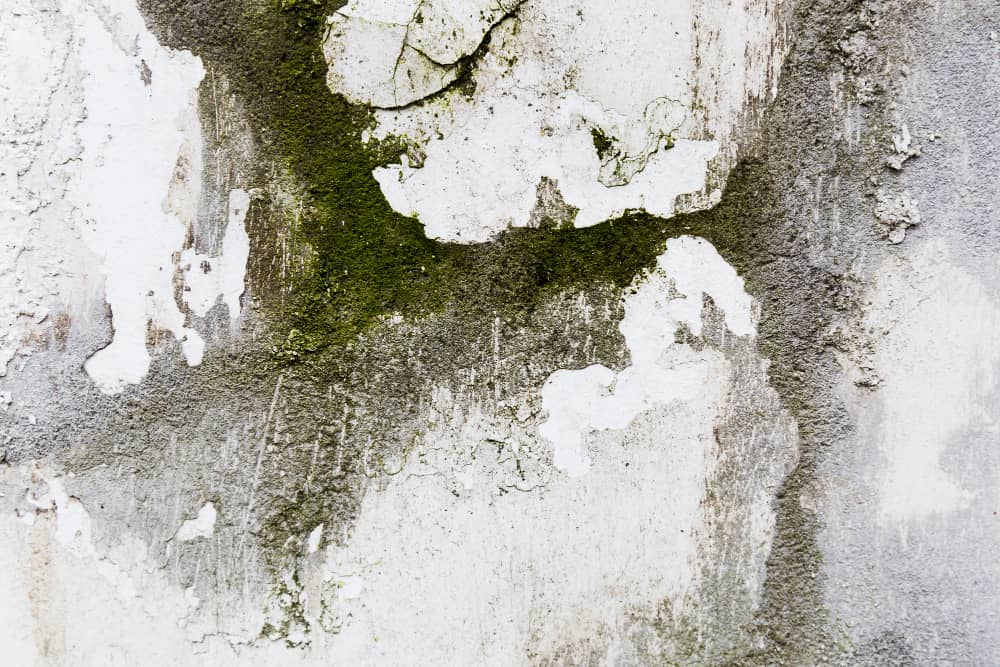
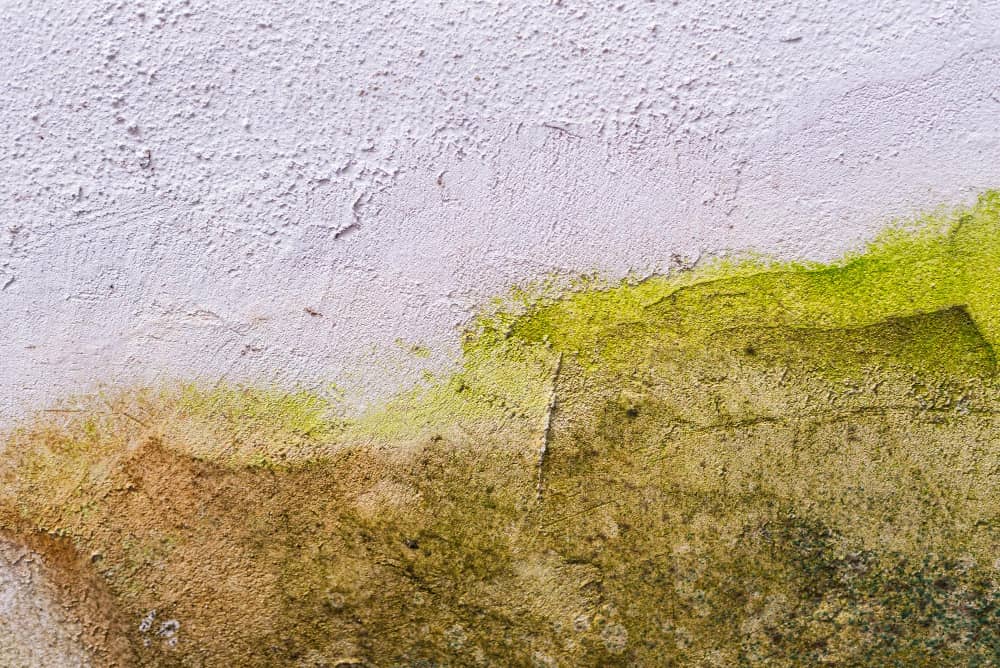
Excess indoor moisture condenses on cold surfaces, leading to mould growth and musty odours.
Certified installers know how to accurately diagnose the type of damp and select the most effective treatment method.
4. The Process of Damp Proof Installation by Certified Professionals
- Initial Survey:
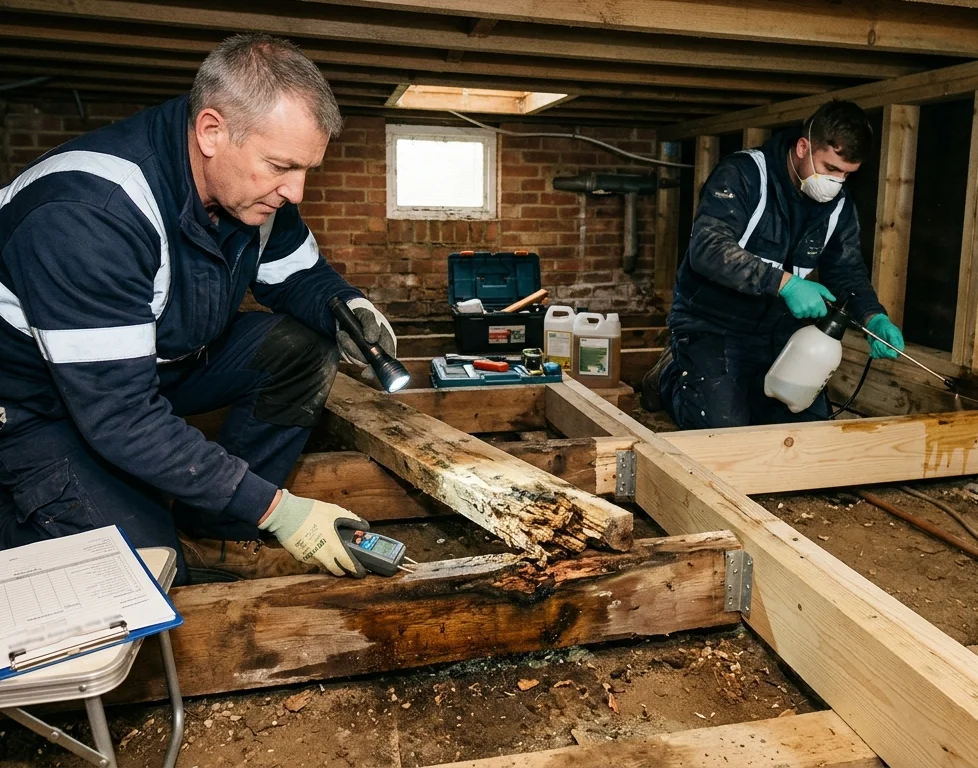
Certified engineers inspect walls, floors, and ceilings using moisture meters and thermal imaging. - Diagnosis and Report:
A detailed report identifies damp type, extent, and recommended solutions. - Preparation:
Affected areas are cleared of wallpaper, plaster, or debris to ensure proper treatment. - Application of Treatment:
Methods include:
- Chemical Damp-Proof Course: Injection into walls to stop rising damp.
- Tanking: Waterproof coating applied to walls or floors.
- Cavity Wall Injection: Filling cavity walls with water-repellent solutions.
- Ventilation Improvements: Installation of vents or extractor fans for condensation control.
- External Repairs: Fixing gutters, roofing, or brickwork to prevent penetration.
- Finishing Work:
Walls are restored with plaster, paint, or protective coatings as needed. - Follow-Up and Maintenance:
Certified installers provide guidance on maintaining a damp-free property, including regular checks and minor repairs.
5. Benefits of Hiring Certified Damp Proof Installers in London
- Reliable Diagnosis: Accurate identification prevents unnecessary treatments.
- Professional Standards: Ensures work complies with PCA or other UK regulations.
- Durable Solutions: Treatments are designed to last, reducing repeat work.
- Safety: Proper handling of chemicals and materials protects homeowners and property.
- Value for Money: Correct installation prevents costly structural repairs and energy losses.
Choosing certified installers protects both your home and your investment.
What best describes you?

Homeowner

Tenant

Management/Lettings Agent

Potential Buyer

Other
It just takes 60 Second
And then you can book a free consultation
6. Costs of Professional Damp Proofing Installation
The cost of damp proofing varies based on property size, damp severity, and treatment method:
- Chemical Damp-Proof Course: £30–£50 per linear metre
- Tanking: £100–£200 per square metre
- Cavity Wall Injection: £15–£25 per square metre
- Ventilation Improvements: £200–£600
- External Repairs: £150–£1,000+
While DIY options may seem cheaper, certified professional installation ensures long-term protection and cost savings by avoiding recurring issues.
7. Risks of Using Non-Certified Installers
- Incorrect diagnosis may worsen damp problems.
- Substandard materials or methods may fail prematurely.
- Non-compliance with UK regulations can affect property insurance.
- Lack of warranty leaves homeowners unprotected.
Investing in certified installers avoids these risks and guarantees a safer, healthier property.
8. Maintenance Tips After Damp Proof Installation
Even with certified installation, regular maintenance is key:
- Inspect gutters, roofs, and external walls for leaks
- Ensure ventilation systems are operational
- Use dehumidifiers in high-humidity areas
- Apply moisture-resistant paints in kitchens, bathrooms, and basements
- Address minor leaks promptly
Following these steps prolongs the effectiveness of damp proofing and prevents recurrence.
9. How Anke Damp Proofing Supports London Homeowners
Anke Damp Proofing provides:
- Certified damp proof installers with extensive experience
- Comprehensive surveys and tailored treatment plans
- Use of UK-approved products and materials
- Transparent pricing with warranties
- Emergency services for urgent damp issues
By choosing Anke Damp Proofing, London homeowners gain peace of mind knowing their property is protected by certified professionals.
10. Summary
Hiring certified damp proof installers in London ensures:
- Accurate diagnosis and effective treatment
- Compliance with UK building regulations
- Long-lasting protection against rising, penetrating, and condensation damp
- Improved indoor air quality and property value
- Peace of mind and guaranteed workmanship
Certification matters because it combines expertise, safety, and reliability for lasting results.
Related articles

What best describes you?
Homeowner
Tenant
Management/Lettings Agent
Potential Buyer
Other
At a glance
Damp can cause serious issues in London homes, from structural damage to mould growth and poor indoor air quality. While many companies offer damp proofing services, choosing certified damp proof installers in London ensures reliable, high-quality work. Certification demonstrates expertise, compliance with UK building standards, and access to approved methods and materials. In this guide, we explore why certification matters, the installation process, and the benefits for homeowners.
1. What Are Certified Damp Proof Installers?
Certified damp proof installers are professionals who have completed recognised training in the identification, prevention, and treatment of damp. Certification confirms that engineers understand the science of moisture, the latest UK regulations, and safe installation practices.
Certification schemes, such as those offered by the Property Care Association (PCA) in the UK, set standards for:
- Accurate damp diagnosis
- Safe and effective treatment methods
- Use of approved materials and products
- Compliance with British and EU building regulations
By choosing certified installers, homeowners can have confidence that their property is treated correctly and efficiently.
2. Why Certification Matters for London Properties
London homes face unique challenges, including older brickwork, high humidity, and variable weather. Certified installers bring specialised knowledge to address these issues. Benefits include:
- Expert Assessment: Accurate identification of rising, penetrating, or condensation damp.
- Long-Term Solutions: Professional installation reduces recurrence of damp problems.
- Compliance with UK Standards: Ensures legal and safety requirements are met.
- Insurance Protection: Some insurance policies only cover work carried out by certified professionals.
- Peace of Mind: Homeowners can trust the work is done to a high standard.
3. Common Types of Damp in London Homes
- Rising Damp:
Moisture rises from the ground through porous walls, often due to missing or failed damp-proof courses. - Penetrating Damp:
Water enters through defective brickwork, roofing, or gutters, causing wet patches and staining. - Condensation Damp:
Excess indoor moisture condenses on cold surfaces, leading to mould growth and musty odours.
Certified installers know how to accurately diagnose the type of damp and select the most effective treatment method.
4. The Process of Damp Proof Installation by Certified Professionals
- Initial Survey:
Certified engineers inspect walls, floors, and ceilings using moisture meters and thermal imaging. - Diagnosis and Report:
A detailed report identifies damp type, extent, and recommended solutions. - Preparation:
Affected areas are cleared of wallpaper, plaster, or debris to ensure proper treatment. - Application of Treatment:
Methods include:
- Chemical Damp-Proof Course: Injection into walls to stop rising damp.
- Tanking: Waterproof coating applied to walls or floors.
- Cavity Wall Injection: Filling cavity walls with water-repellent solutions.
- Ventilation Improvements: Installation of vents or extractor fans for condensation control.
- External Repairs: Fixing gutters, roofing, or brickwork to prevent penetration.
- Finishing Work:
Walls are restored with plaster, paint, or protective coatings as needed. - Follow-Up and Maintenance:
Certified installers provide guidance on maintaining a damp-free property, including regular checks and minor repairs.
5. Benefits of Hiring Certified Damp Proof Installers in London
- Reliable Diagnosis: Accurate identification prevents unnecessary treatments.
- Professional Standards: Ensures work complies with PCA or other UK regulations.
- Durable Solutions: Treatments are designed to last, reducing repeat work.
- Safety: Proper handling of chemicals and materials protects homeowners and property.
- Value for Money: Correct installation prevents costly structural repairs and energy losses.
Choosing certified installers protects both your home and your investment.
What best describes you?
Homeowner
Tenant
Management/Lettings Agent
Potential Buyer
Other
It just takes 60 Second
And then you can book a free consultation
6. Costs of Professional Damp Proofing Installation
The cost of damp proofing varies based on property size, damp severity, and treatment method:
- Chemical Damp-Proof Course: £30–£50 per linear metre
- Tanking: £100–£200 per square metre
- Cavity Wall Injection: £15–£25 per square metre
- Ventilation Improvements: £200–£600
- External Repairs: £150–£1,000+
While DIY options may seem cheaper, certified professional installation ensures long-term protection and cost savings by avoiding recurring issues.
7. Risks of Using Non-Certified Installers
- Incorrect diagnosis may worsen damp problems.
- Substandard materials or methods may fail prematurely.
- Non-compliance with UK regulations can affect property insurance.
- Lack of warranty leaves homeowners unprotected.
Investing in certified installers avoids these risks and guarantees a safer, healthier property.
8. Maintenance Tips After Damp Proof Installation
Even with certified installation, regular maintenance is key:
- Inspect gutters, roofs, and external walls for leaks
- Ensure ventilation systems are operational
- Use dehumidifiers in high-humidity areas
- Apply moisture-resistant paints in kitchens, bathrooms, and basements
- Address minor leaks promptly
Following these steps prolongs the effectiveness of damp proofing and prevents recurrence.
9. How Anke Damp Proofing Supports London Homeowners
Anke Damp Proofing provides:
- Certified damp proof installers with extensive experience
- Comprehensive surveys and tailored treatment plans
- Use of UK-approved products and materials
- Transparent pricing with warranties
- Emergency services for urgent damp issues
By choosing Anke Damp Proofing, London homeowners gain peace of mind knowing their property is protected by certified professionals.
10. Summary
Hiring certified damp proof installers in London ensures:
- Accurate diagnosis and effective treatment
- Compliance with UK building regulations
- Long-lasting protection against rising, penetrating, and condensation damp
- Improved indoor air quality and property value
- Peace of mind and guaranteed workmanship
Certification matters because it combines expertise, safety, and reliability for lasting results.
Related articles
What best describes you?
Homeowner
Tenant
Management/Lettings Agent
Potential Buyer