
Basements and Timber Decay in Hertfordshire: Planning the Right Remedial Route
Basements and below-ground spaces can add valuable storage or living space to a home, but they also present unique challenges when moisture finds its way into the building.

Why you can trust our content
At a glance
Combined with timber floors and structural woodwork, prolonged damp conditions can create the ideal environment for fungal decay to develop.
Many homeowners assume that all timber decay is the same or that waterproofing is always the answer. In reality, every property requires a careful assessment to identify where moisture is coming from, how it is affecting the structure and which remedial solution is genuinely appropriate.
If you’ve noticed damp basement walls, soft timber or persistent musty smells, contact Anke Damp Proofing for a detailed inspection before planning remedial work.
Why are basements more vulnerable to moisture?
Unlike rooms above ground, basements are surrounded by soil that naturally retains moisture. Over time, changes in drainage, groundwater levels or building defects can allow water to affect walls and floors.
Common causes include:
- Hydrostatic pressure against basement walls
- Defective external drainage
- Cracked masonry
- Blocked or damaged gutters
- Condensation caused by poor ventilation
- Plumbing leaks
- Older waterproofing systems reaching the end of their lifespan
Understanding which factor is responsible is the first step towards selecting the right solution.
How does moisture affect timber?
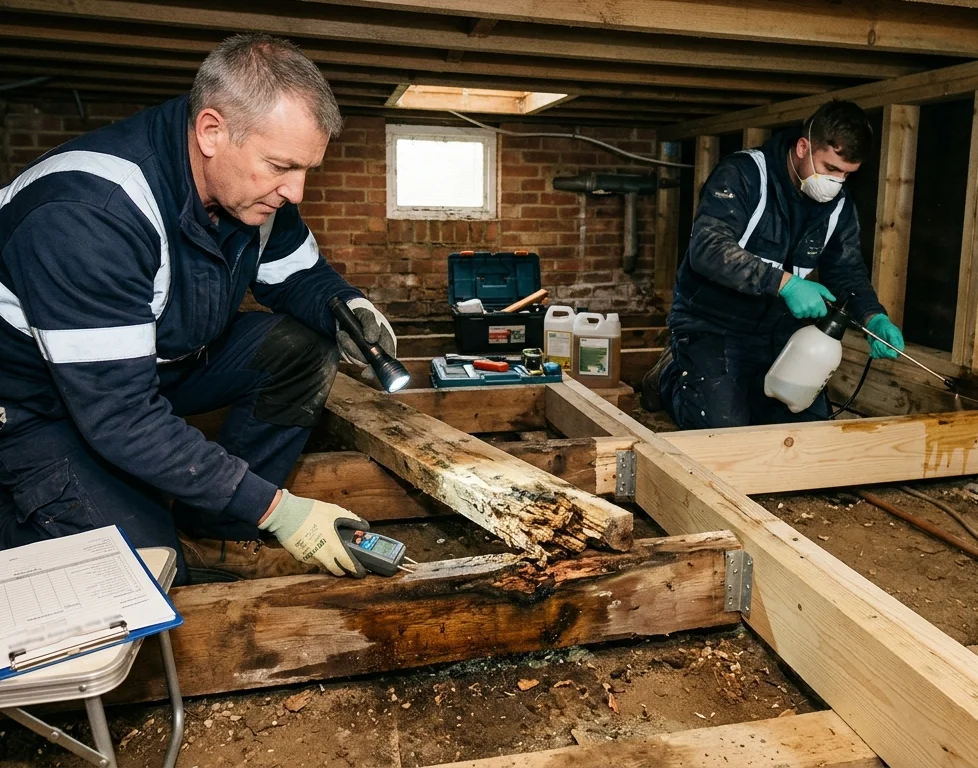
Timber is extremely durable when kept dry, but prolonged exposure to moisture allows fungal decay to develop.
Common warning signs include:
- Soft or spongy timber
- Uneven or springy floors
- Cracking along the grain
- Musty odours
- Discoloured wood
- Decaying skirting boards
- Visible fungal growth
Professional dry rot treatment hertfordshire begins with identifying why moisture is present before damaged timber is repaired or replaced.
What is the difference between dry rot and wet rot?
Although both are caused by excess moisture, they behave differently.
| Dry Rot | Wet Rot |
| Can spread through connected timber when conditions remain favourable | Usually remains close to the moisture source |
| May affect larger structural areas | Often limited to damp timber |
| Requires removal of the moisture source before repair | Also depends on controlling moisture before repairs |
| Needs careful investigation | Requires accurate diagnosis |
A professional inspection determines which form of decay is present before treatment begins.
Could the basement be causing timber decay elsewhere?
Yes.
Moisture rarely remains confined to one location.
High humidity within a basement can affect suspended timber floors above, while water entering through retaining walls may increase moisture levels throughout the lower part of the property.
Likewise, blocked air bricks or poor ventilation can prevent timber beneath floors from drying naturally.
This is why experienced specialists carrying out dry rot treatment hertfordshire assess the entire building rather than focusing solely on the visibly damaged area.
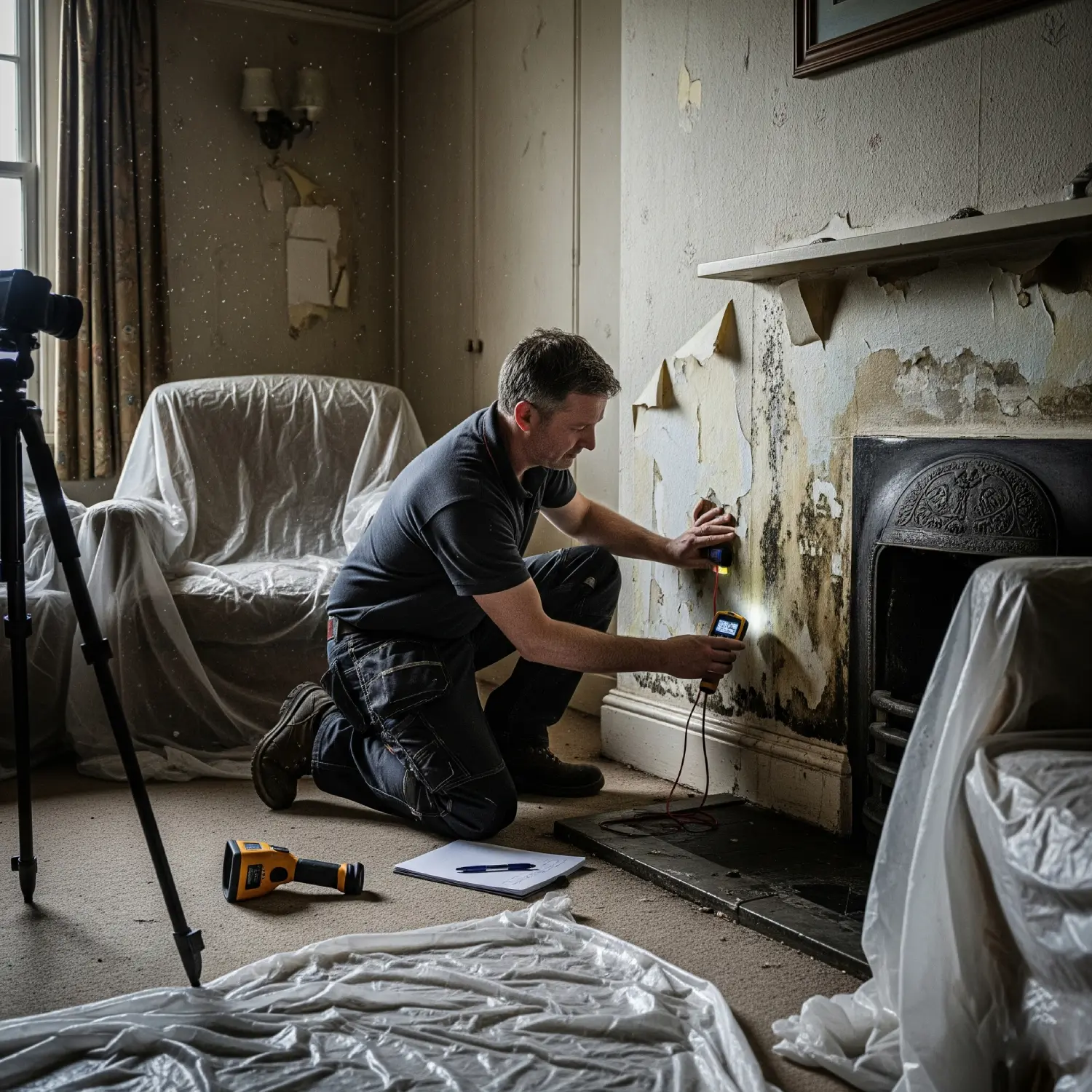
What should a professional inspection include?
A thorough assessment should examine both the basement and surrounding structural elements.
This normally includes:
- Basement walls
- Floor construction
- Structural timber
- Moisture readings
- Ventilation
- External drainage
- Roof and gutter condition
- Plumbing where relevant
Looking at the building as a complete system allows the true source of moisture to be identified before remedial work begins.
A typical example
A homeowner plans to convert an unused basement into additional living space. During the initial inspection, areas of soft timber are discovered beneath the ground floor, along with damp patches on one retaining wall.
The survey finds that poor drainage around the property has allowed moisture to enter below ground level over several years. Improving drainage, repairing the affected timber and addressing the basement moisture resolves the problem before the conversion begins.
This type of investigation helps prevent future disruption and protects the investment made in the property.
If you’re planning basement improvements or have concerns about hidden moisture, Anke Damp Proofing can provide a detailed survey and practical recommendations tailored to your home.
What best describes you?

Homeowner

Tenant

Management/Lettings Agent

Potential Buyer

Other
It just takes 60 Second
And then you can book a free consultation
When is waterproofing the right option?
Not every basement requires waterproofing, but where groundwater or external moisture is entering the structure, it may provide the most effective long-term solution.
Professional structural waterproofing services hertfordshire are recommended only after a detailed assessment confirms that below-ground water ingress is contributing to the problem.
Selecting the correct waterproofing system depends on factors such as:
- Basement construction
- Ground conditions
- Existing drainage
- Intended use of the space
- Overall condition of the property
Why is early action so important?
Delaying investigation allows moisture to continue affecting both masonry and timber.
Early diagnosis helps:
- Protect structural timber
- Reduce long-term repair costs
- Preserve original building materials
- Prevent further moisture spread
- Support future renovation projects
Where decay is confined to consistently damp timber, professional wet rot treatment hertfordshire may be recommended after the moisture source has been addressed.
If fungal decay has affected larger structural areas, wet rot treatment hertfordshire or more extensive timber repairs may form part of the overall remedial strategy, depending on the survey findings.
Likewise, timely dry rot treatment hertfordshire can significantly reduce the extent of structural repairs when problems are identified before they spread.
If you’re concerned about basement damp, timber decay or hidden moisture within your Hertfordshire property, contact Anke Damp Proofing. Our experienced team provides comprehensive inspections and recommends practical solutions based on the individual needs of your home.
Conclusion
Basement damp and timber decay are closely connected, but the right solution depends on understanding exactly how moisture is affecting the property. Careful investigation allows repairs to be targeted, helping homeowners protect both the structure and the long-term value of their homes.
At Anke Damp Proofing, we take a survey-led approach to every property. Whether you’re dealing with basement moisture, timber decay or planning a renovation, our experienced team provides clear advice and practical recommendations tailored to your Hertfordshire home.
Related articles

What best describes you?
Homeowner
Tenant
Management/Lettings Agent
Potential Buyer
Other
At a glance
Combined with timber floors and structural woodwork, prolonged damp conditions can create the ideal environment for fungal decay to develop.
Many homeowners assume that all timber decay is the same or that waterproofing is always the answer. In reality, every property requires a careful assessment to identify where moisture is coming from, how it is affecting the structure and which remedial solution is genuinely appropriate.
If you’ve noticed damp basement walls, soft timber or persistent musty smells, contact Anke Damp Proofing for a detailed inspection before planning remedial work.
Why are basements more vulnerable to moisture?
Unlike rooms above ground, basements are surrounded by soil that naturally retains moisture. Over time, changes in drainage, groundwater levels or building defects can allow water to affect walls and floors.
Common causes include:
- Hydrostatic pressure against basement walls
- Defective external drainage
- Cracked masonry
- Blocked or damaged gutters
- Condensation caused by poor ventilation
- Plumbing leaks
- Older waterproofing systems reaching the end of their lifespan
Understanding which factor is responsible is the first step towards selecting the right solution.
How does moisture affect timber?
Timber is extremely durable when kept dry, but prolonged exposure to moisture allows fungal decay to develop.
Common warning signs include:
- Soft or spongy timber
- Uneven or springy floors
- Cracking along the grain
- Musty odours
- Discoloured wood
- Decaying skirting boards
- Visible fungal growth
Professional dry rot treatment hertfordshire begins with identifying why moisture is present before damaged timber is repaired or replaced.
What is the difference between dry rot and wet rot?
Although both are caused by excess moisture, they behave differently.
| Dry Rot | Wet Rot |
| Can spread through connected timber when conditions remain favourable | Usually remains close to the moisture source |
| May affect larger structural areas | Often limited to damp timber |
| Requires removal of the moisture source before repair | Also depends on controlling moisture before repairs |
| Needs careful investigation | Requires accurate diagnosis |
A professional inspection determines which form of decay is present before treatment begins.
Could the basement be causing timber decay elsewhere?
Yes.
Moisture rarely remains confined to one location.
High humidity within a basement can affect suspended timber floors above, while water entering through retaining walls may increase moisture levels throughout the lower part of the property.
Likewise, blocked air bricks or poor ventilation can prevent timber beneath floors from drying naturally.
This is why experienced specialists carrying out dry rot treatment hertfordshire assess the entire building rather than focusing solely on the visibly damaged area.
What should a professional inspection include?
A thorough assessment should examine both the basement and surrounding structural elements.
This normally includes:
- Basement walls
- Floor construction
- Structural timber
- Moisture readings
- Ventilation
- External drainage
- Roof and gutter condition
- Plumbing where relevant
Looking at the building as a complete system allows the true source of moisture to be identified before remedial work begins.
A typical example
A homeowner plans to convert an unused basement into additional living space. During the initial inspection, areas of soft timber are discovered beneath the ground floor, along with damp patches on one retaining wall.
The survey finds that poor drainage around the property has allowed moisture to enter below ground level over several years. Improving drainage, repairing the affected timber and addressing the basement moisture resolves the problem before the conversion begins.
This type of investigation helps prevent future disruption and protects the investment made in the property.
If you’re planning basement improvements or have concerns about hidden moisture, Anke Damp Proofing can provide a detailed survey and practical recommendations tailored to your home.
What best describes you?
Homeowner
Tenant
Management/Lettings Agent
Potential Buyer
Other
It just takes 60 Second
And then you can book a free consultation
When is waterproofing the right option?
Not every basement requires waterproofing, but where groundwater or external moisture is entering the structure, it may provide the most effective long-term solution.
Professional structural waterproofing services hertfordshire are recommended only after a detailed assessment confirms that below-ground water ingress is contributing to the problem.
Selecting the correct waterproofing system depends on factors such as:
- Basement construction
- Ground conditions
- Existing drainage
- Intended use of the space
- Overall condition of the property
Why is early action so important?
Delaying investigation allows moisture to continue affecting both masonry and timber.
Early diagnosis helps:
- Protect structural timber
- Reduce long-term repair costs
- Preserve original building materials
- Prevent further moisture spread
- Support future renovation projects
Where decay is confined to consistently damp timber, professional wet rot treatment hertfordshire may be recommended after the moisture source has been addressed.
If fungal decay has affected larger structural areas, wet rot treatment hertfordshire or more extensive timber repairs may form part of the overall remedial strategy, depending on the survey findings.
Likewise, timely dry rot treatment hertfordshire can significantly reduce the extent of structural repairs when problems are identified before they spread.
If you’re concerned about basement damp, timber decay or hidden moisture within your Hertfordshire property, contact Anke Damp Proofing. Our experienced team provides comprehensive inspections and recommends practical solutions based on the individual needs of your home.
Conclusion
Basement damp and timber decay are closely connected, but the right solution depends on understanding exactly how moisture is affecting the property. Careful investigation allows repairs to be targeted, helping homeowners protect both the structure and the long-term value of their homes.
At Anke Damp Proofing, we take a survey-led approach to every property. Whether you’re dealing with basement moisture, timber decay or planning a renovation, our experienced team provides clear advice and practical recommendations tailored to your Hertfordshire home.
Related articles
What best describes you?
Homeowner
Tenant
Management/Lettings Agent
Potential Buyer