

After Damp or Rot Treatment in North London: What Should Be Checked Before You Redecorate?
Finishing damp or rot treatment can feel like the end of a stressful job. The walls may look cleaner, damaged timber may have been treated or replaced, and the obvious signs of moisture may have disappeared.

Why you can trust our content

At a glance
However, there is an important stage between completing the treatment and putting fresh paint or wallpaper on the walls.
The property needs time to recover, and the treated areas should be checked to confirm that moisture is reducing and the underlying problem has been properly addressed. Redecorating too early can conceal warning signs and, in some situations, trap moisture within materials.
Whether the original problem involved penetrating damp, rising damp, condensation, timber decay or a combination of issues, sensible aftercare helps protect the work already carried out.
If you are unsure whether a treated area is ready for the next stage, Anke Damp Proofing can provide practical guidance based on the condition of the property and the treatment completed.
Why should you wait before redecorating?
The visible surface of a wall can appear dry before the materials underneath have fully dried. Plaster, masonry, timber and other building materials can retain moisture for some time after the source has been controlled.
The drying period varies considerably. Factors include:
- The original moisture level
- The thickness and type of wall
- The materials used during repair
- Ventilation and heating
- External weather conditions
- Whether plaster or other finishes were replaced
- The severity of any timber decay
A property should therefore not be judged solely by how a wall looks or feels to the touch.
A damp survey north london can be useful where there is uncertainty about remaining moisture or where previous problems need to be checked before decorative work begins. Testing should be interpreted alongside the building’s construction and history rather than relying on a single reading.
What should be checked after damp treatment?
Post-treatment checks should establish whether the moisture source has been controlled and whether the affected materials are progressing towards a suitable condition for reinstatement.
A useful review may consider:
| Area to check | What to look for | Why it matters |
| Walls and plaster | Falling or stable moisture readings | Helps assess drying progress |
| Timber | Moisture level, staining and condition | Indicates whether decay remains active |
| Skirting and joinery | Swelling, softness or deterioration | Can reveal continuing moisture |
| Ventilation | Adequate airflow | Supports drying and moisture control |
| External areas | Defective pointing, gutters or drainage | Helps identify possible moisture sources |
| Waterproofing | Condition of treated areas and details | Confirms protection remains effective |
The exact checks will depend on the original diagnosis. A property affected by a localised leak will require a different review from a basement that has needed waterproofing work.
How can you tell whether walls are ready for redecoration?
There is no universal drying time that applies to every property. Instead, readiness should be assessed using the materials involved, moisture measurements and the recommendations associated with the treatment.
Look out for signs such as:
- Persistent damp patches
- Salts appearing through plaster
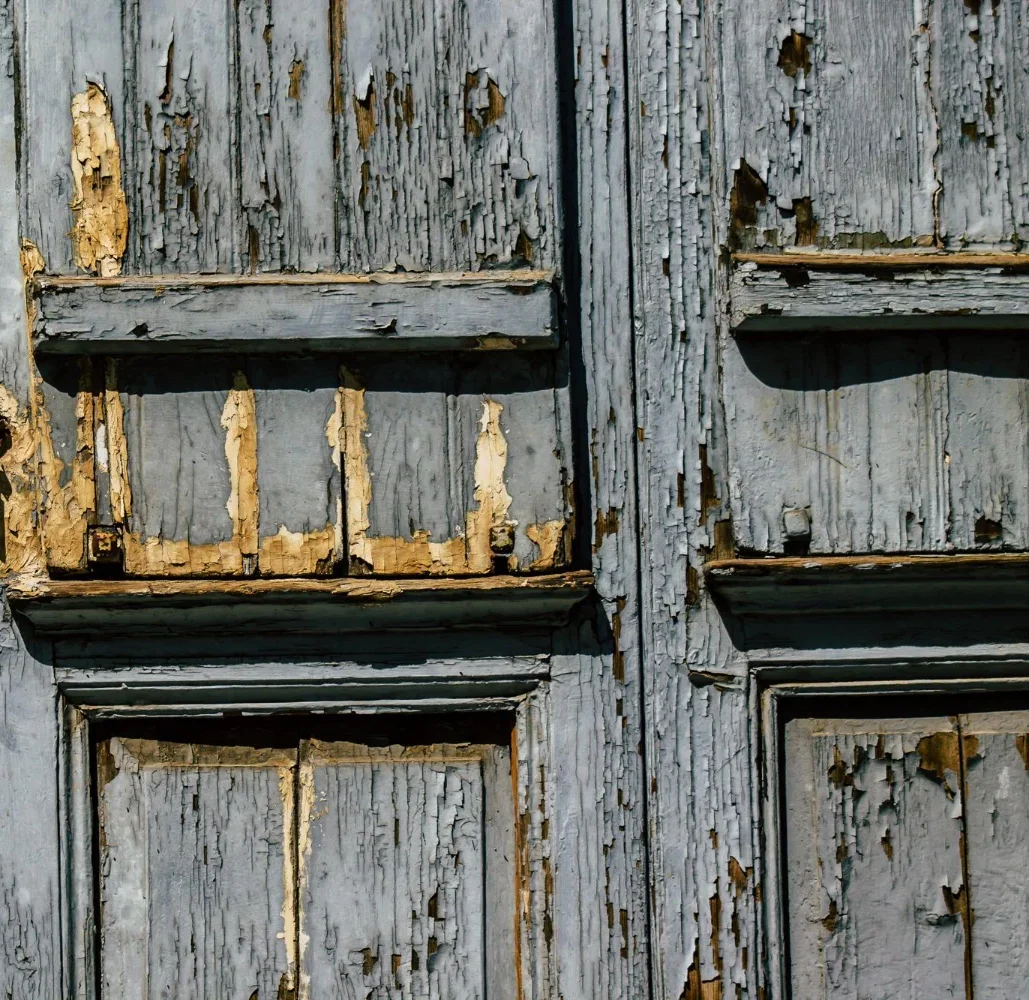
- Paint blistering or flaking
- Wallpaper lifting
- A musty smell
- Skirting boards becoming swollen or soft
- Moisture readings that remain unusually high
- New staining after previously improving
Importantly, the disappearance of a visible damp patch does not automatically prove that the wall is completely dry.
Where replacement plaster has been installed, it may also need sufficient time to dry before decorative finishes are applied. The appropriate period depends on the specification and conditions of the property.
What best describes you?

Homeowner

Tenant

Management/Lettings Agent

Potential Buyer

Other
It just takes 60 Second
And then you can book a free consultation
What needs checking after dry rot or wet rot treatment?
Timber requires particular attention because the condition of wood can change as moisture levels alter.
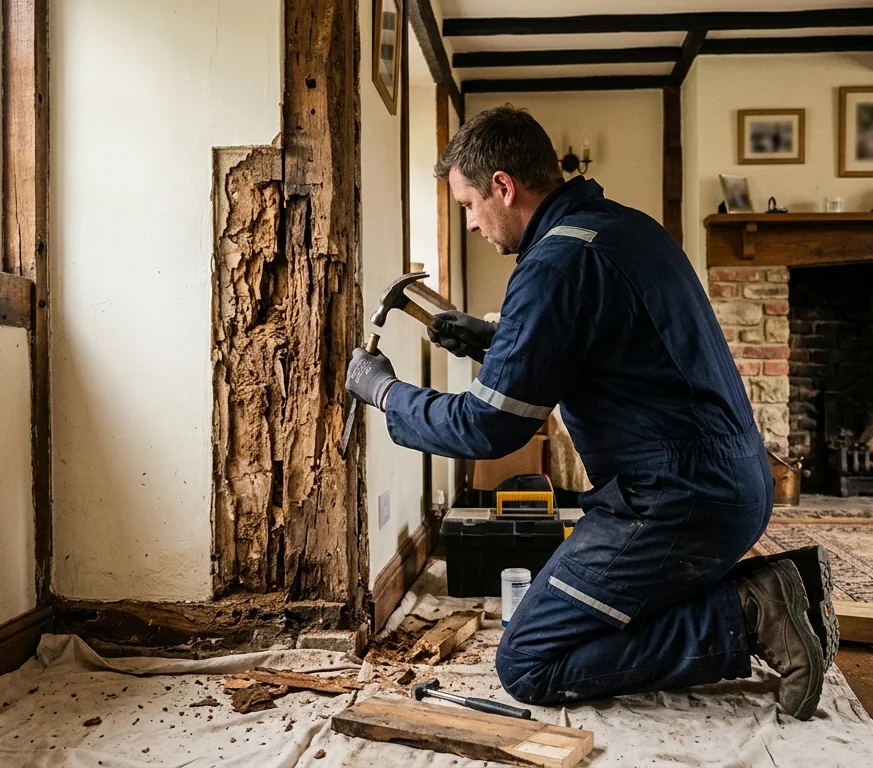
After dry rot treatment north london, a follow-up assessment may consider whether affected areas have dried adequately, whether damaged timber has been removed or repaired as required, and whether the conditions that allowed the decay to develop have been addressed.
Wet rot treatment north london also requires attention to the moisture source. Wet rot is associated with persistently damp timber, so simply treating visibly affected wood without controlling the moisture problem can leave the property vulnerable to further deterioration.
Checks may include:
- Measuring timber moisture levels.
- Inspecting previously affected sections.
- Checking repaired or replaced timber.
- Looking for signs of continuing fungal activity or deterioration.
- Confirming that ventilation and moisture control measures are functioning.
- Reviewing areas where moisture could return.
The aim is not simply to confirm that treatment has been applied. It is to establish whether the building conditions that contributed to the decay have been brought under control.
If timber remains damp or deterioration is still visible, it is sensible to investigate before covering the area with paint, plasterboard or other finishes. Anke Damp Proofing can help assess whether further investigation or remedial work is appropriate.
Could damp return after treatment?
Yes. Damp can recur if the original moisture source remains, a separate source develops, or building conditions change.
For example, a repaired wall could become damp again because of a leaking gutter, damaged external pointing or a plumbing issue. In another property, inadequate ventilation could contribute to persistent internal moisture even though the original damp problem was treated correctly.
This is why post-treatment inspection should consider the wider building rather than concentrating only on the exact area that was previously damaged.
Common reasons moisture may return
External defects: Failed pointing, blocked gutters, damaged roof coverings and defective drainage can introduce water into the building.
Internal leaks: Plumbing faults, bathroom leaks or appliance connections can create localised moisture.
Ventilation problems: Increased condensation can occur when moisture production rises without sufficient ventilation.
Incomplete drying: Materials may still contain significant moisture when decorative finishes are applied.
New moisture source: A recurrence does not necessarily mean the original treatment failed. A separate defect may have developed afterwards.
This distinction is important when deciding what should happen next.
When is structural damp proofing and waterproofing appropriate?
Not every damp problem requires waterproofing or major structural intervention. The correct approach depends on the source of moisture and the construction of the building.
Where water is entering below ground level, for example, a waterproofing system may be considered as part of a broader remedial strategy. The design needs to account for the building structure, water exposure, drainage and how the treated area will be used.
Structural damp proofing and waterproofing should therefore be based on diagnosis rather than simply selecting a product or coating.
If a previously treated area continues to show moisture, a further assessment can help determine whether the problem relates to the original issue, a new defect or a different moisture mechanism altogether.
What should a post-treatment inspection report contain?
A useful report should provide enough information for the property owner to understand what was inspected and what should happen next.
Depending on the job, this may include:
- Areas inspected
- Moisture readings or other test results
- Condition of walls, plaster and timber
- Areas previously treated
- Any repairs or replacements completed
- Remaining defects or concerns
- Recommended drying or monitoring period
- Advice about reinstatement and redecoration
- Photographs where useful
- Details of any recommended follow-up work
A clear record can also help prevent confusion if another contractor becomes involved later. It provides a reference point for comparing future observations with the property’s condition at the time of inspection.
Should you monitor the property before decorating?
In some cases, monitoring is more useful than carrying out another immediate treatment.
If moisture levels are reducing and there are no signs of renewed water ingress or timber deterioration, allowing additional drying time may be appropriate. Where readings remain high or symptoms are worsening, further investigation may be needed.
A simple monitoring record can include:
- Date of each inspection
- Areas tested
- Moisture readings where appropriate
- Changes in staining or surface condition
- Any new smells or visible deterioration
- Changes in ventilation or heating
- External weather or water-related issues where relevant
This can make it easier to identify whether conditions are steadily improving or whether something has changed.
A typical North London example
Consider a period property where a damp wall has been treated and sections of damaged plaster have been removed. The wall may look substantially better after the remedial work, but the underlying masonry can still contain retained moisture.
Rather than immediately applying a decorative finish, the owner arranges a follow-up inspection. Moisture levels are checked, external drainage is reviewed and the affected timber is inspected. The findings show that the area is continuing to dry, so further drying time is recommended before redecoration.
This approach avoids treating the visual appearance as the only measure of success. It also gives the homeowner a clearer basis for deciding when reinstatement should take place.
What should you avoid doing after treatment?
Some common mistakes can make it harder to assess whether the original problem has genuinely been resolved.
Avoid:
- Painting over persistent damp staining
- Covering questionable timber without inspection
- Installing impermeable finishes too early
- Ignoring recurring musty smells
- Assuming one low surface reading proves the entire wall is dry
- Treating recurring symptoms without investigating their source
- Removing monitoring evidence before the drying process is complete
Decorating should be the final part of the process, not a way of hiding unresolved symptoms.
Check the Timber Before Covering It Again
Damp and rot treatment should not be considered complete simply because the visible symptoms have improved. The condition of walls, plaster and timber, together with moisture levels and the original cause of the problem, should all be considered before decorative finishes are reinstated.
Allowing appropriate drying time and carrying out sensible follow-up checks can reduce the risk of concealing a continuing issue. Where concerns remain, an additional inspection can establish whether monitoring, further drying or corrective work is appropriate.
If you are preparing to redecorate following remedial work, Anke Damp Proofing can provide practical advice and arrange appropriate inspection where required. Contact the team to discuss the condition of your property or request a bespoke quote.
Related articles
What best describes you?
Homeowner
Tenant
Management/Lettings Agent
Potential Buyer
Other
At a glance
However, there is an important stage between completing the treatment and putting fresh paint or wallpaper on the walls.
The property needs time to recover, and the treated areas should be checked to confirm that moisture is reducing and the underlying problem has been properly addressed. Redecorating too early can conceal warning signs and, in some situations, trap moisture within materials.
Whether the original problem involved penetrating damp, rising damp, condensation, timber decay or a combination of issues, sensible aftercare helps protect the work already carried out.
If you are unsure whether a treated area is ready for the next stage, Anke Damp Proofing can provide practical guidance based on the condition of the property and the treatment completed.
Why should you wait before redecorating?
The visible surface of a wall can appear dry before the materials underneath have fully dried. Plaster, masonry, timber and other building materials can retain moisture for some time after the source has been controlled.
The drying period varies considerably. Factors include:
- The original moisture level
- The thickness and type of wall
- The materials used during repair
- Ventilation and heating
- External weather conditions
- Whether plaster or other finishes were replaced
- The severity of any timber decay
A property should therefore not be judged solely by how a wall looks or feels to the touch.
A damp survey north london can be useful where there is uncertainty about remaining moisture or where previous problems need to be checked before decorative work begins. Testing should be interpreted alongside the building’s construction and history rather than relying on a single reading.
What should be checked after damp treatment?
Post-treatment checks should establish whether the moisture source has been controlled and whether the affected materials are progressing towards a suitable condition for reinstatement.
A useful review may consider:
| Area to check | What to look for | Why it matters |
| Walls and plaster | Falling or stable moisture readings | Helps assess drying progress |
| Timber | Moisture level, staining and condition | Indicates whether decay remains active |
| Skirting and joinery | Swelling, softness or deterioration | Can reveal continuing moisture |
| Ventilation | Adequate airflow | Supports drying and moisture control |
| External areas | Defective pointing, gutters or drainage | Helps identify possible moisture sources |
| Waterproofing | Condition of treated areas and details | Confirms protection remains effective |
The exact checks will depend on the original diagnosis. A property affected by a localised leak will require a different review from a basement that has needed waterproofing work.
How can you tell whether walls are ready for redecoration?
There is no universal drying time that applies to every property. Instead, readiness should be assessed using the materials involved, moisture measurements and the recommendations associated with the treatment.
Look out for signs such as:
- Persistent damp patches
- Salts appearing through plaster
- Paint blistering or flaking
- Wallpaper lifting
- A musty smell
- Skirting boards becoming swollen or soft
- Moisture readings that remain unusually high
- New staining after previously improving
Importantly, the disappearance of a visible damp patch does not automatically prove that the wall is completely dry.
Where replacement plaster has been installed, it may also need sufficient time to dry before decorative finishes are applied. The appropriate period depends on the specification and conditions of the property.
What best describes you?
Homeowner
Tenant
Management/Lettings Agent
Potential Buyer
Other
It just takes 60 Second
And then you can book a free consultation
What needs checking after dry rot or wet rot treatment?
Timber requires particular attention because the condition of wood can change as moisture levels alter.
After dry rot treatment north london, a follow-up assessment may consider whether affected areas have dried adequately, whether damaged timber has been removed or repaired as required, and whether the conditions that allowed the decay to develop have been addressed.
Wet rot treatment north london also requires attention to the moisture source. Wet rot is associated with persistently damp timber, so simply treating visibly affected wood without controlling the moisture problem can leave the property vulnerable to further deterioration.
Checks may include:
- Measuring timber moisture levels.
- Inspecting previously affected sections.
- Checking repaired or replaced timber.
- Looking for signs of continuing fungal activity or deterioration.
- Confirming that ventilation and moisture control measures are functioning.
- Reviewing areas where moisture could return.
The aim is not simply to confirm that treatment has been applied. It is to establish whether the building conditions that contributed to the decay have been brought under control.
If timber remains damp or deterioration is still visible, it is sensible to investigate before covering the area with paint, plasterboard or other finishes. Anke Damp Proofing can help assess whether further investigation or remedial work is appropriate.
Could damp return after treatment?
Yes. Damp can recur if the original moisture source remains, a separate source develops, or building conditions change.
For example, a repaired wall could become damp again because of a leaking gutter, damaged external pointing or a plumbing issue. In another property, inadequate ventilation could contribute to persistent internal moisture even though the original damp problem was treated correctly.
This is why post-treatment inspection should consider the wider building rather than concentrating only on the exact area that was previously damaged.
Common reasons moisture may return
External defects: Failed pointing, blocked gutters, damaged roof coverings and defective drainage can introduce water into the building.
Internal leaks: Plumbing faults, bathroom leaks or appliance connections can create localised moisture.
Ventilation problems: Increased condensation can occur when moisture production rises without sufficient ventilation.
Incomplete drying: Materials may still contain significant moisture when decorative finishes are applied.
New moisture source: A recurrence does not necessarily mean the original treatment failed. A separate defect may have developed afterwards.
This distinction is important when deciding what should happen next.
When is structural damp proofing and waterproofing appropriate?
Not every damp problem requires waterproofing or major structural intervention. The correct approach depends on the source of moisture and the construction of the building.
Where water is entering below ground level, for example, a waterproofing system may be considered as part of a broader remedial strategy. The design needs to account for the building structure, water exposure, drainage and how the treated area will be used.
Structural damp proofing and waterproofing should therefore be based on diagnosis rather than simply selecting a product or coating.
If a previously treated area continues to show moisture, a further assessment can help determine whether the problem relates to the original issue, a new defect or a different moisture mechanism altogether.
What should a post-treatment inspection report contain?
A useful report should provide enough information for the property owner to understand what was inspected and what should happen next.
Depending on the job, this may include:
- Areas inspected
- Moisture readings or other test results
- Condition of walls, plaster and timber
- Areas previously treated
- Any repairs or replacements completed
- Remaining defects or concerns
- Recommended drying or monitoring period
- Advice about reinstatement and redecoration
- Photographs where useful
- Details of any recommended follow-up work
A clear record can also help prevent confusion if another contractor becomes involved later. It provides a reference point for comparing future observations with the property’s condition at the time of inspection.
Should you monitor the property before decorating?
In some cases, monitoring is more useful than carrying out another immediate treatment.
If moisture levels are reducing and there are no signs of renewed water ingress or timber deterioration, allowing additional drying time may be appropriate. Where readings remain high or symptoms are worsening, further investigation may be needed.
A simple monitoring record can include:
- Date of each inspection
- Areas tested
- Moisture readings where appropriate
- Changes in staining or surface condition
- Any new smells or visible deterioration
- Changes in ventilation or heating
- External weather or water-related issues where relevant
This can make it easier to identify whether conditions are steadily improving or whether something has changed.
A typical North London example
Consider a period property where a damp wall has been treated and sections of damaged plaster have been removed. The wall may look substantially better after the remedial work, but the underlying masonry can still contain retained moisture.
Rather than immediately applying a decorative finish, the owner arranges a follow-up inspection. Moisture levels are checked, external drainage is reviewed and the affected timber is inspected. The findings show that the area is continuing to dry, so further drying time is recommended before redecoration.
This approach avoids treating the visual appearance as the only measure of success. It also gives the homeowner a clearer basis for deciding when reinstatement should take place.
What should you avoid doing after treatment?
Some common mistakes can make it harder to assess whether the original problem has genuinely been resolved.
Avoid:
- Painting over persistent damp staining
- Covering questionable timber without inspection
- Installing impermeable finishes too early
- Ignoring recurring musty smells
- Assuming one low surface reading proves the entire wall is dry
- Treating recurring symptoms without investigating their source
- Removing monitoring evidence before the drying process is complete
Decorating should be the final part of the process, not a way of hiding unresolved symptoms.
Check the Timber Before Covering It Again
Damp and rot treatment should not be considered complete simply because the visible symptoms have improved. The condition of walls, plaster and timber, together with moisture levels and the original cause of the problem, should all be considered before decorative finishes are reinstated.
Allowing appropriate drying time and carrying out sensible follow-up checks can reduce the risk of concealing a continuing issue. Where concerns remain, an additional inspection can establish whether monitoring, further drying or corrective work is appropriate.
If you are preparing to redecorate following remedial work, Anke Damp Proofing can provide practical advice and arrange appropriate inspection where required. Contact the team to discuss the condition of your property or request a bespoke quote.
Related articles
What best describes you?
Homeowner
Tenant
Management/Lettings Agent
Potential Buyer