
Wet Rot Treatment North London: Prevention Strategies for Timber Decay
Wet rot is a common issue in properties across North London, particularly where moisture levels remain high over time.

Why you can trust our content

At a glance
While it may start as a minor problem, untreated wet rot can weaken timber structures and lead to more extensive repairs.
The key to protecting your property is early identification and effective prevention. Understanding how wet rot develops and how wet rot treatment North London works can help you maintain a safe and structurally sound home.
If you’ve noticed signs of timber damage or damp, you can contact our team at Anke Damp Proofing for expert advice and an initial assessment.
What Causes Wet Rot in Homes?
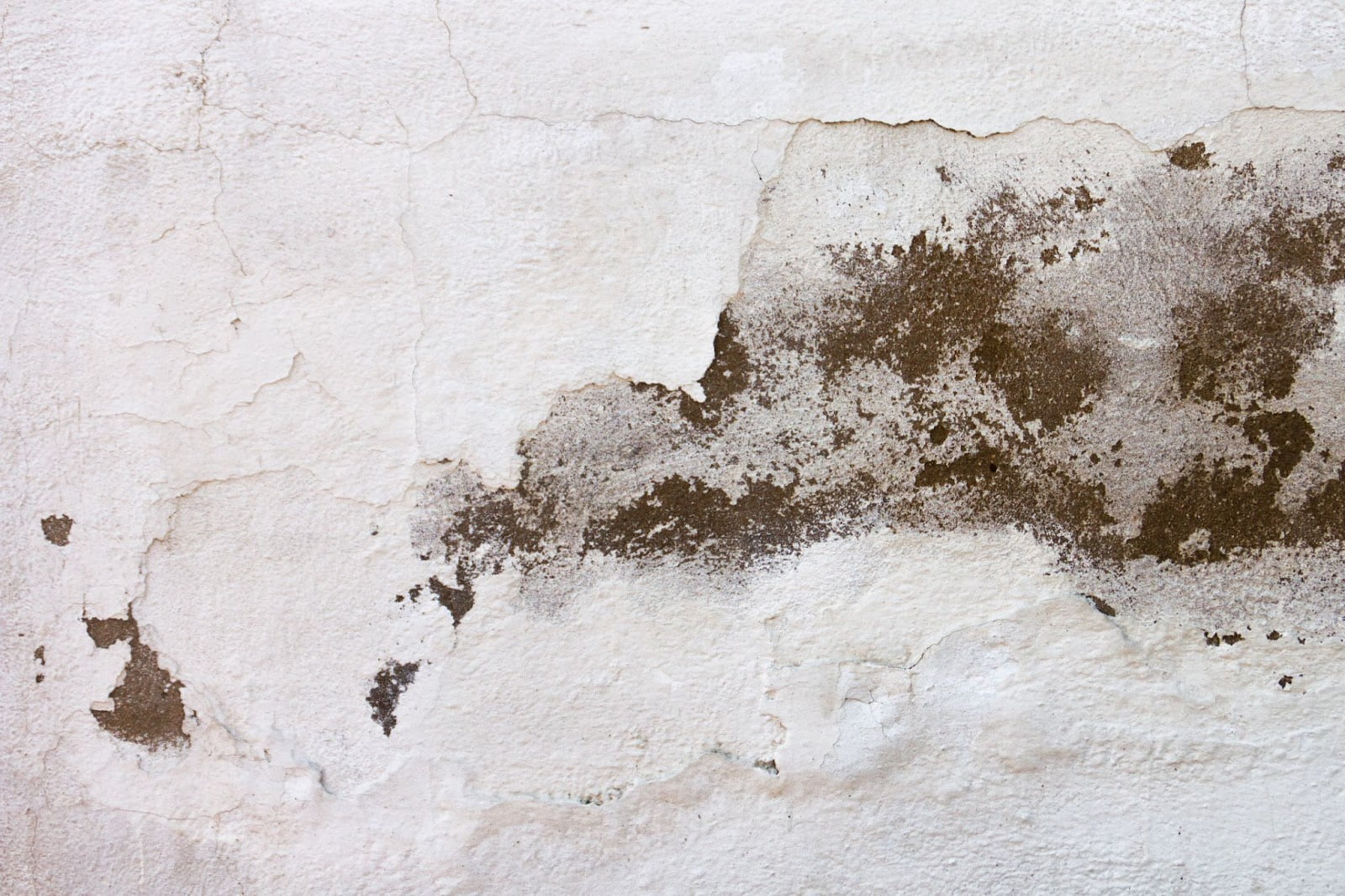
Wet rot occurs when timber is exposed to prolonged moisture, allowing fungi to grow and break down the wood.
Common causes include:
- Leaking pipes or roofs
- Poor ventilation in enclosed spaces
- Rising damp affecting timber elements
- Condensation in areas with limited airflow
Addressing the source of moisture is always the first step in any effective wet rot treatment North London plan.
What Are the Signs of Wet Rot?
Recognising early warning signs can help prevent more serious damage.
Look out for:
- Soft or spongy timber
- Darkened or cracked wood surfaces
- Musty or damp odours
- Localised areas of decay near moisture sources
Because wet rot tends to remain confined to damp areas, early detection often makes treatment more straightforward.
How Does Wet Rot Treatment Work?
Effective treatment focuses on both removing the affected timber and eliminating the conditions that caused the issue.
Typical wet rot treatment North London includes:
- Identifying and repairing the moisture source
- Removing and replacing damaged timber
- Treating surrounding areas to prevent further decay
- Improving ventilation where necessary
Working with experienced professionals ensures that all contributing factors are properly addressed.
What best describes you?

Homeowner

Tenant

Management/Lettings Agent

Potential Buyer

Other
It just takes 60 Second
And then you can book a free consultation
Why Is Prevention So Important?
While treatment can resolve existing issues, prevention helps avoid recurring problems.
Preventative measures include:
- Regularly checking for leaks and damp areas
- Maintaining gutters and drainage systems
- Ensuring adequate ventilation in kitchens, bathrooms, and subfloors
- Monitoring humidity levels within the home
These steps reduce the likelihood of timber decay developing in the first place.
Do You Need a Professional Survey?
A detailed inspection is often the best way to understand the extent of wet rot and the appropriate solution.
A wet rot survey and report provides:
- Accurate diagnosis of the issue
- Identification of moisture sources
- Recommendations for treatment and prevention
- A clear plan of action
This ensures that any work carried out is both effective and necessary.
How Do Local Experts Help?
Working with local wet rot experts north london offers several advantages.
They understand:
- Common property types in the area
- Typical moisture-related issues
- Environmental factors affecting timber decay
Local wet rot experts north london can provide tailored solutions that address both the symptoms and underlying causes of wet rot.
Comparing Treatment vs Prevention
| Approach | Focus | Outcome | Long-Term Benefit |
| Treatment | Fix existing damage | Restores affected timber | Prevents immediate failure |
| Prevention | Stop moisture and decay | Protects unaffected areas | Reduces future repair costs |
Both approaches are important, but prevention plays a key role in long-term property health.
What Happens If Wet Rot Is Ignored?
Ignoring wet rot can lead to more significant structural problems over time.
Potential consequences include:
- Weakening of floorboards and joists
- Damage to window frames and doors
- Increased repair costs
- Risk of further damp-related issues
Early intervention is always the most effective and cost-efficient option.
Case Study: Preventing Timber Decay in North London
A homeowner in North London noticed soft timber around a ground floor window. While the damage appeared minor, a closer inspection revealed ongoing moisture from a faulty external seal.
After carrying out a survey, a targeted wet rot treatment North London plan was implemented. The damaged timber was replaced, the external issue repaired, and ventilation improved.
The result was a fully resolved issue with no recurrence, demonstrating the value of early action and preventative measures.
How Can You Protect Timber Long Term?
Maintaining a dry environment is the most important factor in protecting timber.
Practical steps include:
- Regular property inspections
- Prompt repairs of leaks or damage
- Ensuring consistent airflow
- Keeping external elements in good condition
These measures help create conditions where wet rot cannot thrive.
When Should You Seek Professional Help?
It’s important to act quickly when signs of wet rot appear.
You should seek professional advice if:
- Timber feels soft or unstable
- Damp patches are visible near wooden structures
- Musty smells persist in certain areas
- Previous repairs have not resolved the issue
Professional assessment ensures the problem is correctly diagnosed and treated.
Our team at Anke Damp Proofing can carry out a detailed inspection and recommend the most effective solution for your property.
Wet rot is a manageable issue when identified early and treated correctly. By focusing on both effective treatment and ongoing prevention, homeowners can protect their timber structures and avoid costly repairs.
Understanding the causes, recognising the signs, and working with experienced professionals are key to long-term success. With the right approach, your property can remain dry, stable, and well maintained.
If you’re concerned about timber decay, contact Anke Damp Proofing to arrange a survey and receive expert guidance tailored to your home.
Related articles

What best describes you?
Homeowner
Tenant
Management/Lettings Agent
Potential Buyer
Other
At a glance
While it may start as a minor problem, untreated wet rot can weaken timber structures and lead to more extensive repairs.
The key to protecting your property is early identification and effective prevention. Understanding how wet rot develops and how wet rot treatment North London works can help you maintain a safe and structurally sound home.
If you’ve noticed signs of timber damage or damp, you can contact our team at Anke Damp Proofing for expert advice and an initial assessment.
What Causes Wet Rot in Homes?
Wet rot occurs when timber is exposed to prolonged moisture, allowing fungi to grow and break down the wood.
Common causes include:
- Leaking pipes or roofs
- Poor ventilation in enclosed spaces
- Rising damp affecting timber elements
- Condensation in areas with limited airflow
Addressing the source of moisture is always the first step in any effective wet rot treatment North London plan.
What Are the Signs of Wet Rot?
Recognising early warning signs can help prevent more serious damage.
Look out for:
- Soft or spongy timber
- Darkened or cracked wood surfaces
- Musty or damp odours
- Localised areas of decay near moisture sources
Because wet rot tends to remain confined to damp areas, early detection often makes treatment more straightforward.
How Does Wet Rot Treatment Work?
Effective treatment focuses on both removing the affected timber and eliminating the conditions that caused the issue.
Typical wet rot treatment North London includes:
- Identifying and repairing the moisture source
- Removing and replacing damaged timber
- Treating surrounding areas to prevent further decay
- Improving ventilation where necessary
Working with experienced professionals ensures that all contributing factors are properly addressed.
What best describes you?
Homeowner
Tenant
Management/Lettings Agent
Potential Buyer
Other
It just takes 60 Second
And then you can book a free consultation
Why Is Prevention So Important?
While treatment can resolve existing issues, prevention helps avoid recurring problems.
Preventative measures include:
- Regularly checking for leaks and damp areas
- Maintaining gutters and drainage systems
- Ensuring adequate ventilation in kitchens, bathrooms, and subfloors
- Monitoring humidity levels within the home
These steps reduce the likelihood of timber decay developing in the first place.
Do You Need a Professional Survey?
A detailed inspection is often the best way to understand the extent of wet rot and the appropriate solution.
A wet rot survey and report provides:
- Accurate diagnosis of the issue
- Identification of moisture sources
- Recommendations for treatment and prevention
- A clear plan of action
This ensures that any work carried out is both effective and necessary.
How Do Local Experts Help?
Working with local wet rot experts north london offers several advantages.
They understand:
- Common property types in the area
- Typical moisture-related issues
- Environmental factors affecting timber decay
Local wet rot experts north london can provide tailored solutions that address both the symptoms and underlying causes of wet rot.
Comparing Treatment vs Prevention
| Approach | Focus | Outcome | Long-Term Benefit |
| Treatment | Fix existing damage | Restores affected timber | Prevents immediate failure |
| Prevention | Stop moisture and decay | Protects unaffected areas | Reduces future repair costs |
Both approaches are important, but prevention plays a key role in long-term property health.
What Happens If Wet Rot Is Ignored?
Ignoring wet rot can lead to more significant structural problems over time.
Potential consequences include:
- Weakening of floorboards and joists
- Damage to window frames and doors
- Increased repair costs
- Risk of further damp-related issues
Early intervention is always the most effective and cost-efficient option.
Case Study: Preventing Timber Decay in North London
A homeowner in North London noticed soft timber around a ground floor window. While the damage appeared minor, a closer inspection revealed ongoing moisture from a faulty external seal.
After carrying out a survey, a targeted wet rot treatment North London plan was implemented. The damaged timber was replaced, the external issue repaired, and ventilation improved.
The result was a fully resolved issue with no recurrence, demonstrating the value of early action and preventative measures.
How Can You Protect Timber Long Term?
Maintaining a dry environment is the most important factor in protecting timber.
Practical steps include:
- Regular property inspections
- Prompt repairs of leaks or damage
- Ensuring consistent airflow
- Keeping external elements in good condition
These measures help create conditions where wet rot cannot thrive.
When Should You Seek Professional Help?
It’s important to act quickly when signs of wet rot appear.
You should seek professional advice if:
- Timber feels soft or unstable
- Damp patches are visible near wooden structures
- Musty smells persist in certain areas
- Previous repairs have not resolved the issue
Professional assessment ensures the problem is correctly diagnosed and treated.
Our team at Anke Damp Proofing can carry out a detailed inspection and recommend the most effective solution for your property.
Wet rot is a manageable issue when identified early and treated correctly. By focusing on both effective treatment and ongoing prevention, homeowners can protect their timber structures and avoid costly repairs.
Understanding the causes, recognising the signs, and working with experienced professionals are key to long-term success. With the right approach, your property can remain dry, stable, and well maintained.
If you’re concerned about timber decay, contact Anke Damp Proofing to arrange a survey and receive expert guidance tailored to your home.
Related articles
What best describes you?
Homeowner
Tenant
Management/Lettings Agent
Potential Buyer