
How Much Does Damp Proofing Cost in 2026? A Complete Homeowner Guide
If you have damp patches, peeling paint, or that persistent musty smell, it is normal to jump straight to one question: how much is this going to cost me?

Why you can trust our content
At a glance
The truth is, there is no single price for damp proofing. The final figure depends on what type of damp you have, how far it has spread, what repairs are needed, and whether the solution is straightforward or more involved.
This guide breaks down what drives damp proof cost in 2026, what a sensible quote should include, and how to avoid paying for the wrong fix – especially in London, where property types vary hugely from Victorian terraces to modern flats.
If you want clarity on what you are dealing with, contact Anke Damp Proofing to arrange a professional assessment and a bespoke quote.
What actually affects the price of damp proofing?
Most costs come down to three things: diagnosis, access, and scope.
A quote typically changes based on:
- Type of damp (rising damp, penetrating damp, condensation, or a combination)
- Area affected (one wall, multiple rooms, or a whole elevation)
- Preparation work (stripping plaster, removing damaged finishes, temporary protection)
- Repair work (replastering, joinery repairs, replacing skirting, redecorating readiness)
- Access requirements (scaffolding, restricted access, tenant considerations)
- The right specification (for example, a chemical DPC injection vs tanking vs external repairs)
A reliable provider will explain what they believe is causing the damp and why the recommended treatment matches that cause. Without that, “damp proofing” can become a vague label that hides poor diagnosis.
How much does damp proofing cost in 2026 in London?
In 2026, damp proof cost can range from a few hundred pounds for minor, localised remedial work to several thousand for more extensive treatment and reinstatement.
To make this easier to understand, it helps to separate “treatment” from “making good”. Many homeowners see a low figure that only covers one part of the job, then get caught out when reinstatement costs appear later.
Typical cost bands (guide only)
| Scenario | What it usually involves | Typical cost range (2026) |
| Small localised treatment | Minor affected area, limited prep, targeted repair | £400 to £900 |
| Room-scale rising damp treatment | DPC work to a wall run, removal of salt-contaminated plaster, replastering | £1,200 to £2,800 |
| Multiple rooms / larger footprint | Wider DPC work, more strip-out, broader reinstatement | £2,800 to £6,000+ |
| Structural waterproofing (below ground) | Tanking or membrane-based system, detailing, drainage considerations | £4,000 to £12,000+ |
These are guide ranges, not promises. The goal is to help you sense-check quotes and ask better questions.
Is “average cost” a useful metric, or is it misleading?
The average cost of damp proofing can be helpful for context, but it can also be misleading if you do not compare like-for-like.
For example, two jobs may both be described as “damp proofing”, but one is a small patch repair, while the other includes removal of contaminated plaster, specialist render systems, replastering, and joinery repair.
A more useful approach is to compare:
- What is included (treatment and reinstatement, or treatment only?)
- What areas are covered (linear metres, room count, elevation)
- What the diagnosis is (rising damp vs penetrating damp vs condensation)
- What guarantees or warranties apply (and what they exclude)
What should a professional damp quote include?
A solid quote is not just a number. It is a written scope that proves the contractor has properly understood the problem.
Look for:
- A clear diagnosis (what type of damp, and evidence for it)
- A defined treatment method (what system, where, and why)
- Preparation and protection details (what will be removed, how dust is controlled)
- Reinstatement scope (replastering approach, finishes readiness)
- Timescales (how long the work takes and drying time expectations)
- Exclusions (for example, redecorating, flooring reinstatement, external repairs if not included)
If the quote is one line and reads like a generic template, treat it as a warning sign.
What best describes you?

Homeowner

Tenant

Management/Lettings Agent

Potential Buyer

Other
It just takes 60 Second
And then you can book a free consultation
Could you be paying for the wrong solution?
Yes, and it happens more often than people think.
Damp is a symptom. If the root cause is external water ingress (broken render, failed pointing, gutter leaks), then internal “damp proofing” alone might not solve it.
Similarly, if the issue is condensation driven by lifestyle, ventilation, or cold bridging, then chemical treatments are rarely the best first step.
This is why choosing the right specification matters more than chasing the lowest price.
Why do London property types change the cost so much?
London homes often come with quirks that affect labour and access:
- Victorian terraces: high salt contamination risk, older plaster, suspended floors
- Basement flats: higher waterproofing demands, more complex detailing
- Converted properties: mixed building fabric, inconsistent past repairs
- Modern flats: sometimes condensation or façade issues rather than rising damp
A good contractor will tailor recommendations to the building and its construction, not just the symptoms on the surface.
How can you reduce damp proofing costs without cutting corners?
You usually reduce cost by reducing scope through better early action, not by stripping out essentials.
Practical steps:
- Fix obvious external defects early (guttering, downpipes, pointing)
- Address ventilation and moisture management where relevant
- Avoid repeated cosmetic redecorations until the cause is properly dealt with
- Choose a plan that includes reinstatement so you do not end up coordinating multiple trades
If you are comparing options and want a clear, professional scope, speak to Anke Damp Proofing for tailored guidance and a written quote you can actually compare.
A quick example: what a “typical” damp proofing scenario looks like
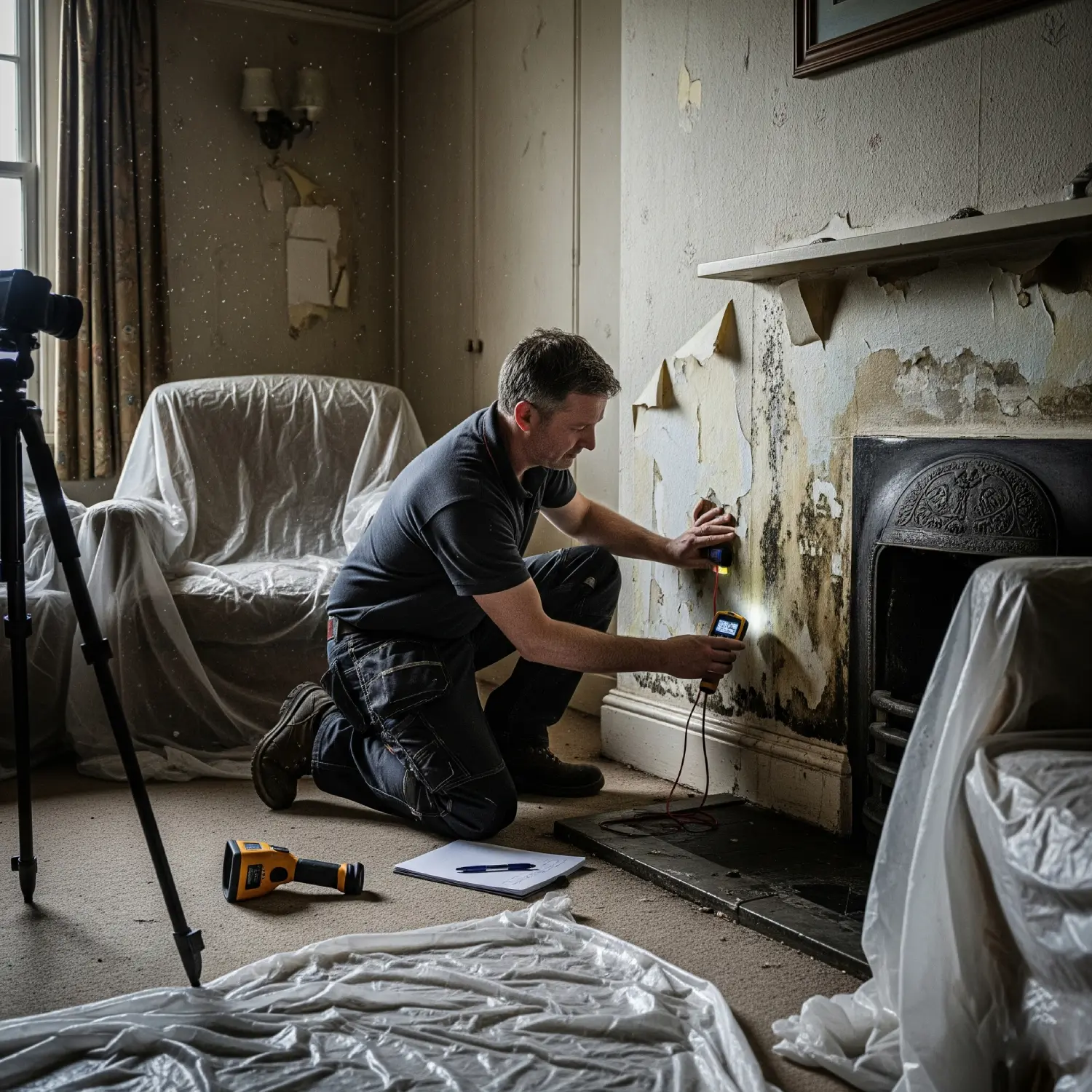
Imagine a mid-terrace home in Greater London where the front reception room shows tide marks and crumbling skirting along one external wall.
A sensible approach often involves:
- Confirming the cause (moisture readings, salts, inspection of external factors)
- Treating the affected wall run appropriately
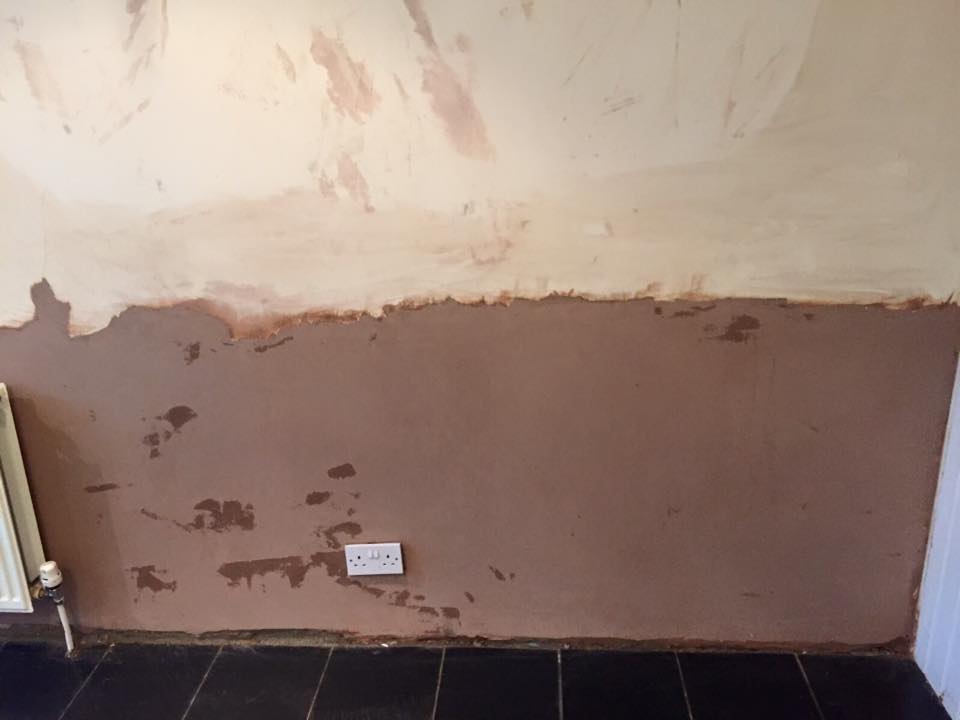
- Removing salt-contaminated plaster to the right height
- Replastering using a suitable system
- Reinstating skirting and leaving the surface ready for decoration
In cases like this, the headline figure homeowners compare is often the wrong one. The cheaper option may exclude replastering, which is a major part of the real-world cost and finish quality.
How do you choose the right contractor?
If you are trying to choose between quotes, focus on confidence and clarity, not pressure or price.
Look for a contractor who:
- Explains the cause clearly, without vague wording
- Matches the system to the damp type
- Provides a detailed written scope
- Sets realistic expectations about drying and finishes
This is where the average cost of damp proofing becomes less important than the value of the specification. The right job done once is almost always cheaper than the wrong job repeated.
What should you do next if you suspect damp?
Start by getting the issue assessed properly, then make decisions based on evidence.
Damp proof cost is best viewed as an investment in protecting your home’s structure, finishes, and air quality. When the diagnosis is correct and the scope is transparent, you can move forward with confidenceFor homeowners in London looking for practical, expert-led advice, contact Anke Damp Proofing to discuss your symptoms and request a bespoke quote.
Related articles
What best describes you?
Homeowner
Tenant
Management/Lettings Agent
Potential Buyer
Other
At a glance
The truth is, there is no single price for damp proofing. The final figure depends on what type of damp you have, how far it has spread, what repairs are needed, and whether the solution is straightforward or more involved.
This guide breaks down what drives damp proof cost in 2026, what a sensible quote should include, and how to avoid paying for the wrong fix – especially in London, where property types vary hugely from Victorian terraces to modern flats.
If you want clarity on what you are dealing with, contact Anke Damp Proofing to arrange a professional assessment and a bespoke quote.
What actually affects the price of damp proofing?
Most costs come down to three things: diagnosis, access, and scope.
A quote typically changes based on:
- Type of damp (rising damp, penetrating damp, condensation, or a combination)
- Area affected (one wall, multiple rooms, or a whole elevation)
- Preparation work (stripping plaster, removing damaged finishes, temporary protection)
- Repair work (replastering, joinery repairs, replacing skirting, redecorating readiness)
- Access requirements (scaffolding, restricted access, tenant considerations)
- The right specification (for example, a chemical DPC injection vs tanking vs external repairs)
A reliable provider will explain what they believe is causing the damp and why the recommended treatment matches that cause. Without that, “damp proofing” can become a vague label that hides poor diagnosis.
How much does damp proofing cost in 2026 in London?
In 2026, damp proof cost can range from a few hundred pounds for minor, localised remedial work to several thousand for more extensive treatment and reinstatement.
To make this easier to understand, it helps to separate “treatment” from “making good”. Many homeowners see a low figure that only covers one part of the job, then get caught out when reinstatement costs appear later.
Typical cost bands (guide only)
| Scenario | What it usually involves | Typical cost range (2026) |
| Small localised treatment | Minor affected area, limited prep, targeted repair | £400 to £900 |
| Room-scale rising damp treatment | DPC work to a wall run, removal of salt-contaminated plaster, replastering | £1,200 to £2,800 |
| Multiple rooms / larger footprint | Wider DPC work, more strip-out, broader reinstatement | £2,800 to £6,000+ |
| Structural waterproofing (below ground) | Tanking or membrane-based system, detailing, drainage considerations | £4,000 to £12,000+ |
These are guide ranges, not promises. The goal is to help you sense-check quotes and ask better questions.
Is “average cost” a useful metric, or is it misleading?
The average cost of damp proofing can be helpful for context, but it can also be misleading if you do not compare like-for-like.
For example, two jobs may both be described as “damp proofing”, but one is a small patch repair, while the other includes removal of contaminated plaster, specialist render systems, replastering, and joinery repair.
A more useful approach is to compare:
- What is included (treatment and reinstatement, or treatment only?)
- What areas are covered (linear metres, room count, elevation)
- What the diagnosis is (rising damp vs penetrating damp vs condensation)
- What guarantees or warranties apply (and what they exclude)
What should a professional damp quote include?
A solid quote is not just a number. It is a written scope that proves the contractor has properly understood the problem.
Look for:
- A clear diagnosis (what type of damp, and evidence for it)
- A defined treatment method (what system, where, and why)
- Preparation and protection details (what will be removed, how dust is controlled)
- Reinstatement scope (replastering approach, finishes readiness)
- Timescales (how long the work takes and drying time expectations)
- Exclusions (for example, redecorating, flooring reinstatement, external repairs if not included)
If the quote is one line and reads like a generic template, treat it as a warning sign.
What best describes you?
Homeowner
Tenant
Management/Lettings Agent
Potential Buyer
Other
It just takes 60 Second
And then you can book a free consultation
Could you be paying for the wrong solution?
Yes, and it happens more often than people think.
Damp is a symptom. If the root cause is external water ingress (broken render, failed pointing, gutter leaks), then internal “damp proofing” alone might not solve it.
Similarly, if the issue is condensation driven by lifestyle, ventilation, or cold bridging, then chemical treatments are rarely the best first step.
This is why choosing the right specification matters more than chasing the lowest price.
Why do London property types change the cost so much?
London homes often come with quirks that affect labour and access:
- Victorian terraces: high salt contamination risk, older plaster, suspended floors
- Basement flats: higher waterproofing demands, more complex detailing
- Converted properties: mixed building fabric, inconsistent past repairs
- Modern flats: sometimes condensation or façade issues rather than rising damp
A good contractor will tailor recommendations to the building and its construction, not just the symptoms on the surface.
How can you reduce damp proofing costs without cutting corners?
You usually reduce cost by reducing scope through better early action, not by stripping out essentials.
Practical steps:
- Fix obvious external defects early (guttering, downpipes, pointing)
- Address ventilation and moisture management where relevant
- Avoid repeated cosmetic redecorations until the cause is properly dealt with
- Choose a plan that includes reinstatement so you do not end up coordinating multiple trades
If you are comparing options and want a clear, professional scope, speak to Anke Damp Proofing for tailored guidance and a written quote you can actually compare.
A quick example: what a “typical” damp proofing scenario looks like
Imagine a mid-terrace home in Greater London where the front reception room shows tide marks and crumbling skirting along one external wall.
A sensible approach often involves:
- Confirming the cause (moisture readings, salts, inspection of external factors)
- Treating the affected wall run appropriately
- Removing salt-contaminated plaster to the right height
- Replastering using a suitable system
- Reinstating skirting and leaving the surface ready for decoration
In cases like this, the headline figure homeowners compare is often the wrong one. The cheaper option may exclude replastering, which is a major part of the real-world cost and finish quality.
How do you choose the right contractor?
If you are trying to choose between quotes, focus on confidence and clarity, not pressure or price.
Look for a contractor who:
- Explains the cause clearly, without vague wording
- Matches the system to the damp type
- Provides a detailed written scope
- Sets realistic expectations about drying and finishes
This is where the average cost of damp proofing becomes less important than the value of the specification. The right job done once is almost always cheaper than the wrong job repeated.
What should you do next if you suspect damp?
Start by getting the issue assessed properly, then make decisions based on evidence.
Damp proof cost is best viewed as an investment in protecting your home’s structure, finishes, and air quality. When the diagnosis is correct and the scope is transparent, you can move forward with confidenceFor homeowners in London looking for practical, expert-led advice, contact Anke Damp Proofing to discuss your symptoms and request a bespoke quote.
Related articles
What best describes you?
Homeowner
Tenant
Management/Lettings Agent
Potential Buyer