

Damp Surveys in Ealing: What They Reveal About Your Home
Damp Surveys in Ealing: What Do They Reveal About Your Home? A bit of flaking paint, a musty smell in…

Why you can trust our content
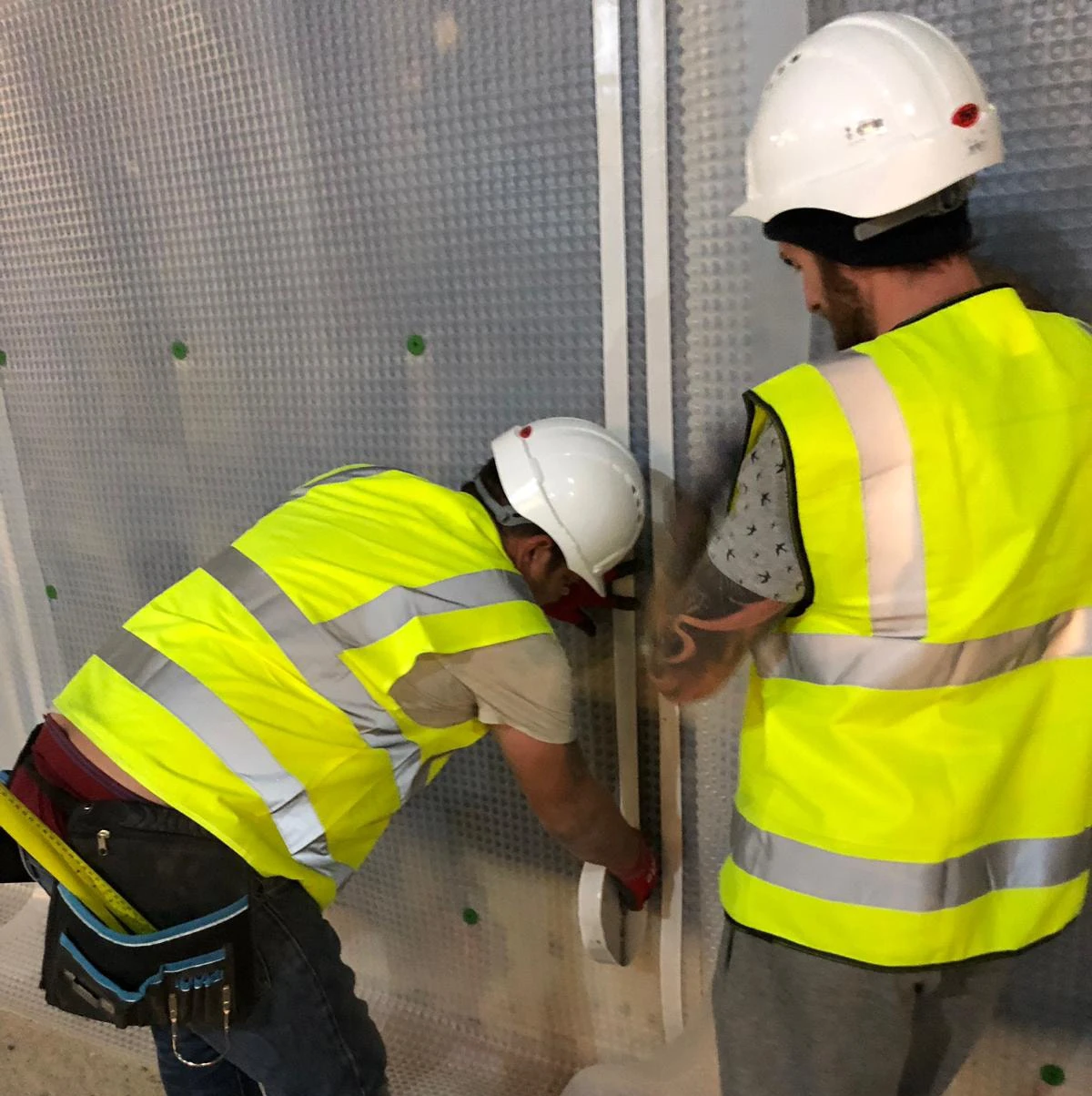
Ealing Damp Survey FAQs: Commitment, Timing & Damage Risk
Damp Surveys in Ealing: What Do They Reveal About Your Home?
A bit of flaking paint, a musty smell in the hallway or a cold patch on a wall can feel easy to ignore, especially in older properties. Yet these are often the first clues that moisture is quietly affecting your home.
For many homeowners, the idea of a professional inspection sounds expensive. That is why a damp survey in Ealing can be such a useful starting point – it gives you clarity on what is really going on without any upfront cost.
This guide explains what to expect from a survey, the areas that are checked, the kind of issues typically uncovered and how the findings link to practical solutions for your property.
If you are already concerned about signs of damp, you can contact Anke Damp Proofing to arrange your damp survey ealing and get a clear picture of your home’s condition.
What is a damp survey and why are they offered in Ealing?
A damp survey is a structured inspection of your property that focuses on how moisture is affecting walls, floors and timbers. It is not just a quick look at a stain on the paint. A good survey aims to identify the causes behind the symptoms.
Local specialists offer a damp survey ealing homeowners can book because:
- Many people are unsure whether an issue is serious or not
- It removes the barrier of paying just to understand what is happening
- It helps plan sensible repairs rather than guesswork or cosmetic fixes
For you, it is an opportunity to ask questions, understand the risks and decide on next steps with proper information rather than worry.
Where in your home will the survey focus?
The surveyor will look at the whole home, but some areas are more vulnerable than others:
- Ground floor walls, especially at chimney breasts and external corners
- Basements, cellars and lower ground rooms
- Around windows, doors and external openings
- Bathrooms, kitchens and utility rooms with high moisture levels
- Loft spaces and roof junctions where leaks may appear
In many Ealing properties, a mix of older brickwork, changes to external ground levels and modern finishes can create hidden moisture traps. The survey is designed to pick these up before they turn into bigger problems.
What actually happens during a damp survey?
A structured process keeps things thorough without being intrusive. During your damp survey ealing, you can usually expect:
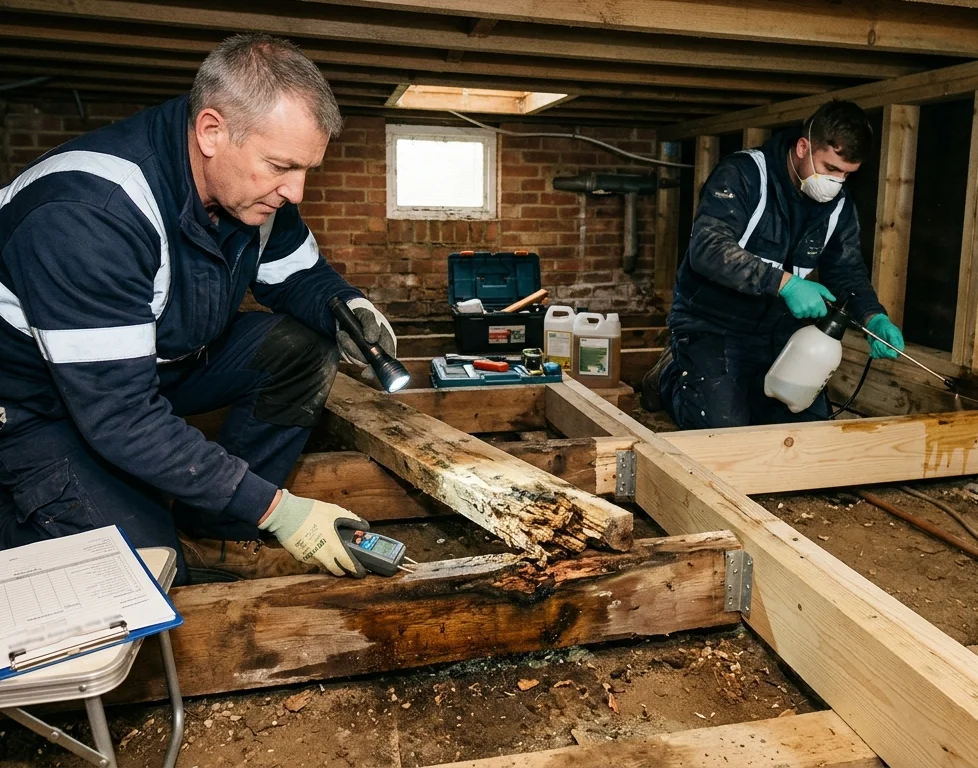
- Visual inspection
The surveyor walks through your home, looking for staining, blistered paint, salt deposits, mould and timber damage. - Moisture readings
Handheld meters are used to measure moisture levels in walls and sometimes floors, helping distinguish between minor surface issues and deeper problems. - External checks
Gutters, downpipes, brickwork, pointing, air bricks and ground levels are checked for obvious defects or risks. - Discussion and explanation
The surveyor should explain what they are seeing in plain language and answer your questions on the spot.
At the end, you should have a practical understanding of what is causing the damp, not just the visible effects.
What best describes you?

Homeowner

Tenant

Management/Lettings Agent

Potential Buyer

Other
It just takes 60 Second
And then you can book a free consultation
Typical findings from Ealing damp surveys
Every home is different, but some patterns crop up again and again. The table below summarises common survey findings and what they often mean.
| Survey Finding | What It Often Indicates | Typical Next Step |
| Peeling paint at skirting level | Possible rising damp or salt contamination | Targeted wall treatment and improved detailing |
| Black mould on cold external walls | Condensation and poor ventilation | Ventilation upgrades and lifestyle adjustments |
| Damp patches near chimney breasts | Hygroscopic salts from past fireplace use | Specialist replastering and moisture management |
| Rotting skirtings or floorboards | Long term moisture affecting timber | Timber treatment and localised structural repairs |
| Damp in basements or lower ground rooms | Groundwater or penetrating damp | Structural waterproofing or cavity drain solutions |
Many homes will only need targeted damp proofing services ealing residents can fit around everyday life. Others may need a more comprehensive plan if moisture has affected several areas or structural timbers.
If you would like these findings turned into a clear, written recommendation for your home, you can speak to our team at Anke Damp Proofing after your survey to discuss suitable options.
How do survey results link to recommended solutions?
A survey is only valuable if it leads to sensible action. After your inspection, the surveyor should explain:
- Which issues are cosmetic and which are more serious
- Whether the damp is caused by rising damp, penetrating damp, condensation or a mixture
- Which areas need immediate attention and which can be monitored
- The range of repair options available for your budget and plans
If more significant work is needed, the survey typically forms the basis of a proposal for damp proofing services ealing homeowners can review in their own time, along with timescales, disruption levels and aftercare.
Case study: what a damp survey revealed in an Ealing terrace
A couple in Ealing booked a survey after noticing flaking paint and a musty smell in their front room. They were worried about how extensive the problem might be.
The survey identified:
- High moisture readings at the base of two external walls
- Salts visible beneath blistered paintwork
- High external ground levels bridging the original damp proof course
- Condensation contributing to mould in colder corners of the room
The recommended plan included lowering external ground in a key area, installing targeted internal damp treatment to affected walls and improving ventilation in the room. The couple received a written explanation of each step, including drying times and decorating guidance, so they could proceed with confidence.
Related articles


What best describes you?
Homeowner
Tenant
Management/Lettings Agent
Potential Buyer
Other
Ealing Damp Survey FAQs: Commitment, Timing & Damage Risk
Damp Surveys in Ealing: What Do They Reveal About Your Home?
A bit of flaking paint, a musty smell in the hallway or a cold patch on a wall can feel easy to ignore, especially in older properties. Yet these are often the first clues that moisture is quietly affecting your home.
For many homeowners, the idea of a professional inspection sounds expensive. That is why a damp survey in Ealing can be such a useful starting point – it gives you clarity on what is really going on without any upfront cost.
This guide explains what to expect from a survey, the areas that are checked, the kind of issues typically uncovered and how the findings link to practical solutions for your property.
If you are already concerned about signs of damp, you can contact Anke Damp Proofing to arrange your damp survey ealing and get a clear picture of your home’s condition.
What is a damp survey and why are they offered in Ealing?
A damp survey is a structured inspection of your property that focuses on how moisture is affecting walls, floors and timbers. It is not just a quick look at a stain on the paint. A good survey aims to identify the causes behind the symptoms.
Local specialists offer a damp survey ealing homeowners can book because:
- Many people are unsure whether an issue is serious or not
- It removes the barrier of paying just to understand what is happening
- It helps plan sensible repairs rather than guesswork or cosmetic fixes
For you, it is an opportunity to ask questions, understand the risks and decide on next steps with proper information rather than worry.
Where in your home will the survey focus?
The surveyor will look at the whole home, but some areas are more vulnerable than others:
- Ground floor walls, especially at chimney breasts and external corners
- Basements, cellars and lower ground rooms
- Around windows, doors and external openings
- Bathrooms, kitchens and utility rooms with high moisture levels
- Loft spaces and roof junctions where leaks may appear
In many Ealing properties, a mix of older brickwork, changes to external ground levels and modern finishes can create hidden moisture traps. The survey is designed to pick these up before they turn into bigger problems.
What actually happens during a damp survey?
A structured process keeps things thorough without being intrusive. During your damp survey ealing, you can usually expect:
- Visual inspection
The surveyor walks through your home, looking for staining, blistered paint, salt deposits, mould and timber damage. - Moisture readings
Handheld meters are used to measure moisture levels in walls and sometimes floors, helping distinguish between minor surface issues and deeper problems. - External checks
Gutters, downpipes, brickwork, pointing, air bricks and ground levels are checked for obvious defects or risks. - Discussion and explanation
The surveyor should explain what they are seeing in plain language and answer your questions on the spot.
At the end, you should have a practical understanding of what is causing the damp, not just the visible effects.
What best describes you?
Homeowner
Tenant
Management/Lettings Agent
Potential Buyer
Other
It just takes 60 Second
And then you can book a free consultation
Typical findings from Ealing damp surveys
Every home is different, but some patterns crop up again and again. The table below summarises common survey findings and what they often mean.
| Survey Finding | What It Often Indicates | Typical Next Step |
| Peeling paint at skirting level | Possible rising damp or salt contamination | Targeted wall treatment and improved detailing |
| Black mould on cold external walls | Condensation and poor ventilation | Ventilation upgrades and lifestyle adjustments |
| Damp patches near chimney breasts | Hygroscopic salts from past fireplace use | Specialist replastering and moisture management |
| Rotting skirtings or floorboards | Long term moisture affecting timber | Timber treatment and localised structural repairs |
| Damp in basements or lower ground rooms | Groundwater or penetrating damp | Structural waterproofing or cavity drain solutions |
Many homes will only need targeted damp proofing services ealing residents can fit around everyday life. Others may need a more comprehensive plan if moisture has affected several areas or structural timbers.
If you would like these findings turned into a clear, written recommendation for your home, you can speak to our team at Anke Damp Proofing after your survey to discuss suitable options.
How do survey results link to recommended solutions?
A survey is only valuable if it leads to sensible action. After your inspection, the surveyor should explain:
- Which issues are cosmetic and which are more serious
- Whether the damp is caused by rising damp, penetrating damp, condensation or a mixture
- Which areas need immediate attention and which can be monitored
- The range of repair options available for your budget and plans
If more significant work is needed, the survey typically forms the basis of a proposal for damp proofing services ealing homeowners can review in their own time, along with timescales, disruption levels and aftercare.
Case study: what a damp survey revealed in an Ealing terrace
A couple in Ealing booked a survey after noticing flaking paint and a musty smell in their front room. They were worried about how extensive the problem might be.
The survey identified:
- High moisture readings at the base of two external walls
- Salts visible beneath blistered paintwork
- High external ground levels bridging the original damp proof course
- Condensation contributing to mould in colder corners of the room
The recommended plan included lowering external ground in a key area, installing targeted internal damp treatment to affected walls and improving ventilation in the room. The couple received a written explanation of each step, including drying times and decorating guidance, so they could proceed with confidence.
Related articles
What best describes you?
Homeowner
Tenant
Management/Lettings Agent
Potential Buyer