
Top 5 Causes of Damp in Homes and How to Control Them
March 19, 2025
Dampness in the home can cause a range of issues, from unsightly mould to structural damage. It’s important to identify the root causes of moisture problems to implement effective damp control measures. In this blog, we’ll explore the top 5 causes of damp in homes and offer practical solutions to help you control them.
How to Identify and Control Rising Damp in Your Home
What is Rising Damp?
Rising damp occurs when moisture from the ground travels upward through the walls of a building. It typically affects ground floors and can lead to significant damage over time.
How to Control Rising Damp
To effectively manage rising damp, it’s essential to ensure your property has a functioning damp proof course (DPC). This barrier prevents moisture from rising through the walls.

If your property lacks a DPC or the existing one is compromised, it’s crucial to install a new damp proof membrane or slurry coat to protect the structure.
2. Condensation
What is Condensation?
Condensation occurs when warm, moist air meets cold surfaces, causing water droplets to form. It’s most common in areas with high humidity, such as kitchens, bathrooms and bedrooms.
How to Control Condensation
To control condensation, increase ventilation in areas that are prone to moisture build-up. This can be achieved by opening windows, installing vents, or using an extractor fan. In addition, ensuring that your home is adequately insulated will help maintain consistent temperatures, reducing the likelihood of condensation forming.
3. Penetrating Damp
What is Penetrating Damp?
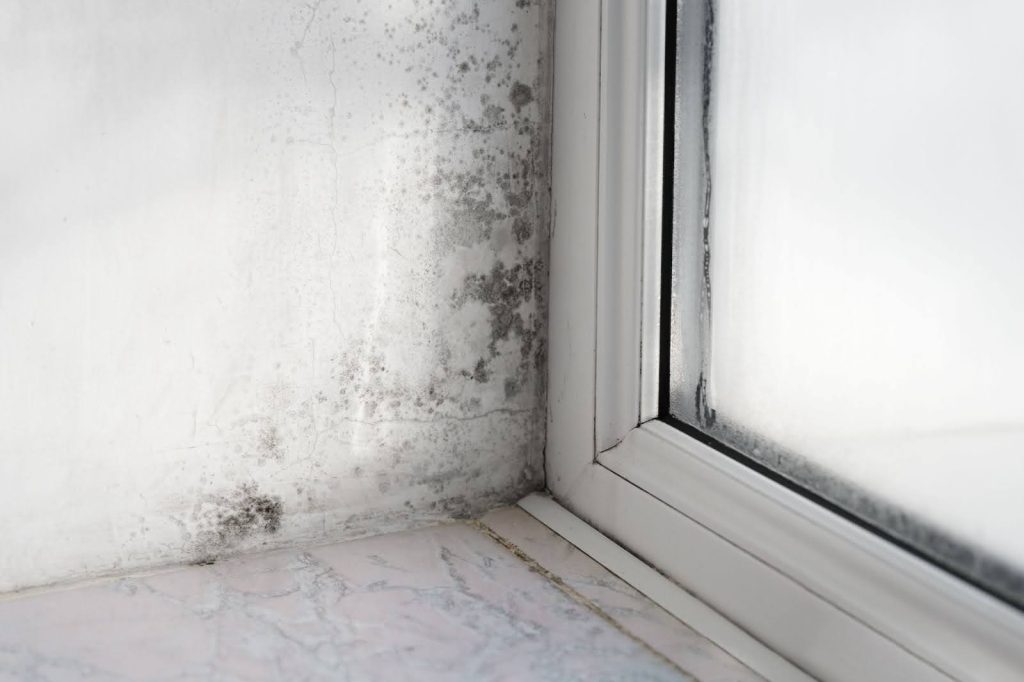
Penetrating damp occurs when water from outside the property seeps through the walls, usually due to structural defects such as damaged roofing, gutters, or walls.
How to Control Penetrating Damp
Repairing damaged roofing, gutters and seals is crucial to preventing water ingress. Additionally, applying a waterproof membrane to external walls can prevent moisture from entering the property.
4. Poor Drainage
What is Poor Drainage?
Poor drainage around the foundation of your home can lead to water pooling around the property, increasing the risk of dampness entering the lower walls.
How to Control Poor Drainage
Ensure that the land around your property slopes away from the walls to direct water flow. Regularly clean gutters and drains to ensure they are free from debris. Installing a French drain or surface water drainage system can also significantly reduce water accumulation near your property.
5. Leaking Pipes and Plumbing
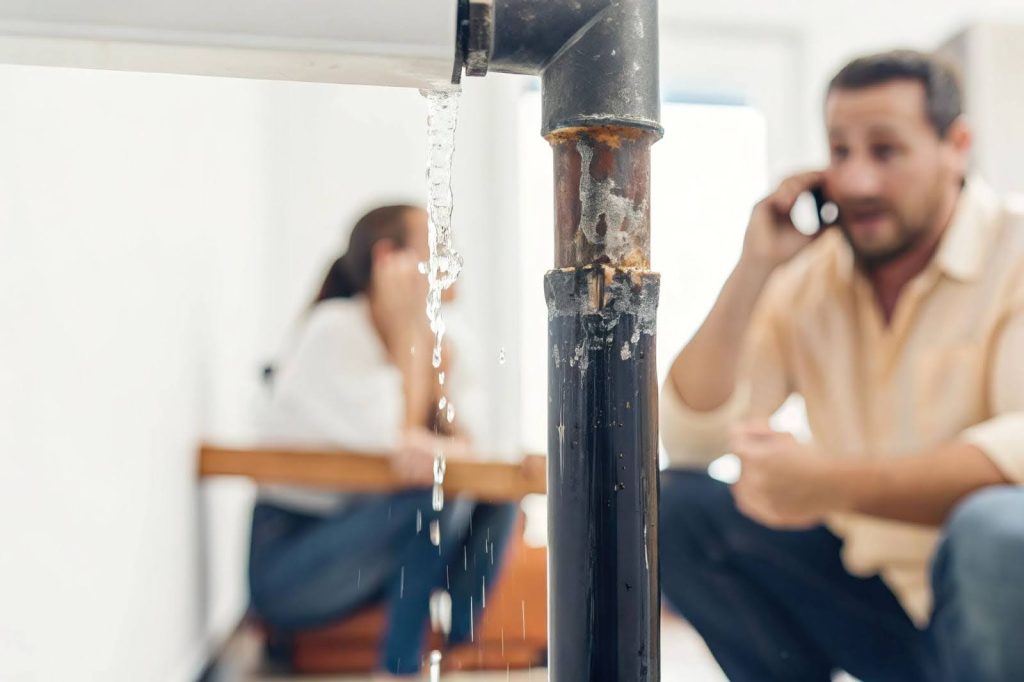
What is Leaking Pipes and Plumbing?
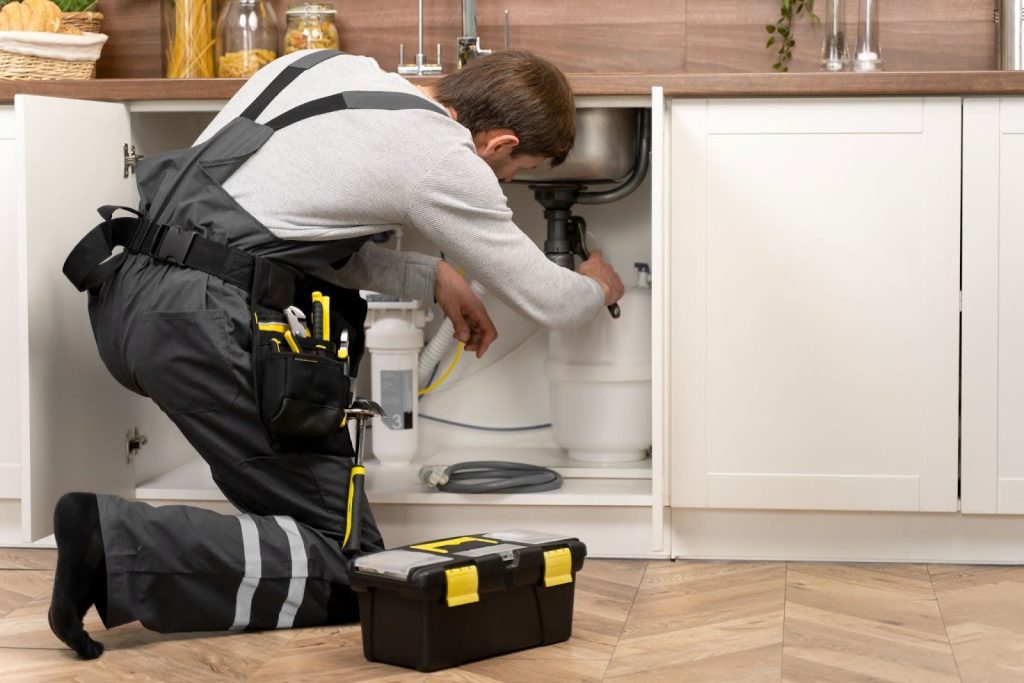
Leaking pipes inside your home can lead to hidden damp spots, especially in walls and under floors. Over time, leaks can result in severe water damage if not addressed promptly.
How to Control Leaking Pipes
Regularly inspect plumbing systems for leaks or corrosion. If you detect any issues, repair them immediately to prevent water damage. For major leaks, it’s advisable to contact a professional plumber to handle the situation effectively.
Conclusion
Damp problems are more than just an inconvenience—they can cause lasting damage to your home. By identifying the top causes of dampness and implementing effective control measures, you can safeguard your property from moisture-related issues. Whether it’s rising damp, condensation, or poor drainage, taking proactive steps will ensure your home remains dry and protected. If you’re experiencing dampness in your property, get in touch with our experts today for tailored damp control solutions.