Structural Waterproofing for Basement Conversions in London & Hertfordshire
Basement conversions are becoming increasingly popular across London and Hertfordshire, offering homeowners a practical way to create additional living space without extending outward.

Why you can trust our content
At a glance
However, converting a below-ground area comes with one major challenge – moisture control.
Without proper waterproofing, basements are highly vulnerable to water ingress, damp, and long-term structural issues. That is why a carefully planned waterproofing strategy is essential from the very beginning.
If you’re planning a basement conversion, you can speak to our team at Anke Damp Proofing to ensure your project starts with the right protection in place.
Why Is Structural Waterproofing Essential for Basement Conversions?
Basements sit below ground level, which means they are constantly exposed to surrounding soil and groundwater. This creates ongoing pressure against walls and floors, making water ingress a real risk.
Structural waterproofing is designed to prevent this by creating a protective barrier that keeps moisture out. When properly installed, it allows basements to be safely converted into living spaces such as:
- Home offices
- Bedrooms
- Gyms or studios
- Utility areas
Working with a structural waterproofing specialist ensures that these systems are tailored to the specific conditions of your property.
What Are the Main Types of Basement Waterproofing Systems?
There are several recognised methods used in basement waterproofing, often referred to as Type A, Type B, and Type C systems.
Type A – Barrier Protection
This method involves applying a waterproof coating or membrane directly to walls and floors to block water entry.
Type B – Structurally Integral Protection
Waterproofing is built into the structure itself, typically during new construction using specialised concrete.
Type C – Drained Protection
This system manages water by allowing it to enter a controlled cavity and directing it to a drainage system, such as a sump pump.
A structural waterproofing specialist will assess which system – or combination – is most suitable for your basement conversion.
How Does Structural Waterproof Membrane Installation Work?
Membrane systems are one of the most commonly used solutions for basement conversions, particularly in existing properties.
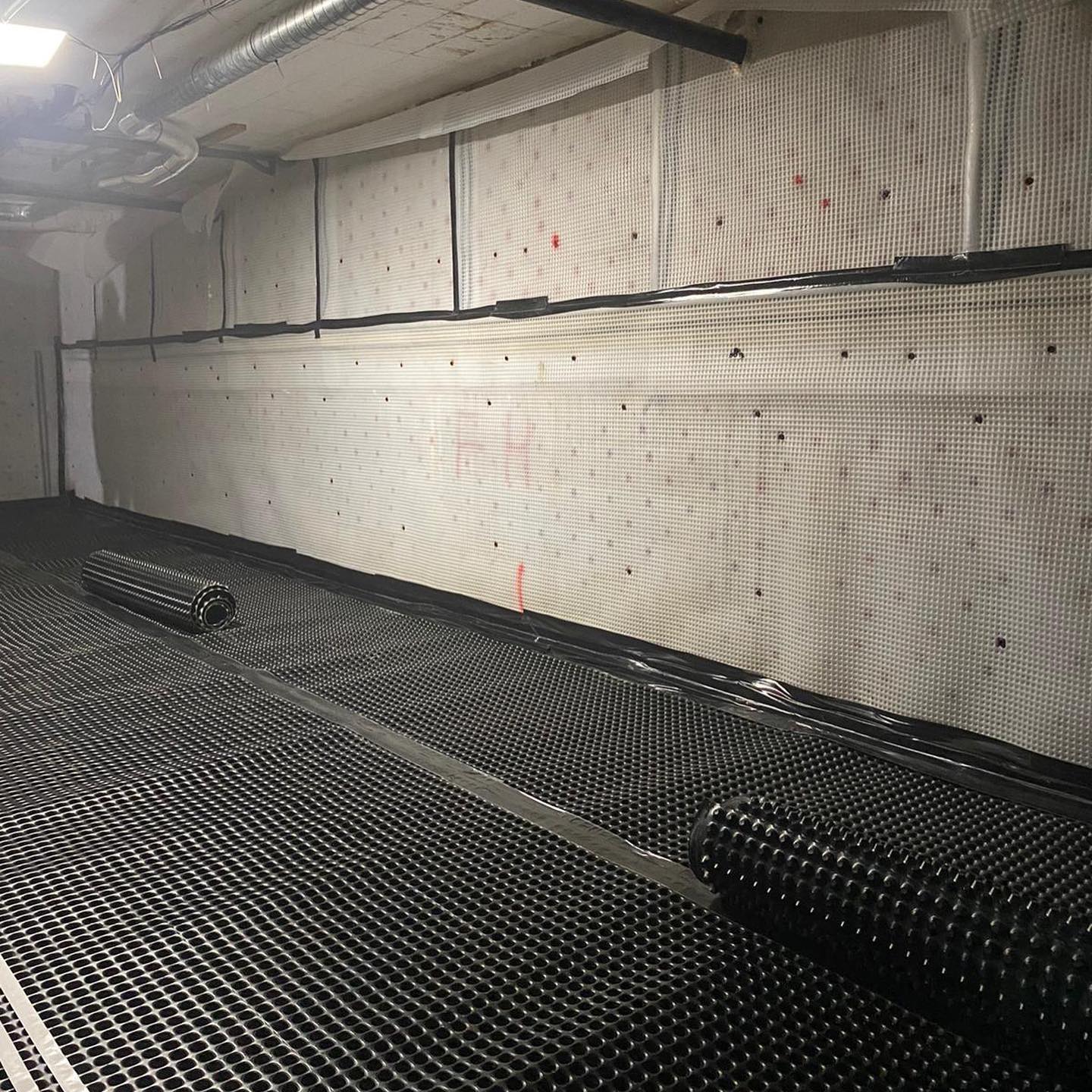
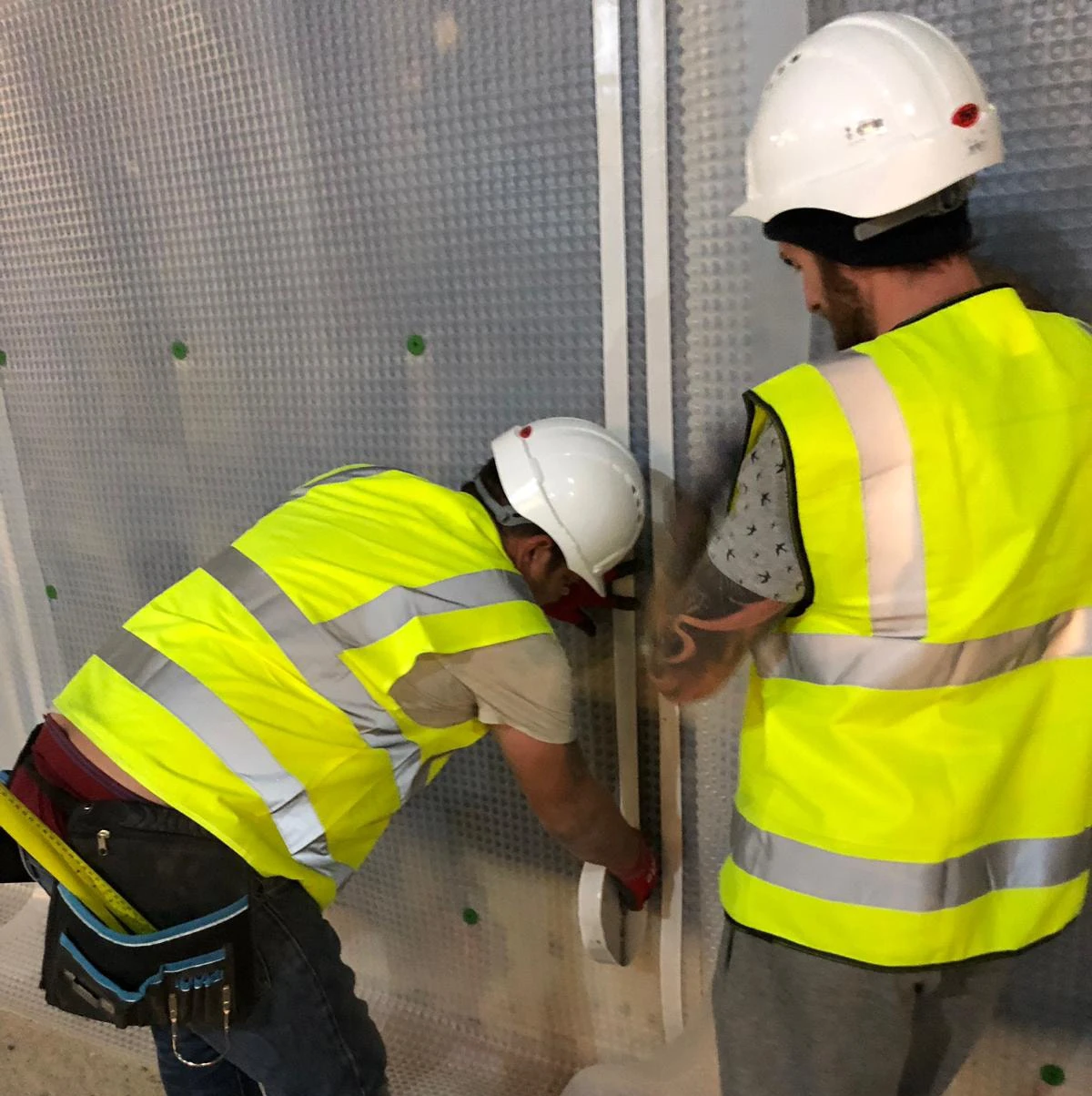
Structural waterproof membrane installation involves fixing a cavity drainage membrane to internal walls and floors. This creates a gap that allows water to flow behind the membrane and into a drainage system, preventing it from entering the living space.
Key benefits include:
- Effective water management
- Reduced risk of damp patches
- Minimal disruption to existing structures
- Long-term reliability when properly maintained
Professional structural waterproof membrane installation is essential to ensure the system performs as intended and complies with building regulations.
What Factors Affect Waterproofing Design?
No two basement conversions are the same, which is why waterproofing must be tailored to the property.
Key factors include:
- Soil type and water table levels
- Existing structural condition
- Depth of the basement
- Intended use of the space
- Ventilation and insulation requirements
In London and Hertfordshire, varying ground conditions mean that a detailed survey is often required before any work begins.
Can You Waterproof an Existing Basement?
Yes, many homeowners choose to retrofit waterproofing systems into existing basements as part of a conversion project.
This often involves:
- Preparing surfaces and repairing defects
- Installing a cavity drainage system
- Adding sump pumps and drainage channels
- Improving ventilation and insulation
A structural waterproofing specialist will ensure that the chosen solution integrates seamlessly with the existing structure.
Comparing Waterproofing Methods
| System Type | How It Works | Best For | Maintenance Level |
| Type A | Blocks water with a barrier | New builds or simple conversions | Low |
| Type B | Built into structural concrete | New construction projects | Low |
| Type C | Manages and drains water | Existing basements and conversions | Moderate |
Choosing the right system depends on both the property and the level of risk involved.
What Happens If Waterproofing Is Done Incorrectly?
Poorly installed or inadequate waterproofing can lead to serious issues, including:
- Persistent damp and mould
- Damage to finishes and furnishings
- Structural deterioration over time
- Costly remedial work
Basement conversions are a significant investment, so it is essential to get the waterproofing right from the outset.
What best describes you?

Homeowner

Tenant

Management/Lettings Agent

Potential Buyer

Other
It just takes 60 Second
And then you can book a free consultation
Case Study: Basement Conversion in Hertfordshire
A homeowner in Hertfordshire wanted to convert their unused basement into a home office. Initial inspections revealed signs of moisture penetration through the walls.
After consulting a structural waterproofing specialist, a Type C cavity drainage system was recommended. The installation included membranes, drainage channels, and a sump pump.
The result was a dry, comfortable workspace that could be used year-round. By addressing moisture risks early, the homeowner avoided future complications and protected their investment.
How Does Structural Damp Proofing and Waterproofing Work Together?
While often discussed separately, damp proofing and waterproofing are closely related.
Structural damp proofing and waterproofing work together to:
- Prevent moisture from entering walls and floors
- Manage water pressure from surrounding ground
- Protect internal finishes and structural elements
Combining these approaches ensures a comprehensive solution, particularly in below-ground environments.
How Much Maintenance Do Waterproofing Systems Need?
Even the best systems require some level of ongoing maintenance to remain effective.
Typical requirements include:
- Checking drainage channels for blockages
- Servicing sump pumps regularly
- Inspecting membranes for damage
- Monitoring humidity levels within the space
Regular maintenance helps extend the lifespan of the system and ensures continued protection.
If you’re unsure how to maintain your system, our team at Anke Damp Proofing can provide ongoing support and advice tailored to your installation.
When Should You Involve a Specialist?
The earlier a specialist is involved, the better. Ideally, waterproofing should be considered during the planning stage of your basement conversion.
This allows for:
- Proper system design
- Integration with other building works
- Compliance with building regulations
- Reduced risk of costly changes later
A structural waterproofing specialist brings both technical knowledge and practical experience to ensure your project is completed to a high standard.
Conclusion
Basement conversions offer valuable additional space, but they come with unique challenges – particularly when it comes to moisture control. Structural waterproofing plays a crucial role in ensuring these spaces remain dry, usable, and protected over time.
By working with experienced professionals and choosing the right system, homeowners in London and Hertfordshire can confidently transform their basements into functional living areas. A well-designed waterproofing solution not only protects your investment but also enhances the overall comfort of your home.
If you’re considering a basement conversion, contact Anke Damp Proofing to discuss your project and arrange a tailored waterproofing solution.
Related articles
What best describes you?
Homeowner
Tenant
Management/Lettings Agent
Potential Buyer
Other
At a glance
However, converting a below-ground area comes with one major challenge – moisture control.
Without proper waterproofing, basements are highly vulnerable to water ingress, damp, and long-term structural issues. That is why a carefully planned waterproofing strategy is essential from the very beginning.
If you’re planning a basement conversion, you can speak to our team at Anke Damp Proofing to ensure your project starts with the right protection in place.
Why Is Structural Waterproofing Essential for Basement Conversions?
Basements sit below ground level, which means they are constantly exposed to surrounding soil and groundwater. This creates ongoing pressure against walls and floors, making water ingress a real risk.
Structural waterproofing is designed to prevent this by creating a protective barrier that keeps moisture out. When properly installed, it allows basements to be safely converted into living spaces such as:
- Home offices
- Bedrooms
- Gyms or studios
- Utility areas
Working with a structural waterproofing specialist ensures that these systems are tailored to the specific conditions of your property.
What Are the Main Types of Basement Waterproofing Systems?
There are several recognised methods used in basement waterproofing, often referred to as Type A, Type B, and Type C systems.
Type A – Barrier Protection
This method involves applying a waterproof coating or membrane directly to walls and floors to block water entry.
Type B – Structurally Integral Protection
Waterproofing is built into the structure itself, typically during new construction using specialised concrete.
Type C – Drained Protection
This system manages water by allowing it to enter a controlled cavity and directing it to a drainage system, such as a sump pump.
A structural waterproofing specialist will assess which system – or combination – is most suitable for your basement conversion.
How Does Structural Waterproof Membrane Installation Work?
Membrane systems are one of the most commonly used solutions for basement conversions, particularly in existing properties.
Structural waterproof membrane installation involves fixing a cavity drainage membrane to internal walls and floors. This creates a gap that allows water to flow behind the membrane and into a drainage system, preventing it from entering the living space.
Key benefits include:
- Effective water management
- Reduced risk of damp patches
- Minimal disruption to existing structures
- Long-term reliability when properly maintained
Professional structural waterproof membrane installation is essential to ensure the system performs as intended and complies with building regulations.
What Factors Affect Waterproofing Design?
No two basement conversions are the same, which is why waterproofing must be tailored to the property.
Key factors include:
- Soil type and water table levels
- Existing structural condition
- Depth of the basement
- Intended use of the space
- Ventilation and insulation requirements
In London and Hertfordshire, varying ground conditions mean that a detailed survey is often required before any work begins.
Can You Waterproof an Existing Basement?
Yes, many homeowners choose to retrofit waterproofing systems into existing basements as part of a conversion project.
This often involves:
- Preparing surfaces and repairing defects
- Installing a cavity drainage system
- Adding sump pumps and drainage channels
- Improving ventilation and insulation
A structural waterproofing specialist will ensure that the chosen solution integrates seamlessly with the existing structure.
Comparing Waterproofing Methods
| System Type | How It Works | Best For | Maintenance Level |
| Type A | Blocks water with a barrier | New builds or simple conversions | Low |
| Type B | Built into structural concrete | New construction projects | Low |
| Type C | Manages and drains water | Existing basements and conversions | Moderate |
Choosing the right system depends on both the property and the level of risk involved.
What Happens If Waterproofing Is Done Incorrectly?
Poorly installed or inadequate waterproofing can lead to serious issues, including:
- Persistent damp and mould
- Damage to finishes and furnishings
- Structural deterioration over time
- Costly remedial work
Basement conversions are a significant investment, so it is essential to get the waterproofing right from the outset.
What best describes you?
Homeowner
Tenant
Management/Lettings Agent
Potential Buyer
Other
It just takes 60 Second
And then you can book a free consultation
Case Study: Basement Conversion in Hertfordshire
A homeowner in Hertfordshire wanted to convert their unused basement into a home office. Initial inspections revealed signs of moisture penetration through the walls.
After consulting a structural waterproofing specialist, a Type C cavity drainage system was recommended. The installation included membranes, drainage channels, and a sump pump.
The result was a dry, comfortable workspace that could be used year-round. By addressing moisture risks early, the homeowner avoided future complications and protected their investment.
How Does Structural Damp Proofing and Waterproofing Work Together?
While often discussed separately, damp proofing and waterproofing are closely related.
Structural damp proofing and waterproofing work together to:
- Prevent moisture from entering walls and floors
- Manage water pressure from surrounding ground
- Protect internal finishes and structural elements
Combining these approaches ensures a comprehensive solution, particularly in below-ground environments.
How Much Maintenance Do Waterproofing Systems Need?
Even the best systems require some level of ongoing maintenance to remain effective.
Typical requirements include:
- Checking drainage channels for blockages
- Servicing sump pumps regularly
- Inspecting membranes for damage
- Monitoring humidity levels within the space
Regular maintenance helps extend the lifespan of the system and ensures continued protection.
If you’re unsure how to maintain your system, our team at Anke Damp Proofing can provide ongoing support and advice tailored to your installation.
When Should You Involve a Specialist?
The earlier a specialist is involved, the better. Ideally, waterproofing should be considered during the planning stage of your basement conversion.
This allows for:
- Proper system design
- Integration with other building works
- Compliance with building regulations
- Reduced risk of costly changes later
A structural waterproofing specialist brings both technical knowledge and practical experience to ensure your project is completed to a high standard.
Conclusion
Basement conversions offer valuable additional space, but they come with unique challenges – particularly when it comes to moisture control. Structural waterproofing plays a crucial role in ensuring these spaces remain dry, usable, and protected over time.
By working with experienced professionals and choosing the right system, homeowners in London and Hertfordshire can confidently transform their basements into functional living areas. A well-designed waterproofing solution not only protects your investment but also enhances the overall comfort of your home.
If you’re considering a basement conversion, contact Anke Damp Proofing to discuss your project and arrange a tailored waterproofing solution.
Related articles
What best describes you?
Homeowner
Tenant
Management/Lettings Agent
Potential Buyer