
Understanding Structural Waterproofing: Protecting Your Home from Water Ingress
Understanding Structural Waterproofing: Protecting Your Home from Water Ingress In the UK’s damp and unpredictable climate, water ingress is one…

Why you can trust our content
How Structural Waterproofing Protects Your Home from Water Ingress
Understanding Structural Waterproofing: Protecting Your Home from Water Ingress
In the UK’s damp and unpredictable climate, water ingress is one of the most persistent problems homeowners face. From basements to retaining walls, even small leaks can lead to major structural issues over time. Structural waterproofing is a crucial line of defence that keeps moisture out and protects your property’s integrity.
If you’ve ever experienced a damp basement, water-stained walls, or persistent condensation, it may be time to consider professional structural damp proofing and waterproofing. In this guide, we’ll explain what it is, why it’s vital, the techniques involved, and when to call in a structural waterproofing specialist.
What Is Structural Waterproofing?
Structural waterproofing refers to the process of protecting a building’s structure from water penetration, whether from the ground, surface water, or internal condensation. It’s especially essential for below-ground structures like:
- Basements
- Cellars
- Underground garages
- Lift pits
- Retaining walls
- Tunnels and storage areas
The goal is to create a barrier that prevents water from entering the structure or manage water effectively if it does.
Waterproofing is not just about comfort — it’s about preserving your property’s safety, value, and longevity.
The Importance of Structural Waterproofing
Water ingress can lead to more than just damp patches. Over time, it can cause:
- Structural weakening of concrete and brickwork
- Mould and mildew growth, affecting indoor air quality
- Timber decay and rot
- Corrosion of metal fixtures and reinforcements
- Damage to interior finishes and belongings
If left untreated, water ingress can compromise the structural integrity of your property. Professional waterproofing ensures that all vulnerable points — walls, floors, and foundations — are properly sealed or drained.
Common Causes of Water Ingress
Understanding how water enters a structure is key to effective prevention. Common causes include:
- Poor drainage systems or blocked gutters
- Cracks in walls or foundations allowing groundwater to seep through
- High water tables in certain areas of Watford and St Albans
- Defective damp proof courses (DPC)
- Condensation and poor ventilation in basements or cellars
- Ageing materials in older properties that have lost their protective barriers
Each of these causes requires a different waterproofing solution, which is why a structural waterproofing specialist should always carry out an assessment before any work begins.
Types of Structural Waterproofing Systems
There are three main types of waterproofing systems defined by the British Standard BS 8102:2022 – Protection of Below Ground Structures Against Water Ingress. These systems are classified as Type A, Type B, and Type C.
Type A: Barrier Protection
This involves applying a physical barrier to the structure to stop water from entering.
Examples include:
- Waterproof membranes
- Tanking slurries
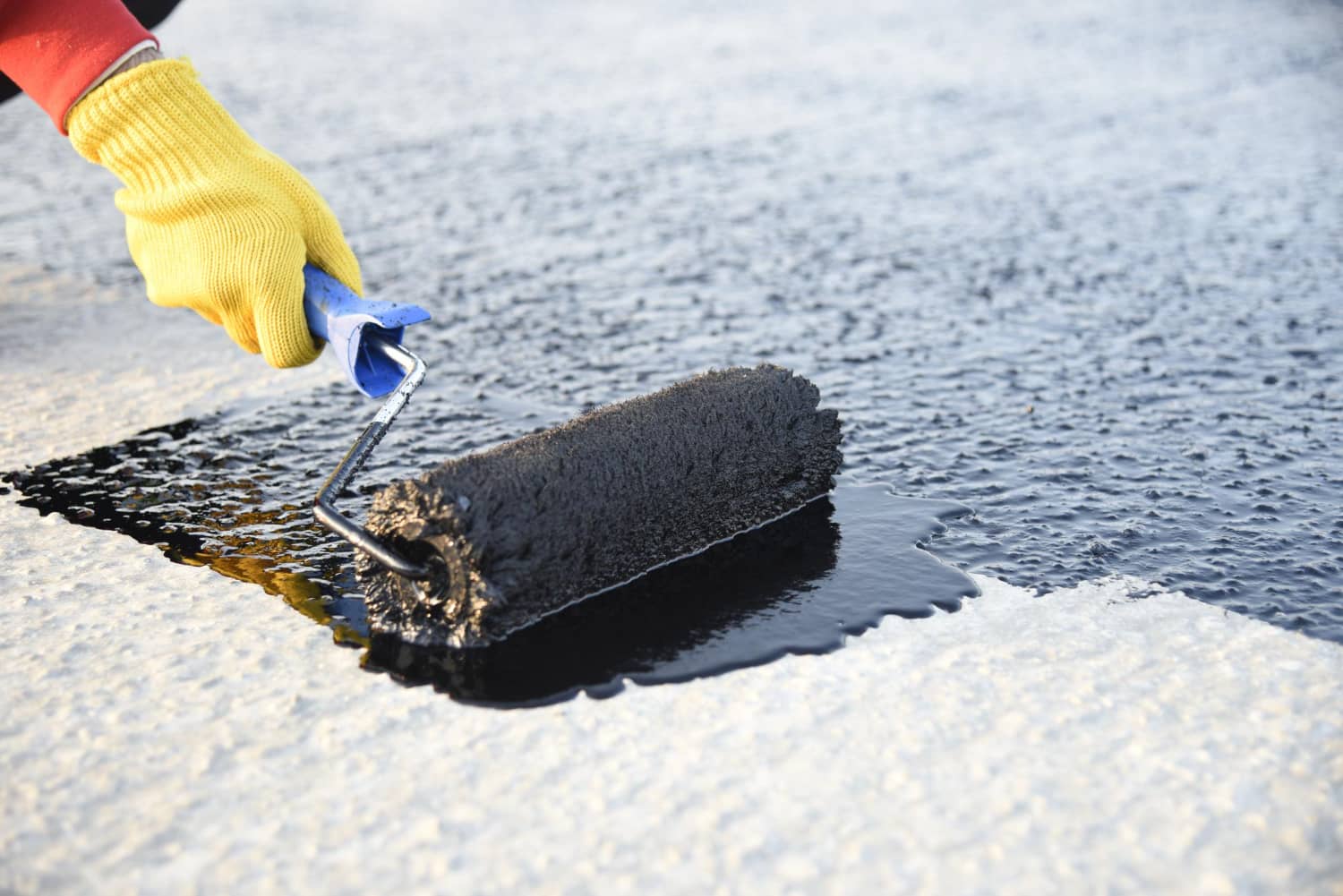
- Bituminous coatings
Best for: Existing structures and retrofits where damp proofing needs to be added to internal or external walls.
Type B: Integral Protection
This system involves using materials that are themselves watertight, such as waterproof concrete.
Examples include:
- Waterproof concrete systems
- Integral crystalline admixtures
Best for: New builds or properties where waterproofing can be designed into the structure from the start.
Type C: Drained Protection
This method manages water that enters the structure by directing it to a suitable drainage point.
Examples include:
- Cavity drainage membranes
- Perimeter channels and sump pumps
Best for: Basements and below-ground rooms that are at risk of continuous water pressure.
What best describes you?

Homeowner

Tenant

Management/Lettings Agent

Potential Buyer

Other
It just takes 60 Second
And then you can book a free consultation
Which Type of Waterproofing Is Right for Your Property?
Choosing the correct system depends on several factors, including:
- The property’s age and condition
- Groundwater pressure and soil type
- The purpose of the space (e.g., living area vs storage)
- Accessibility for installation
- Budget and long-term maintenance requirements
A qualified structural waterproofing specialist will survey your property and recommend the most effective system based on these factors.
Structural Damp Proofing vs Structural Waterproofing
While often used interchangeably, damp proofing and waterproofing have distinct purposes.
| Aspect | Structural Damp Proofing | Structural Waterproofing |
| Purpose | Prevents moisture from rising or penetrating walls | Prevents water ingress under pressure |
| Common Use | Above-ground walls and floors | Basements, retaining walls, and foundations |
| Protection Level | Resists minor damp | Resists hydrostatic pressure |
| Typical Products | DPC creams, coatings, or membranes | Tanking systems, drainage membranes, and pumps |
In essence, damp proofing handles moisture control, while waterproofing ensures complete protection against water ingress. Many modern systems combine both for comprehensive coverage.
The Role of a Structural Waterproofing Specialist
Hiring a professional waterproofing expert is essential to ensure long-term effectiveness. Specialists bring technical expertise, product knowledge, and industry-standard installation practices.
What a Specialist Provides:
- Full structural assessment and moisture survey
- Recommendations based on British Standards (BS 8102)
- Correct installation of membranes, tanking, or drainage systems
- Professional-grade materials and guarantees
- Integration with other damp proofing or basement conversion work
An experienced structural waterproofing specialist ensures that the solution is not just effective but compliant with regulations and manufacturer warranties.
How Structural Waterproofing Is Installed
While methods vary, the process generally involves the following steps:
- Initial Survey: Identifying causes of water ingress and assessing moisture levels.
- Preparation: Cleaning and repairing the substrate to ensure strong adhesion.
- Application of Waterproofing System: Depending on the method chosen (membrane, coating, or drainage).
- Drainage Management: Installing channels or sump pumps where necessary.
- Testing and Sealing: Ensuring all joints and weak points are properly treated.
- Finishing: Restoring the internal space with plastering, flooring, and insulation.
Correct installation is key — even the best materials can fail if not applied by a trained professional.
Signs You May Need Structural Waterproofing
Look out for these early warning signs of water ingress or damp issues:
- Damp patches or peeling paint on basement walls
- Musty smells or visible mould growth
- Water pooling after heavy rain
- Efflorescence (white salt deposits on walls)
- Cracks in foundation or masonry
- Cold, humid air in lower-level rooms
If you notice any of these, a professional inspection should be arranged promptly.
The Cost of Structural Waterproofing
Costs vary depending on property size, type of waterproofing system, and extent of water ingress. On average:
| Waterproofing Type | Typical Cost (per m²) | Notes |
| Type A (Barrier) | £50 – £100 | Internal or external application |
| Type B (Integral) | £70 – £150 | Usually part of new construction |
| Type C (Drained) | £80 – £180 | Includes pumps and channels |
While these are estimates, every property requires a tailored approach. A structural waterproofing specialist will provide a detailed, no-obligation quote after a site survey.
Maintenance and Long-Term Protection
Once installed, waterproofing systems require minimal maintenance but should be checked periodically.
Simple maintenance tips include:
- Keeping drains and pumps clear of debris
- Inspecting for cracks or surface damage annually
- Maintaining ventilation and temperature control
- Ensuring external drainage systems remain unblocked
Regular inspections help preserve the lifespan of your waterproofing system and prevent costly repairs later on.
Why Choose Anke Damp Proofing
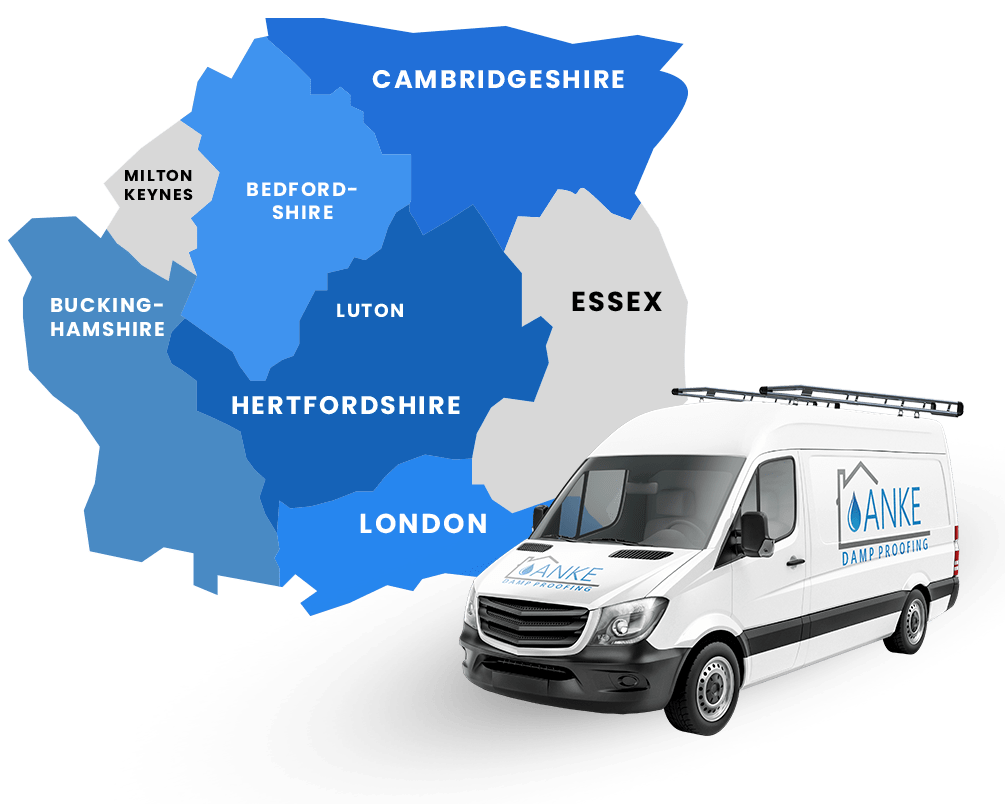
At Anke Damp Proofing, we’re trusted specialists in structural damp proofing and waterproofing across Watford, St Albans, and surrounding areas.
Our services include:
- Structural waterproofing and tanking
- Damp proof course installation
- Basement waterproofing
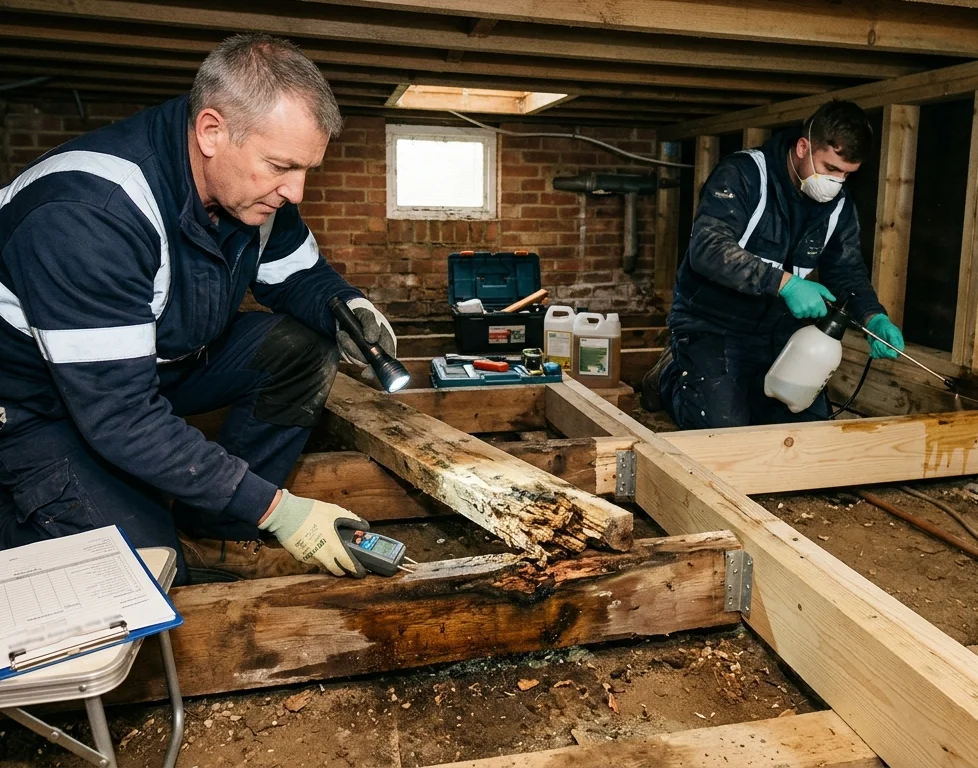
- Rot and timber treatment
- Condensation control and prevention
We work with high-quality materials, provide guaranteed results, and ensure every solution is tailored to your property’s unique needs.
Related articles

What best describes you?
Homeowner
Tenant
Management/Lettings Agent
Potential Buyer
Other
How Structural Waterproofing Protects Your Home from Water Ingress
Understanding Structural Waterproofing: Protecting Your Home from Water Ingress
In the UK’s damp and unpredictable climate, water ingress is one of the most persistent problems homeowners face. From basements to retaining walls, even small leaks can lead to major structural issues over time. Structural waterproofing is a crucial line of defence that keeps moisture out and protects your property’s integrity.
If you’ve ever experienced a damp basement, water-stained walls, or persistent condensation, it may be time to consider professional structural damp proofing and waterproofing. In this guide, we’ll explain what it is, why it’s vital, the techniques involved, and when to call in a structural waterproofing specialist.
What Is Structural Waterproofing?
Structural waterproofing refers to the process of protecting a building’s structure from water penetration, whether from the ground, surface water, or internal condensation. It’s especially essential for below-ground structures like:
- Basements
- Cellars
- Underground garages
- Lift pits
- Retaining walls
- Tunnels and storage areas
The goal is to create a barrier that prevents water from entering the structure or manage water effectively if it does.
Waterproofing is not just about comfort — it’s about preserving your property’s safety, value, and longevity.
The Importance of Structural Waterproofing
Water ingress can lead to more than just damp patches. Over time, it can cause:
- Structural weakening of concrete and brickwork
- Mould and mildew growth, affecting indoor air quality
- Timber decay and rot
- Corrosion of metal fixtures and reinforcements
- Damage to interior finishes and belongings
If left untreated, water ingress can compromise the structural integrity of your property. Professional waterproofing ensures that all vulnerable points — walls, floors, and foundations — are properly sealed or drained.
Common Causes of Water Ingress
Understanding how water enters a structure is key to effective prevention. Common causes include:
- Poor drainage systems or blocked gutters
- Cracks in walls or foundations allowing groundwater to seep through
- High water tables in certain areas of Watford and St Albans
- Defective damp proof courses (DPC)
- Condensation and poor ventilation in basements or cellars
- Ageing materials in older properties that have lost their protective barriers
Each of these causes requires a different waterproofing solution, which is why a structural waterproofing specialist should always carry out an assessment before any work begins.
Types of Structural Waterproofing Systems
There are three main types of waterproofing systems defined by the British Standard BS 8102:2022 – Protection of Below Ground Structures Against Water Ingress. These systems are classified as Type A, Type B, and Type C.
Type A: Barrier Protection
This involves applying a physical barrier to the structure to stop water from entering.
Examples include:
- Waterproof membranes
- Tanking slurries
- Bituminous coatings
Best for: Existing structures and retrofits where damp proofing needs to be added to internal or external walls.
Type B: Integral Protection
This system involves using materials that are themselves watertight, such as waterproof concrete.
Examples include:
- Waterproof concrete systems
- Integral crystalline admixtures
Best for: New builds or properties where waterproofing can be designed into the structure from the start.
Type C: Drained Protection
This method manages water that enters the structure by directing it to a suitable drainage point.
Examples include:
- Cavity drainage membranes
- Perimeter channels and sump pumps
Best for: Basements and below-ground rooms that are at risk of continuous water pressure.
What best describes you?
Homeowner
Tenant
Management/Lettings Agent
Potential Buyer
Other
It just takes 60 Second
And then you can book a free consultation
Which Type of Waterproofing Is Right for Your Property?
Choosing the correct system depends on several factors, including:
- The property’s age and condition
- Groundwater pressure and soil type
- The purpose of the space (e.g., living area vs storage)
- Accessibility for installation
- Budget and long-term maintenance requirements
A qualified structural waterproofing specialist will survey your property and recommend the most effective system based on these factors.
Structural Damp Proofing vs Structural Waterproofing
While often used interchangeably, damp proofing and waterproofing have distinct purposes.
| Aspect | Structural Damp Proofing | Structural Waterproofing |
| Purpose | Prevents moisture from rising or penetrating walls | Prevents water ingress under pressure |
| Common Use | Above-ground walls and floors | Basements, retaining walls, and foundations |
| Protection Level | Resists minor damp | Resists hydrostatic pressure |
| Typical Products | DPC creams, coatings, or membranes | Tanking systems, drainage membranes, and pumps |
In essence, damp proofing handles moisture control, while waterproofing ensures complete protection against water ingress. Many modern systems combine both for comprehensive coverage.
The Role of a Structural Waterproofing Specialist
Hiring a professional waterproofing expert is essential to ensure long-term effectiveness. Specialists bring technical expertise, product knowledge, and industry-standard installation practices.
What a Specialist Provides:
- Full structural assessment and moisture survey
- Recommendations based on British Standards (BS 8102)
- Correct installation of membranes, tanking, or drainage systems
- Professional-grade materials and guarantees
- Integration with other damp proofing or basement conversion work
An experienced structural waterproofing specialist ensures that the solution is not just effective but compliant with regulations and manufacturer warranties.
How Structural Waterproofing Is Installed
While methods vary, the process generally involves the following steps:
- Initial Survey: Identifying causes of water ingress and assessing moisture levels.
- Preparation: Cleaning and repairing the substrate to ensure strong adhesion.
- Application of Waterproofing System: Depending on the method chosen (membrane, coating, or drainage).
- Drainage Management: Installing channels or sump pumps where necessary.
- Testing and Sealing: Ensuring all joints and weak points are properly treated.
- Finishing: Restoring the internal space with plastering, flooring, and insulation.
Correct installation is key — even the best materials can fail if not applied by a trained professional.
Signs You May Need Structural Waterproofing
Look out for these early warning signs of water ingress or damp issues:
- Damp patches or peeling paint on basement walls
- Musty smells or visible mould growth
- Water pooling after heavy rain
- Efflorescence (white salt deposits on walls)
- Cracks in foundation or masonry
- Cold, humid air in lower-level rooms
If you notice any of these, a professional inspection should be arranged promptly.
The Cost of Structural Waterproofing
Costs vary depending on property size, type of waterproofing system, and extent of water ingress. On average:
| Waterproofing Type | Typical Cost (per m²) | Notes |
| Type A (Barrier) | £50 – £100 | Internal or external application |
| Type B (Integral) | £70 – £150 | Usually part of new construction |
| Type C (Drained) | £80 – £180 | Includes pumps and channels |
While these are estimates, every property requires a tailored approach. A structural waterproofing specialist will provide a detailed, no-obligation quote after a site survey.
Maintenance and Long-Term Protection
Once installed, waterproofing systems require minimal maintenance but should be checked periodically.
Simple maintenance tips include:
- Keeping drains and pumps clear of debris
- Inspecting for cracks or surface damage annually
- Maintaining ventilation and temperature control
- Ensuring external drainage systems remain unblocked
Regular inspections help preserve the lifespan of your waterproofing system and prevent costly repairs later on.
Why Choose Anke Damp Proofing
At Anke Damp Proofing, we’re trusted specialists in structural damp proofing and waterproofing across Watford, St Albans, and surrounding areas.
Our services include:
- Structural waterproofing and tanking
- Damp proof course installation
- Basement waterproofing
- Rot and timber treatment
- Condensation control and prevention
We work with high-quality materials, provide guaranteed results, and ensure every solution is tailored to your property’s unique needs.
Related articles
What best describes you?
Homeowner
Tenant
Management/Lettings Agent
Potential Buyer