

How to Spot Damp Before It Causes Major Damage
Damp is one of the most common and potentially destructive issues affecting UK homes. It can creep in quietly, starting…

Why you can trust our content
At a glance
Damp is one of the most common and potentially destructive issues affecting UK homes. It can creep in quietly, starting with subtle signs like musty smells or peeling wallpaper — but if ignored, it can lead to serious structural damage, costly repairs, and health risks from mould growth.
The good news is that damp is treatable and preventable — if caught early. In this guide, we’ll show you how to recognise the early signs of damp, understand the different types, and explain when it’s time to call in a professional like ANKE Damp Proofing.
Why Is Damp So Dangerous?
Damp might not seem like a major problem at first glance, but over time it can cause:
- Structural weakening of brickwork and plaster
- Rotting of timber joists and skirting boards
- Ideal conditions for woodworm and other pests
- Health issues from mould spores and poor indoor air quality
- A significant drop in property value
Left untreated, minor damp patches can develop into widespread damage. That’s why early detection is key.
The Main Types of Damp in UK Homes
Before spotting the signs, it’s helpful to understand the three primary types of damp:
| Type of Damp | Cause | Common Locations |
| Rising Damp | Moisture rising through masonry from the ground | Ground floor walls, skirting boards |
| Penetrating Damp | Water entering through walls, roofs or windows | External walls, ceilings, around doors |
| Condensation | Moisture from the air settling on cold surfaces | Bathrooms, kitchens, corners, behind furniture |
Each type has different warning signs — but the earlier you spot them, the easier and cheaper it is to deal with.
Early Warning Signs of Damp: What to Look For
1. Musty, Damp Smells
A persistent earthy or mouldy smell is often one of the first indicators. Even if you can’t see any visual signs, a musty odour can suggest hidden damp — especially behind furniture or in unventilated areas.
2. Peeling Wallpaper or Bubbling Paint
When moisture builds up behind a wall, it causes paint to blister and wallpaper to peel. You may notice lifting at the corners or curling edges — particularly near windows or at floor level.
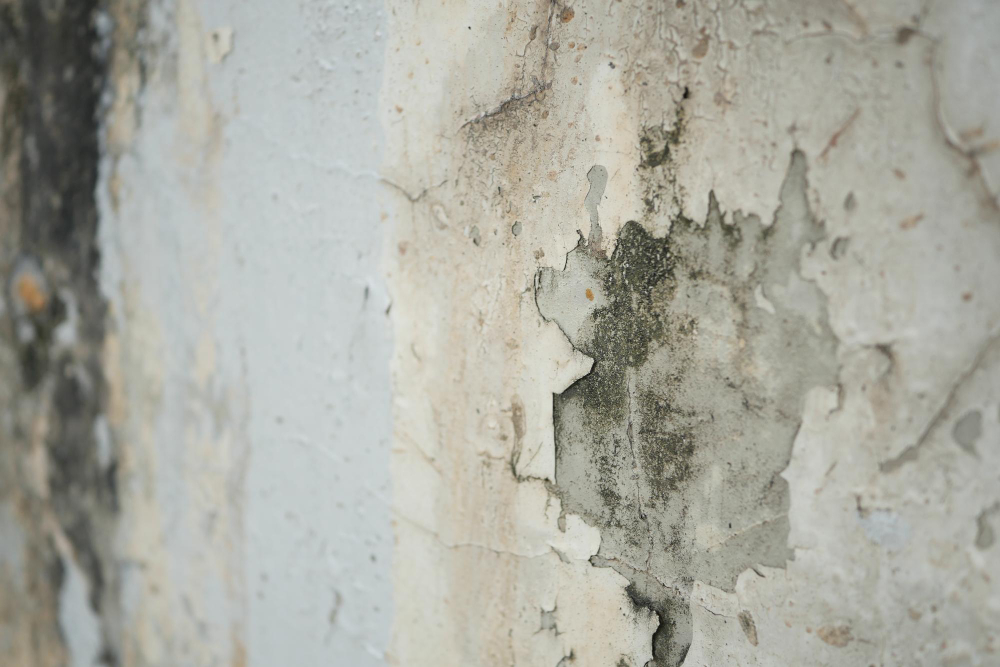
3. Dark Patches or Staining on Walls
Visible patches or tide marks are a telltale sign of rising or penetrating damp. These often appear discoloured, damp to the touch, and may spread slowly over time.
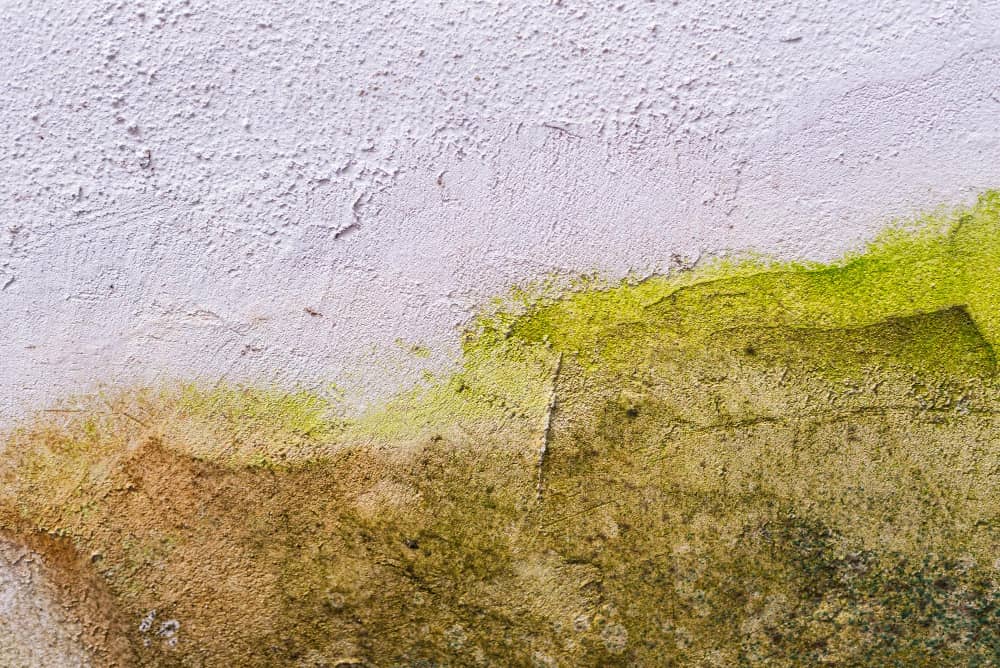
4. Black Mould Growth
Tiny black spots — especially in corners, on ceilings or around windows — are usually caused by condensation. Mould thrives in moist, unventilated spaces, and can pose respiratory risks if left untreated.
5. Cold or Damp Walls
If a wall feels cold and damp to touch, even when the heating is on, this may indicate trapped moisture. It’s especially common on external walls with insufficient insulation or waterproofing.
6. Crumbling Plaster or Powdery Deposits
Damp can degrade plaster, causing it to crack, bubble or crumble. You might also see white, salty residue — known as efflorescence — forming on walls, which signals rising damp.
7. Warped Flooring or Skirting Boards
In more advanced cases, damp can cause wooden flooring to warp and skirting boards to rot, crack or detach from the wall.
Common Areas Where Damp Hides
Damp doesn’t always make itself obvious. Here are some high-risk areas worth checking regularly:
- Behind wardrobes or large furniture pushed against external walls
- Under windowsills or beneath radiators
- Inside basements or cellars
- Around chimney breasts
- In unheated utility rooms or pantries
- Around loft hatches or roof valleys
What best describes you?

Homeowner

Tenant

Management/Lettings Agent

Potential Buyer

Other
It just takes 60 Second
And then you can book a free consultation
What Causes Damp in the First Place?
Rising Damp
This occurs when groundwater is drawn up through bricks or mortar due to capillary action. It’s typically due to a failing or missing damp proof course (DPC).
Penetrating Damp
Caused by water seeping in through cracks in walls, defective pointing, faulty gutters, roof damage, or poorly sealed windows and doors.
Condensation
This results from high indoor humidity and poor ventilation. It’s particularly common in modern, airtight homes without proper airflow systems.
Can I Fix Damp Myself?
Some surface-level damp — especially caused by condensation — can be managed with DIY methods like:
- Improving ventilation (e.g. installing extractor fans)
- Using a dehumidifier
- Wiping down affected areas with anti-mould spray
- Keeping furniture slightly away from walls
However, if the damp is recurring, worsening, or has affected your walls or timber, it’s best to consult a professional. DIY solutions often mask the symptoms rather than resolve the root cause.
Why Call in the Professionals?
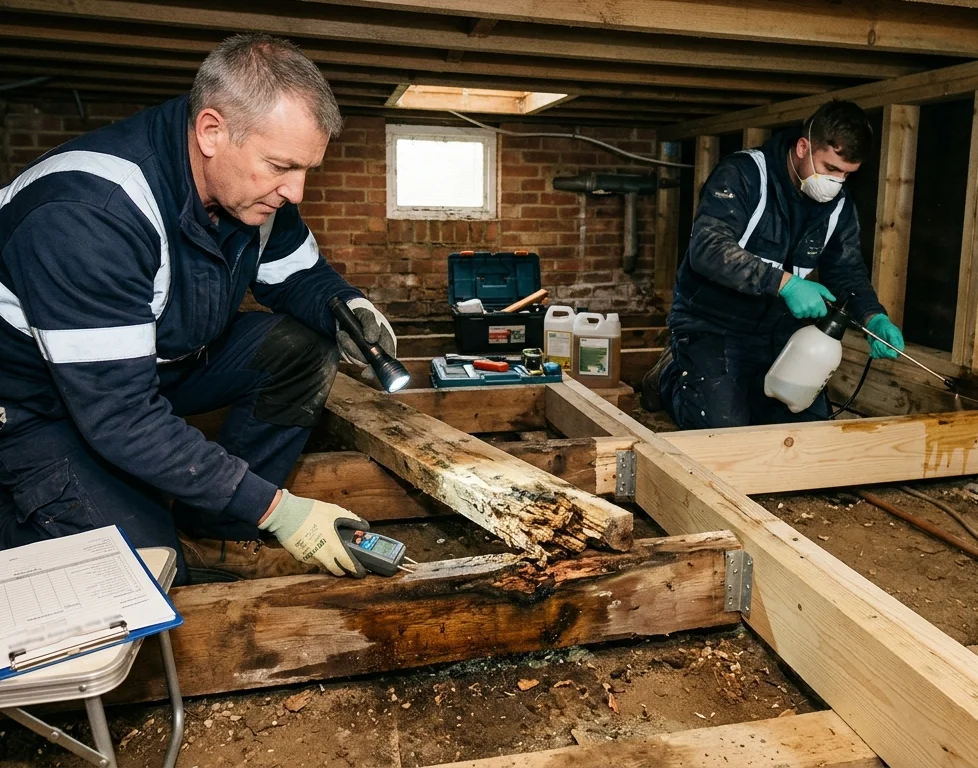
At ANKE Damp Proofing, we offer full damp surveys, moisture mapping, and tailored solutions. We don’t just patch over issues — we diagnose and fix the source. This may involve:
- DPC injection treatments
- Cavity wall insulation removal
- Waterproof tanking
- External wall waterproofing
- Ventilation system upgrades
- Timber treatment and dry rot prevention
All work is backed by insurance-backed guarantees and carried out by certified specialists.
Preventing Damp Long-Term
Here are a few preventive measures every UK homeowner should follow:
- Check gutters and downpipes regularly for leaks
- Ensure good airflow in kitchens, bathrooms and bedrooms
- Repair cracked render or pointing on external walls
- Keep interior temperatures consistent to avoid condensation
- Install or maintain your damp proof course if applicable
- Use breathable paints and materials on older properties
Final Thoughts
Damp may start small — a whiff here, a patch there — but it can quickly evolve into a costly and damaging problem. Spotting the signs early and acting fast is key to preserving your property, your health, and your peace of mind.
If you’re seeing any of the signs we’ve outlined, don’t wait for the problem to get worse. Contact ANKE Damp Proofing for a free consultation or professional damp survey. We’ll help you get your property dry, safe, and future-proofed.
Related articles

What best describes you?
Homeowner
Tenant
Management/Lettings Agent
Potential Buyer
Other
At a glance
Damp is one of the most common and potentially destructive issues affecting UK homes. It can creep in quietly, starting with subtle signs like musty smells or peeling wallpaper — but if ignored, it can lead to serious structural damage, costly repairs, and health risks from mould growth.
The good news is that damp is treatable and preventable — if caught early. In this guide, we’ll show you how to recognise the early signs of damp, understand the different types, and explain when it’s time to call in a professional like ANKE Damp Proofing.
Why Is Damp So Dangerous?
Damp might not seem like a major problem at first glance, but over time it can cause:
- Structural weakening of brickwork and plaster
- Rotting of timber joists and skirting boards
- Ideal conditions for woodworm and other pests
- Health issues from mould spores and poor indoor air quality
- A significant drop in property value
Left untreated, minor damp patches can develop into widespread damage. That’s why early detection is key.
The Main Types of Damp in UK Homes
Before spotting the signs, it’s helpful to understand the three primary types of damp:
| Type of Damp | Cause | Common Locations |
| Rising Damp | Moisture rising through masonry from the ground | Ground floor walls, skirting boards |
| Penetrating Damp | Water entering through walls, roofs or windows | External walls, ceilings, around doors |
| Condensation | Moisture from the air settling on cold surfaces | Bathrooms, kitchens, corners, behind furniture |
Each type has different warning signs — but the earlier you spot them, the easier and cheaper it is to deal with.
Early Warning Signs of Damp: What to Look For
1. Musty, Damp Smells
A persistent earthy or mouldy smell is often one of the first indicators. Even if you can’t see any visual signs, a musty odour can suggest hidden damp — especially behind furniture or in unventilated areas.
2. Peeling Wallpaper or Bubbling Paint
When moisture builds up behind a wall, it causes paint to blister and wallpaper to peel. You may notice lifting at the corners or curling edges — particularly near windows or at floor level.
3. Dark Patches or Staining on Walls
Visible patches or tide marks are a telltale sign of rising or penetrating damp. These often appear discoloured, damp to the touch, and may spread slowly over time.
4. Black Mould Growth
Tiny black spots — especially in corners, on ceilings or around windows — are usually caused by condensation. Mould thrives in moist, unventilated spaces, and can pose respiratory risks if left untreated.
5. Cold or Damp Walls
If a wall feels cold and damp to touch, even when the heating is on, this may indicate trapped moisture. It’s especially common on external walls with insufficient insulation or waterproofing.
6. Crumbling Plaster or Powdery Deposits
Damp can degrade plaster, causing it to crack, bubble or crumble. You might also see white, salty residue — known as efflorescence — forming on walls, which signals rising damp.
7. Warped Flooring or Skirting Boards
In more advanced cases, damp can cause wooden flooring to warp and skirting boards to rot, crack or detach from the wall.
Common Areas Where Damp Hides
Damp doesn’t always make itself obvious. Here are some high-risk areas worth checking regularly:
- Behind wardrobes or large furniture pushed against external walls
- Under windowsills or beneath radiators
- Inside basements or cellars
- Around chimney breasts
- In unheated utility rooms or pantries
- Around loft hatches or roof valleys
What best describes you?
Homeowner
Tenant
Management/Lettings Agent
Potential Buyer
Other
It just takes 60 Second
And then you can book a free consultation
What Causes Damp in the First Place?
Rising Damp
This occurs when groundwater is drawn up through bricks or mortar due to capillary action. It’s typically due to a failing or missing damp proof course (DPC).
Penetrating Damp
Caused by water seeping in through cracks in walls, defective pointing, faulty gutters, roof damage, or poorly sealed windows and doors.
Condensation
This results from high indoor humidity and poor ventilation. It’s particularly common in modern, airtight homes without proper airflow systems.
Can I Fix Damp Myself?
Some surface-level damp — especially caused by condensation — can be managed with DIY methods like:
- Improving ventilation (e.g. installing extractor fans)
- Using a dehumidifier
- Wiping down affected areas with anti-mould spray
- Keeping furniture slightly away from walls
However, if the damp is recurring, worsening, or has affected your walls or timber, it’s best to consult a professional. DIY solutions often mask the symptoms rather than resolve the root cause.
Why Call in the Professionals?
At ANKE Damp Proofing, we offer full damp surveys, moisture mapping, and tailored solutions. We don’t just patch over issues — we diagnose and fix the source. This may involve:
- DPC injection treatments
- Cavity wall insulation removal
- Waterproof tanking
- External wall waterproofing
- Ventilation system upgrades
- Timber treatment and dry rot prevention
All work is backed by insurance-backed guarantees and carried out by certified specialists.
Preventing Damp Long-Term
Here are a few preventive measures every UK homeowner should follow:
- Check gutters and downpipes regularly for leaks
- Ensure good airflow in kitchens, bathrooms and bedrooms
- Repair cracked render or pointing on external walls
- Keep interior temperatures consistent to avoid condensation
- Install or maintain your damp proof course if applicable
- Use breathable paints and materials on older properties
Final Thoughts
Damp may start small — a whiff here, a patch there — but it can quickly evolve into a costly and damaging problem. Spotting the signs early and acting fast is key to preserving your property, your health, and your peace of mind.
If you’re seeing any of the signs we’ve outlined, don’t wait for the problem to get worse. Contact ANKE Damp Proofing for a free consultation or professional damp survey. We’ll help you get your property dry, safe, and future-proofed.
Related articles
What best describes you?
Homeowner
Tenant
Management/Lettings Agent
Potential Buyer