Latest Innovations in Damp Proofing Technologies for 2025
As climate conditions shift and building standards evolve, the demand for smarter, more effective damp proofing solutions continues to rise….

Why you can trust our content
At a glance
As climate conditions shift and building standards evolve, the demand for smarter, more effective damp proofing solutions continues to rise. In 2025, innovation in moisture control is not only about stopping damp but also about improving building longevity, energy efficiency, and environmental sustainability.
At ANKE Damp Proofing, staying ahead of the curve means bringing clients the latest techniques and materials designed for long-term success. In this blog, we explore the cutting-edge developments shaping the damp proofing industry in 2025—from high-tech systems to eco-friendly treatments.
Why Damp Proofing Technology is Evolving
Several factors are driving innovation in the damp proofing industry:
- Increased rainfall and extreme weather in parts of the UK have led to a higher frequency of damp-related problems, especially in older homes with no existing barriers.
- Stricter regulations under the UK’s Future Homes Standard and EPC requirements demand more energy-efficient, watertight properties.
- Property owners expect smarter, less invasive solutions with minimal disruption to interiors and faster installation times.
- Environmental consciousness is encouraging the move away from harsh chemicals toward sustainable damp treatment options.
2025’s technologies are more precise, longer lasting, and better for both homes and the planet.
1. Smart Moisture Sensors and Monitoring Systems
Moisture monitoring technology has advanced significantly. Small, wireless humidity and damp sensors can now be installed throughout a property to continuously track levels of moisture in walls, floors, and ceilings.
Key features:
- Real-time alerts to your phone when moisture spikes
- Data logging to track moisture trends over time
- Integration with smart home systems and dehumidifiers
These tools help identify issues early, long before visible damage occurs—enabling preventative maintenance and reducing long-term repair costs.
2. Nanotechnology-Based Damp Barriers
Nanotechnology has revolutionised the materials used in damp proofing. 2025 sees widespread use of nano-sealants that bond at a microscopic level to brick and mortar, offering superior moisture resistance while remaining breathable.
Advantages include:
- Deep penetration into porous masonry
- Invisible finish with no alteration to appearance
- High vapour permeability—walls can breathe while staying dry
- Eco-friendly and solvent-free compositions
These treatments are ideal for heritage buildings and conservation areas where traditional tanking or membranes may be restricted.
3. Dual-Purpose External Coatings
New wall coatings are emerging that offer both waterproofing and thermal insulation in a single application. These breathable coatings repel rain while reflecting heat, making them ideal for energy-conscious homeowners.
Benefits:
- External wall waterproofing and weatherproofing
- Reduced heat loss and improved EPC ratings
- Available in a range of finishes and colours
- Long lifespan (15–25 years)
These coatings are particularly effective on properties in high-rainfall areas or with older brickwork prone to water absorption.
4. Injectable Damp-Proof Courses (DPCs) with Smart Indicators
Injectable DPC systems have been the standard for treating rising damp for years—but 2025 sees new gel-based DPCs that include colour indicators or smart sensors to show successful installation and moisture blocking performance.
Some advanced systems include embedded microchips to monitor performance or notify the installer (via app) if moisture penetration occurs again. This innovation increases transparency and confidence for homeowners.
5. Ventilation Systems with AI Humidity Control
Condensation-related damp is still the most common form of moisture issue in UK homes. Intelligent ventilation systems now use AI algorithms to adjust fan speeds and airflow based on real-time humidity levels and weather forecasts.
These modern systems:
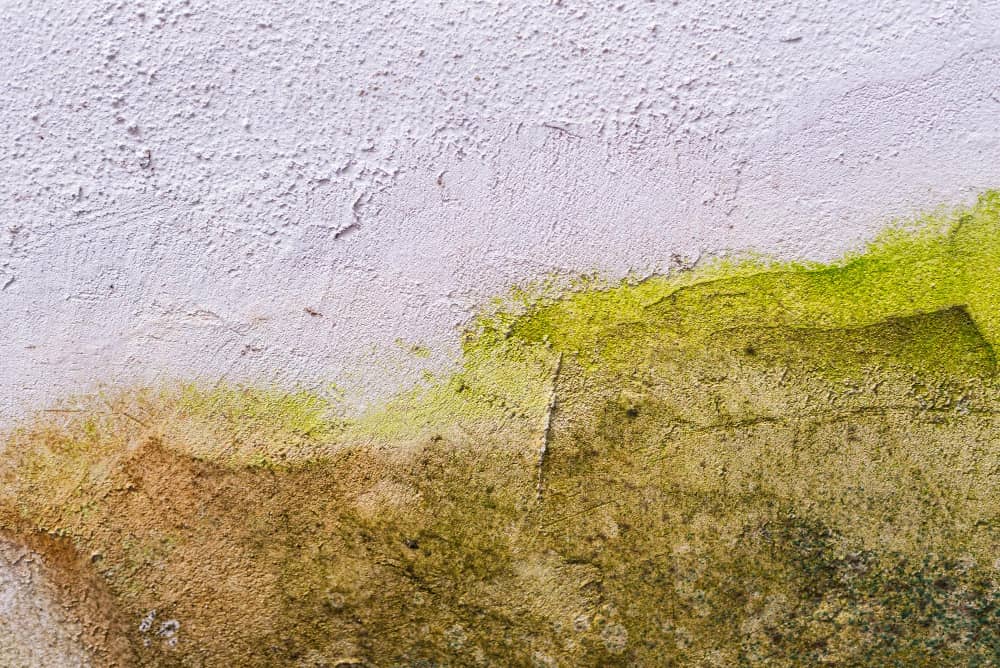
- Prevent black mould formation
- Reduce internal condensation
- Improve indoor air quality
- Operate silently and efficiently
These are increasingly installed during refurbishments and retrofits, especially in energy-efficient or airtight homes.
6. Lime-Based Plasters and Breathable Internal Coatings
In the push towards eco-conscious damp control, there’s renewed interest in traditional materials like lime plaster—now modernised with improved formulations that resist damp while allowing natural evaporation.
These breathable internal finishes:
- Reduce condensation risk
- Resist mould and mildew
- Maintain the character of period properties
- Work well alongside mechanical ventilation
Perfect for use in solid-wall properties that don’t respond well to impermeable materials like cement render.
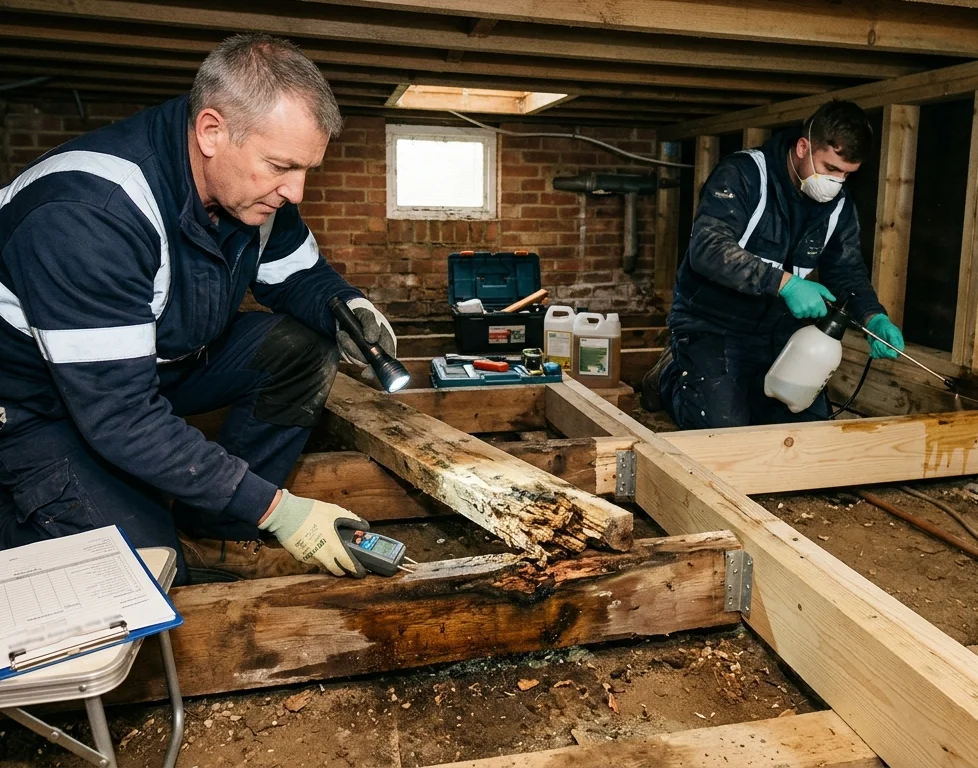
7. Thermal Imaging for Precise Damp Diagnosis
Advanced thermal imaging is now standard for property damp surveys. Using infrared cameras and AI-enhanced software, professionals can detect:
- Thermal bridging (cold spots)
- Hidden leaks behind walls
- Rising damp boundaries
- Insulation gaps or cold bridging
With this technology, ANKE Damp Proofing can offer homeowners crystal-clear insight into the root cause of their damp issue—before any invasive work is done.
8. Eco-Friendly Waterproofing Products
The industry is moving away from harsh solvent-based treatments. New damp proofing products in 2025 use:
- Plant-based or biodegradable components
- Non-toxic binders
- Low-VOC (volatile organic compound) formulas
- Recyclable packaging
ANKE Damp Proofing is proud to offer green solutions to clients looking to protect their home and the environment.
What type of service do you need?
Cavity Wall Insulation
External Wall Insulation System
(Includes Silicone Render)

Silicone Render Only
It just takes 60 Second
And then you can book a free consultation
How ANKE Damp Proofing Implements Modern Solutions
We’ve embraced the best of 2025’s damp proofing technologies to deliver:
- Accurate, non-invasive surveys using thermal and moisture mapping
- Nano-sealant external treatments for long-lasting protection
- Smart dehumidification and passive ventilation installations
- Eco-friendly plastering and breathable finishes
- High-performance injectable DPC systems with post-install testing
Whether we’re protecting a listed cottage or retrofitting a suburban semi, we choose the most appropriate method for each property and provide detailed recommendations with every quote.
Conclusion: Future-Proof Your Home With Smarter Damp Control
2025 is not just about stopping damp—it’s about doing it smarter, faster, and more sustainably. With new technologies, homeowners can enjoy more accurate diagnostics, longer-lasting treatments, and greater peace of mind.
ANKE Damp Proofing is at the forefront of these innovations. If you’re planning a home renovation or have noticed early signs of moisture, contact us today to arrange a survey. We’ll help you protect your home with the very best that modern damp proofing has to offer.
Related articles

What type of service do you need?
Cavity Wall Insulation
External Wall Insulation System
(Includes Silicone Render)
Silicone Render Only
At a glance
As climate conditions shift and building standards evolve, the demand for smarter, more effective damp proofing solutions continues to rise. In 2025, innovation in moisture control is not only about stopping damp but also about improving building longevity, energy efficiency, and environmental sustainability.
At ANKE Damp Proofing, staying ahead of the curve means bringing clients the latest techniques and materials designed for long-term success. In this blog, we explore the cutting-edge developments shaping the damp proofing industry in 2025—from high-tech systems to eco-friendly treatments.
Why Damp Proofing Technology is Evolving
Several factors are driving innovation in the damp proofing industry:
- Increased rainfall and extreme weather in parts of the UK have led to a higher frequency of damp-related problems, especially in older homes with no existing barriers.
- Stricter regulations under the UK’s Future Homes Standard and EPC requirements demand more energy-efficient, watertight properties.
- Property owners expect smarter, less invasive solutions with minimal disruption to interiors and faster installation times.
- Environmental consciousness is encouraging the move away from harsh chemicals toward sustainable damp treatment options.
2025’s technologies are more precise, longer lasting, and better for both homes and the planet.
1. Smart Moisture Sensors and Monitoring Systems
Moisture monitoring technology has advanced significantly. Small, wireless humidity and damp sensors can now be installed throughout a property to continuously track levels of moisture in walls, floors, and ceilings.
Key features:
- Real-time alerts to your phone when moisture spikes
- Data logging to track moisture trends over time
- Integration with smart home systems and dehumidifiers
These tools help identify issues early, long before visible damage occurs—enabling preventative maintenance and reducing long-term repair costs.
2. Nanotechnology-Based Damp Barriers
Nanotechnology has revolutionised the materials used in damp proofing. 2025 sees widespread use of nano-sealants that bond at a microscopic level to brick and mortar, offering superior moisture resistance while remaining breathable.
Advantages include:
- Deep penetration into porous masonry
- Invisible finish with no alteration to appearance
- High vapour permeability—walls can breathe while staying dry
- Eco-friendly and solvent-free compositions
These treatments are ideal for heritage buildings and conservation areas where traditional tanking or membranes may be restricted.
3. Dual-Purpose External Coatings
New wall coatings are emerging that offer both waterproofing and thermal insulation in a single application. These breathable coatings repel rain while reflecting heat, making them ideal for energy-conscious homeowners.
Benefits:
- External wall waterproofing and weatherproofing
- Reduced heat loss and improved EPC ratings
- Available in a range of finishes and colours
- Long lifespan (15–25 years)
These coatings are particularly effective on properties in high-rainfall areas or with older brickwork prone to water absorption.
4. Injectable Damp-Proof Courses (DPCs) with Smart Indicators
Injectable DPC systems have been the standard for treating rising damp for years—but 2025 sees new gel-based DPCs that include colour indicators or smart sensors to show successful installation and moisture blocking performance.
Some advanced systems include embedded microchips to monitor performance or notify the installer (via app) if moisture penetration occurs again. This innovation increases transparency and confidence for homeowners.
5. Ventilation Systems with AI Humidity Control
Condensation-related damp is still the most common form of moisture issue in UK homes. Intelligent ventilation systems now use AI algorithms to adjust fan speeds and airflow based on real-time humidity levels and weather forecasts.
These modern systems:
- Prevent black mould formation
- Reduce internal condensation
- Improve indoor air quality
- Operate silently and efficiently
These are increasingly installed during refurbishments and retrofits, especially in energy-efficient or airtight homes.
6. Lime-Based Plasters and Breathable Internal Coatings
In the push towards eco-conscious damp control, there’s renewed interest in traditional materials like lime plaster—now modernised with improved formulations that resist damp while allowing natural evaporation.
These breathable internal finishes:
- Reduce condensation risk
- Resist mould and mildew
- Maintain the character of period properties
- Work well alongside mechanical ventilation
Perfect for use in solid-wall properties that don’t respond well to impermeable materials like cement render.
7. Thermal Imaging for Precise Damp Diagnosis
Advanced thermal imaging is now standard for property damp surveys. Using infrared cameras and AI-enhanced software, professionals can detect:
- Thermal bridging (cold spots)
- Hidden leaks behind walls
- Rising damp boundaries
- Insulation gaps or cold bridging
With this technology, ANKE Damp Proofing can offer homeowners crystal-clear insight into the root cause of their damp issue—before any invasive work is done.
8. Eco-Friendly Waterproofing Products
The industry is moving away from harsh solvent-based treatments. New damp proofing products in 2025 use:
- Plant-based or biodegradable components
- Non-toxic binders
- Low-VOC (volatile organic compound) formulas
- Recyclable packaging
ANKE Damp Proofing is proud to offer green solutions to clients looking to protect their home and the environment.
What type of service do you need?
Cavity Wall Insulation
External Wall Insulation System
(Includes Silicone Render)
Silicone Render Only
It just takes 60 Second
And then you can book a free consultation
How ANKE Damp Proofing Implements Modern Solutions
We’ve embraced the best of 2025’s damp proofing technologies to deliver:
- Accurate, non-invasive surveys using thermal and moisture mapping
- Nano-sealant external treatments for long-lasting protection
- Smart dehumidification and passive ventilation installations
- Eco-friendly plastering and breathable finishes
- High-performance injectable DPC systems with post-install testing
Whether we’re protecting a listed cottage or retrofitting a suburban semi, we choose the most appropriate method for each property and provide detailed recommendations with every quote.
Conclusion: Future-Proof Your Home With Smarter Damp Control
2025 is not just about stopping damp—it’s about doing it smarter, faster, and more sustainably. With new technologies, homeowners can enjoy more accurate diagnostics, longer-lasting treatments, and greater peace of mind.
ANKE Damp Proofing is at the forefront of these innovations. If you’re planning a home renovation or have noticed early signs of moisture, contact us today to arrange a survey. We’ll help you protect your home with the very best that modern damp proofing has to offer.
Related articles
What type of service do you need?
Cavity Wall Insulation
External Wall Insulation System
(Includes Silicone Render)
Silicone Render Only