What Are The 4 Types Of Damp?
October 27, 2024
Damp can be a serious issue for homeowners, causing structural damage and promoting the growth of mould. Understanding the different types of damp is essential for identifying the right solution to prevent further problems. In this guide, we’ll explore the four main types of damp that can affect your home and how professional damp proofing services from Anke Damp can help you tackle each one effectively.
1. Rising Damp
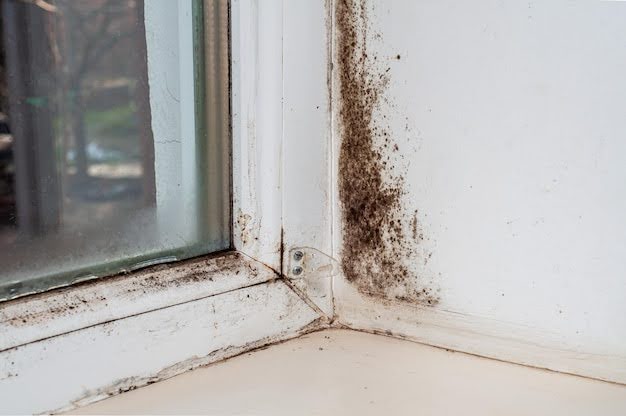
Rising damp occurs when moisture from the ground is drawn up through the walls of your home by capillary action. It typically affects the lower parts of walls and is often identified by peeling paint, stained walls, or the presence of salt deposits. Rising damp can weaken the structure of your property over time and requires a damp proof course (DPC) to prevent moisture from rising through the walls.
How to Address It:
If you notice signs of rising damp, it’s important to contact a professional damp proofing specialist like Anke Premium
Damp. We can install a damp proof course to create a barrier that stops moisture from entering your walls.
2. Penetrating Damp
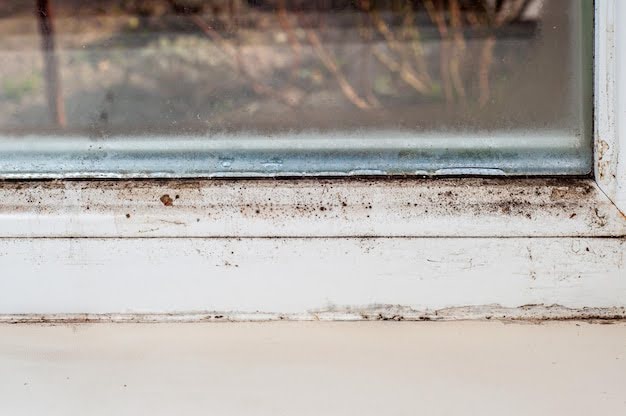
Penetrating damp is caused by water seeping through the external walls of a building due to structural issues such as cracks in the walls, damaged roof tiles, or poorly sealed windows and doors. This type of damp can affect walls, ceilings, and floors and often leads to visible damp patches that grow during periods of heavy rain.
How to Address It:
Penetrating damp requires a thorough inspection to identify the source of water ingress. At Anke Damp, we offer solutions to fix structural problems, reseal windows and doors, and apply treatments that prevent water from entering your home.
3. Condensation
Condensation is one of the most common types of damp, particularly in homes with poor ventilation. It occurs when warm, moist air comes into contact with cold surfaces, such as windows or walls, causing moisture to collect and form damp patches. Condensation can lead to mould growth and damage to your home’s interior if not properly managed.
<h3> How to Address It:
To prevent condensation, improving ventilation is key. Anke Damp can help by assessing your home’s ventilation and suggesting targeted solutions, such as ventilation systems or insulation, to reduce moisture build-up and protect your property.
4. Lateral Damp
Lateral damp, also known as horizontal damp, occurs when moisture travels horizontally through walls. It often affects below-ground spaces like basements, where soil moisture seeps through the walls. Lateral damp is particularly challenging as it can cause extensive structural damage if left untreated.
How to Address It:
Dealing with lateral damp often involves applying waterproof membranes to affected walls to prevent moisture from entering. At Anke Damp, we specialise in damp proofing treatments for basements and other vulnerable areas, providing long-term protection for your property.
Prevent Damp Before It’s Too Late
Understanding the four main types of damp can help you take action before serious damage occurs.
Whether you’re dealing with rising damp, penetrating damp, condensation, or lateral damp, Anke Damp offers professional solutions tailored to your specific needs. Don’t let damp problems worsen—contact Anke Damp today for quality damp proofing services.