
Understanding Dry Rot, Wet Rot and Structural Damp: Key Differences Explained
Timber decay is one of the most worrying discoveries a homeowner can face. You lift floorboards or notice crumbling skirting and suddenly hear terms like dry rot, wet rot, and structural damp being used interchangeably.

Why you can trust our content
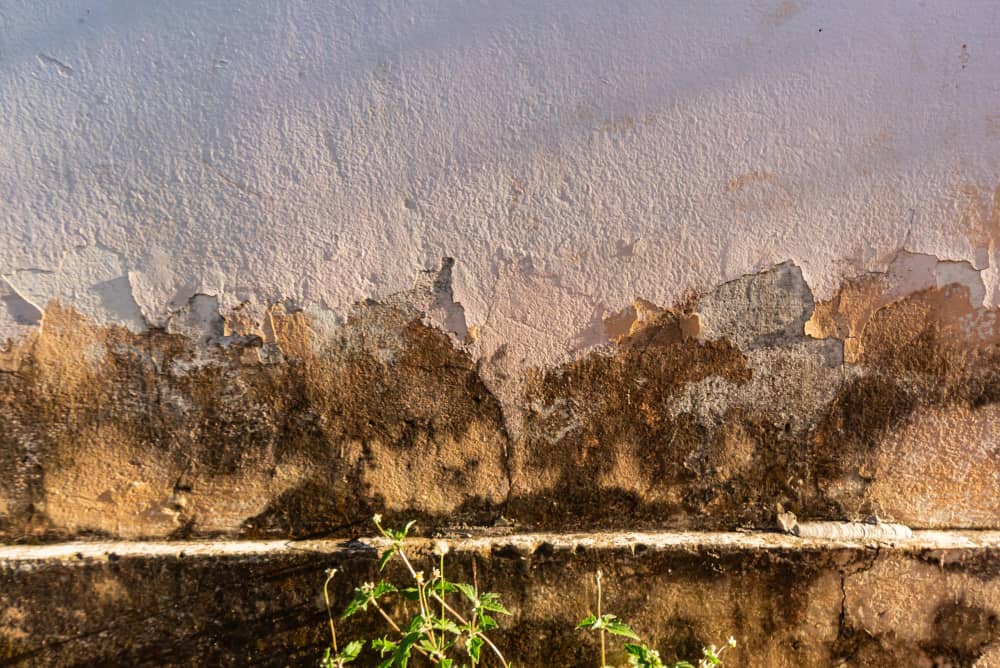
At a glance
They are not the same.
Understanding the difference between these problems is essential, because each requires a different approach. Misdiagnosis can mean unnecessary disruption, wasted money, or worse, ongoing structural damage.
If you are unsure what you are dealing with, speaking to Anke Damp Proofing for professional guidance can help you move forward with clarity.
What is dry rot and why is it so serious?
Dry rot is caused by a specific fungus that feeds on timber. It thrives in damp, poorly ventilated environments and can spread through masonry in search of new timber to attack.
Common signs include:
- Cracked or cuboidal timber
- A brittle, crumbly texture
- A musty smell
- Orange or rusty spore dust
- Shrinking and cracking skirting boards or floor joists
Unlike wet rot, dry rot can travel beyond the original damp source. That ability to spread is what makes it more destructive.
How much does it cost to repair dry rot?
The cost to repair dry rot depends heavily on how early it is detected. Small, localised areas may involve limited timber replacement and improved ventilation. Larger outbreaks can require extensive strip-out, structural timber replacement, and specialist treatment.
Typical cost bands in 2026 may include:
| Severity | Typical Work Involved | Approximate Cost Range |
| Minor localised | Replace small timber section, treat area, improve ventilation | £800 – £1,800 |
| Moderate spread | Remove infected timber, treat masonry, replace joists | £2,000 – £6,000 |
| Severe structural | Major timber replacement, floor removal, detailed treatment | £6,000 – £15,000+ |
These ranges explain why the cost to repair dry rot varies so significantly from property to property.
What is wet rot and how is it different?
Wet rot is far more common. It occurs when timber remains damp for a prolonged period, usually due to leaks, rising damp, or penetrating moisture.
Unlike dry rot, wet rot does not spread through masonry. It stays close to the moisture source.
Typical signs include:
- Soft, spongy timber
- Darkened wood
- Localised decay near plumbing leaks or external walls
- A damp, earthy smell
Because wet rot is tied directly to a moisture source, resolving the damp issue is central to repair.
How much does it cost to fix wet rot?
The cost to fix wet rot is usually lower than dry rot because it is typically more contained.
A minor repair may involve:
- Removing affected timber
- Fixing the moisture source
- Replacing skirting or joists
More extensive cases might include larger timber sections and reinstatement work.
In 2026, the cost to fix wet rot might range from £500 for minor repairs to £4,000 or more where floors or structural elements are involved.
The key factor is not just timber replacement, but solving the moisture problem that caused it.
What best describes you?

Homeowner

Tenant

Management/Lettings Agent

Potential Buyer

Other
It just takes 60 Second
And then you can book a free consultation
What is structural damp and how does it relate?
Structural damp refers to moisture affecting the building fabric, such as masonry, below-ground walls, or foundations. It can contribute to both dry rot and wet rot if left unresolved.
This is where structural damp proofing and waterproofing becomes relevant. In some properties, particularly older homes or basement flats in London, moisture management needs to go beyond surface treatments.
Structural approaches may include:
- Damp proof course installation
- Tanking systems
- Waterproof membranes
- Drainage channels
- External repairs to prevent ingress
The correct method depends on the source and path of moisture.
How can you tell which problem you have?
Are the timbers cracked and brittle?
That may indicate dry rot.
Is the damage localised near a leak or damp wall?
That is more consistent with wet rot.
Are walls, floors, or basements showing wider moisture issues?
You may be dealing with structural damp that needs a broader solution.
Professional inspection is often the safest route. Timber decay can look similar at first glance, but treatment strategies differ significantly.
Why early detection makes such a difference
Both dry rot and wet rot become more expensive the longer they are left.
For example:
- A small patch of wet rot under a leaking sink may cost under £1,000 to resolve.
- Leave it for years, and you may be replacing floor joists and subfloor sections.
- A minor dry rot outbreak may require limited timber replacement.
- Allow it to spread, and the cost to repair dry rot escalates rapidly due to structural involvement.
Early investigation limits both disruption and financial impact.
If you are concerned about timber decay in your property, contact Anke Damp Proofing for an informed assessment and tailored advice.
A typical scenario in a London terrace
Consider a Victorian terrace where a homeowner notices bouncy floorboards near the bay window.
Inspection reveals:
- Rising damp along the front wall
- Wet rot affecting floor joists
- Early signs of fungal growth
In this situation, solving the timber issue alone is not enough. The moisture source must be addressed. Ignoring that step can mean repeat decay.
This example shows why repair costs are always linked to diagnosis, not just visible damage.
Should you be worried about structural safety?
In advanced cases, yes.
Severely decayed joists can compromise floors. In extreme dry rot cases, staircases and roof timbers may be affected.
However, most cases caught early are manageable and do not require dramatic rebuilding.
The aim is to stabilise the property, remove infected material where necessary, and prevent recurrence.
How do professionals approach rot and damp?
A structured approach usually includes:
- Identifying the moisture source
- Confirming the type of fungal decay
- Removing affected timber where required
- Treating surrounding areas appropriately
- Improving ventilation or waterproofing where needed
- Reinstating finishes
Clear, methodical work protects both structure and value.
What should you do next?
If you suspect rot or structural damp, avoid cosmetic fixes. Painting over stains or replacing skirting without solving the moisture source rarely works.
Understanding the likely cost to repair dry rot or the cost to fix wet rot helps you budget realistically, but the most important step is correct identification.
For clear advice and professional support, speak to Anke Damp Proofing to discuss your symptoms and arrange a tailored inspection.
Related articles
What best describes you?
Homeowner
Tenant
Management/Lettings Agent
Potential Buyer
Other
At a glance
They are not the same.
Understanding the difference between these problems is essential, because each requires a different approach. Misdiagnosis can mean unnecessary disruption, wasted money, or worse, ongoing structural damage.
If you are unsure what you are dealing with, speaking to Anke Damp Proofing for professional guidance can help you move forward with clarity.
What is dry rot and why is it so serious?
Dry rot is caused by a specific fungus that feeds on timber. It thrives in damp, poorly ventilated environments and can spread through masonry in search of new timber to attack.
Common signs include:
- Cracked or cuboidal timber
- A brittle, crumbly texture
- A musty smell
- Orange or rusty spore dust
- Shrinking and cracking skirting boards or floor joists
Unlike wet rot, dry rot can travel beyond the original damp source. That ability to spread is what makes it more destructive.
How much does it cost to repair dry rot?
The cost to repair dry rot depends heavily on how early it is detected. Small, localised areas may involve limited timber replacement and improved ventilation. Larger outbreaks can require extensive strip-out, structural timber replacement, and specialist treatment.
Typical cost bands in 2026 may include:
| Severity | Typical Work Involved | Approximate Cost Range |
| Minor localised | Replace small timber section, treat area, improve ventilation | £800 – £1,800 |
| Moderate spread | Remove infected timber, treat masonry, replace joists | £2,000 – £6,000 |
| Severe structural | Major timber replacement, floor removal, detailed treatment | £6,000 – £15,000+ |
These ranges explain why the cost to repair dry rot varies so significantly from property to property.
What is wet rot and how is it different?
Wet rot is far more common. It occurs when timber remains damp for a prolonged period, usually due to leaks, rising damp, or penetrating moisture.
Unlike dry rot, wet rot does not spread through masonry. It stays close to the moisture source.
Typical signs include:
- Soft, spongy timber
- Darkened wood
- Localised decay near plumbing leaks or external walls
- A damp, earthy smell
Because wet rot is tied directly to a moisture source, resolving the damp issue is central to repair.
How much does it cost to fix wet rot?
The cost to fix wet rot is usually lower than dry rot because it is typically more contained.
A minor repair may involve:
- Removing affected timber
- Fixing the moisture source
- Replacing skirting or joists
More extensive cases might include larger timber sections and reinstatement work.
In 2026, the cost to fix wet rot might range from £500 for minor repairs to £4,000 or more where floors or structural elements are involved.
The key factor is not just timber replacement, but solving the moisture problem that caused it.
What best describes you?
Homeowner
Tenant
Management/Lettings Agent
Potential Buyer
Other
It just takes 60 Second
And then you can book a free consultation
What is structural damp and how does it relate?
Structural damp refers to moisture affecting the building fabric, such as masonry, below-ground walls, or foundations. It can contribute to both dry rot and wet rot if left unresolved.
This is where structural damp proofing and waterproofing becomes relevant. In some properties, particularly older homes or basement flats in London, moisture management needs to go beyond surface treatments.
Structural approaches may include:
- Damp proof course installation
- Tanking systems
- Waterproof membranes
- Drainage channels
- External repairs to prevent ingress
The correct method depends on the source and path of moisture.
How can you tell which problem you have?
Are the timbers cracked and brittle?
That may indicate dry rot.
Is the damage localised near a leak or damp wall?
That is more consistent with wet rot.
Are walls, floors, or basements showing wider moisture issues?
You may be dealing with structural damp that needs a broader solution.
Professional inspection is often the safest route. Timber decay can look similar at first glance, but treatment strategies differ significantly.
Why early detection makes such a difference
Both dry rot and wet rot become more expensive the longer they are left.
For example:
- A small patch of wet rot under a leaking sink may cost under £1,000 to resolve.
- Leave it for years, and you may be replacing floor joists and subfloor sections.
- A minor dry rot outbreak may require limited timber replacement.
- Allow it to spread, and the cost to repair dry rot escalates rapidly due to structural involvement.
Early investigation limits both disruption and financial impact.
If you are concerned about timber decay in your property, contact Anke Damp Proofing for an informed assessment and tailored advice.
A typical scenario in a London terrace
Consider a Victorian terrace where a homeowner notices bouncy floorboards near the bay window.
Inspection reveals:
- Rising damp along the front wall
- Wet rot affecting floor joists
- Early signs of fungal growth
In this situation, solving the timber issue alone is not enough. The moisture source must be addressed. Ignoring that step can mean repeat decay.
This example shows why repair costs are always linked to diagnosis, not just visible damage.
Should you be worried about structural safety?
In advanced cases, yes.
Severely decayed joists can compromise floors. In extreme dry rot cases, staircases and roof timbers may be affected.
However, most cases caught early are manageable and do not require dramatic rebuilding.
The aim is to stabilise the property, remove infected material where necessary, and prevent recurrence.
How do professionals approach rot and damp?
A structured approach usually includes:
- Identifying the moisture source
- Confirming the type of fungal decay
- Removing affected timber where required
- Treating surrounding areas appropriately
- Improving ventilation or waterproofing where needed
- Reinstating finishes
Clear, methodical work protects both structure and value.
What should you do next?
If you suspect rot or structural damp, avoid cosmetic fixes. Painting over stains or replacing skirting without solving the moisture source rarely works.
Understanding the likely cost to repair dry rot or the cost to fix wet rot helps you budget realistically, but the most important step is correct identification.
For clear advice and professional support, speak to Anke Damp Proofing to discuss your symptoms and arrange a tailored inspection.
Related articles
What best describes you?
Homeowner
Tenant
Management/Lettings Agent
Potential Buyer