
The Science Behind Modern Damp Proofing Systems in 2026
Damp can be one of the most persistent and damaging problems in a home. Left untreated, it not only affects the aesthetics of walls and floors but can compromise the structural integrity of a property.

Why you can trust our content
At a glance
Modern damp proofing systems have evolved significantly, offering long-term protection while addressing a variety of underlying issues. In 2026, homeowners have access to solutions that are more efficient, durable, and tailored to specific building types.
Understanding how these systems work, what they cost, and when to call in a professional can save both stress and money in the long term. This guide explores the science behind damp proofing, how modern techniques differ from older methods, and what homeowners in the UK should know before investing in protection.
Whether you’re experiencing rising damp, penetrating damp, or condensation issues, knowing the science behind effective damp proofing is essential. Speak to a damp proofing specialist to understand which system suits your property.
What Is Modern Damp Proofing and How Does It Work?
At its core, damp proofing is the process of preventing moisture from penetrating building structures. In modern systems, this is achieved through a combination of chemical treatments, physical barriers, and innovative materials. Key methods include:
- Chemical damp proof courses (DPCs): Injected or applied to walls to form a barrier against rising damp.
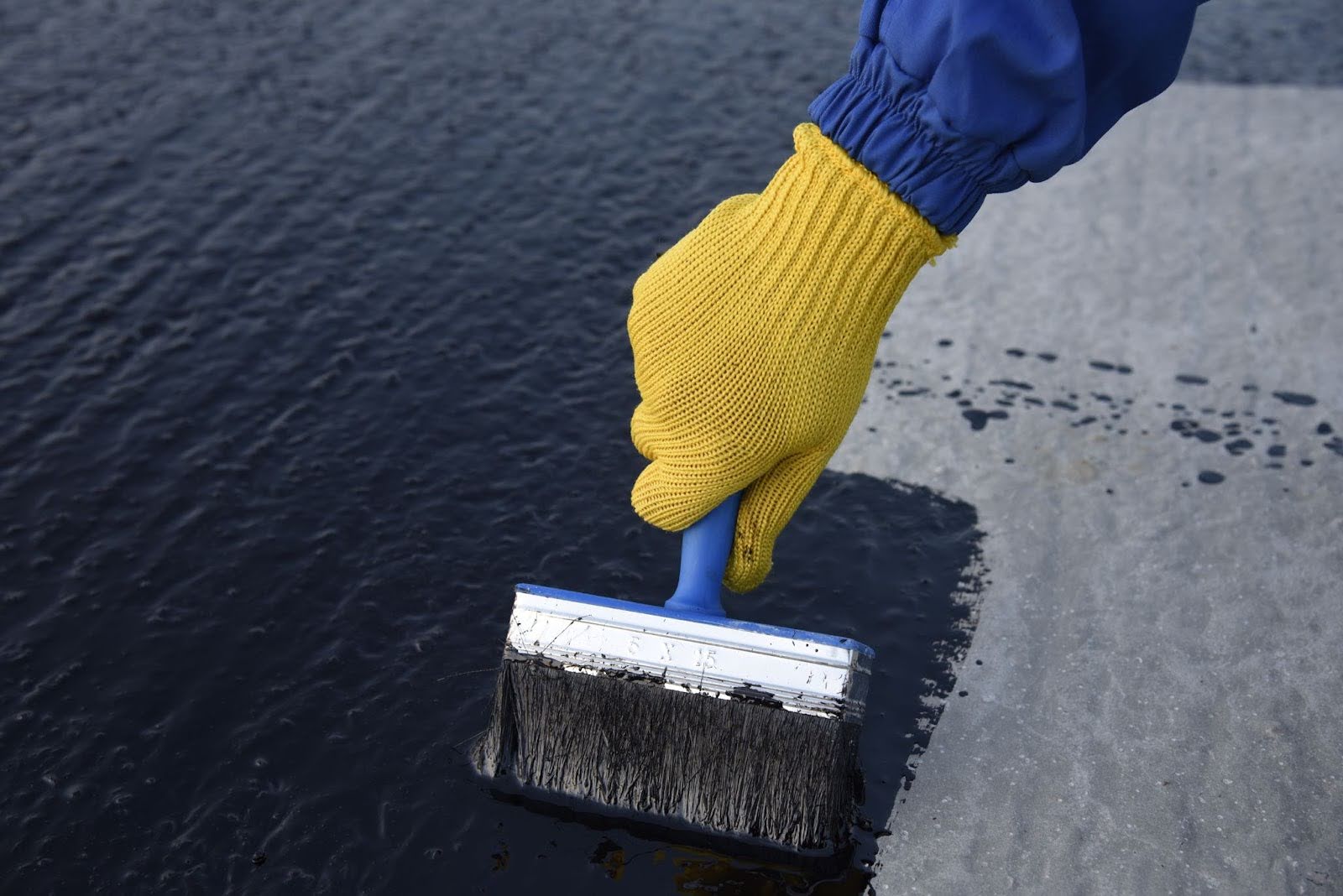
- Waterproof membranes: Applied to basements or foundations to prevent water ingress.
- Surface coatings: Breathable treatments that protect walls from external moisture without trapping condensation.
The science behind these methods relies on understanding the movement of moisture through materials. For instance, brickwork is porous, allowing water to travel upward through capillary action. Modern structural damp proofing and waterproofing systems interrupt this process while preserving the building’s breathability.
Why Should You Consult a Damp Proofing Specialist?
While DIY kits are available, their effectiveness is often limited to minor, surface-level problems. A professional damp proofing specialist can:
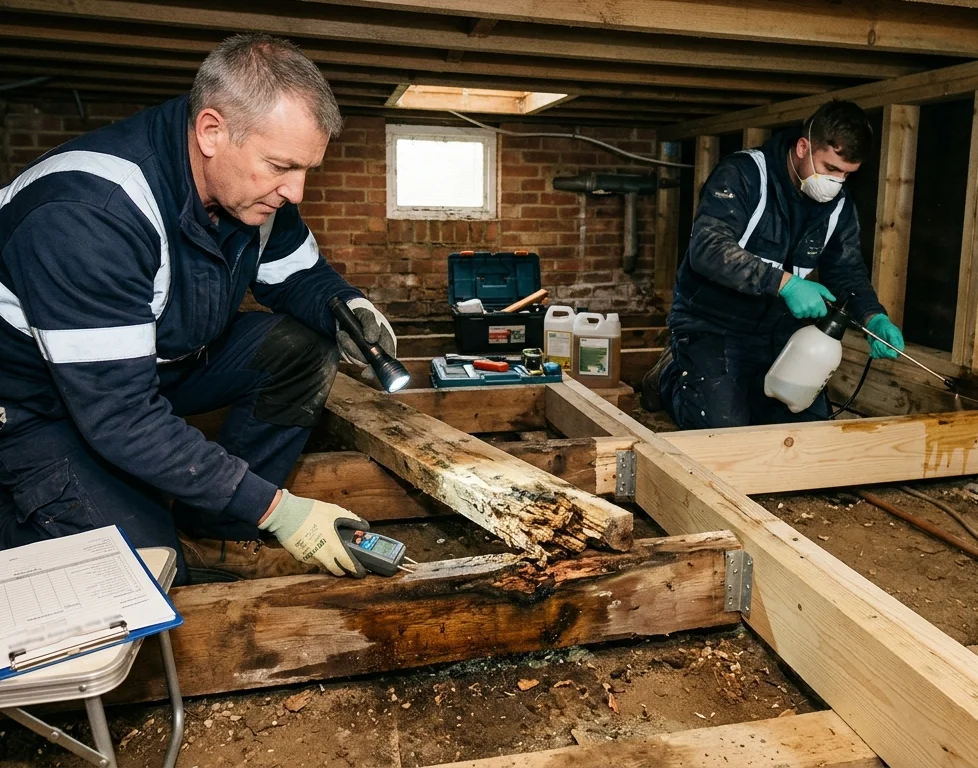
- Conduct a detailed assessment to identify the type and source of damp.
- Recommend the most appropriate solution based on property type and construction materials.
- Ensure correct installation to prevent future damage.
Incorrectly applied treatments can lead to persistent damp or even structural damage, making professional guidance invaluable.
How Much Does Damp Proofing Typically Cost?
Understanding costs is an essential part of planning damp remediation. The average cost of damp proofing in the UK depends on several factors:
| Damp Proofing Method | Typical Cost (£) | Notes |
| Chemical DPC Injection | 800–1,500 | Walls up to 10m in length, includes drilling and treatment |
| Basement Waterproof Membrane | 2,500–5,000 | Full tanking, includes wall and floor waterproofing |
| Surface Coatings | 500–1,200 | Exterior wall treatment, depends on area covered |
| Timber Treatment (for rot) | 300–800 | Optional if damp has caused secondary damage |
Prices vary by property size, severity of the issue, and material types. Discussing your specific situation with a qualified specialist ensures a clear estimate and avoids unexpected costs.
What Are the Key Benefits of Modern Systems?
Modern damp proofing goes beyond simple water repellents. Benefits include:
- Long-term protection: Advanced materials last decades without frequent maintenance.
- Structural integrity: Prevents timber rot, masonry damage, and weakened plaster.
- Health improvements: Reduces mould and damp-related allergens in the home.
- Energy efficiency: Walls remain dry, improving insulation performance.
Even minor damp issues can escalate if left untreated, so early intervention is essential.
What best describes you?

Homeowner

Tenant

Management/Lettings Agent

Potential Buyer

Other
It just takes 60 Second
And then you can book a free consultation
How Do You Identify the Type of Damp in Your Property?
Knowing whether you are dealing with rising damp, penetrating damp, or condensation is key to selecting the right solution. Common indicators include:
- Rising damp: Tide marks on walls, peeling paint, salt deposits near floor level.
- Penetrating damp: Water stains on walls from external leaks, often after rainfall.
- Condensation: Persistent moisture on windows, musty odours, and mould growth.
A thorough survey by a damp proofing specialist ensures the root cause is correctly identified. This prevents unnecessary treatments and targets the specific moisture pathway.
Structural Damp Proofing and Waterproofing: What’s Different?
Unlike traditional surface treatments, structural damp proofing and waterproofing addresses the building’s foundations and core structures. This approach is particularly important for older properties or those with basements. Methods include:
- Installing a physical barrier between the ground and the walls.
- Treating external foundations with waterproof membranes.
- Applying chemical injections that stop moisture migration through bricks.
The long-term result is a dry, structurally sound property that is protected against both visible and hidden damage.
Case Study: A Typical Hertfordshire Home
A two-storey terraced house in Hertfordshire experienced persistent rising damp affecting the ground-floor walls. A professional survey identified a failed DPC and minor timber decay in the skirting boards. The solution involved:
- Injecting a new chemical DPC.
- Installing a waterproof membrane in the affected basement.
- Treating the timber with protective coatings.
Within weeks, the walls were dry, and the property’s structure was preserved. This scenario highlights the importance of professional assessment and a tailored approach.
Related articles
What best describes you?
Homeowner
Tenant
Management/Lettings Agent
Potential Buyer
Other
At a glance
Modern damp proofing systems have evolved significantly, offering long-term protection while addressing a variety of underlying issues. In 2026, homeowners have access to solutions that are more efficient, durable, and tailored to specific building types.
Understanding how these systems work, what they cost, and when to call in a professional can save both stress and money in the long term. This guide explores the science behind damp proofing, how modern techniques differ from older methods, and what homeowners in the UK should know before investing in protection.
Whether you’re experiencing rising damp, penetrating damp, or condensation issues, knowing the science behind effective damp proofing is essential. Speak to a damp proofing specialist to understand which system suits your property.
What Is Modern Damp Proofing and How Does It Work?
At its core, damp proofing is the process of preventing moisture from penetrating building structures. In modern systems, this is achieved through a combination of chemical treatments, physical barriers, and innovative materials. Key methods include:
- Chemical damp proof courses (DPCs): Injected or applied to walls to form a barrier against rising damp.
- Waterproof membranes: Applied to basements or foundations to prevent water ingress.
- Surface coatings: Breathable treatments that protect walls from external moisture without trapping condensation.
The science behind these methods relies on understanding the movement of moisture through materials. For instance, brickwork is porous, allowing water to travel upward through capillary action. Modern structural damp proofing and waterproofing systems interrupt this process while preserving the building’s breathability.
Why Should You Consult a Damp Proofing Specialist?
While DIY kits are available, their effectiveness is often limited to minor, surface-level problems. A professional damp proofing specialist can:
- Conduct a detailed assessment to identify the type and source of damp.
- Recommend the most appropriate solution based on property type and construction materials.
- Ensure correct installation to prevent future damage.
Incorrectly applied treatments can lead to persistent damp or even structural damage, making professional guidance invaluable.
How Much Does Damp Proofing Typically Cost?
Understanding costs is an essential part of planning damp remediation. The average cost of damp proofing in the UK depends on several factors:
| Damp Proofing Method | Typical Cost (£) | Notes |
| Chemical DPC Injection | 800–1,500 | Walls up to 10m in length, includes drilling and treatment |
| Basement Waterproof Membrane | 2,500–5,000 | Full tanking, includes wall and floor waterproofing |
| Surface Coatings | 500–1,200 | Exterior wall treatment, depends on area covered |
| Timber Treatment (for rot) | 300–800 | Optional if damp has caused secondary damage |
Prices vary by property size, severity of the issue, and material types. Discussing your specific situation with a qualified specialist ensures a clear estimate and avoids unexpected costs.
What Are the Key Benefits of Modern Systems?
Modern damp proofing goes beyond simple water repellents. Benefits include:
- Long-term protection: Advanced materials last decades without frequent maintenance.
- Structural integrity: Prevents timber rot, masonry damage, and weakened plaster.
- Health improvements: Reduces mould and damp-related allergens in the home.
- Energy efficiency: Walls remain dry, improving insulation performance.
Even minor damp issues can escalate if left untreated, so early intervention is essential.
What best describes you?
Homeowner
Tenant
Management/Lettings Agent
Potential Buyer
Other
It just takes 60 Second
And then you can book a free consultation
How Do You Identify the Type of Damp in Your Property?
Knowing whether you are dealing with rising damp, penetrating damp, or condensation is key to selecting the right solution. Common indicators include:
- Rising damp: Tide marks on walls, peeling paint, salt deposits near floor level.
- Penetrating damp: Water stains on walls from external leaks, often after rainfall.
- Condensation: Persistent moisture on windows, musty odours, and mould growth.
A thorough survey by a damp proofing specialist ensures the root cause is correctly identified. This prevents unnecessary treatments and targets the specific moisture pathway.
Structural Damp Proofing and Waterproofing: What’s Different?
Unlike traditional surface treatments, structural damp proofing and waterproofing addresses the building’s foundations and core structures. This approach is particularly important for older properties or those with basements. Methods include:
- Installing a physical barrier between the ground and the walls.
- Treating external foundations with waterproof membranes.
- Applying chemical injections that stop moisture migration through bricks.
The long-term result is a dry, structurally sound property that is protected against both visible and hidden damage.
Case Study: A Typical Hertfordshire Home
A two-storey terraced house in Hertfordshire experienced persistent rising damp affecting the ground-floor walls. A professional survey identified a failed DPC and minor timber decay in the skirting boards. The solution involved:
- Injecting a new chemical DPC.
- Installing a waterproof membrane in the affected basement.
- Treating the timber with protective coatings.
Within weeks, the walls were dry, and the property’s structure was preserved. This scenario highlights the importance of professional assessment and a tailored approach.
Related articles
What best describes you?
Homeowner
Tenant
Management/Lettings Agent
Potential Buyer