
Structural Waterproofing in St Albans: Systems, Costs & Installation
Structural Waterproofing Services in St Albans: Costs and Installation Options Structural waterproofing plays a vital role in protecting homes from…

Why you can trust our content
At a glance
Structural Waterproofing in St Albans: Systems, Costs & InstallationStructural Waterproofing Services in St Albans: Costs and Installation Options
Structural waterproofing plays a vital role in protecting homes from persistent damp and water ingress. In areas with older housing stock, basements, or below-ground rooms, waterproofing is often essential rather than optional. For homeowners in St Albans, understanding available systems and realistic costs helps avoid ineffective short-term fixes.
This guide explains how structural waterproofing works, what installation involves, and how to choose the right solution for your property.
What is structural waterproofing?
Structural waterproofing is a method of preventing water from entering a building through walls, floors, or foundations. Unlike surface damp treatments, it is designed to manage groundwater pressure and long-term moisture exposure.
It is commonly used in:
- Basements and cellars
- Converted lower-ground rooms
- Properties with high external ground levels
- Homes with repeated water ingress issues
A qualified structural waterproofing specialist assesses the building structure before recommending a suitable system.
Why do some homes in St Albans need structural waterproofing?
Many properties in St Albans were built before modern damp protection standards existed. Combined with clay soil and fluctuating water tables, this can increase the risk of water penetration.
Common triggers include:
- Poor drainage around foundations
- Ageing brickwork and mortar
- Inadequate existing damp protection
- Changes in ground levels or extensions
Structural systems provide long-term protection where traditional damp proofing is not enough.
What types of structural waterproofing systems are available?
Different systems suit different property conditions. A professional assessment ensures the correct approach is used.
Cementitious tanking systems
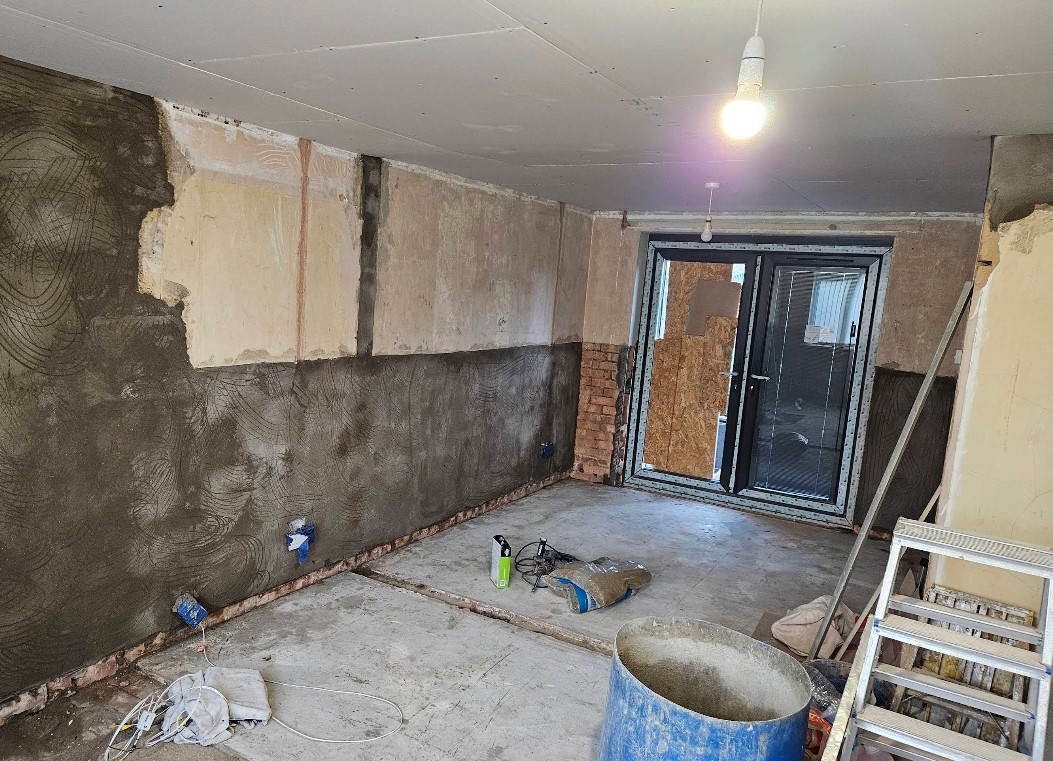
This involves applying a waterproof slurry directly to walls and floors, forming a barrier against moisture.
Best suited for:
- Solid masonry walls
- Lower-risk groundwater conditions
What best describes you?

Homeowner

Tenant

Management/Lettings Agent

Potential Buyer

Other
It just takes 60 Second
And then you can book a free consultation
Cavity drain membrane systems
These systems manage water rather than blocking it, directing moisture safely to drainage points.
Best suited for:
- Basements and conversions
- Properties with ongoing water pressure
Both options may be recommended as part of structural waterproofing services ealing, depending on the property design and usage.
How much does structural waterproofing cost?
Costs depend on access, room size, and system type. The table below outlines realistic pricing guidance for 2026.
| Waterproofing Type | Typical Cost Range | Suitable For |
| Cementitious tanking | £80 – £120 per m² | Low to moderate risk areas |
| Cavity membrane system | £120 – £180 per m² | High-risk or habitable spaces |
| Combined systems | £180 – £250 per m² | Complex or long-term protection |
A professional survey ensures costs are accurate and proportionate.
What should be included in a waterproofing quote?
A detailed quote helps you compare providers fairly. It should clearly explain what work is being carried out and why.
A reliable quote usually includes:
- Survey findings and moisture risks
- Recommended system and justification
- Installation process and timeframe
- Drainage or pump requirements if needed
- Making good after installation
Working with a qualified structural waterproofing specialist reduces the risk of unsuitable or incomplete work.
How long does installation usually take?
Installation time varies depending on system type and room size:
- Small tanking jobs: 2–3 days
- Membrane installations: 3–7 days
- Complex basement systems: up to 2 weeks
Most disruption occurs during preparation, with minimal maintenance required once installed.
Is structural waterproofing guaranteed?
Most professional systems are installed with long-term guarantees, provided maintenance requirements are followed. This is especially important for basement conversions and habitable spaces.
Guarantees often cover:
- System performance
- Materials used
- Installation workmanship
Always confirm warranty terms before proceeding.
Example scenario: St Albans basement conversion
A semi-detached home in St Albans planned to convert an existing cellar into a home office. Moisture readings showed ongoing groundwater pressure.
A cavity drain membrane system was installed, directing water safely to a drainage channel. The room was successfully converted into a dry, usable space with long-term protection in place. Similar solutions are often included within structural waterproofing services ealing where comparable conditions exist.
Related articles

What best describes you?
Homeowner
Tenant
Management/Lettings Agent
Potential Buyer
Other
At a glance
Structural Waterproofing in St Albans: Systems, Costs & InstallationStructural Waterproofing Services in St Albans: Costs and Installation Options
Structural waterproofing plays a vital role in protecting homes from persistent damp and water ingress. In areas with older housing stock, basements, or below-ground rooms, waterproofing is often essential rather than optional. For homeowners in St Albans, understanding available systems and realistic costs helps avoid ineffective short-term fixes.
This guide explains how structural waterproofing works, what installation involves, and how to choose the right solution for your property.
What is structural waterproofing?
Structural waterproofing is a method of preventing water from entering a building through walls, floors, or foundations. Unlike surface damp treatments, it is designed to manage groundwater pressure and long-term moisture exposure.
It is commonly used in:
- Basements and cellars
- Converted lower-ground rooms
- Properties with high external ground levels
- Homes with repeated water ingress issues
A qualified structural waterproofing specialist assesses the building structure before recommending a suitable system.
Why do some homes in St Albans need structural waterproofing?
Many properties in St Albans were built before modern damp protection standards existed. Combined with clay soil and fluctuating water tables, this can increase the risk of water penetration.
Common triggers include:
- Poor drainage around foundations
- Ageing brickwork and mortar
- Inadequate existing damp protection
- Changes in ground levels or extensions
Structural systems provide long-term protection where traditional damp proofing is not enough.
What types of structural waterproofing systems are available?
Different systems suit different property conditions. A professional assessment ensures the correct approach is used.
Cementitious tanking systems
This involves applying a waterproof slurry directly to walls and floors, forming a barrier against moisture.
Best suited for:
- Solid masonry walls
- Lower-risk groundwater conditions
What best describes you?
Homeowner
Tenant
Management/Lettings Agent
Potential Buyer
Other
It just takes 60 Second
And then you can book a free consultation
Cavity drain membrane systems
These systems manage water rather than blocking it, directing moisture safely to drainage points.
Best suited for:
- Basements and conversions
- Properties with ongoing water pressure
Both options may be recommended as part of structural waterproofing services ealing, depending on the property design and usage.
How much does structural waterproofing cost?
Costs depend on access, room size, and system type. The table below outlines realistic pricing guidance for 2026.
| Waterproofing Type | Typical Cost Range | Suitable For |
| Cementitious tanking | £80 – £120 per m² | Low to moderate risk areas |
| Cavity membrane system | £120 – £180 per m² | High-risk or habitable spaces |
| Combined systems | £180 – £250 per m² | Complex or long-term protection |
A professional survey ensures costs are accurate and proportionate.
What should be included in a waterproofing quote?
A detailed quote helps you compare providers fairly. It should clearly explain what work is being carried out and why.
A reliable quote usually includes:
- Survey findings and moisture risks
- Recommended system and justification
- Installation process and timeframe
- Drainage or pump requirements if needed
- Making good after installation
Working with a qualified structural waterproofing specialist reduces the risk of unsuitable or incomplete work.
How long does installation usually take?
Installation time varies depending on system type and room size:
- Small tanking jobs: 2–3 days
- Membrane installations: 3–7 days
- Complex basement systems: up to 2 weeks
Most disruption occurs during preparation, with minimal maintenance required once installed.
Is structural waterproofing guaranteed?
Most professional systems are installed with long-term guarantees, provided maintenance requirements are followed. This is especially important for basement conversions and habitable spaces.
Guarantees often cover:
- System performance
- Materials used
- Installation workmanship
Always confirm warranty terms before proceeding.
Example scenario: St Albans basement conversion
A semi-detached home in St Albans planned to convert an existing cellar into a home office. Moisture readings showed ongoing groundwater pressure.
A cavity drain membrane system was installed, directing water safely to a drainage channel. The room was successfully converted into a dry, usable space with long-term protection in place. Similar solutions are often included within structural waterproofing services ealing where comparable conditions exist.
Related articles
What best describes you?
Homeowner
Tenant
Management/Lettings Agent
Potential Buyer