
How Dry Rot and Wet Rot Impact Structural Stability and Property Value
Timber decay is a serious concern for UK homeowners. Dry rot and wet rot not only damage wooden structures but can also affect a property’s overall stability and value.

Why you can trust our content
At a glance
Understanding the differences between these two types of rot, how they spread, and the associated repair costs is crucial for keeping a home safe and maintaining its market value.
Rot is more than just an aesthetic issue. Left unchecked, it can weaken beams, floors, and joists, leading to expensive structural repairs. In this guide, we’ll explore how dry rot and wet rot behave, what makes them different, and how homeowners can effectively address these problems with professional help.
If you suspect timber decay in your property, consulting a wet rot company early can prevent further damage and help you plan a cost-effective solution.
What Is Dry Rot and How Does It Develop?
Dry rot is caused by the fungus Serpula lacrymans, which thrives in damp but not overly wet timber. It tends to spread aggressively through wood and even masonry, causing structural compromise if untreated.
Signs of dry rot include:
- Crumbling or cracking timber
- Brown, powdery patches on beams or joists
- Fungal growth resembling cobwebs or mushroom-like structures
- Musty odours in affected areas
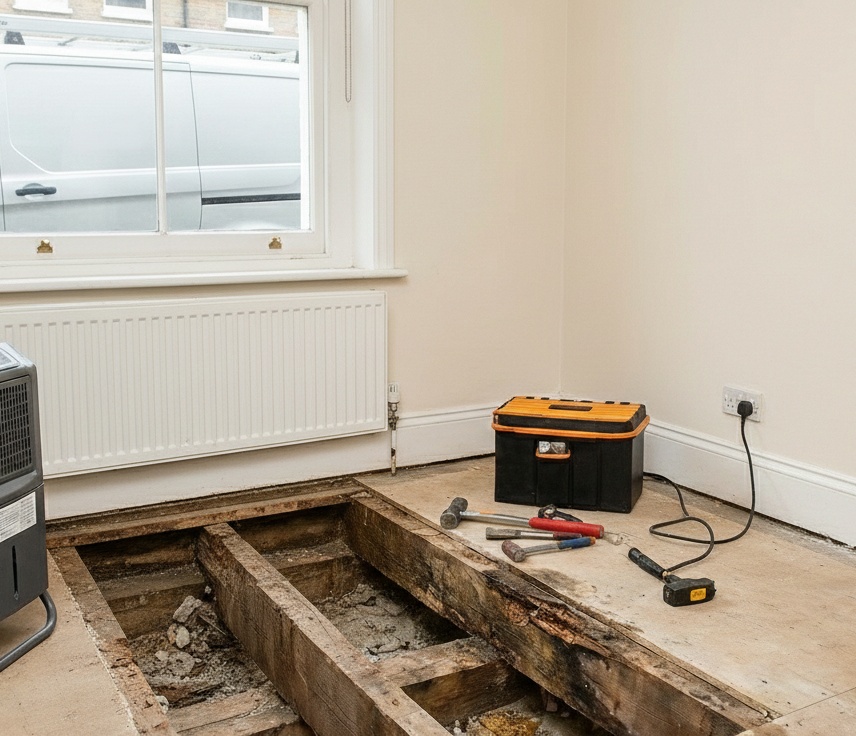
Because dry rot can spread beyond visible timber, professional surveys are essential. A cost to repair dry rot depends on the extent of the affected area and the methods used to treat both timber and surrounding structures.
How Wet Rot Differs and Why It Matters
Wet rot develops in timber exposed to sustained moisture, often from leaks or poor ventilation. Unlike dry rot, wet rot spreads more slowly and generally remains confined to damp areas, but it still weakens structural components if ignored.
Typical wet rot signs include:
- Soft, spongy wood that bends easily
- Dark staining around damp areas
- Flaking paint or surface blistering
While less aggressive than dry rot, wet rot still poses a significant risk. Understanding the cost to fix wet rot early can help homeowners budget and prevent escalation.
Why Rot Impacts Property Value
Structural timber damage can significantly reduce a property’s market value. Potential buyers are wary of hidden decay, as remediation can be expensive and disruptive. Both dry rot and wet rot can affect:
- Floors and joists: Sagging or weakened structures reduce usability.
- Roof timbers: Compromised rafters or beams may require full replacement.
- Walls and skirting: Moisture infiltration and rot can cause cosmetic and structural issues.
Even if repaired, a history of timber decay can impact insurance premiums and resale value. Professional treatment and documentation help reassure buyers and lenders.
What best describes you?

Homeowner

Tenant

Management/Lettings Agent

Potential Buyer

Other
It just takes 60 Second
And then you can book a free consultation
How Are Dry Rot and Wet Rot Treated?
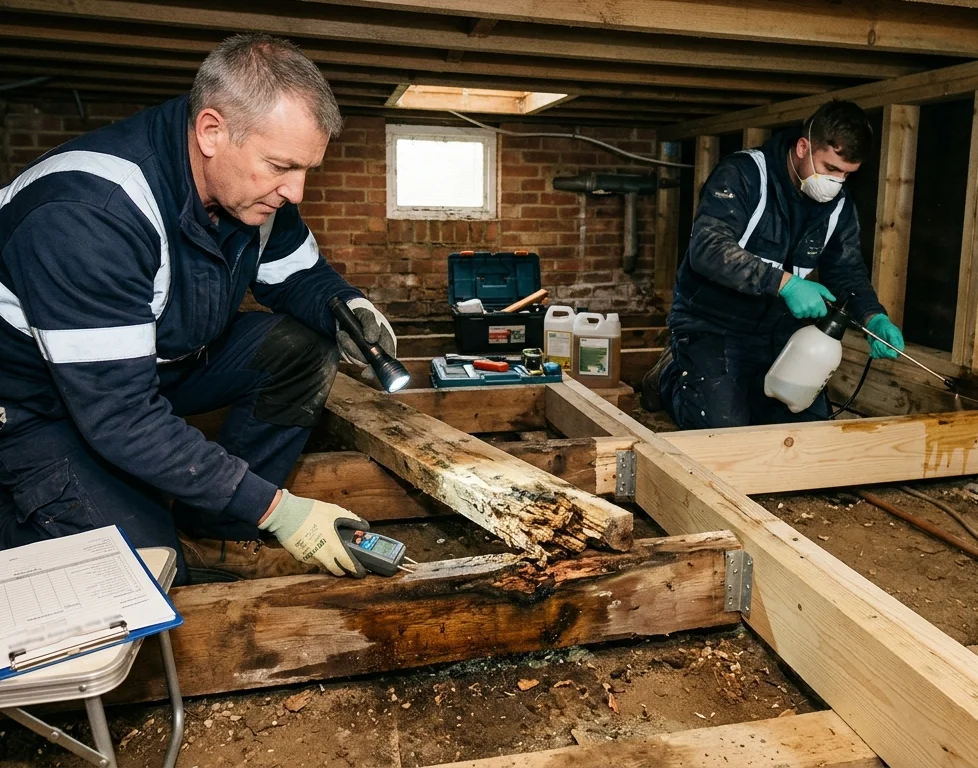
Effective timber treatment requires a combination of removal, protection, and prevention. A typical process involves:
- Survey and assessment: Identifying affected timber and moisture sources.
- Removal or treatment of affected wood: In dry rot, timber may be replaced or treated with fungicidal solutions. Wet rot often requires drying and treatment to prevent recurrence.
- Moisture control: Addressing leaks, improving ventilation, and installing damp proofing where necessary.
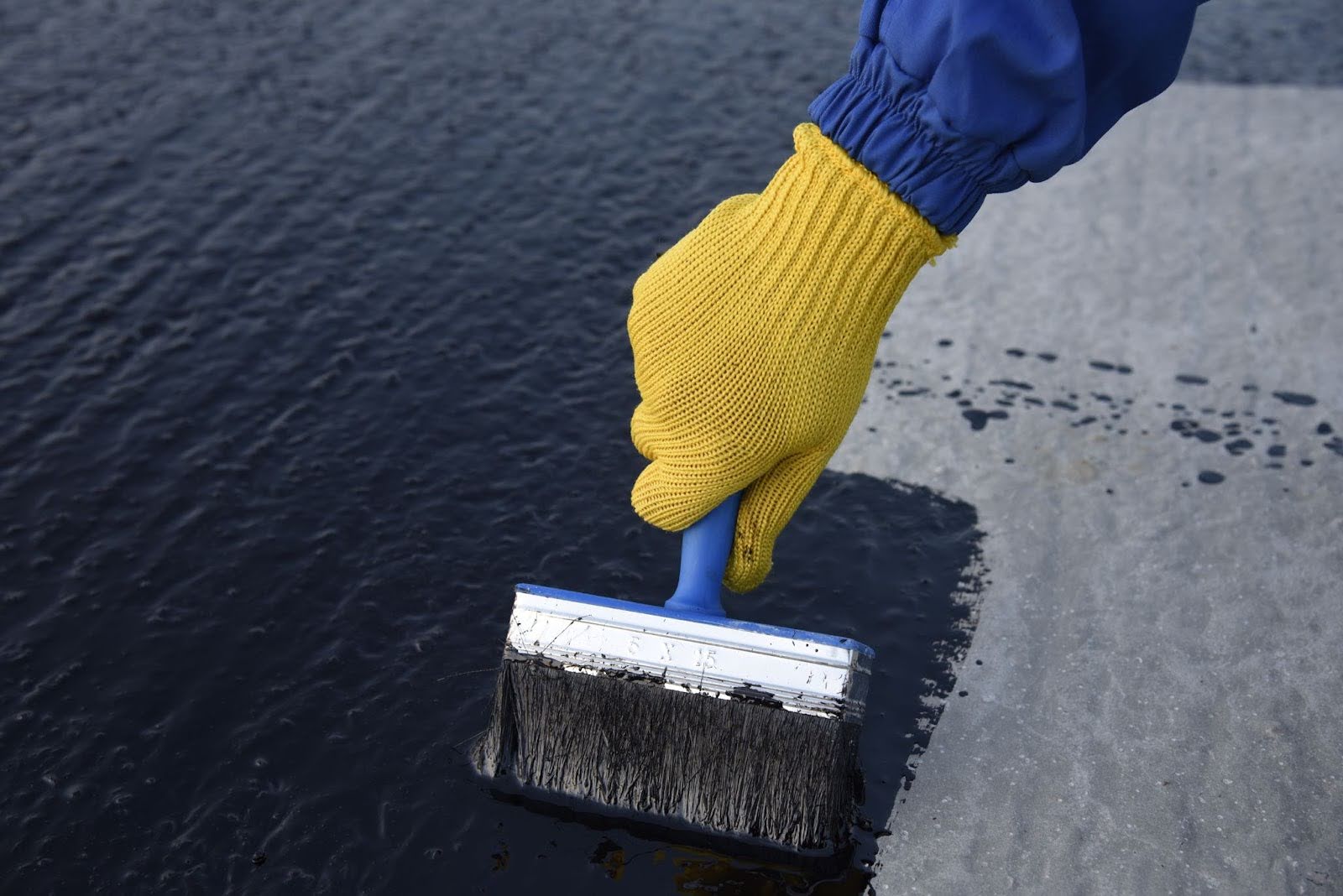
- Preventive measures: Applying timber preservatives to vulnerable areas.
A professional wet rot company ensures that treatments are applied correctly, reducing the likelihood of recurrence and long-term damage.
What Determines the Cost to Repair Dry Rot or Wet Rot?
Several factors influence repair costs, including property size, severity of infestation, and access to affected areas. Typical estimates in the UK include:
| Rot Type | Typical Cost (£) | Notes |
| Dry Rot | 1,500–4,500 | Depends on timber replacement, area affected, and structural work needed |
| Wet Rot | 500–2,000 | Often less expensive, involves timber treatment and moisture control |
| Additional Repairs | Variable | Plaster, skirting, or minor masonry repairs may add costs |
Discussing your property’s condition with a professional helps clarify the cost to repair dry rot or cost to fix wet rot and plan an appropriate budget.
How Can Homeowners Prevent Rot?
Prevention is often more cost-effective than repair. Key strategies include:
- Regularly inspecting timber areas, including basements and attics
- Ensuring adequate ventilation to reduce condensation
- Promptly repairing leaks in roofs, pipes, or gutters
- Applying preservative treatments to exposed timber
Early detection and intervention are essential. Even minor signs of decay should prompt consultation with a damp proofing and timber specialist.
Are Certain Properties More at Risk?
Older properties and period homes are often more susceptible due to traditional timber framing, masonry construction, and less effective damp protection. Modern builds with treated timber and proper damp proofing are generally more resistant, though poor maintenance or leaks can still cause problems.
A property survey by a qualified professional can identify vulnerable areas before rot becomes serious.
Case Study: North London Terraced Home
A two-storey terraced property in North London showed signs of both wet rot in the ground-floor skirting and dry rot in first-floor floor joists. The survey revealed:
- Wet rot caused by a leaking pipe in the kitchen
- Dry rot spread through untreated timber in the joists due to previous moisture issues
The solution involved:
- Treating wet rot affected timber with fungicidal solutions
- Removing and replacing dry rot-affected floor joists
- Addressing the leak and installing ventilation improvements
After completion, the property’s structure was restored, and a follow-up inspection ensured the timber remained sound.
Related articles
What best describes you?
Homeowner
Tenant
Management/Lettings Agent
Potential Buyer
Other
At a glance
Understanding the differences between these two types of rot, how they spread, and the associated repair costs is crucial for keeping a home safe and maintaining its market value.
Rot is more than just an aesthetic issue. Left unchecked, it can weaken beams, floors, and joists, leading to expensive structural repairs. In this guide, we’ll explore how dry rot and wet rot behave, what makes them different, and how homeowners can effectively address these problems with professional help.
If you suspect timber decay in your property, consulting a wet rot company early can prevent further damage and help you plan a cost-effective solution.
What Is Dry Rot and How Does It Develop?
Dry rot is caused by the fungus Serpula lacrymans, which thrives in damp but not overly wet timber. It tends to spread aggressively through wood and even masonry, causing structural compromise if untreated.
Signs of dry rot include:
- Crumbling or cracking timber
- Brown, powdery patches on beams or joists
- Fungal growth resembling cobwebs or mushroom-like structures
- Musty odours in affected areas
Because dry rot can spread beyond visible timber, professional surveys are essential. A cost to repair dry rot depends on the extent of the affected area and the methods used to treat both timber and surrounding structures.
How Wet Rot Differs and Why It Matters
Wet rot develops in timber exposed to sustained moisture, often from leaks or poor ventilation. Unlike dry rot, wet rot spreads more slowly and generally remains confined to damp areas, but it still weakens structural components if ignored.
Typical wet rot signs include:
- Soft, spongy wood that bends easily
- Dark staining around damp areas
- Flaking paint or surface blistering
While less aggressive than dry rot, wet rot still poses a significant risk. Understanding the cost to fix wet rot early can help homeowners budget and prevent escalation.
Why Rot Impacts Property Value
Structural timber damage can significantly reduce a property’s market value. Potential buyers are wary of hidden decay, as remediation can be expensive and disruptive. Both dry rot and wet rot can affect:
- Floors and joists: Sagging or weakened structures reduce usability.
- Roof timbers: Compromised rafters or beams may require full replacement.
- Walls and skirting: Moisture infiltration and rot can cause cosmetic and structural issues.
Even if repaired, a history of timber decay can impact insurance premiums and resale value. Professional treatment and documentation help reassure buyers and lenders.
What best describes you?
Homeowner
Tenant
Management/Lettings Agent
Potential Buyer
Other
It just takes 60 Second
And then you can book a free consultation
How Are Dry Rot and Wet Rot Treated?
Effective timber treatment requires a combination of removal, protection, and prevention. A typical process involves:
- Survey and assessment: Identifying affected timber and moisture sources.
- Removal or treatment of affected wood: In dry rot, timber may be replaced or treated with fungicidal solutions. Wet rot often requires drying and treatment to prevent recurrence.
- Moisture control: Addressing leaks, improving ventilation, and installing damp proofing where necessary.
- Preventive measures: Applying timber preservatives to vulnerable areas.
A professional wet rot company ensures that treatments are applied correctly, reducing the likelihood of recurrence and long-term damage.
What Determines the Cost to Repair Dry Rot or Wet Rot?
Several factors influence repair costs, including property size, severity of infestation, and access to affected areas. Typical estimates in the UK include:
| Rot Type | Typical Cost (£) | Notes |
| Dry Rot | 1,500–4,500 | Depends on timber replacement, area affected, and structural work needed |
| Wet Rot | 500–2,000 | Often less expensive, involves timber treatment and moisture control |
| Additional Repairs | Variable | Plaster, skirting, or minor masonry repairs may add costs |
Discussing your property’s condition with a professional helps clarify the cost to repair dry rot or cost to fix wet rot and plan an appropriate budget.
How Can Homeowners Prevent Rot?
Prevention is often more cost-effective than repair. Key strategies include:
- Regularly inspecting timber areas, including basements and attics
- Ensuring adequate ventilation to reduce condensation
- Promptly repairing leaks in roofs, pipes, or gutters
- Applying preservative treatments to exposed timber
Early detection and intervention are essential. Even minor signs of decay should prompt consultation with a damp proofing and timber specialist.
Are Certain Properties More at Risk?
Older properties and period homes are often more susceptible due to traditional timber framing, masonry construction, and less effective damp protection. Modern builds with treated timber and proper damp proofing are generally more resistant, though poor maintenance or leaks can still cause problems.
A property survey by a qualified professional can identify vulnerable areas before rot becomes serious.
Case Study: North London Terraced Home
A two-storey terraced property in North London showed signs of both wet rot in the ground-floor skirting and dry rot in first-floor floor joists. The survey revealed:
- Wet rot caused by a leaking pipe in the kitchen
- Dry rot spread through untreated timber in the joists due to previous moisture issues
The solution involved:
- Treating wet rot affected timber with fungicidal solutions
- Removing and replacing dry rot-affected floor joists
- Addressing the leak and installing ventilation improvements
After completion, the property’s structure was restored, and a follow-up inspection ensured the timber remained sound.
Related articles
What best describes you?
Homeowner
Tenant
Management/Lettings Agent
Potential Buyer