
Condensation in UK homes is more than a seasonal inconvenience—it’s a persistent problem that can damage property, affect indoor air quality, and pose serious health risks. For homeowners, landlords, and developers, understanding and addressing condensation is crucial for long-term building integrity. With the UK’s climate and energy-efficient housing designs, the challenge of managing excess moisture is increasingly common. At the heart of effective treatment is a tailored, professional approach—something Anke Damp Proofing specialises in with its comprehensive condensation control services.
Condensation forms when warm, moisture-rich air meets a cooler surface, causing water droplets to appear. Though seemingly harmless, over time, these droplets can contribute to damp spots, mould growth, and deterioration of structural elements like wooden frames and plaster. This issue is especially widespread in older UK homes, where outdated ventilation systems can no longer cope with today’s lifestyle demands. Ironically, modern insulation upgrades can also trap moisture indoors if ventilation isn’t improved simultaneously.
This article outlines the causes and signs of condensation, its effects on health and property, and how professional treatment solutions can help. You’ll also discover why Anke Damp Proofing’s approach is particularly suited for the UK market and what to expect from a full-service condensation control assessment.
Understanding Condensation and Its Impact
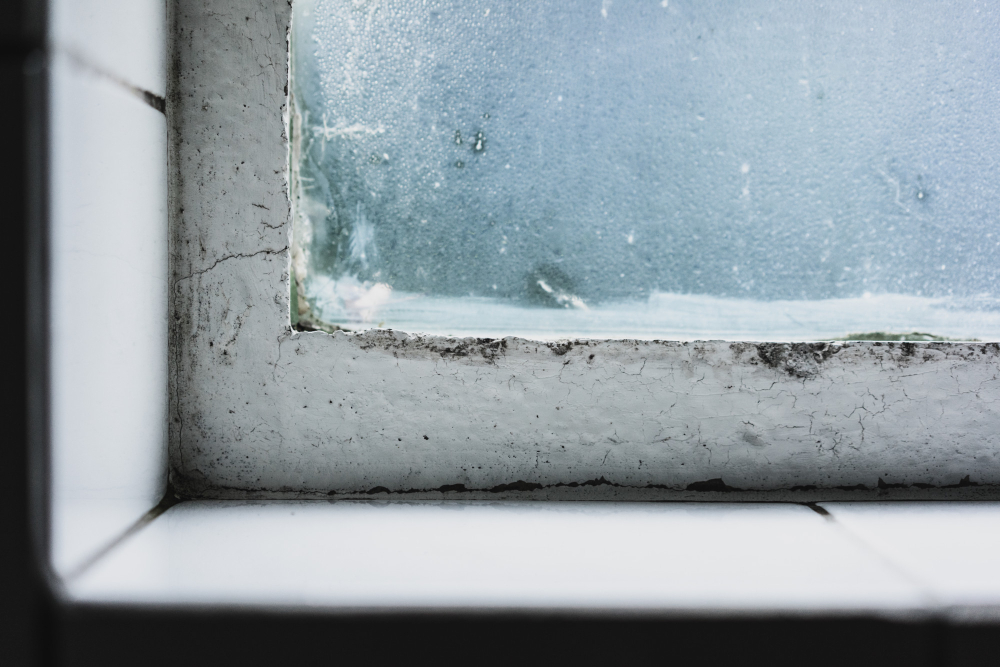
Condensation occurs when humid air comes into contact with cold surfaces such as windows, walls, and ceilings. Everyday activities—cooking, showering, even breathing—release moisture into the air. If a home lacks proper ventilation or insulation, this moisture lingers and settles as water droplets. It’s often visible on windows in the morning or as dark mould patches in corners and behind furniture.
The implications go beyond surface-level damage. Persistent moisture can degrade timber, brickwork, and plaster. It also creates ideal conditions for mould spores, which can aggravate asthma and respiratory illnesses. In fact, NHS reports cite poor indoor air quality from mould and damp as a key contributor to childhood asthma in the UK.
Many UK homes, especially those built before 1990, still rely on passive air circulation. Retrofitting double glazing or adding insulation without addressing ventilation can exacerbate condensation issues. When left untreated, this problem leads to costly repairs and depreciates property value.
What Causes Condensation in UK Properties?
The root of condensation lies in excess indoor humidity combined with cool surfaces. However, several specific factors contribute to its development:
- Poor ventilation: Without airflow, moist air stagnates and condenses on surfaces.
- Inadequate insulation: Cold walls, especially in older homes, attract moisture from indoor air.
- Modern airtight designs: Newer homes often lack natural ventilation due to sealed windows and doors.
- Lifestyle habits: Showers, boiling kettles, and drying clothes indoors add litres of moisture to the air daily.
UK weather makes the situation worse. Colder months see drastic differences between indoor and outdoor temperatures, increasing the likelihood of condensation. Homes near coastal or flood-prone areas also face additional challenges from ambient humidity.
Without corrective action, condensation not only damages paintwork and wallpaper but can also seep deep into structural materials. Over time, this can compromise a building’s stability and lead to significant maintenance costs.
Common Signs You Need Condensation Control
Recognising condensation early helps prevent lasting damage. The most obvious sign is water collecting on the inside of windows, particularly in the morning. Other signs include:
- Damp patches on walls and ceilings
- Peeling or bubbling paint and wallpaper
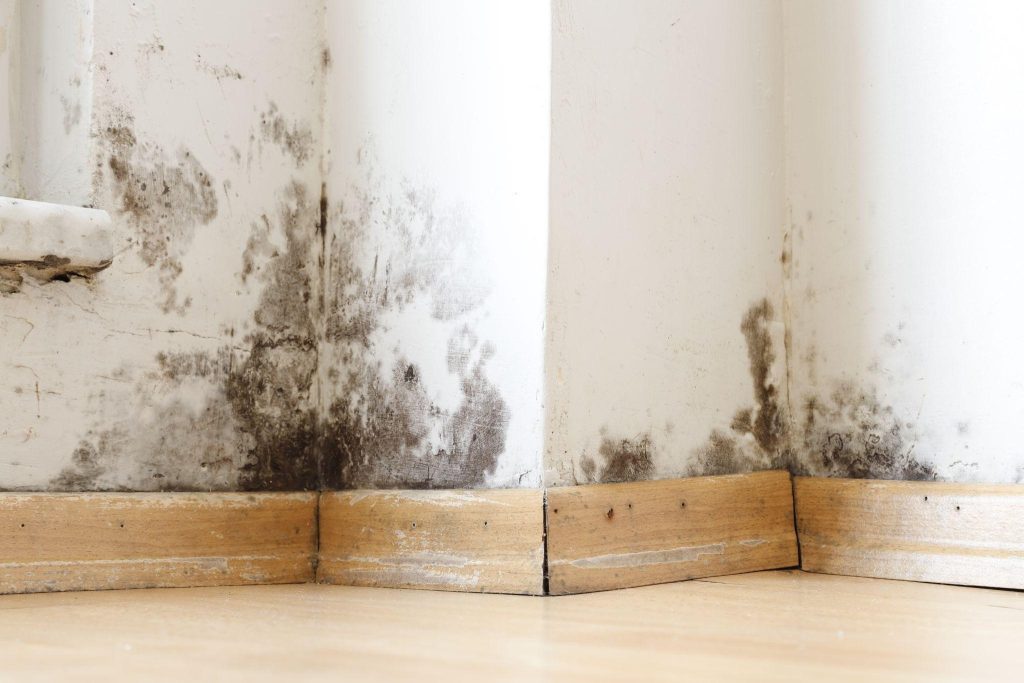
- Black mould in corners or behind furniture
- A musty or damp odour in rooms
- Efflorescence (white powdery residue) on brick or plaster
If these signs occur regularly—even after wiping surfaces—it’s time to investigate further. You may also notice higher energy bills, as moisture-rich air takes more energy to heat. That’s because damp air holds more heat, leading boilers to work harder for longer.
Long-term exposure can rot skirting boards, warp timber frames, and weaken plaster. Regular visual inspections, especially during winter, are key to early detection.
Health Risks of Living with Condensation
Condensation poses serious health risks, particularly for children, the elderly, and anyone with existing respiratory conditions. Mould spores released into the air can trigger:
- Asthma flare-ups
- Allergies and respiratory infections
- Skin irritations and eczema
- “Sick building syndrome,” which causes headaches and fatigue
The World Health Organisation links indoor dampness to a 30–50% increase in respiratory illness risk. Toxic mould species like Stachybotrys chartarum—also known as black mould—thrive in persistently damp areas and can cause severe neurological symptoms in rare cases.
Improving indoor air quality by managing humidity is essential. It’s not just about comfort—it’s a public health issue. Professional interventions that address root causes help restore a healthy, breathable indoor environment for all occupants.
Our Comprehensive Condensation Control Solutions
At Anke Damp Proofing, we offer a tailored range of condensation control services designed specifically for UK housing conditions. Each treatment plan is backed by an expert assessment and built to tackle your unique property layout, ventilation, and moisture levels.
Our process includes:
- Detailed Property Assessment:
We begin with a full damp survey using industry-leading moisture meters and thermal imaging to locate hidden problem areas. - Ventilation Improvements:
Installing extractor fans, passive vents, or mechanical ventilation systems to ensure consistent airflow. - Specialist Treatments:
Where necessary, we apply internal wall membranes or vapour barriers to seal affected surfaces. - Repair and Restoration:
Damaged plaster and timber are repaired or replaced to restore your home’s structural integrity. - Follow-up and Maintenance:
We provide guidance on daily habits and offer follow-up checks to ensure the effectiveness of our solutions.
Whether you own a period cottage or a new-build flat, our tailored approach ensures long-term prevention—not just a quick fix.
Why Choose Anke Damp Proofing?
With years of experience across diverse UK housing stock, we understand that no two properties are alike. Here’s what sets us apart:
- Certified technicians trained in UK building standards
- Non-invasive diagnostic tools
- Long-term warranties on most treatments
- Transparent pricing and detailed post-survey reports
- Proven success in both residential and commercial properties
We’re not just about solving today’s condensation problem. We help futureproof your property against recurring issues with a comprehensive and educational approach.
Ready to act? Contact us today for a free, no-obligation assessment.

Protect Your Home & Health from Condensation with Anke Damp Proofing
Condensation in UK homes is a widespread but preventable issue. By understanding its causes and implementing targeted, professional solutions, you can protect both your health and property value. At Anke Damp Proofing, we combine local knowledge with industry expertise to deliver results that last.Don’t wait until damp becomes dangerous—book your free condensation assessment today with our expert team.