

Dry Rot Experts in Ealing: Why Professional Reports Matter
Dry Rot Experts in Ealing: Why Professional Reports Matter Dry rot is one of those problems that most homeowners have…

Why you can trust our content

At a glance
Dry Rot Experts in Ealing: Why Professional Reports Matter
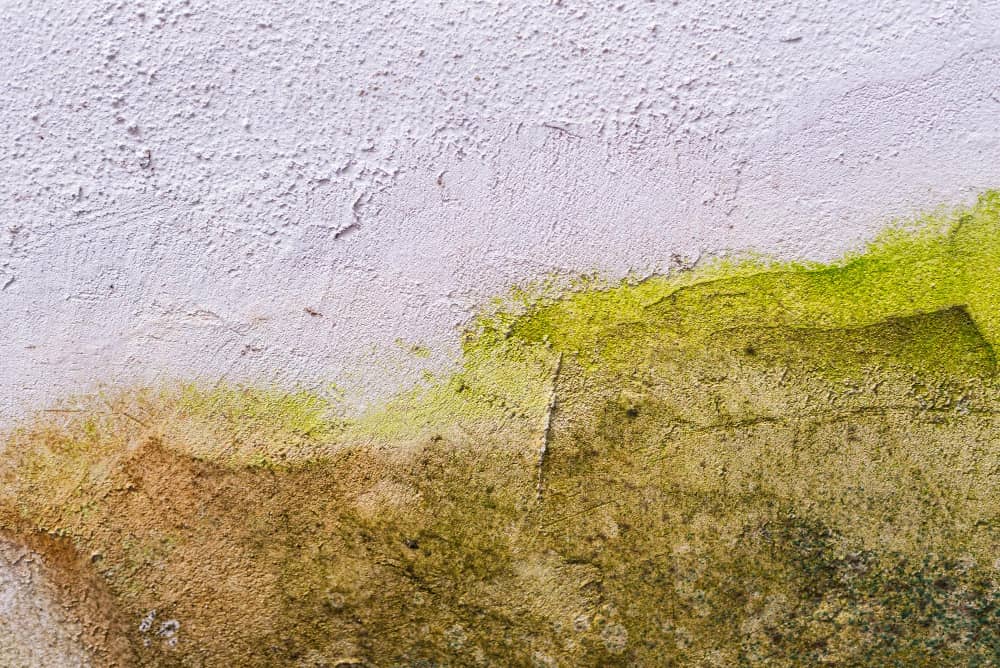
Dry rot is one of those problems that most homeowners have heard of but hope never to face. By the time soft skirtings, flaking paint or a mushroom like smell appear, the fungus behind it may already have weakened hidden timbers.
In places like Ealing, where many homes combine older timber floors with modern refurbishments, getting the diagnosis right first time is crucial. Treating only what you can see might leave serious decay untouched beneath floors or behind walls.
That is why clear, written assessments from local specialists are so important. When you work with local dry rot experts ealing homeowners trust, you are not just paying for someone to look at a patch of damage. You are investing in careful investigation, structured reporting and a repair plan that protects your home for the long term.
If you are worried about possible dry rot, you can contact Anke Damp Proofing to arrange an inspection and professional report for your Ealing property.
What is dry rot and why is it so serious?
Dry rot is a form of fungal decay that attacks timber when the conditions suit it. Despite its name, it needs moisture to get started. Once established, it can travel through wood and, in some cases, across masonry in search of more material to feed on.
Key reasons it is taken so seriously include:
- It weakens the structure of joists, floorboards and roof timbers
- It can spread beyond the original moisture source if left unchecked
- It often develops out of sight, in floor voids or behind finishes
- Repairs can become extensive if the problem is not tackled early
Because of these risks, guesswork is not enough. You need an accurate picture of how far the decay has spread and what has caused it.
What should you expect from local dry rot experts in Ealing?
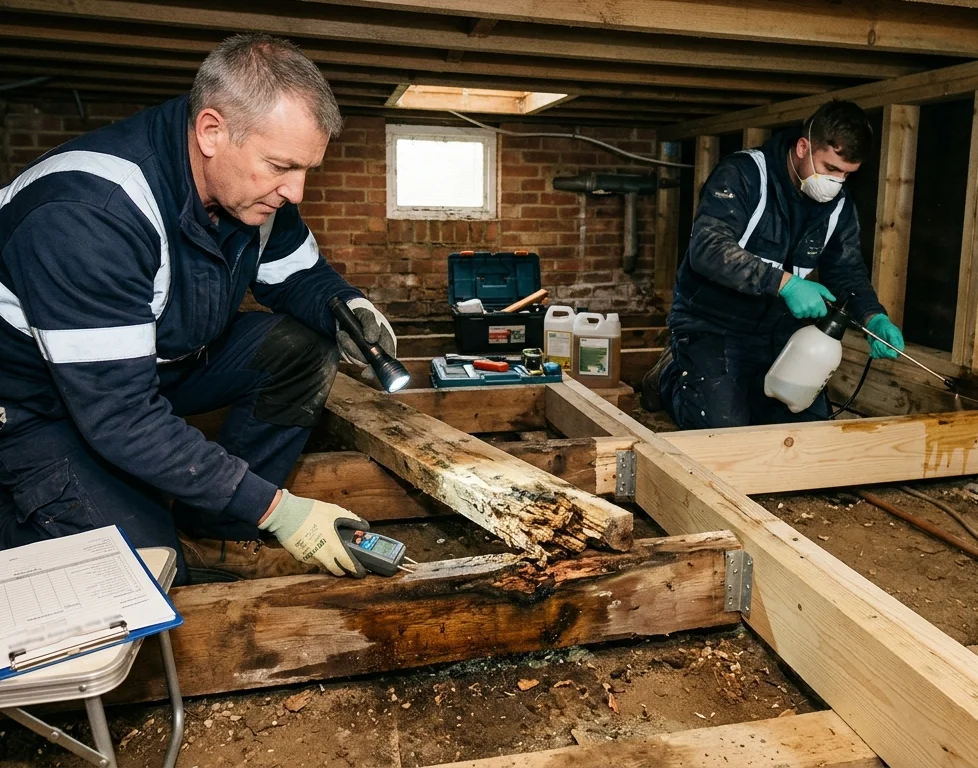
When you invite a specialist into your home, you should expect more than a quick glance at visible damage. Professional support from local dry rot experts ealing residents rely on typically includes:
- A structured inspection of all accessible areas, not just one room
- Moisture readings in surrounding walls and floors
- Checks on ventilation, drainage and external detailing
- Careful tracing of fungal strands or fruiting bodies where present
- Clear explanations of what has been found, in plain language
By the end of the visit, you should already have a verbal outline of the likely causes and the scale of the work that may be required.
Why is a written dry rot report so important?
A verbal explanation is useful on the day, but a written report is what turns the inspection into a practical plan you can act on. A good dry rot survey and report should:
- Summarise the areas inspected and the methods used
- Describe in detail where decay has been found and how severe it is
- Explain the probable causes, such as leaks or poor ventilation
- Set out recommended remedial works in clear, prioritised steps
- Include photographs or sketches to help you see what is being described
This level of detail is not only useful for planning repairs. It also helps you discuss options with builders, lenders, insurers or future buyers if needed.
What does a typical dry rot report contain?
Although formats vary between damp proofing firms, most reports cover similar ground. The table below gives an overview of sections you are likely to see.
| Report Section | What It Usually Covers | Why It Matters |
| Property overview | Age, type and key construction details | Puts findings into context |
| Areas inspected | Rooms, voids and structures that were accessed | Shows how thorough the survey has been |
| Observations and findings | Visible damage, fungal growth, moisture readings | Explains what has actually been discovered |
| Causes and risks | Likely moisture sources and structural implications | Helps you understand urgency and potential impact |
| Recommended works | Specific steps for repair, treatment and prevention | Forms the basis of quotations and project planning |
| Photographs and diagrams | Images of affected areas and key details | Makes technical points much easier to visualise |
When you receive a comprehensive professional report, you have a document you can refer back to, rather than trying to remember everything that was said on the day.
How does a professional report help control costs?
At first glance, paying for expert investigation can feel like an extra expense. In reality, good reporting often saves money over the life of the project.
A structured dry rot survey and report can:
- Prevent unnecessary work in areas that are sound
- Make sure all affected timbers are identified, reducing the risk of repeat problems
- Allow you to obtain comparable quotes based on the same scope
- Help you phase works sensibly if everything cannot be tackled at once
In short, the more clearly the problem is understood, the easier it is to control both the budget and the disruption.[CTA 2] If you want clarity on the true extent of any decay before committing to repairs, you can speak to Anke Damp Proofing about commissioning a detailed report for your Ealing home.
What type of service do you need?
Cavity Wall Insulation

External Wall Insulation System
(Includes Silicone Render)

Silicone Render Only
It just takes 60 Second
And then you can book a free consultation
What happens after you receive your report?
Once you have your report, you are in a much stronger position to move forward with confidence. The usual steps are:
- Review and questions
Take time to read through the findings and highlight any points that are not clear. A good specialist will be happy to talk these through. - Agreeing the scope of works
Decide whether to follow the full set of recommendations or to phase them. Safety critical items, especially structural repairs, should always be prioritised. - Planning the programme
Agree dates, access arrangements and sequencing of works, particularly if you will be living in the property while the repairs are carried out. - Carrying out the remedial works
This may include replacing decayed timbers, improving ventilation, dealing with moisture sources and applying suitable treatments.
Aftercare and monitoring
Once work is complete, you may be given guidance on checks to carry out over time to ensure conditions remain stable.
Example: using a report to resolve dry rot under a hallway floor
A homeowner in Ealing noticed a spongy feel underfoot in the entrance hall and slight cracking to skirting paint. They contacted specialists for help.
During the inspection, decay was found in several floor joists, and moisture readings were high near an old, leaking pipe. The written report:
- Identified which timbers were decayed and which remained sound
- Recommended replacing affected joists and improving sub floor ventilation
- Set out how to deal with the leak and protect adjacent masonry
Armed with this report, the homeowner could compare quotations on a like for like basis. Once repairs were completed in line with the specification, the flooring was reinstated, and the hall felt solid underfoot again.
How can you reduce the risk of dry rot returning?
No treatment can succeed if the original cause of excess moisture remains. Alongside following the recommendations in your report, long term protection usually involves:
- Keeping gutters, downpipes and roof coverings in good repair
- Ensuring external ground levels do not sit too high against walls
- Maintaining good ventilation in floor voids and roof spaces
- Dealing promptly with leaks from plumbing, appliances or heating systems
Regular checks, especially in older timber floored homes, can catch small issues before they turn into major problems.
Related articles

What type of service do you need?
Cavity Wall Insulation
External Wall Insulation System
(Includes Silicone Render)
Silicone Render Only
At a glance
Dry Rot Experts in Ealing: Why Professional Reports Matter
Dry rot is one of those problems that most homeowners have heard of but hope never to face. By the time soft skirtings, flaking paint or a mushroom like smell appear, the fungus behind it may already have weakened hidden timbers.
In places like Ealing, where many homes combine older timber floors with modern refurbishments, getting the diagnosis right first time is crucial. Treating only what you can see might leave serious decay untouched beneath floors or behind walls.
That is why clear, written assessments from local specialists are so important. When you work with local dry rot experts ealing homeowners trust, you are not just paying for someone to look at a patch of damage. You are investing in careful investigation, structured reporting and a repair plan that protects your home for the long term.
If you are worried about possible dry rot, you can contact Anke Damp Proofing to arrange an inspection and professional report for your Ealing property.
What is dry rot and why is it so serious?
Dry rot is a form of fungal decay that attacks timber when the conditions suit it. Despite its name, it needs moisture to get started. Once established, it can travel through wood and, in some cases, across masonry in search of more material to feed on.
Key reasons it is taken so seriously include:
- It weakens the structure of joists, floorboards and roof timbers
- It can spread beyond the original moisture source if left unchecked
- It often develops out of sight, in floor voids or behind finishes
- Repairs can become extensive if the problem is not tackled early
Because of these risks, guesswork is not enough. You need an accurate picture of how far the decay has spread and what has caused it.
What should you expect from local dry rot experts in Ealing?
When you invite a specialist into your home, you should expect more than a quick glance at visible damage. Professional support from local dry rot experts ealing residents rely on typically includes:
- A structured inspection of all accessible areas, not just one room
- Moisture readings in surrounding walls and floors
- Checks on ventilation, drainage and external detailing
- Careful tracing of fungal strands or fruiting bodies where present
- Clear explanations of what has been found, in plain language
By the end of the visit, you should already have a verbal outline of the likely causes and the scale of the work that may be required.
Why is a written dry rot report so important?
A verbal explanation is useful on the day, but a written report is what turns the inspection into a practical plan you can act on. A good dry rot survey and report should:
- Summarise the areas inspected and the methods used
- Describe in detail where decay has been found and how severe it is
- Explain the probable causes, such as leaks or poor ventilation
- Set out recommended remedial works in clear, prioritised steps
- Include photographs or sketches to help you see what is being described
This level of detail is not only useful for planning repairs. It also helps you discuss options with builders, lenders, insurers or future buyers if needed.
What does a typical dry rot report contain?
Although formats vary between damp proofing firms, most reports cover similar ground. The table below gives an overview of sections you are likely to see.
| Report Section | What It Usually Covers | Why It Matters |
| Property overview | Age, type and key construction details | Puts findings into context |
| Areas inspected | Rooms, voids and structures that were accessed | Shows how thorough the survey has been |
| Observations and findings | Visible damage, fungal growth, moisture readings | Explains what has actually been discovered |
| Causes and risks | Likely moisture sources and structural implications | Helps you understand urgency and potential impact |
| Recommended works | Specific steps for repair, treatment and prevention | Forms the basis of quotations and project planning |
| Photographs and diagrams | Images of affected areas and key details | Makes technical points much easier to visualise |
When you receive a comprehensive professional report, you have a document you can refer back to, rather than trying to remember everything that was said on the day.
How does a professional report help control costs?
At first glance, paying for expert investigation can feel like an extra expense. In reality, good reporting often saves money over the life of the project.
A structured dry rot survey and report can:
- Prevent unnecessary work in areas that are sound
- Make sure all affected timbers are identified, reducing the risk of repeat problems
- Allow you to obtain comparable quotes based on the same scope
- Help you phase works sensibly if everything cannot be tackled at once
In short, the more clearly the problem is understood, the easier it is to control both the budget and the disruption.[CTA 2] If you want clarity on the true extent of any decay before committing to repairs, you can speak to Anke Damp Proofing about commissioning a detailed report for your Ealing home.
What type of service do you need?
Cavity Wall Insulation
External Wall Insulation System
(Includes Silicone Render)
Silicone Render Only
It just takes 60 Second
And then you can book a free consultation
What happens after you receive your report?
Once you have your report, you are in a much stronger position to move forward with confidence. The usual steps are:
- Review and questions
Take time to read through the findings and highlight any points that are not clear. A good specialist will be happy to talk these through. - Agreeing the scope of works
Decide whether to follow the full set of recommendations or to phase them. Safety critical items, especially structural repairs, should always be prioritised. - Planning the programme
Agree dates, access arrangements and sequencing of works, particularly if you will be living in the property while the repairs are carried out. - Carrying out the remedial works
This may include replacing decayed timbers, improving ventilation, dealing with moisture sources and applying suitable treatments.
Aftercare and monitoring
Once work is complete, you may be given guidance on checks to carry out over time to ensure conditions remain stable.
Example: using a report to resolve dry rot under a hallway floor
A homeowner in Ealing noticed a spongy feel underfoot in the entrance hall and slight cracking to skirting paint. They contacted specialists for help.
During the inspection, decay was found in several floor joists, and moisture readings were high near an old, leaking pipe. The written report:
- Identified which timbers were decayed and which remained sound
- Recommended replacing affected joists and improving sub floor ventilation
- Set out how to deal with the leak and protect adjacent masonry
Armed with this report, the homeowner could compare quotations on a like for like basis. Once repairs were completed in line with the specification, the flooring was reinstated, and the hall felt solid underfoot again.
How can you reduce the risk of dry rot returning?
No treatment can succeed if the original cause of excess moisture remains. Alongside following the recommendations in your report, long term protection usually involves:
- Keeping gutters, downpipes and roof coverings in good repair
- Ensuring external ground levels do not sit too high against walls
- Maintaining good ventilation in floor voids and roof spaces
- Dealing promptly with leaks from plumbing, appliances or heating systems
Regular checks, especially in older timber floored homes, can catch small issues before they turn into major problems.
Related articles
What type of service do you need?
Cavity Wall Insulation
External Wall Insulation System
(Includes Silicone Render)
Silicone Render Only