Does Home Insurance Cover Damp? A UK Guide for Homeowners
Discovering damp in your home can be alarming, not just because of the potential damage, but also due to the…

Why you can trust our content

At a glance
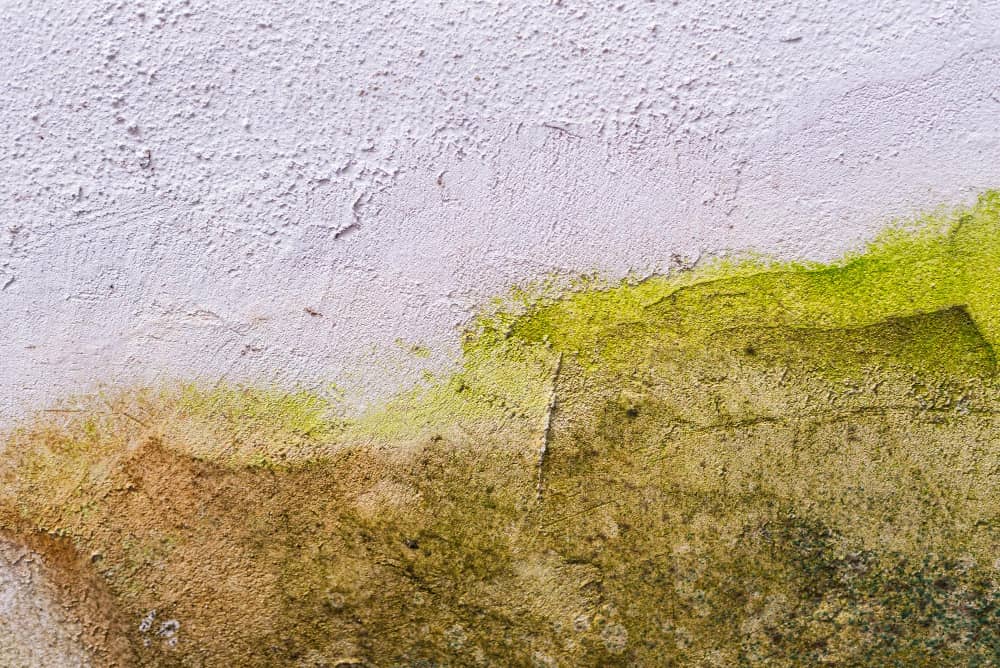
Discovering damp in your home can be alarming, not just because of the potential damage, but also due to the uncertainty over who pays for repairs. One of the first questions homeowners often ask is: “Does my home insurance cover damp?”
The answer isn’t always straightforward. In this guide, we’ll break down the types of damp typically found in UK homes, how insurance companies view them, when you might be covered — and when you’re not. If you’re currently facing a damp issue, this blog will help you understand your options and how to respond.
Why Damp Isn’t Automatically Covered
Most standard home insurance policies in the UK do not cover damp — particularly if it has occurred gradually or is linked to poor maintenance. Insurers often consider damp to be a result of the property not being properly looked after, making it the homeowner’s responsibility.
However, there are exceptions, especially when the damp is the result of something sudden, accidental, or unexpected.
Understanding the Types of Damp and Insurance Implications
| Type of Damp | Likely Covered? | Notes |
| Rising Damp | ❌ No | Seen as a maintenance issue |
| Penetrating Damp | ✅ Possibly | Only if caused by sudden damage (e.g. storm or burst pipe) |
| Condensation | ❌ No | Considered preventable |
| Flood-related Damp | ✅ Yes | Covered if you have flood insurance |
| Accidental Water Leaks | ✅ Yes | If caused by a burst pipe or leaking appliance |
Scenarios Where You May Be Covered
Your insurance provider may approve a claim if:
- The damp is caused by an escape of water, such as a burst pipe or leaking radiator.
- The problem results from storm damage, such as a broken roof tile allowing water ingress.
- A flood has affected the property, and you have flood cover.
- You have an accidental damage add-on, and the damp results from a one-off incident.
Even in these cases, insurers will typically want evidence that you acted promptly and didn’t allow the issue to worsen through neglect.
Scenarios Where You’re Not Covered
Insurers are unlikely to pay out if:
- The damp developed gradually over time.
- The cause is a lack of ventilation or heating.
- The problem stems from blocked gutters or cracked pointing.
- The property has a failed damp proof course (DPC) that has not been repaired.
- You failed to maintain your home or left known issues untreated.
In essence, anything that could be reasonably avoided through property care is classed as the homeowner’s responsibility.
What You Should Do if You Discover Damp
1. Review Your Insurance Policy
Start by checking the wording in your building insurance policy, specifically the sections titled “escape of water,” “accidental damage,” and “excluded risks.”
2. Get a Professional Damp Survey
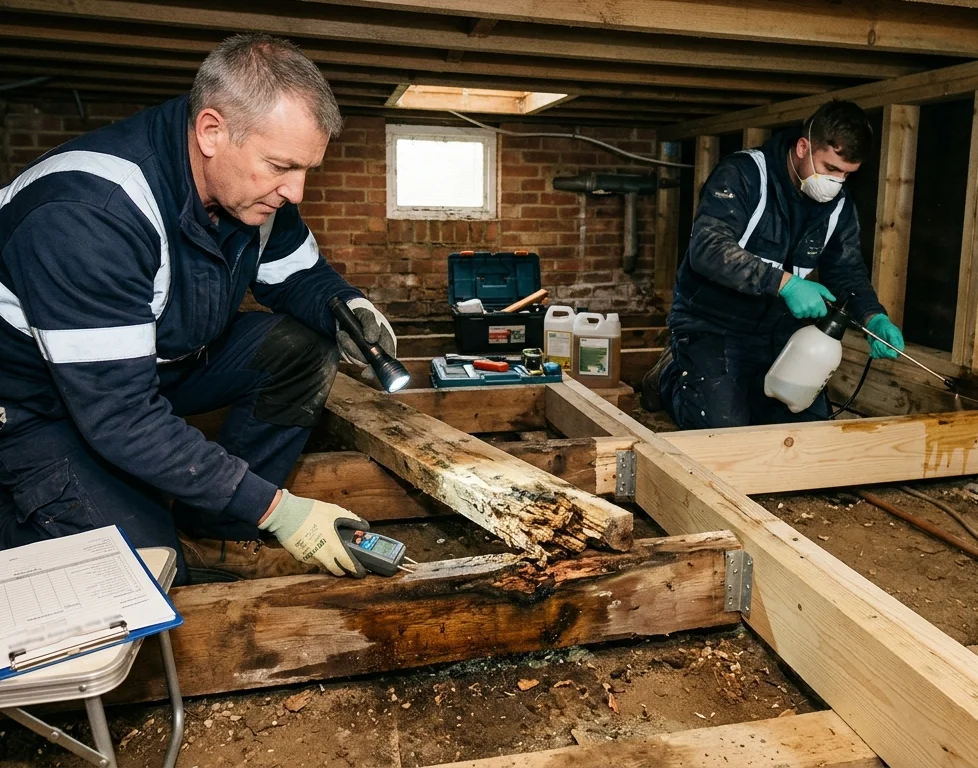
Insurers usually require a written report from a qualified damp specialist. At ANKE Damp Proofing, we offer detailed surveys with photographic evidence and moisture readings to support potential claims.
3. Report the Issue Quickly
Delaying a claim may invalidate it. Once you’ve gathered the facts, notify your insurer and follow their process for assessment.
4. Keep Documentation
Take photos of the affected areas, retain your survey report, and keep records of any repairs or professional inspections.
What best describes you?

Homeowner

Tenant

Management/Lettings Agent

Potential Buyer

Other
It just takes 60 Second
And then you can book a free consultation
Will Insurance Pay for Prevention?
Unfortunately, preventive measures like installing a damp proof course, repointing brickwork, or improving ventilation are not covered. These are considered part of routine property maintenance.
However, if you’re making repairs following a covered incident (like a burst pipe), your insurer may pay for restoration of affected areas, such as replastering or replacing flooring.
What If Your Claim Is Rejected?
If you believe your claim was unfairly rejected:
- Appeal the decision with your insurance provider.
- Provide further evidence (surveys, photos, timelines).
- Escalate the issue to the Financial Ombudsman Service if necessary. They handle disputes between consumers and financial service firms in the UK.
How ANKE Damp Proofing Can Help
We offer homeowners:
- Detailed damp surveys to support insurance claims
- Moisture diagnostics and source tracing
- Clear, jargon-free reporting for insurers and surveyors
- Professional repair and restoration services post-diagnosis
- Advice on long-term prevention and maintenance
We work closely with homeowners, landlords and property managers across the South East to ensure issues are dealt with professionally and transparently.
Final Thoughts
While UK home insurance won’t always cover damp, there are circumstances where you might be protected — especially if the damp is linked to a sudden or accidental event. Knowing how your policy works, acting quickly, and working with a reputable damp specialist can make all the difference.
Need help understanding or evidencing a damp issue for your insurer? Contact ANKE Damp Proofing today to arrange a full inspection and expert support.
Related articles

What best describes you?
Homeowner
Tenant
Management/Lettings Agent
Potential Buyer
Other
At a glance
Discovering damp in your home can be alarming, not just because of the potential damage, but also due to the uncertainty over who pays for repairs. One of the first questions homeowners often ask is: “Does my home insurance cover damp?”
The answer isn’t always straightforward. In this guide, we’ll break down the types of damp typically found in UK homes, how insurance companies view them, when you might be covered — and when you’re not. If you’re currently facing a damp issue, this blog will help you understand your options and how to respond.
Why Damp Isn’t Automatically Covered
Most standard home insurance policies in the UK do not cover damp — particularly if it has occurred gradually or is linked to poor maintenance. Insurers often consider damp to be a result of the property not being properly looked after, making it the homeowner’s responsibility.
However, there are exceptions, especially when the damp is the result of something sudden, accidental, or unexpected.
Understanding the Types of Damp and Insurance Implications
| Type of Damp | Likely Covered? | Notes |
| Rising Damp | ❌ No | Seen as a maintenance issue |
| Penetrating Damp | ✅ Possibly | Only if caused by sudden damage (e.g. storm or burst pipe) |
| Condensation | ❌ No | Considered preventable |
| Flood-related Damp | ✅ Yes | Covered if you have flood insurance |
| Accidental Water Leaks | ✅ Yes | If caused by a burst pipe or leaking appliance |
Scenarios Where You May Be Covered
Your insurance provider may approve a claim if:
- The damp is caused by an escape of water, such as a burst pipe or leaking radiator.
- The problem results from storm damage, such as a broken roof tile allowing water ingress.
- A flood has affected the property, and you have flood cover.
- You have an accidental damage add-on, and the damp results from a one-off incident.
Even in these cases, insurers will typically want evidence that you acted promptly and didn’t allow the issue to worsen through neglect.
Scenarios Where You’re Not Covered
Insurers are unlikely to pay out if:
- The damp developed gradually over time.
- The cause is a lack of ventilation or heating.
- The problem stems from blocked gutters or cracked pointing.
- The property has a failed damp proof course (DPC) that has not been repaired.
- You failed to maintain your home or left known issues untreated.
In essence, anything that could be reasonably avoided through property care is classed as the homeowner’s responsibility.
What You Should Do if You Discover Damp
1. Review Your Insurance Policy
Start by checking the wording in your building insurance policy, specifically the sections titled “escape of water,” “accidental damage,” and “excluded risks.”
2. Get a Professional Damp Survey
Insurers usually require a written report from a qualified damp specialist. At ANKE Damp Proofing, we offer detailed surveys with photographic evidence and moisture readings to support potential claims.
3. Report the Issue Quickly
Delaying a claim may invalidate it. Once you’ve gathered the facts, notify your insurer and follow their process for assessment.
4. Keep Documentation
Take photos of the affected areas, retain your survey report, and keep records of any repairs or professional inspections.
What best describes you?
Homeowner
Tenant
Management/Lettings Agent
Potential Buyer
Other
It just takes 60 Second
And then you can book a free consultation
Will Insurance Pay for Prevention?
Unfortunately, preventive measures like installing a damp proof course, repointing brickwork, or improving ventilation are not covered. These are considered part of routine property maintenance.
However, if you’re making repairs following a covered incident (like a burst pipe), your insurer may pay for restoration of affected areas, such as replastering or replacing flooring.
What If Your Claim Is Rejected?
If you believe your claim was unfairly rejected:
- Appeal the decision with your insurance provider.
- Provide further evidence (surveys, photos, timelines).
- Escalate the issue to the Financial Ombudsman Service if necessary. They handle disputes between consumers and financial service firms in the UK.
How ANKE Damp Proofing Can Help
We offer homeowners:
- Detailed damp surveys to support insurance claims
- Moisture diagnostics and source tracing
- Clear, jargon-free reporting for insurers and surveyors
- Professional repair and restoration services post-diagnosis
- Advice on long-term prevention and maintenance
We work closely with homeowners, landlords and property managers across the South East to ensure issues are dealt with professionally and transparently.
Final Thoughts
While UK home insurance won’t always cover damp, there are circumstances where you might be protected — especially if the damp is linked to a sudden or accidental event. Knowing how your policy works, acting quickly, and working with a reputable damp specialist can make all the difference.
Need help understanding or evidencing a damp issue for your insurer? Contact ANKE Damp Proofing today to arrange a full inspection and expert support.
Related articles
What best describes you?
Homeowner
Tenant
Management/Lettings Agent
Potential Buyer