

Damp Surveys in St Albans: Are They Really Worth It?
Damp Surveys in St Albans: Are They Really Worth It? Damp and moisture problems can cause serious issues for both…

Why you can trust our content

Your St Albans Damp Survey: Benefits, Process & Quotes
Damp Surveys in St Albans: Are They Really Worth It?
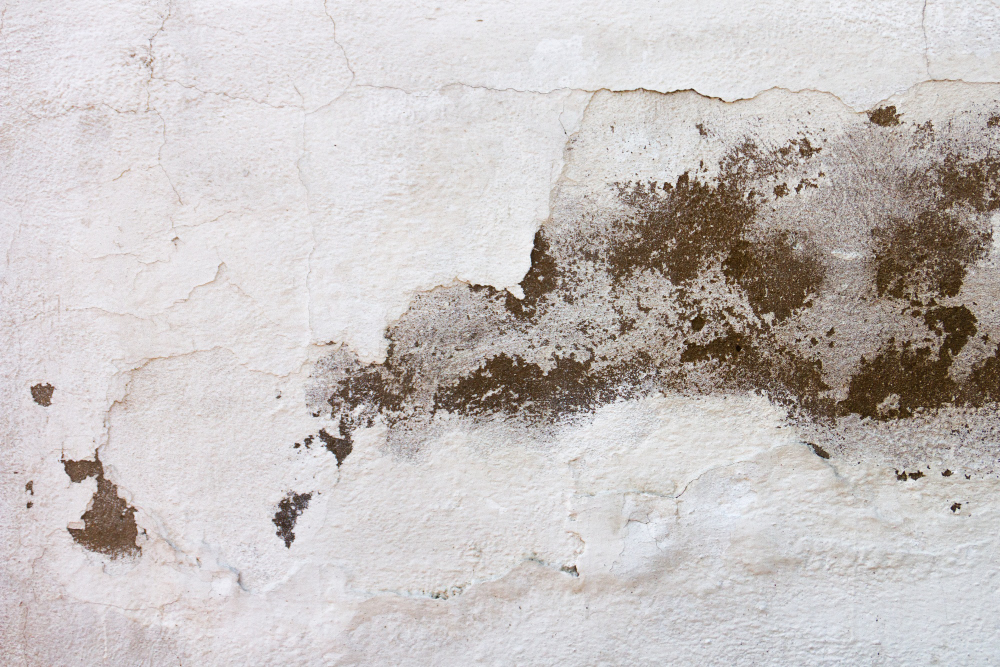
Damp and moisture problems can cause serious issues for both residential and commercial properties in St Albans. From mould growth to structural damage, untreated damp can quickly become expensive to repair.
Many companies, including Anke Damp Proofing, offer a damp survey in St Albans. But are these surveys really worth your time, or is it just a marketing gimmick? In this article, we’ll explore what a damp survey involves, why it’s valuable, and how it can help you get an accurate damp proofing quote in St Albans.
What Is a Damp Survey?
A damp survey is a professional inspection of your property to identify:
- Rising damp
- Penetrating damp
- Condensation issues
- Timber rot and decay
- Plumbing leaks contributing to damp
The survey involves both visual inspection and the use of specialist equipment to measure moisture levels in walls, floors, and timber.
Why a Professional Survey Is Important
Attempting to diagnose damp yourself can be risky. Common signs like peeling paint or condensation may indicate a minor problem or mask a more serious issue. A qualified surveyor can:
- Accurately identify the type and source of damp
- Assess the severity of the problem
- Recommend tailored treatment solutions
- Provide a professional report to support insurance or property transactions
What Happens During a Damp Survey in St Albans
A typical damp survey involves several steps:
- Visual Inspection
- Walls, ceilings, and floors are examined for staining, mould, or peeling paint.
- Timber structures are checked for rot or fungal activity.
- Walls, ceilings, and floors are examined for staining, mould, or peeling paint.
- Moisture Measurement
- Moisture meters detect damp levels in timber and masonry.
- Hygrometers may be used to monitor humidity in problem areas.
- Moisture meters detect damp levels in timber and masonry.
- Identification of Causes
- Surveyors investigate potential sources, including plumbing leaks, poor ventilation, or failing damp proof courses (DPC).
- Surveyors investigate potential sources, including plumbing leaks, poor ventilation, or failing damp proof courses (DPC).
- Documentation
- Findings are recorded with photos and notes.
- A clear report highlights issues, recommended treatments, and cost estimates.
- Findings are recorded with photos and notes.
- Follow-Up Quote
- A damp proofing quote in St Albans is prepared based on the survey findings, tailored to your property.
- A damp proofing quote in St Albans is prepared based on the survey findings, tailored to your property.
Benefits of a Damp Survey
Surveys are more than just a sales tactic. They provide several tangible benefits for property owners:
- Early Detection: Identifying damp early prevents structural damage and costly repairs.
- Accurate Costs: A survey allows a detailed and realistic damp proofing quote.
- Peace of Mind: Professional assessment ensures you’re not making unnecessary repairs.
- Documentation: Useful for insurance claims, property sales, or landlord compliance.
- Tailored Solutions: Ensures treatment is specific to your property rather than a generic fix.
How a Damp Survey Can Save You Money
Damp problems can worsen quickly if ignored. Early detection through a survey can save:
- Structural repair costs: Damp can weaken brickwork and timber, leading to major repairs.
- Interior restoration costs: Water damage can ruin plaster, paint, and flooring.
- Energy costs: Damp walls and floors can reduce insulation efficiency, increasing heating bills.
By investing a small amount of time in a survey, you can prevent much larger expenses in the future.
What best describes you?

Homeowner

Tenant

Management/Lettings Agent

Potential Buyer

Other
It just takes 60 Second
And then you can book a free consultation
Common Damp Problems Identified in St Albans
In St Albans, common issues surveyed include:
- Rising Damp: Moisture from the ground moving up walls, usually identified by tide marks or salt deposits.
- Penetrating Damp: Water entering through the external walls due to cracks or poor pointing.
- Condensation: High humidity leading to mould growth, often in kitchens, bathrooms, and basements.
- Timber Rot: Often occurs in damp, poorly ventilated areas like lofts or basements.
A professional survey ensures all these issues are detected and properly addressed.
How to Choose a Reliable Surveyor in St Albans
When selecting a company for a damp survey in St Albans, consider:
- Experience and Certification: Ensure the company has a proven track record in damp proofing.
- Transparent Reporting: A clear report with photos and findings is essential.
- Follow-Up Support: The company should provide a professional damp proofing quote in St Albans and advice on treatment options.
- Local Knowledge: Understanding local properties, weather patterns, and building styles is critical for accurate assessment.
At Anke Damp Proofing, we combine all these elements to provide reliable, professional surveys.
When Is a Damp Survey Worth It?
A damp survey is particularly beneficial in situations such as:
- Buying or selling a property
- Renovating older homes or commercial buildings
- Experiencing recurring damp problems
- Preparing for insurance claims or compliance inspections
- Wanting a professional assessment before committing to treatment
In most cases, the survey pays for itself by preventing costly mistakes or unnecessary repairs.
What to Expect from a Damp Proofing Quote in St Albans
Once the survey is complete, you will receive a professional damp proofing quote. Key aspects of a good quote include:
- Detailed breakdown of work required
- Costs for materials and labour
- Timeline for completion
- Warranty and guarantee details
- Recommended maintenance or follow-up inspections
A transparent quote ensures there are no surprises and helps you make an informed decision.
Tips for Preparing for Your Survey
To make the most of your survey:
- Clear clutter from areas to be inspected
- Note any recent leaks or water problems
- List areas of visible damp or mould
- Have documentation of past repairs if available
- Prepare questions for the surveyor about methods and costs
Proper preparation helps the surveyor provide a thorough assessment.
Related articles

What best describes you?
Homeowner
Tenant
Management/Lettings Agent
Potential Buyer
Other
Your St Albans Damp Survey: Benefits, Process & Quotes
Damp Surveys in St Albans: Are They Really Worth It?
Damp and moisture problems can cause serious issues for both residential and commercial properties in St Albans. From mould growth to structural damage, untreated damp can quickly become expensive to repair.
Many companies, including Anke Damp Proofing, offer a damp survey in St Albans. But are these surveys really worth your time, or is it just a marketing gimmick? In this article, we’ll explore what a damp survey involves, why it’s valuable, and how it can help you get an accurate damp proofing quote in St Albans.
What Is a Damp Survey?
A damp survey is a professional inspection of your property to identify:
- Rising damp
- Penetrating damp
- Condensation issues
- Timber rot and decay
- Plumbing leaks contributing to damp
The survey involves both visual inspection and the use of specialist equipment to measure moisture levels in walls, floors, and timber.
Why a Professional Survey Is Important
Attempting to diagnose damp yourself can be risky. Common signs like peeling paint or condensation may indicate a minor problem or mask a more serious issue. A qualified surveyor can:
- Accurately identify the type and source of damp
- Assess the severity of the problem
- Recommend tailored treatment solutions
- Provide a professional report to support insurance or property transactions
What Happens During a Damp Survey in St Albans
A typical damp survey involves several steps:
- Visual Inspection
- Walls, ceilings, and floors are examined for staining, mould, or peeling paint.
- Timber structures are checked for rot or fungal activity.
- Walls, ceilings, and floors are examined for staining, mould, or peeling paint.
- Moisture Measurement
- Moisture meters detect damp levels in timber and masonry.
- Hygrometers may be used to monitor humidity in problem areas.
- Moisture meters detect damp levels in timber and masonry.
- Identification of Causes
- Surveyors investigate potential sources, including plumbing leaks, poor ventilation, or failing damp proof courses (DPC).
- Surveyors investigate potential sources, including plumbing leaks, poor ventilation, or failing damp proof courses (DPC).
- Documentation
- Findings are recorded with photos and notes.
- A clear report highlights issues, recommended treatments, and cost estimates.
- Findings are recorded with photos and notes.
- Follow-Up Quote
- A damp proofing quote in St Albans is prepared based on the survey findings, tailored to your property.
- A damp proofing quote in St Albans is prepared based on the survey findings, tailored to your property.
Benefits of a Damp Survey
Surveys are more than just a sales tactic. They provide several tangible benefits for property owners:
- Early Detection: Identifying damp early prevents structural damage and costly repairs.
- Accurate Costs: A survey allows a detailed and realistic damp proofing quote.
- Peace of Mind: Professional assessment ensures you’re not making unnecessary repairs.
- Documentation: Useful for insurance claims, property sales, or landlord compliance.
- Tailored Solutions: Ensures treatment is specific to your property rather than a generic fix.
How a Damp Survey Can Save You Money
Damp problems can worsen quickly if ignored. Early detection through a survey can save:
- Structural repair costs: Damp can weaken brickwork and timber, leading to major repairs.
- Interior restoration costs: Water damage can ruin plaster, paint, and flooring.
- Energy costs: Damp walls and floors can reduce insulation efficiency, increasing heating bills.
By investing a small amount of time in a survey, you can prevent much larger expenses in the future.
What best describes you?
Homeowner
Tenant
Management/Lettings Agent
Potential Buyer
Other
It just takes 60 Second
And then you can book a free consultation
Common Damp Problems Identified in St Albans
In St Albans, common issues surveyed include:
- Rising Damp: Moisture from the ground moving up walls, usually identified by tide marks or salt deposits.
- Penetrating Damp: Water entering through the external walls due to cracks or poor pointing.
- Condensation: High humidity leading to mould growth, often in kitchens, bathrooms, and basements.
- Timber Rot: Often occurs in damp, poorly ventilated areas like lofts or basements.
A professional survey ensures all these issues are detected and properly addressed.
How to Choose a Reliable Surveyor in St Albans
When selecting a company for a damp survey in St Albans, consider:
- Experience and Certification: Ensure the company has a proven track record in damp proofing.
- Transparent Reporting: A clear report with photos and findings is essential.
- Follow-Up Support: The company should provide a professional damp proofing quote in St Albans and advice on treatment options.
- Local Knowledge: Understanding local properties, weather patterns, and building styles is critical for accurate assessment.
At Anke Damp Proofing, we combine all these elements to provide reliable, professional surveys.
When Is a Damp Survey Worth It?
A damp survey is particularly beneficial in situations such as:
- Buying or selling a property
- Renovating older homes or commercial buildings
- Experiencing recurring damp problems
- Preparing for insurance claims or compliance inspections
- Wanting a professional assessment before committing to treatment
In most cases, the survey pays for itself by preventing costly mistakes or unnecessary repairs.
What to Expect from a Damp Proofing Quote in St Albans
Once the survey is complete, you will receive a professional damp proofing quote. Key aspects of a good quote include:
- Detailed breakdown of work required
- Costs for materials and labour
- Timeline for completion
- Warranty and guarantee details
- Recommended maintenance or follow-up inspections
A transparent quote ensures there are no surprises and helps you make an informed decision.
Tips for Preparing for Your Survey
To make the most of your survey:
- Clear clutter from areas to be inspected
- Note any recent leaks or water problems
- List areas of visible damp or mould
- Have documentation of past repairs if available
- Prepare questions for the surveyor about methods and costs
Proper preparation helps the surveyor provide a thorough assessment.
Related articles
What best describes you?
Homeowner
Tenant
Management/Lettings Agent
Potential Buyer