

Comprehensive Guide to Woodworm Treatment and Prevention
June 6, 2025
This guide explores woodworm infestations in the UK by explaining wood boring insects, their life cycle, signs of damage (including evidence of wet rot), and treatment and prevention methods. Homeowners, developers, and construction professionals will learn practical, step‐by‐step approaches to protect timber structures and guard against issues such as wet rot while maintaining structural integrity.
Understanding Wood Boring Insects and Their Impact
Wood boring insects threaten UK structures by causing hidden, progressive damage. Early identification through understanding insect types, life cycles, and damage indicators is crucial for prompt treatment to avoid extensive repair costs.
Identifying Common Types of Wood Boring Insects in the UK
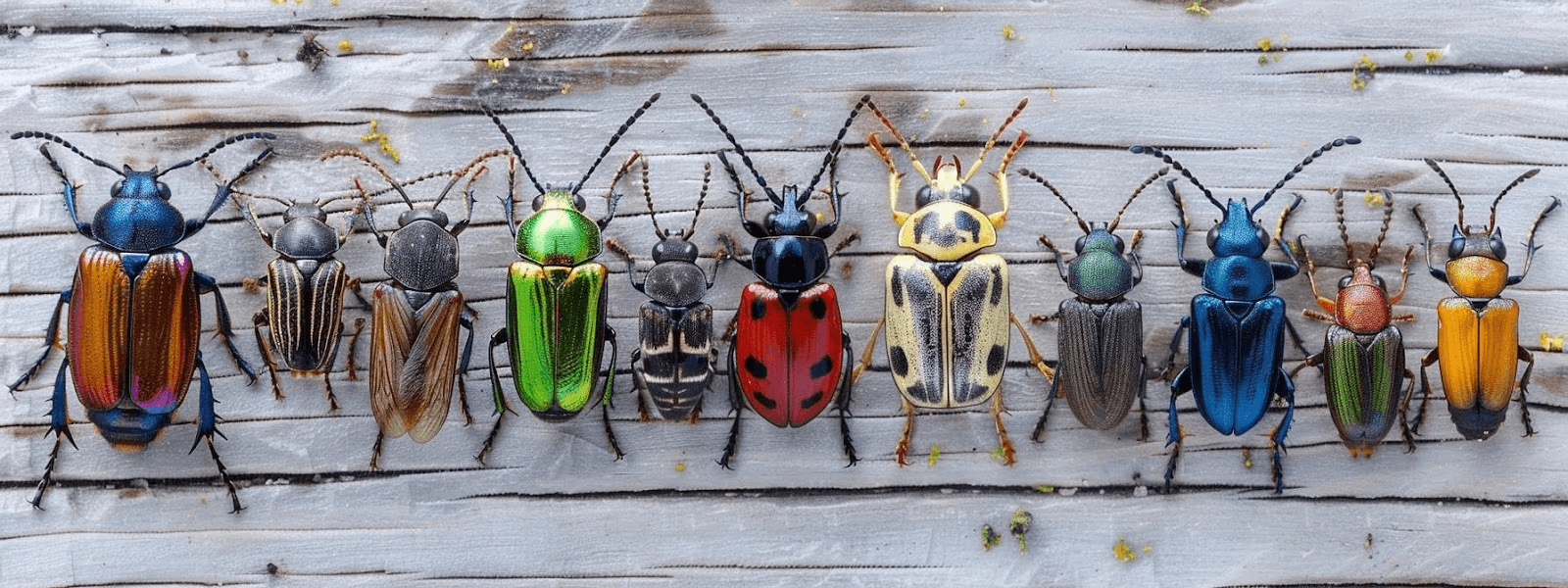
Key species include the deathwatch beetle, powderpost beetle, and longhorn beetle. The powderpost beetle, for example, reduces timber to fine dust, while these pests may be introduced through imported timber or reclaimed wood.
Recognising traits like frass production and tunnel patterns is essential for effective woodworm management and accurate infestation diagnosis.
The Life Cycle of Woodworm Beetles
Woodworm beetles progress from egg to larva (when most damage occurs), then pupation to adult. The larval stage can last years, during which insects gradually enlarge galleries as they feed on wood fibers. Regular inspections help detect the active larval stage and guide timely intervention before structural damage becomes severe.
Recognising Early Signs of Wood Boring Insect Activity
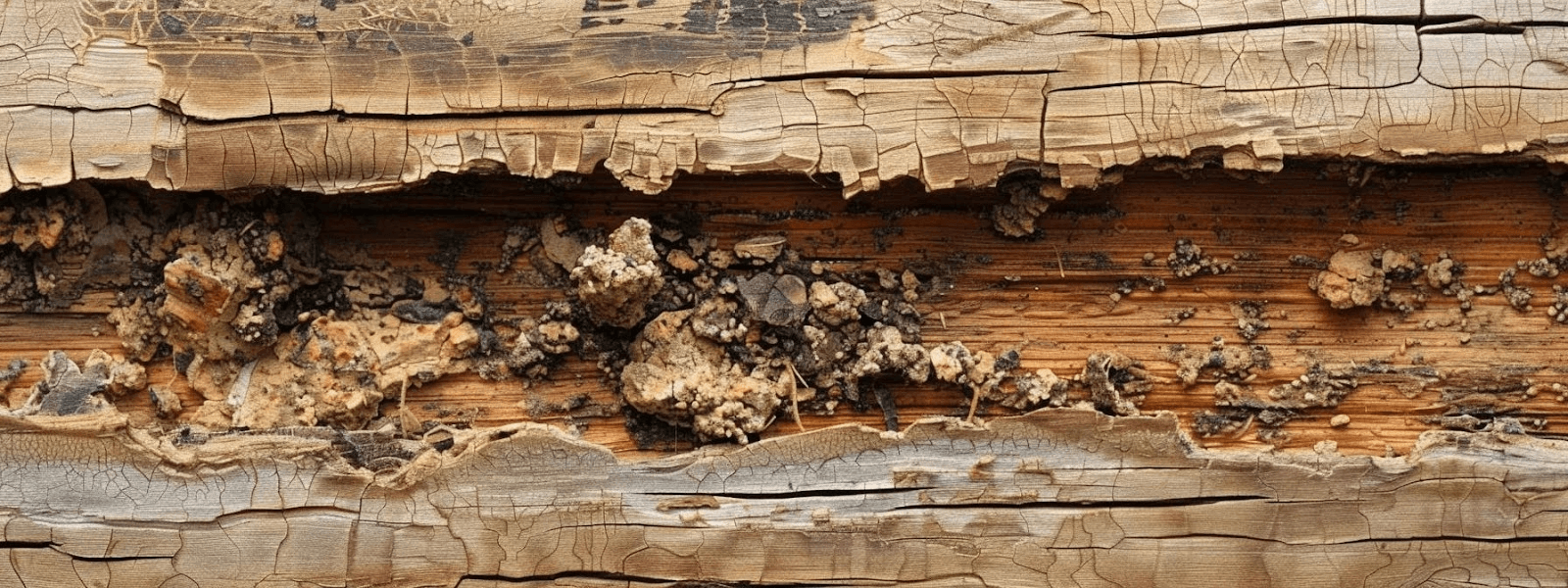
Early indicators include small exit holes, fine frass (wood dust), and subtle surface discoloration. A ticking sound in damp wood, often linked to the deathwatch beetle, also signals potential infestation. Recognising these signs promptly is key to preventing further timber damage.
Assessing the Extent of Timber Damage Caused by Woodworm
Damage assessment involves visual checks and tools like moisture meters and boroscopes. Factors such as exit-hole density, gallery depth, and weakened beam areas help professionals plan repair and treatment strategies, often revealing hidden damage behind surfaces.
Differentiating Active Infestations From Historic Woodworm Damage
Active infestations show fresh frass, living larvae, and new exit holes. In contrast, historical damage is marked by weathered holes with no current activity. This distinction informs whether immediate treatment or simple monitoring or cosmetic repair is sufficient.
Effective Woodworm Treatment Solutions for Your Property
Choosing the right treatment involves product selection, application technique, and ensuring complete timber coverage to halt infestations and protect wood long-term.
Selecting Appropriate Woodworm Treatment Products
Effective products range from boron-based preservatives to permethrin sprays. Boron compounds penetrate deeply and protect wood over time, while permethrin disrupts the nervous system of active insects. Independent tests and reviews often guide proper product usage under various conditions.
Surface Application Woodworm Treatment Techniques
Surface treatments, using brushes or sprayers, work well for accessible areas such as furniture or exposed beams. The product must be evenly applied—often in several coats—so that all galleries are treated, particularly when infestations are moderate.
Injectable Woodworm Treatment for Deeper Penetration
For concealed or deep infestations, injectable methods deliver treatment directly into boreholes. This approach targets larvae hidden within internal galleries where surface sprays cannot reach. It is preferred for structural timbers and high-value items, combining insecticidal action with preservative benefits.
Considering Professional Woodworm Treatment Services
Severe infestations or compromised structural integrity often require professional woodworm treatment. Experts employ diagnostic tools and tailored chemical applications, sometimes offering guarantees to ensure effective long-term protection for large properties or historical buildings.
Understanding the Guarantees Offered With Woodworm Treatment
Treatment providers may offer warranties covering reoccurrence within a set period. These guarantees, based on product efficacy and detailed assessments, offer homeowners peace of mind by ensuring that further treatments are discounted or free if infestation returns.
Step-by-Step Guide to Applying Woodworm Treatment
A systematic treatment approach improves effectiveness and safety. Follow these steps to ensure optimal treatment results.
Preparing Wooden Surfaces for Optimal Treatment Absorption
Clean all debris, dust, and loose fibers. Sanding removes superficial layers to expose untreated wood, while vacuuming or wiping ensures the treatment penetrates properly.
Safety Precautions During Woodworm Treatment Application
Wear protective clothing, gloves, and eye protection when working with toxic woodworm killers. Ensure proper ventilation and follow manufacturer instructions to minimize risks and environmental impact.
Applying Boron-Based Woodworm Killers
Mix and apply boron-based treatments with a brush or sprayer, covering cracks and crevices. These compounds are effective for long-term protection and have lower toxicity than many alternatives.
Using Permethrin Sprays for Woodworm Control
Apply permethrin on dry, low-humidity days to maximize penetration. Ensure both surface and sub-surface areas are covered, as the chemical disrupts insect nervous systems, leading to paralysis and death.
Post-Treatment Care and Ventilation Requirements
Proper ventilation after treatment is essential. Open windows or use fans and dehumidifiers to dry treated areas, and schedule follow-up inspections to check for recurrence and potential mold growth.
Proactive Measures to Prevent Woodworm Infestations
Prevention is the best defense against woodworm. Regular maintenance and environmental control measures minimize infestation risks and preserve timber health.
Maintaining Low Humidity Levels to Deter Wood Boring Insects
Using dehumidifiers, proper insulation, and thermal regulation helps maintain low indoor humidity levels (ideally below 60%). Reduced moisture makes wood less attractive to insects, slowing decay.
Ensuring Adequate Ventilation in Vulnerable Areas
Good airflow in basements, attics, and enclosed spaces minimizes condensation. Install ventilation fans or additional air vents to disperse moisture and reduce infestation opportunities.
Treating New and Reclaimed Timber to Prevent Woodworm
Apply protective sealants or anti-woodworm chemicals on new or reclaimed timber. This preventive measure is especially important for older structures that are already prone to moisture-related vulnerabilities.
Regular Inspections to Catch Early Signs and Prevent Woodworm Spread
Conduct routine inspections of beams, floors, and furniture. Early detection of holes or frass allows for prompt treatment, while professional surveys provide additional protection.
Sealing Cracks and Crevices in Wooden Structures
Seal gaps around windows, doors, and structural joints to block entry points for insects. High-quality sealants help maintain the integrity of previous treatments and prevent future infestations.
Addressing Specific Items and Areas Prone to Woodworm
Different elements require tailored strategies to preserve both function and aesthetics.
Woodworm Treatment for Furniture and Antiques
For valuable antiques and furniture, non-invasive treatment methods that protect delicate finishes are recommended. Low-toxicity chemicals and careful injection treatments help preserve wood integrity.
Managing Wood Boring Insects in Structural Timbers
Structural timbers such as beams and joists need prompt treatment to maintain building stability. Non-destructive testing and, if necessary, reinforcements ensure long-term safety.
Protecting Wooden Flooring From Woodworm Attack
Choose treatments that penetrate deep into wooden floors. Regular cleaning and controlled indoor conditions further protect flooring from infestation and decay.
Woodworm Infestations in Lofts and Roof Voids
Lofts and roof voids benefit from both chemical treatments and improved insulation. Addressing ventilation and moisture issues prevents the spread of infestation into living areas.
Preventing Woodworm in Sheds and Outbuildings
Sheds and garages can act as reservoirs for infestation. Regular treatment, improved air circulation, and sealing gaps are key to preventing spread to primary residences.
When to Seek Professional Assistance for Woodworm Problems
Professional help is advisable when infestations are severe or structural damage is evident.
Recognising Situations Requiring Expert Woodworm Treatment
If multiple areas are affected or damage is extensive, seek professional assessment. Advanced diagnostic tools help identify hidden galleries and provide complete treatment plans.
Choosing a Qualified Timber Preservation Specialist
Select specialists with trusted credentials, strong local experience, and proven treatment success. Reviews, case studies, and guarantees are useful indicators of reliability. You can find reputable support through Anke Damp Proofing, a UK-based expert in woodworm and timber preservation services.
What to Expect During a Professional Woodworm Survey
Professionals conduct visual inspections using moisture meters and boroscopes, providing a detailed treatment plan and cost estimate. Clear communication ensures homeowners understand their options.
Understanding the Costs Associated With Professional Woodworm Eradication
Cost structures vary by infestation severity and timber type. Homeowners should obtain multiple quotes to understand survey, treatment, and maintenance expenses, ensuring long-term protection.
Long-Term Management Plans to Prevent Future Woodworm Issues
Scheduling regular inspections, maintaining environmental controls, and following annual maintenance plans all help safeguard timber and preserve property investment.
Frequently Asked Questions (FAQs)
Final Thoughts
Effective woodworm management relies on early detection, proper treatment, and proactive prevention. Through regular inspections, tailored treatments, and environmental controls, property owners can protect their timber structures, ensuring long-term safety and value while minimizing repair costs.
For expert help, Anke Damp Proofing provides trusted woodworm treatment services throughout the UK.