
Structural Waterproofing Specialist Services: Why Professional Design Matters
Water entering a building is rarely just a cosmetic issue. It can compromise plaster, weaken masonry, damage floors, and in below-ground spaces, create long-term structural risks.

Why you can trust our content
At a glance
That is why waterproofing should never be treated as a quick fix. It is a technical process that must be correctly designed for the specific building and ground conditions involved.
This is where a structural waterproofing specialist plays a critical role. The difference between a well-designed system and a poorly specified one can mean the difference between decades of protection and recurring damp problems.
If you are planning remedial work or a basement conversion, speaking with Anke Damp Proofing for tailored advice can help you avoid costly mistakes.
What does structural waterproofing actually involve?
Structural waterproofing focuses on preventing water ingress through walls, floors, and foundations, particularly in below-ground or high-risk areas.
It typically includes:
- Waterproof barrier systems
- Cavity drain membrane systems
- Tanking systems
- Drainage channels and sump systems
- Damp proof course integration
- External waterproofing measures
Unlike surface-level treatments, these systems are designed to manage hydrostatic pressure and ground moisture.
The goal is long-term protection of the building fabric, not simply covering visible damp.
Why does professional design matter so much?
Can waterproofing fail if it is poorly designed?
Yes.
Waterproofing systems must match:
- Soil conditions
- Water table levels
- Property age and construction type
- Intended use of the space
- Ventilation and condensation control
A structural waterproofing specialist evaluates all of these factors before recommending a system.
Installing the wrong system, or installing the right system incorrectly, can lead to trapped moisture, internal condensation issues, or failure under pressure.
Professional specification protects both the property and the investment being made.
What is structural waterproof membrane installation?
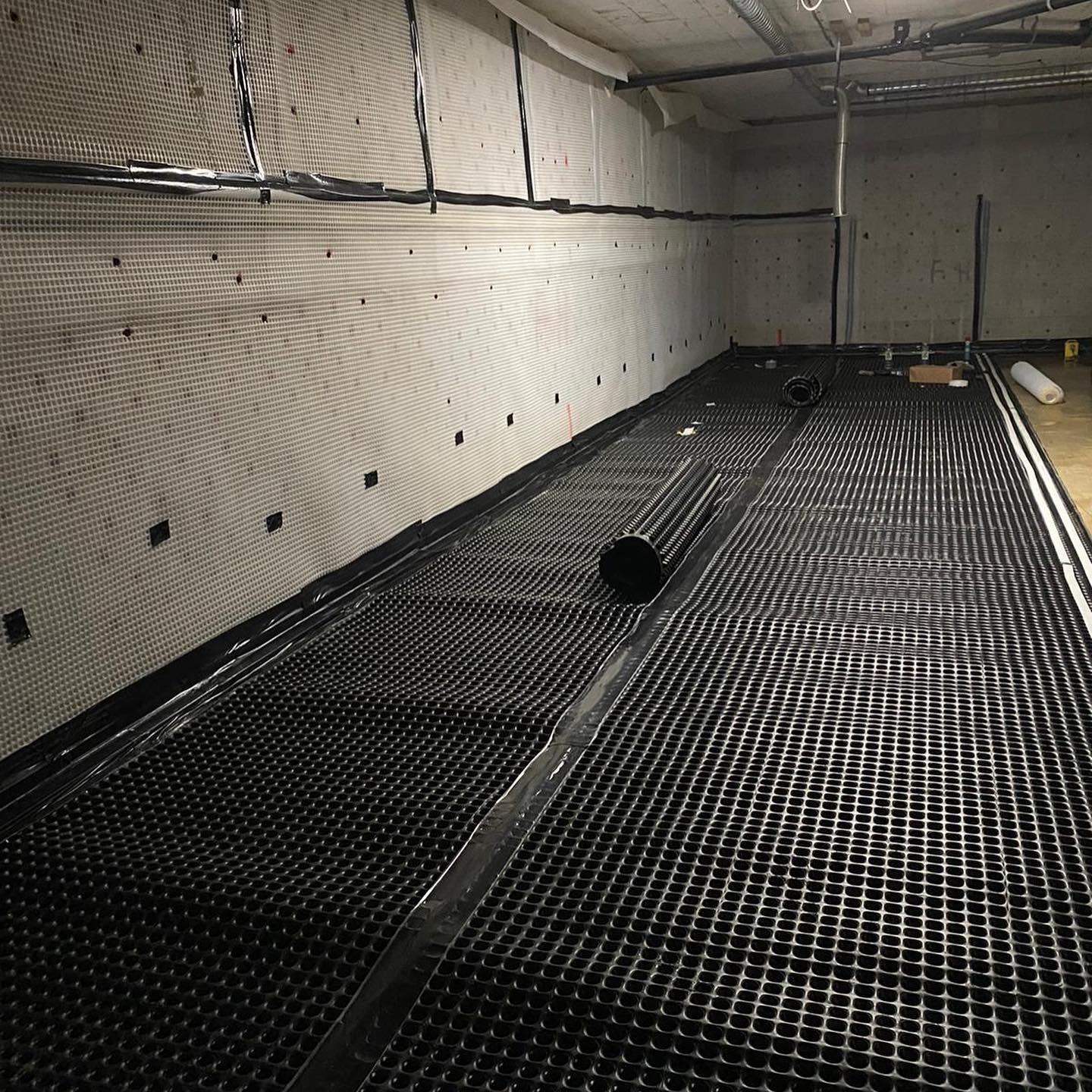
Structural waterproof membrane installation typically refers to cavity drain membrane systems. These systems do not block water entirely. Instead, they manage it.
A membrane is fixed to walls and floors, creating a cavity that allows any incoming moisture to travel safely to drainage channels and sump pumps.
This approach is often used in:
- Basement conversions
- Semi-basement flats
- Lower ground extensions
- Retrofitted waterproofing upgrades
Because membrane systems manage water rather than fight it directly, they are highly effective when designed properly.
However, structural waterproof membrane installation must be detailed carefully at joints, corners, penetrations, and service entries.
Is tanking different from membrane systems?
Yes, and understanding the distinction is important.
Tanking systems create a continuous waterproof barrier bonded directly to masonry. They resist water pressure directly.
Membrane systems manage and redirect water internally.
Each has advantages depending on the situation. A structural waterproofing specialist assesses which approach suits the building and intended use of the space.
For example:
- A storage cellar may suit a tanking approach.
- A fully habitable basement may benefit from a cavity drain system.
When is structural damp a sign of a deeper issue?
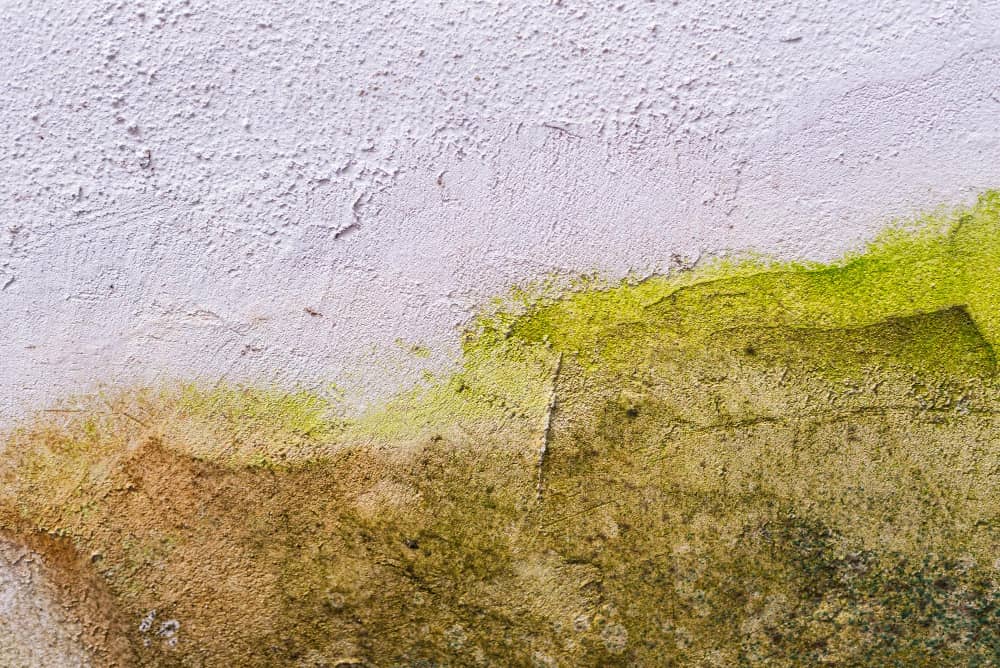
Structural damp often appears as:
- Moisture along lower wall sections
- Efflorescence and salt deposits
- Damp patches that reappear after redecorating
- Peeling plaster or blown render
In some properties, these symptoms signal that simple damp proofing is not enough. Instead, broader structural damp proofing and waterproofing may be required.
This is especially true in older London properties where ground levels have changed over time or previous repairs were not comprehensive.
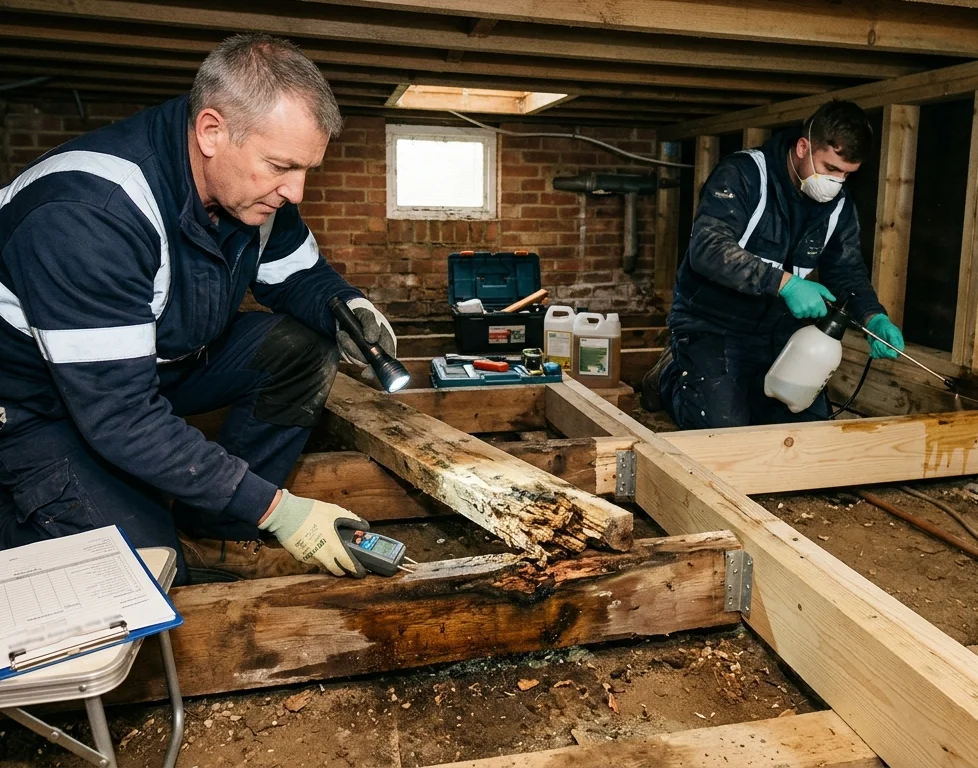
Ignoring structural damp can lead to:
- Timber decay
- Internal mould
- Reduced insulation performance
- Decreased property value
What best describes you?

Homeowner

Tenant

Management/Lettings Agent

Potential Buyer

Other
It just takes 60 Second
And then you can book a free consultation
How does building type affect waterproofing design?
London properties vary significantly:
- Victorian terraces with suspended floors
- Edwardian semi-detached homes
- Converted basements
- Modern developments with reinforced concrete
Each construction type reacts differently to moisture.
For instance:
- Solid brick walls require different detailing compared to cavity walls.
- Basements need pressure-resistant solutions.
- Extensions may create cold bridging if waterproofing is poorly integrated.
A structural waterproofing specialist does not apply a one-size-fits-all solution. Instead, they design based on the building’s structure.
What are the common causes of waterproofing failure?
Waterproofing usually fails because of:
- Incorrect specification
- Poor detailing at junctions
- Inadequate drainage planning
- Blocked or unmaintained systems
- DIY alterations after installation
Structural waterproof membrane installation can be highly effective, but only if it is correctly integrated with drainage and ventilation strategies.
Skipping the design stage often leads to problems appearing months or years later.
If you are planning basement works or dealing with persistent damp, contact Anke Damp Proofing for professional assessment and system design advice.
What does a professional waterproofing process look like?
A structured approach typically includes:
- Detailed inspection and moisture analysis
- Assessment of ground and structural conditions
- System recommendation with clear specification
- Preparation and substrate readiness
- Installation to manufacturer standards
- Testing and quality checks
- Reinstatement and finishing
This level of process control is what separates surface-level treatments from long-term protection.
Example scenario: basement conversion in Greater London
Imagine a homeowner converting a lower-ground basement into a home office.
Without correct waterproofing, this space may suffer:
- Persistent damp
- Mould growth
- Damage to finishes
- Reduced comfort
By engaging a structural waterproofing specialist, the property receives a properly designed membrane and drainage system.
The result is:
- Dry internal finishes
- Managed groundwater
- Long-term structural protection
- Increased usable living space
This demonstrates why waterproofing should always be approached strategically rather than reactively.
How do you know when to call a specialist?
You should consider professional waterproofing advice if:
- Damp persists despite previous treatment
- You are planning to convert a basement
- External ground levels are high
- You notice recurring moisture after heavy rainfall
- You are purchasing a property with known damp issues
Early intervention is usually far less disruptive and more cost-effective than reactive repair.
Final thoughts: design first, install second
Waterproofing is not simply a product. It is a design-led system.
Engaging a structural waterproofing specialist ensures that the system matches the building and the environment. Whether the solution involves tanking, cavity drain membranes, or integrated damp proofing measures, the specification must come first.
For expert guidance and carefully designed waterproofing solutions, speak to Anke Damp Proofing today and request tailored advice for your property.
When properly designed and installed, structural waterproofing protects your property for the long term and gives you confidence that damp will not return.
Related articles

What best describes you?
Homeowner
Tenant
Management/Lettings Agent
Potential Buyer
Other
At a glance
That is why waterproofing should never be treated as a quick fix. It is a technical process that must be correctly designed for the specific building and ground conditions involved.
This is where a structural waterproofing specialist plays a critical role. The difference between a well-designed system and a poorly specified one can mean the difference between decades of protection and recurring damp problems.
If you are planning remedial work or a basement conversion, speaking with Anke Damp Proofing for tailored advice can help you avoid costly mistakes.
What does structural waterproofing actually involve?
Structural waterproofing focuses on preventing water ingress through walls, floors, and foundations, particularly in below-ground or high-risk areas.
It typically includes:
- Waterproof barrier systems
- Cavity drain membrane systems
- Tanking systems
- Drainage channels and sump systems
- Damp proof course integration
- External waterproofing measures
Unlike surface-level treatments, these systems are designed to manage hydrostatic pressure and ground moisture.
The goal is long-term protection of the building fabric, not simply covering visible damp.
Why does professional design matter so much?
Can waterproofing fail if it is poorly designed?
Yes.
Waterproofing systems must match:
- Soil conditions
- Water table levels
- Property age and construction type
- Intended use of the space
- Ventilation and condensation control
A structural waterproofing specialist evaluates all of these factors before recommending a system.
Installing the wrong system, or installing the right system incorrectly, can lead to trapped moisture, internal condensation issues, or failure under pressure.
Professional specification protects both the property and the investment being made.
What is structural waterproof membrane installation?
Structural waterproof membrane installation typically refers to cavity drain membrane systems. These systems do not block water entirely. Instead, they manage it.
A membrane is fixed to walls and floors, creating a cavity that allows any incoming moisture to travel safely to drainage channels and sump pumps.
This approach is often used in:
- Basement conversions
- Semi-basement flats
- Lower ground extensions
- Retrofitted waterproofing upgrades
Because membrane systems manage water rather than fight it directly, they are highly effective when designed properly.
However, structural waterproof membrane installation must be detailed carefully at joints, corners, penetrations, and service entries.
Is tanking different from membrane systems?
Yes, and understanding the distinction is important.
Tanking systems create a continuous waterproof barrier bonded directly to masonry. They resist water pressure directly.
Membrane systems manage and redirect water internally.
Each has advantages depending on the situation. A structural waterproofing specialist assesses which approach suits the building and intended use of the space.
For example:
- A storage cellar may suit a tanking approach.
- A fully habitable basement may benefit from a cavity drain system.
When is structural damp a sign of a deeper issue?
Structural damp often appears as:
- Moisture along lower wall sections
- Efflorescence and salt deposits
- Damp patches that reappear after redecorating
- Peeling plaster or blown render
In some properties, these symptoms signal that simple damp proofing is not enough. Instead, broader structural damp proofing and waterproofing may be required.
This is especially true in older London properties where ground levels have changed over time or previous repairs were not comprehensive.
Ignoring structural damp can lead to:
- Timber decay
- Internal mould
- Reduced insulation performance
- Decreased property value
What best describes you?
Homeowner
Tenant
Management/Lettings Agent
Potential Buyer
Other
It just takes 60 Second
And then you can book a free consultation
How does building type affect waterproofing design?
London properties vary significantly:
- Victorian terraces with suspended floors
- Edwardian semi-detached homes
- Converted basements
- Modern developments with reinforced concrete
Each construction type reacts differently to moisture.
For instance:
- Solid brick walls require different detailing compared to cavity walls.
- Basements need pressure-resistant solutions.
- Extensions may create cold bridging if waterproofing is poorly integrated.
A structural waterproofing specialist does not apply a one-size-fits-all solution. Instead, they design based on the building’s structure.
What are the common causes of waterproofing failure?
Waterproofing usually fails because of:
- Incorrect specification
- Poor detailing at junctions
- Inadequate drainage planning
- Blocked or unmaintained systems
- DIY alterations after installation
Structural waterproof membrane installation can be highly effective, but only if it is correctly integrated with drainage and ventilation strategies.
Skipping the design stage often leads to problems appearing months or years later.
If you are planning basement works or dealing with persistent damp, contact Anke Damp Proofing for professional assessment and system design advice.
What does a professional waterproofing process look like?
A structured approach typically includes:
- Detailed inspection and moisture analysis
- Assessment of ground and structural conditions
- System recommendation with clear specification
- Preparation and substrate readiness
- Installation to manufacturer standards
- Testing and quality checks
- Reinstatement and finishing
This level of process control is what separates surface-level treatments from long-term protection.
Example scenario: basement conversion in Greater London
Imagine a homeowner converting a lower-ground basement into a home office.
Without correct waterproofing, this space may suffer:
- Persistent damp
- Mould growth
- Damage to finishes
- Reduced comfort
By engaging a structural waterproofing specialist, the property receives a properly designed membrane and drainage system.
The result is:
- Dry internal finishes
- Managed groundwater
- Long-term structural protection
- Increased usable living space
This demonstrates why waterproofing should always be approached strategically rather than reactively.
How do you know when to call a specialist?
You should consider professional waterproofing advice if:
- Damp persists despite previous treatment
- You are planning to convert a basement
- External ground levels are high
- You notice recurring moisture after heavy rainfall
- You are purchasing a property with known damp issues
Early intervention is usually far less disruptive and more cost-effective than reactive repair.
Final thoughts: design first, install second
Waterproofing is not simply a product. It is a design-led system.
Engaging a structural waterproofing specialist ensures that the system matches the building and the environment. Whether the solution involves tanking, cavity drain membranes, or integrated damp proofing measures, the specification must come first.
For expert guidance and carefully designed waterproofing solutions, speak to Anke Damp Proofing today and request tailored advice for your property.
When properly designed and installed, structural waterproofing protects your property for the long term and gives you confidence that damp will not return.
Related articles
What best describes you?
Homeowner
Tenant
Management/Lettings Agent
Potential Buyer