

Dry Rot and Wet Rot in Barnet: The Hidden Threats to Your Property
Dry Rot and Wet Rot in Barnet: The Hidden Threats to Your Property Timber problems do not appear overnight. By…

Why you can trust our content
At a glance
Dry Rot and Wet Rot in Barnet: The Hidden Threats to Your Property
Timber problems do not appear overnight. By the time flaky paint, spongy skirtings or a musty smell show up, dry rot or wet rot may already have been quietly damaging the structure of your home for months.
For homeowners in Barnet, understanding how these two types of rot behave can make the difference between a fairly straightforward repair and a major, disruptive refurbishment.
This guide explains what dry and wet rot actually are, how to tell them apart, the kinds of damage they cause, and when you should call in specialists for professional help.
If you are worried about any signs of timber decay, you can contact Anke Damp Proofing to arrange an expert inspection and clear report on your Barnet property.
What is the difference between dry rot and wet rot?
Although both problems involve fungi attacking timber, they behave in very different ways.
- Dry rot thrives in damp, poorly ventilated areas but can spread aggressively once conditions suit it. It often affects hidden structural timbers such as joists, floorboards and roof timbers.
- Wet rot usually stays close to the moisture source and tends to be more localised, commonly found in window frames, external joinery, skirtings and floor timbers affected by leaks.
The first step in planning effective repairs is a proper survey that confirms which type of decay is present and how far it has spread.
What are the early signs of dry rot in a Barnet home?
Dry rot is often called the silent destroyer because early clues can be subtle. Look out for:
- Flaky, cracked or shrinking paintwork on skirtings or architraves
- Timber that feels soft, brittle or crumbly to the touch
- Cuboid cracking in wood, giving a blocky, broken appearance
- A musty, mushroom-like smell in enclosed areas
- Fine strands or thick, white growths spreading across masonry or timber
If you notice several of these symptoms together, especially around ground floor or roof timbers, it is sensible to arrange professional dry rot treatment barnet before the decay compromises structural elements.
How can you spot wet rot problems quickly?
Wet rot is usually more closely linked to a consistent source of moisture such as a leaking pipe, defective guttering or saturated masonry.
Common warning signs include:
- Localised areas of soft or spongy timber
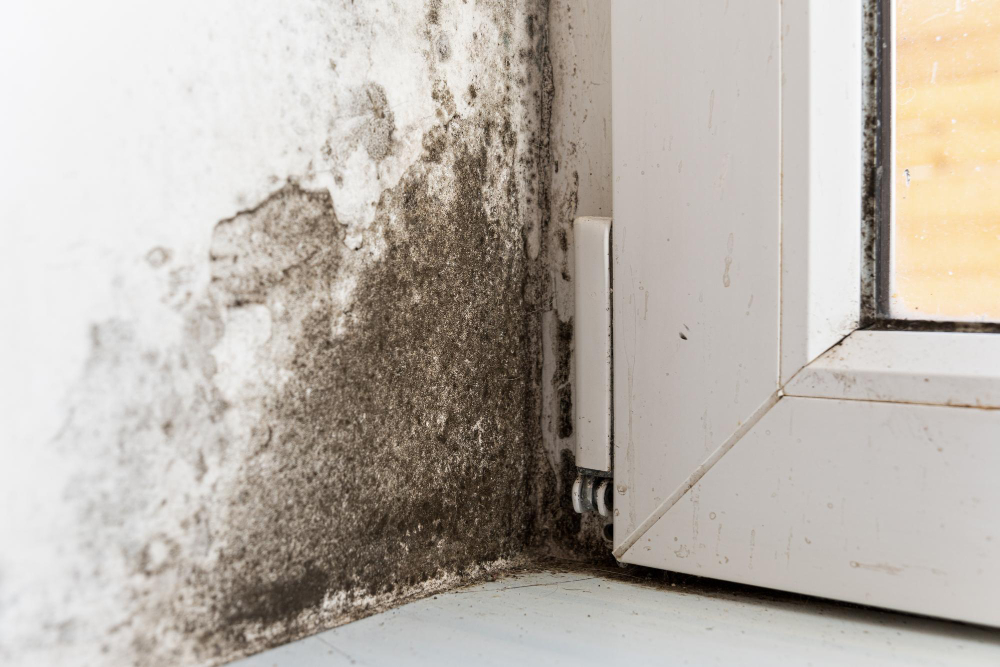
- Dark staining or cracking paintwork around the affected area
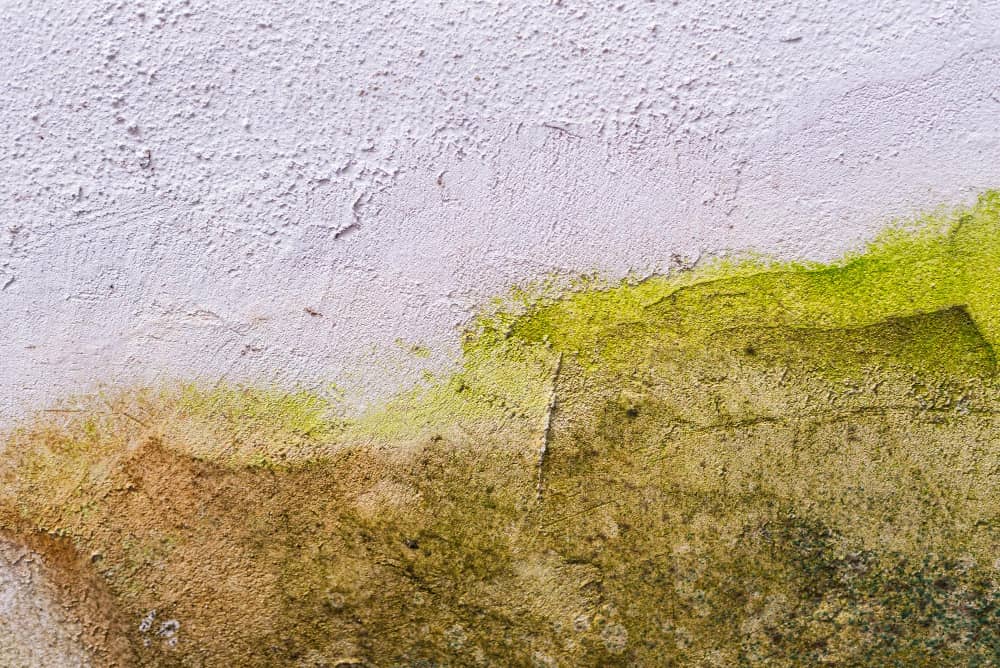
- Growth of surface fungus, often dark or discoloured patches
- Timber that feels wet or cold to the touch compared with surrounding areas
Because wet rot is driven by ongoing moisture, effective wet rot treatment barnet always starts with finding and fixing the underlying source of water before any repairs are made to the timber itself.
Why are dry rot and wet rot such a risk to your property?
Timber is often a key structural component in homes across North London and Barnet. Once fungi begin to attack it, strength and stiffness can deteriorate relatively quickly.
Key risks include:
- Floorboards or stairs that become unsafe to walk on
- Skirtings and architraves that crumble away from walls
- Roof timbers that lose strength, affecting tiles and ceilings
- Hidden joists or lintels that no longer support loads properly
Left untreated, both forms of rot can lead to expensive structural repairs and, in the worst cases, the need to partially rebuild affected areas.
How are dry rot and wet rot problems usually treated?
Treatment will always depend on a detailed survey, but in simple terms the process follows a few clear stages.
| Stage of Work | Dry Rot Focus | Wet Rot Focus |
| 1. Investigation | Trace how far the fungus has spread | Identify the precise moisture source |
| 2. Moisture control | Improve ventilation and remove moisture sources | Repair leaks, gutters or defective masonry |
| 3. Timber assessment | Check all nearby structural timbers | Test localised timbers around the damp area |
| 4. Removal and treatment | Remove severely decayed timber and treat masonry | Cut out damaged timber and apply preservative |
| 5. Repair and protection | Install new treated timbers and protective systems | Replace affected joinery and improve detailing |
Professional contractors will also give you guidance on ventilation, future inspections and any further remedial works needed to keep your home protected.
If you would like practical advice on the right approach for your property, you can speak to our team at Anke Damp Proofing and arrange a thorough inspection.
What best describes you?

Homeowner

Tenant

Management/Lettings Agent

Potential Buyer

Other
It just takes 60 Second
And then you can book a free consultation
Do you always have to replace timbers affected by rot?
Not always. The decision to repair or replace depends on how much strength has been lost and whether the decay is still active.
- Slightly affected, non-structural timbers may sometimes be treated and retained.
- Heavily decayed or structurally important timbers, such as joists and lintels, usually need replacing.
- In some cases, steel or engineered timber may be introduced to strengthen or span affected areas.
A qualified surveyor or specialist contractor will explain which timbers can safely remain and which should be renewed as part of a tailored dry rot treatment barnet plan.
What does a typical dry or wet rot survey involve?
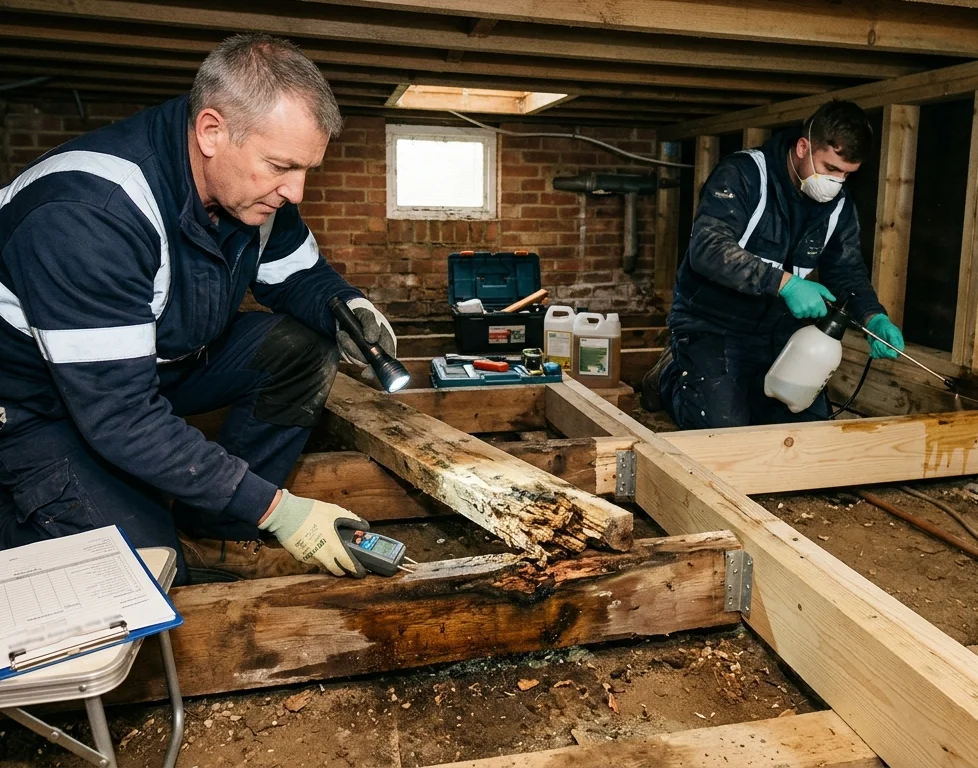
A good survey is far more than a quick visual check. For dry rot treatment barnet and wet rot investigations, you should expect:
- A thorough inspection of all accessible timbers, including floor voids where possible
- Moisture readings in surrounding walls and floors
- Careful tracing of any fungal growths or strands
- Consideration of ventilation, external defects and drainage
- A written report outlining findings, risks and recommended remedial works
This level of detail helps you understand the scale of the problem and plan repairs sensibly, rather than guessing based on surface damage alone.
Example: hidden dry rot beneath a Barnet bay window
One common scenario involves hidden decay under bay windows.
A homeowner noticed slight cracking to paintwork at the base of their bay and a faint musty smell in the front room. During the survey, floorboards near the window felt springy, and further investigation revealed:
- Significant dry rot in the bay floor timbers
- Fungal strands travelling along the underside of the floor
- High moisture levels around the masonry beneath the window, caused by defective pointing and blocked air bricks
The remedial work involved improving sub-floor ventilation, repairing external defects, removing decayed timbers, installing new treated joists and floorboards, and applying specialist treatments to surrounding masonry. Once completed, the bay was structurally sound and the musty smell disappeared.
How can you reduce the risk of rot returning?
Prevention is always better than cure. After rot has been treated, simple maintenance steps can greatly reduce the chance of it coming back:
- Keep gutters, downpipes and roofs in good repair
- Make sure external ground levels are not too high against walls
- Maintain good ventilation in underfloor voids and roof spaces
- Deal promptly with any leaks from plumbing or appliances
- Avoid sealing air bricks or blocking vents with finishes or furniture
Regular visual checks and quick action if something changes are the best way to protect your investment, especially in older Barnet properties that rely heavily on timber.
Related articles

What best describes you?
Homeowner
Tenant
Management/Lettings Agent
Potential Buyer
Other
At a glance
Dry Rot and Wet Rot in Barnet: The Hidden Threats to Your Property
Timber problems do not appear overnight. By the time flaky paint, spongy skirtings or a musty smell show up, dry rot or wet rot may already have been quietly damaging the structure of your home for months.
For homeowners in Barnet, understanding how these two types of rot behave can make the difference between a fairly straightforward repair and a major, disruptive refurbishment.
This guide explains what dry and wet rot actually are, how to tell them apart, the kinds of damage they cause, and when you should call in specialists for professional help.
If you are worried about any signs of timber decay, you can contact Anke Damp Proofing to arrange an expert inspection and clear report on your Barnet property.
What is the difference between dry rot and wet rot?
Although both problems involve fungi attacking timber, they behave in very different ways.
- Dry rot thrives in damp, poorly ventilated areas but can spread aggressively once conditions suit it. It often affects hidden structural timbers such as joists, floorboards and roof timbers.
- Wet rot usually stays close to the moisture source and tends to be more localised, commonly found in window frames, external joinery, skirtings and floor timbers affected by leaks.
The first step in planning effective repairs is a proper survey that confirms which type of decay is present and how far it has spread.
What are the early signs of dry rot in a Barnet home?
Dry rot is often called the silent destroyer because early clues can be subtle. Look out for:
- Flaky, cracked or shrinking paintwork on skirtings or architraves
- Timber that feels soft, brittle or crumbly to the touch
- Cuboid cracking in wood, giving a blocky, broken appearance
- A musty, mushroom-like smell in enclosed areas
- Fine strands or thick, white growths spreading across masonry or timber
If you notice several of these symptoms together, especially around ground floor or roof timbers, it is sensible to arrange professional dry rot treatment barnet before the decay compromises structural elements.
How can you spot wet rot problems quickly?
Wet rot is usually more closely linked to a consistent source of moisture such as a leaking pipe, defective guttering or saturated masonry.
Common warning signs include:
- Localised areas of soft or spongy timber
- Dark staining or cracking paintwork around the affected area
- Growth of surface fungus, often dark or discoloured patches
- Timber that feels wet or cold to the touch compared with surrounding areas
Because wet rot is driven by ongoing moisture, effective wet rot treatment barnet always starts with finding and fixing the underlying source of water before any repairs are made to the timber itself.
Why are dry rot and wet rot such a risk to your property?
Timber is often a key structural component in homes across North London and Barnet. Once fungi begin to attack it, strength and stiffness can deteriorate relatively quickly.
Key risks include:
- Floorboards or stairs that become unsafe to walk on
- Skirtings and architraves that crumble away from walls
- Roof timbers that lose strength, affecting tiles and ceilings
- Hidden joists or lintels that no longer support loads properly
Left untreated, both forms of rot can lead to expensive structural repairs and, in the worst cases, the need to partially rebuild affected areas.
How are dry rot and wet rot problems usually treated?
Treatment will always depend on a detailed survey, but in simple terms the process follows a few clear stages.
| Stage of Work | Dry Rot Focus | Wet Rot Focus |
| 1. Investigation | Trace how far the fungus has spread | Identify the precise moisture source |
| 2. Moisture control | Improve ventilation and remove moisture sources | Repair leaks, gutters or defective masonry |
| 3. Timber assessment | Check all nearby structural timbers | Test localised timbers around the damp area |
| 4. Removal and treatment | Remove severely decayed timber and treat masonry | Cut out damaged timber and apply preservative |
| 5. Repair and protection | Install new treated timbers and protective systems | Replace affected joinery and improve detailing |
Professional contractors will also give you guidance on ventilation, future inspections and any further remedial works needed to keep your home protected.
If you would like practical advice on the right approach for your property, you can speak to our team at Anke Damp Proofing and arrange a thorough inspection.
What best describes you?
Homeowner
Tenant
Management/Lettings Agent
Potential Buyer
Other
It just takes 60 Second
And then you can book a free consultation
Do you always have to replace timbers affected by rot?
Not always. The decision to repair or replace depends on how much strength has been lost and whether the decay is still active.
- Slightly affected, non-structural timbers may sometimes be treated and retained.
- Heavily decayed or structurally important timbers, such as joists and lintels, usually need replacing.
- In some cases, steel or engineered timber may be introduced to strengthen or span affected areas.
A qualified surveyor or specialist contractor will explain which timbers can safely remain and which should be renewed as part of a tailored dry rot treatment barnet plan.
What does a typical dry or wet rot survey involve?
A good survey is far more than a quick visual check. For dry rot treatment barnet and wet rot investigations, you should expect:
- A thorough inspection of all accessible timbers, including floor voids where possible
- Moisture readings in surrounding walls and floors
- Careful tracing of any fungal growths or strands
- Consideration of ventilation, external defects and drainage
- A written report outlining findings, risks and recommended remedial works
This level of detail helps you understand the scale of the problem and plan repairs sensibly, rather than guessing based on surface damage alone.
Example: hidden dry rot beneath a Barnet bay window
One common scenario involves hidden decay under bay windows.
A homeowner noticed slight cracking to paintwork at the base of their bay and a faint musty smell in the front room. During the survey, floorboards near the window felt springy, and further investigation revealed:
- Significant dry rot in the bay floor timbers
- Fungal strands travelling along the underside of the floor
- High moisture levels around the masonry beneath the window, caused by defective pointing and blocked air bricks
The remedial work involved improving sub-floor ventilation, repairing external defects, removing decayed timbers, installing new treated joists and floorboards, and applying specialist treatments to surrounding masonry. Once completed, the bay was structurally sound and the musty smell disappeared.
How can you reduce the risk of rot returning?
Prevention is always better than cure. After rot has been treated, simple maintenance steps can greatly reduce the chance of it coming back:
- Keep gutters, downpipes and roofs in good repair
- Make sure external ground levels are not too high against walls
- Maintain good ventilation in underfloor voids and roof spaces
- Deal promptly with any leaks from plumbing or appliances
- Avoid sealing air bricks or blocking vents with finishes or furniture
Regular visual checks and quick action if something changes are the best way to protect your investment, especially in older Barnet properties that rely heavily on timber.
Related articles
What best describes you?
Homeowner
Tenant
Management/Lettings Agent
Potential Buyer