

Identifying and Treating Rising Damp in Older Properties
June 7, 2025
Rising damp is a serious concern for many older properties in the UK, particularly heritage buildings. It causes both structural deterioration and visible aesthetic damage, often resulting in wet rot, salt staining, and peeling wall finishes. This comprehensive guide explains what rising damp is, how it affects period buildings, and the most effective treatment options. It also offers guidance on how to preserve historical character while addressing moisture-related issues effectively.
Understanding Rising Damp in Heritage Buildings
Rising damp occurs when groundwater travels upward through porous masonry via capillary action. In traditional British construction, especially in buildings with handmade bricks and lime-based mortar, this phenomenon is common.
These older materials were not designed with modern damp proofing in mind, and many heritage buildings either lack a damp proof course (DPC) altogether or have one that has failed. The result is water absorption, salt crystallisation, and long-term damage to the building fabric.
Defining Capillary Action in Masonry
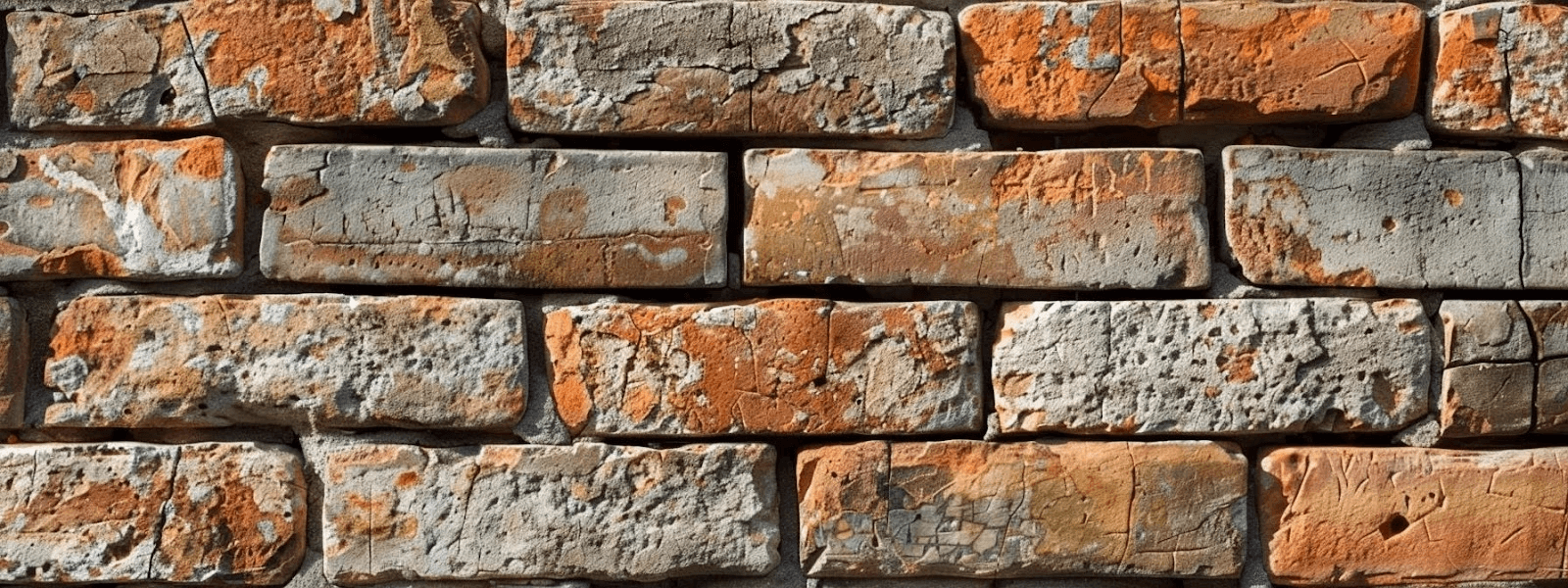
Capillary action allows water to rise through the small pores found in traditional bricks and mortar. Without an effective DPC, moisture easily enters the interior walls, bringing salts that eventually form deposits on surfaces.
This action also promotes the growth of mould, creating both health hazards and visual deterioration. Over time, these effects compound, weakening the structure and affecting internal finishes like paint and plaster.
How Groundwater Affects Older Foundation Materials
Older properties in the UK often have foundations made from materials more porous than those used today. Cracks and weak points in these foundations allow groundwater to infiltrate easily.
As the moisture rises, it transports salts, which crystallise on or near the surface. This causes plaster to flake, paint to peel, and in severe cases, can even lead to internal timber decay. Without intervention, these problems worsen, potentially compromising structural integrity.
The Unique Challenges Presented by Period
Construction
Period homes, especially those built before the 20th century, often feature materials and construction methods that respond differently to moisture. Lime mortar, for example, is more breathable than modern cement but also more susceptible to water ingress if improperly maintained.
Therefore, treatment solutions must be carefully chosen. Using the wrong approach can permanently damage a building’s original fabric and reduce its heritage value. This makes specialist knowledge essential when dealing with rising damp in historic properties.
Common Causes of Rising Damp in Older Properties
One common cause of rising damp is the failure or complete absence of an effective DPC. Many historic homes were constructed before DPCs became a standard feature in British building regulations. Over time, any existing DPC may deteriorate, or it can become bridged by debris, vegetation, or changes in landscaping. These factors create pathways for water to bypass the barrier and rise up through the walls.
Failure or Absence of Damp Proof Courses
Older buildings without a functioning damp proof course are especially vulnerable. Whether through age-related failure or missing due to original construction practices, this absence allows water to rise unchecked. Over the years, salt accumulation and surface degradation become evident, particularly near the base of interior and exterior walls.
Bridging by Vegetation or Landscaping
Even if a DPC exists, it can become ineffective if external factors bridge it. Soil build-up, modern paving, or invasive vegetation can create alternative moisture paths. These external influences are often overlooked but can significantly exacerbate the damp issue.
Changes to Ground Levels
Urban development often results in elevated ground levels, which can place pressure on older wall structures. When ground levels exceed the original DPC height, they allow water to enter at higher levels than the building was designed to handle. This problem is widespread across many older UK towns and cities.
Porous Traditional Building Materials
While lime mortar and handmade bricks offer natural breathability, their porous nature makes them prone to absorbing moisture. Over time, this allows water and salts to migrate deeper into the structure, especially when exterior surfaces are not adequately maintained.
Inappropriate Past Repairs
Unfortunately, many historic properties have been subjected to modern repair techniques that are incompatible with their materials. Cement-based plasters and synthetic paints trap moisture, hindering natural evaporation and making the damp problem worse. These kinds of repairs must be reversed carefully to restore proper breathability.
Visual Signs of Rising Damp in Period Properties
Identifying rising damp starts with understanding its visual clues. In period properties, these signs can be subtle or dramatic depending on the severity.
Tide Marks and Wall Discolouration
One of the most recognisable signs is a horizontal stain or “tide mark” along the base of the wall. This is where salts are deposited as moisture evaporates. These marks are usually around 1 metre from the ground and are common in older UK homes.
Deteriorated Skirting Boards and Plaster
Skirting boards may become soft, warped, or rotten due to prolonged moisture exposure. Low-level plaster can crumble or discolour, with visible staining or bubbling. These issues typically appear before other signs manifest, serving as early warnings.
Peeling Wallpaper and Paint
Wallpaper may detach from the wall, and paint finishes can blister or peel. These changes are more than cosmetic—they indicate a significant moisture imbalance. Property owners often mistake these symptoms for general ageing, delaying proper diagnosis.
Salt Deposits and Efflorescence
Powdery white salt on the surface of walls is a common sight in homes affected by rising damp. This efflorescence indicates that salts carried by water are being left behind as the moisture evaporates, weakening internal finishes and affecting aesthetics.
Differentiating Rising Damp From Other Moisture Issues
In older buildings, it’s common to confuse rising damp with other forms of moisture ingress. Accurate diagnosis is crucial, especially for listed or conservation properties where inappropriate treatment can have lasting effects.
Understanding Condensation and Penetrating Damp
Condensation typically affects larger wall areas and is linked to poor ventilation and high humidity. Penetrating damp, by contrast, originates from external defects like cracked rendering or leaking gutters. Unlike rising damp, which shows a vertical gradient, these forms are more widespread or localised based on the source.
Moisture Profiling and Surveying
Professional use of moisture meters and thermal imaging helps confirm rising damp by identifying a moisture gradient — higher readings at the base that reduce with height. This profile is key to distinguishing it from other issues.
Multiple Damp Types in One Property
It’s not uncommon for older buildings to suffer from more than one type of damp. A full damp survey ensures all problems are identified so that the correct treatment plan is implemented.
Professional Assessment of Rising Damp in Heritage Properties
A professional damp survey is vital in historic buildings. Specialists use a combination of visual checks, moisture meters, and sampling techniques to determine the extent of the issue. Sometimes, laboratory analysis of mortar or brick samples is used to test for salt concentrations and moisture content.
Interpreting these results is critical in choosing the most appropriate and sympathetic treatment — especially in listed buildings, where certain interventions may not be permitted.
Damp Treatment Options for Older UK Properties
Treating rising damp in period homes involves balancing efficacy with preservation.
Modern Damp Proofing Techniques
Today’s methods include chemical injections, physical damp proof membranes, and electro-osmotic systems. These options can be adapted for heritage buildings when implemented correctly.
- Chemical Injections: These create a barrier inside the wall with minimal disruption. They are often suitable for older buildings, provided the materials are compatible.
- Physical Membranes: These offer strong moisture resistance but involve more invasive work and are generally used during larger refurbishments.
- Electro-Osmotic Systems: These use low-voltage currents to repel moisture and are effective in situations where minimal physical alteration is preferred.
[Related internal resource: Learn more about our modern damp control services here – Anke Damp Proofing Damp Control]
Preparation and Reinstatement After Damp Treatment
Preparation is key before any damp-proofing work. Old finishes must be removed, salts neutralised, and surfaces cleaned. After treatment, walls must be allowed to dry thoroughly — often for several months — before redecoration can begin.
For finishing, breathable lime plaster and mineral-based paints are best suited for older properties. These materials allow continued evaporation of residual moisture and are compatible with traditional construction methods.
Choosing the Right Finishes
When redecorating, avoid using vinyl wallpapers or emulsion paints, which can trap moisture. Instead, opt for breathable alternatives like limewash or clay-based paints.
[Explore our full range of services for historic homes at – Anke Damp Proofing
Preventing Future Rising Damp
Prevention is as important as treatment. Maintaining clear ground levels, ensuring effective drainage, and regularly inspecting for DPC failure are key practices. Sub-floor ventilation should also be checked, especially in suspended timber floors.
Timely repairs to roofs, gutters, and plumbing are critical. A preventative maintenance schedule helps ensure the long-term protection of the property and avoids costly future repairs.
Why Rising Damp Should Never Be Ignored
Unaddressed rising damp can have far-reaching consequences. Structurally, persistent moisture can weaken walls, cause timber decay, and even lead to subsidence. Health-wise, mould and damp contribute to respiratory problems, particularly in vulnerable groups. Moreover, the presence of visible damp significantly reduces a property’s market value and buyer appeal.
Frequently Asked Questions (FAQs)
Final Thoughts
Rising damp in older UK properties is a complex issue that requires careful assessment and thoughtful treatment. With the right expertise, appropriate materials, and a sensitive approach, it is entirely possible to treat rising damp without compromising the character of a heritage building. By combining modern techniques with respect for traditional materials, property owners can protect their homes for generations to come.